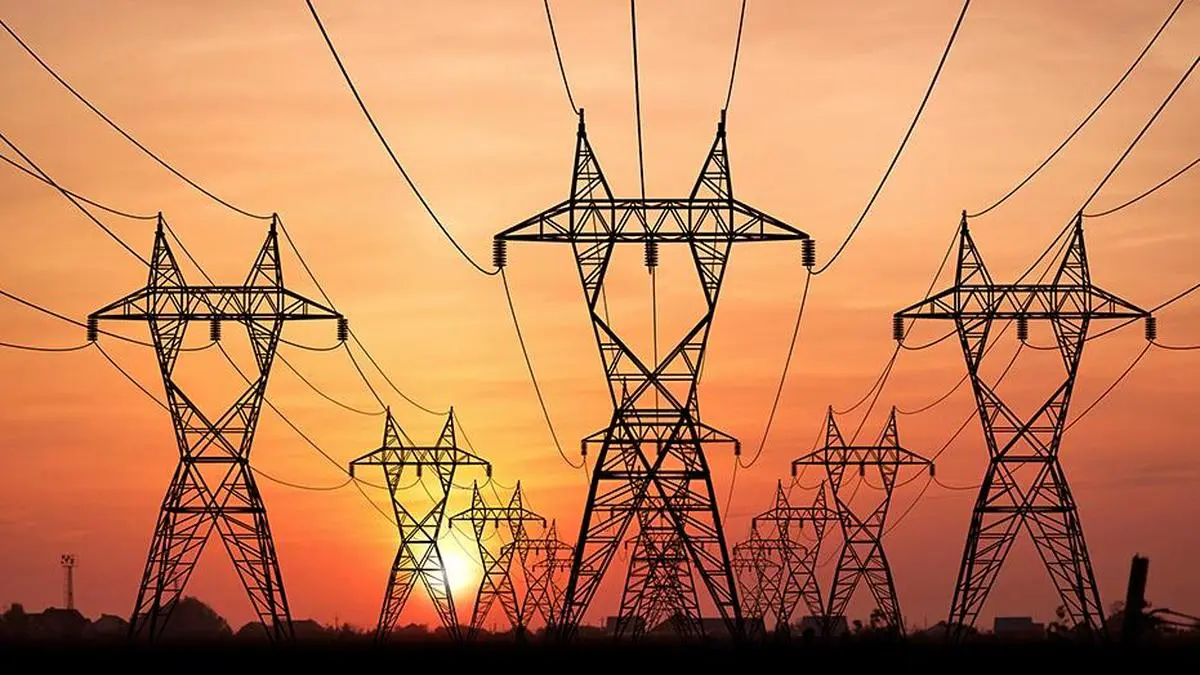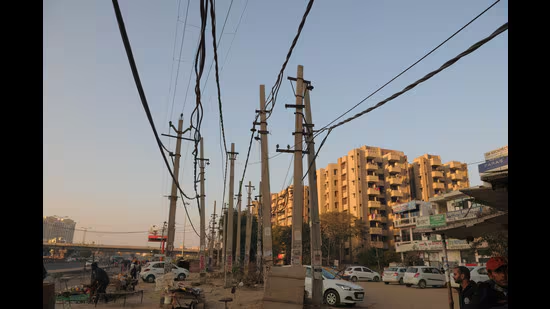
Haryana’s peak power demand is projected to rise to 19,481 megawatts by 2029-30, which has necessitated long-term planning to meet future energy requirements, energy minister Anil Vij said during a review meeting chaired by Union power minister Manohar Lal Khattar.State expects 16,454 MW peak demand this year and is adding 750 MW capacity, with major expansion projects planned through 2031-32. (HT Archive)Officials informed the meeting that the state’s peak power demand for the current year is expected to touch 16,454 MW, which can be met with the available capacity.“Haryana’s peak demand is expected to reach approximately 19,481 megawatts by 2029-30, for which long-term planning is already underway to meet future energy requirements,” said Vij.“Haryana’s peak electricity demand during the current year is expected to reach around 16,454 MW, which can be comfortably met with the available capacity,” he added.Khattar said Haryana was prepared to meet rising demand but stressed the need to focus on new technologies, strengthening power supply systems, reducing technical and commercial losses, increasing revenue generation and modernising the distribution network.“The state has made significant progress in the power sector and should continue efforts toward achieving near-zero power losses and minimising the gap between electricity billing and actual power supplied,” he said.According to officials, Haryana recorded a peak demand of 14,084 MW in July 2025, 14,662 MW in July 2024, 13,088 MW in August 2023 and 12,768 MW in June 2022. The state met peak demand in all these years except 2023, when it supplied 12,844 MW against a demand of 13,088 MW.Officials said Haryana currently has over 16,552 MW of contracted power capacity, which is expected to increase to 16,891 MW by March 2027. Of this, 9,929.92 MW comes from thermal, nuclear and gas-based sources, while 6,622.58 MW is sourced from hydro, solar, wind, biomass and other renewable resources.A senior official said the state aims to add 750 MW of contracted capacity during the current fiscal, including 60 MW from hydro, 150 MW from solar and 540 MW from hybrid energy sources. Last year, Haryana added 854 MW of contracted capacity, taking the total from 15,076 MW to 15,930 MW.Officials said Gurugram remains among the highest power-consuming districts due to rapid urbanisation and industrialisation and recorded a peak demand of 2,550 MW last month.Gurugram to drive demandA senior energy department official said Gurugram topped the state in power demand and consumption. “Followed by Gurugram is Faridabad. Both the cities generate a combined peak demand ranging between 4,500 MW to 5,000 MW at present in summers which is almost one third of entire state’s demand. Gurugram broke the record by crossing 2,550 MW peak load last month,” he said.He added that Gurugram’s annual growth in peak load and demand has risen sharply over the last three to four years and is expected to continue increasing. Officials said the city’s demand is driven by around eight lakh domestic and industrial consumers, high-rise residential complexes, townships, IT and corporate parks and industries. They added that Gurugram is the only district in Haryana divided into two circles for power supply management.According to Haryana Power Generation Corporation Limited, Haryana has an installed generation capacity of 2,582 MW. Future expansion plans include adding 800 MW at Yamuna Nagar, 800 MW at Hisar, 1,600 MW at Panipat and 2,800 MW through the Haryana Atomic Power Project in Fatehabad by 2031-32.
Haryana peak power demand projected at 19,481 MW by 2029-30: Minister
Gurugram leads consumption with 2,550 MW peak load, while Haryana plans major thermal, nuclear and renewable capacity additions to meet future demand.
TL;DRAI
Haryana projects peak power demand reaching 19,481 MW by 2029-30 from current 16,454 MW, adding 750 MW capacity this year. Gurugram's IT parks drive one-third of state demand; state plans 5,000+ MW expansion through 2031-32.
556 words~3 min read