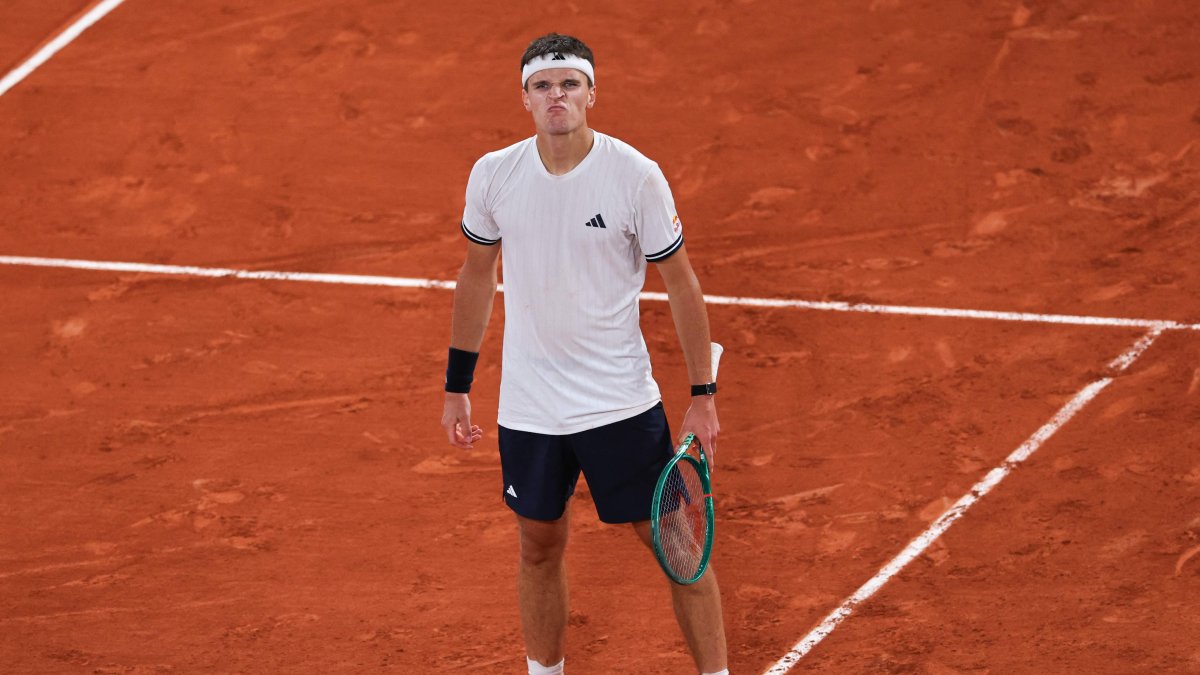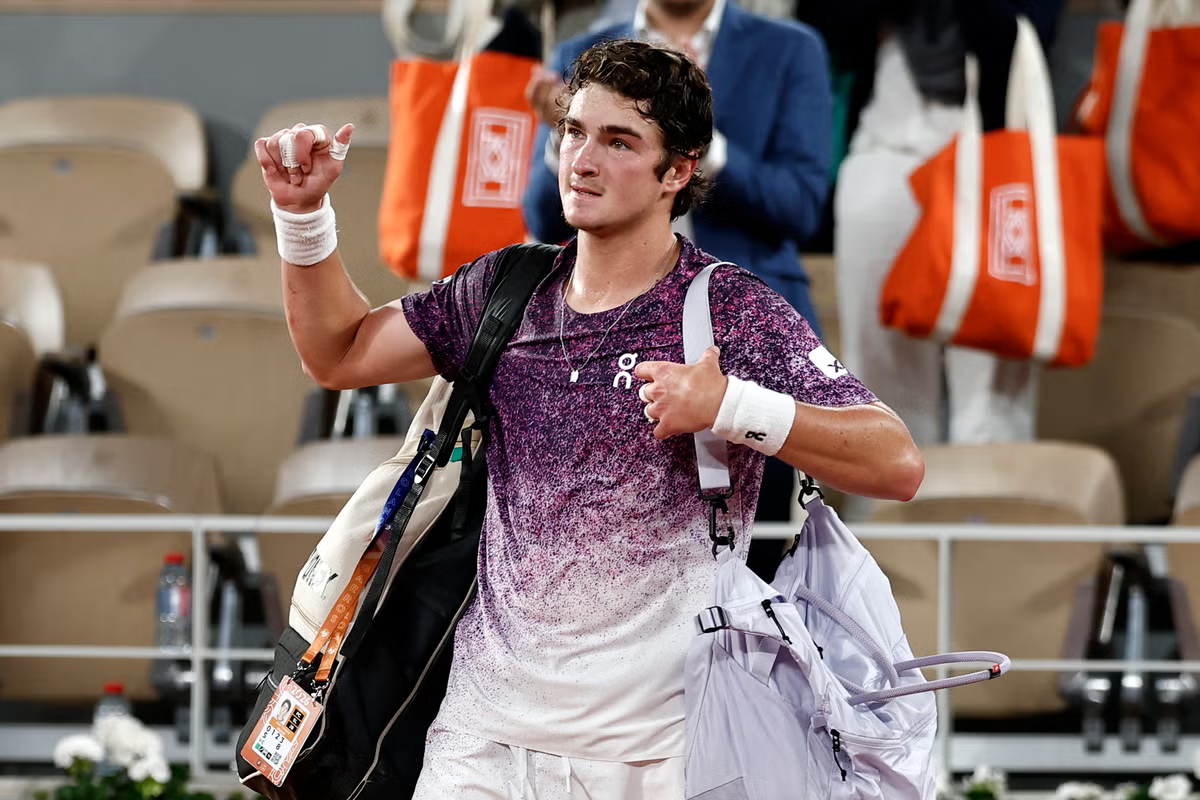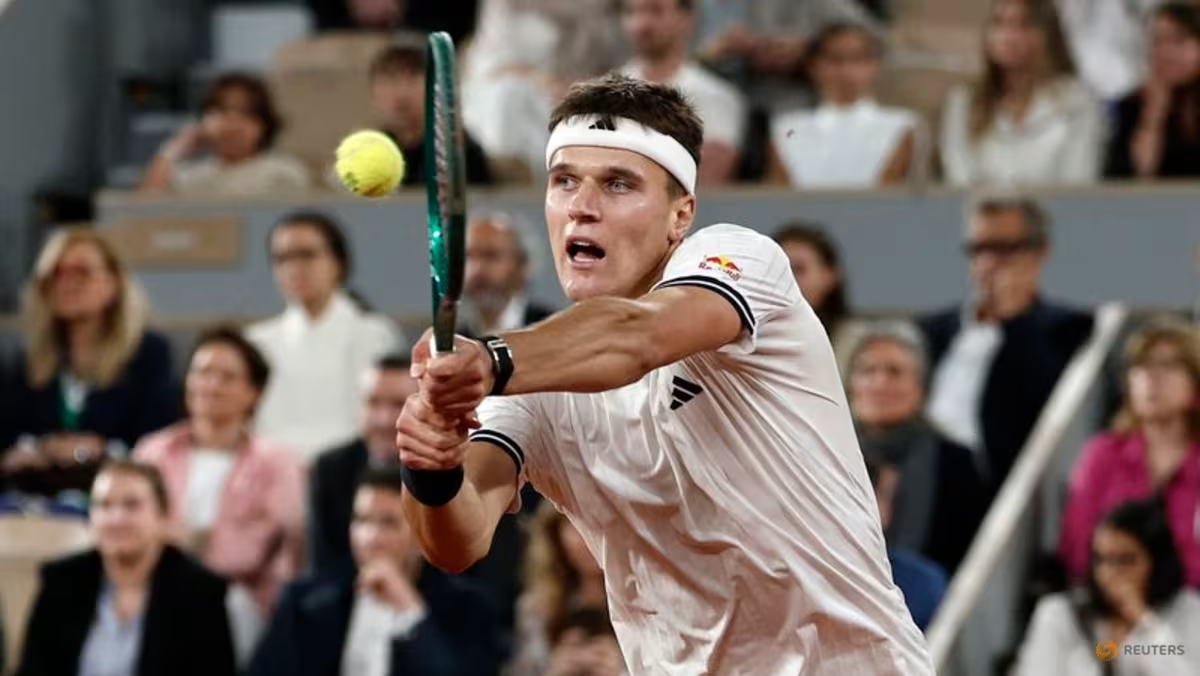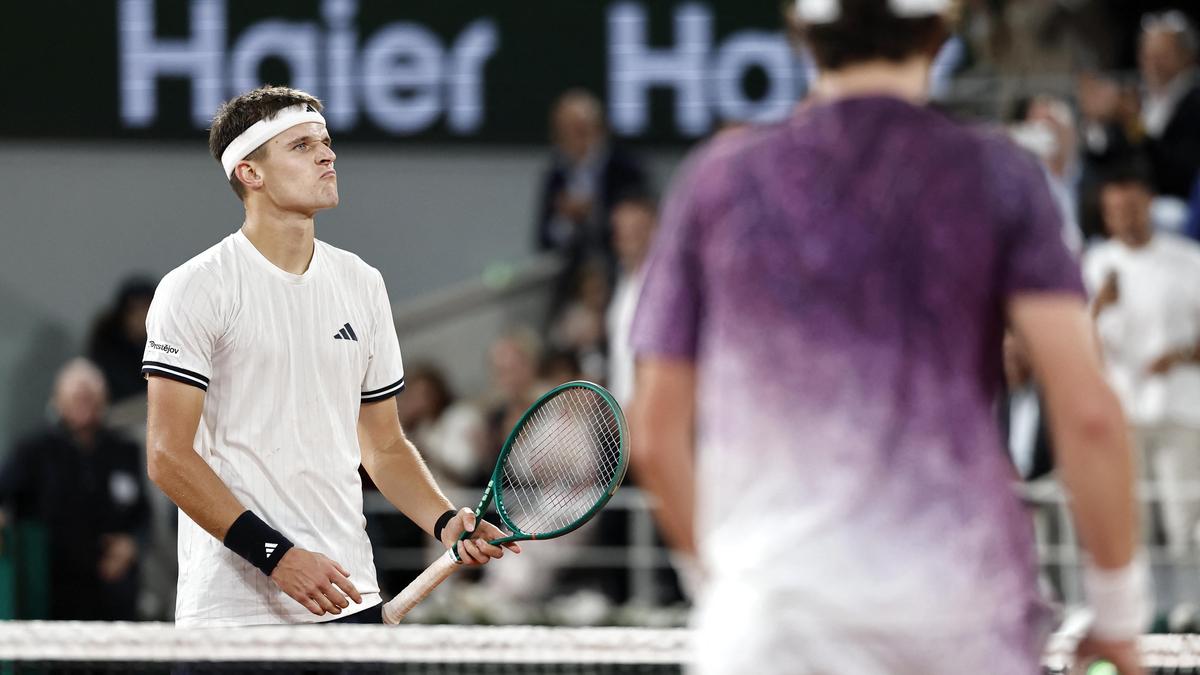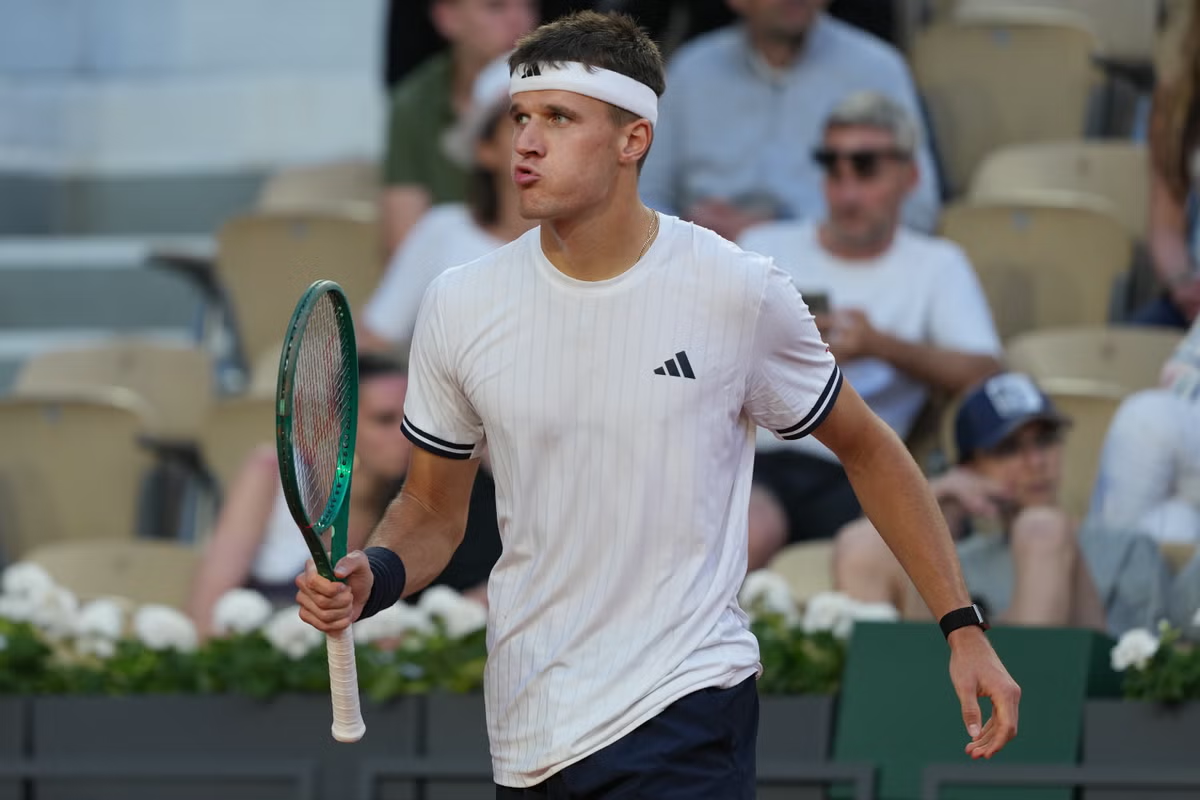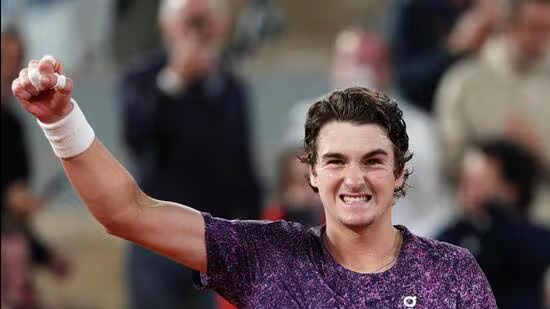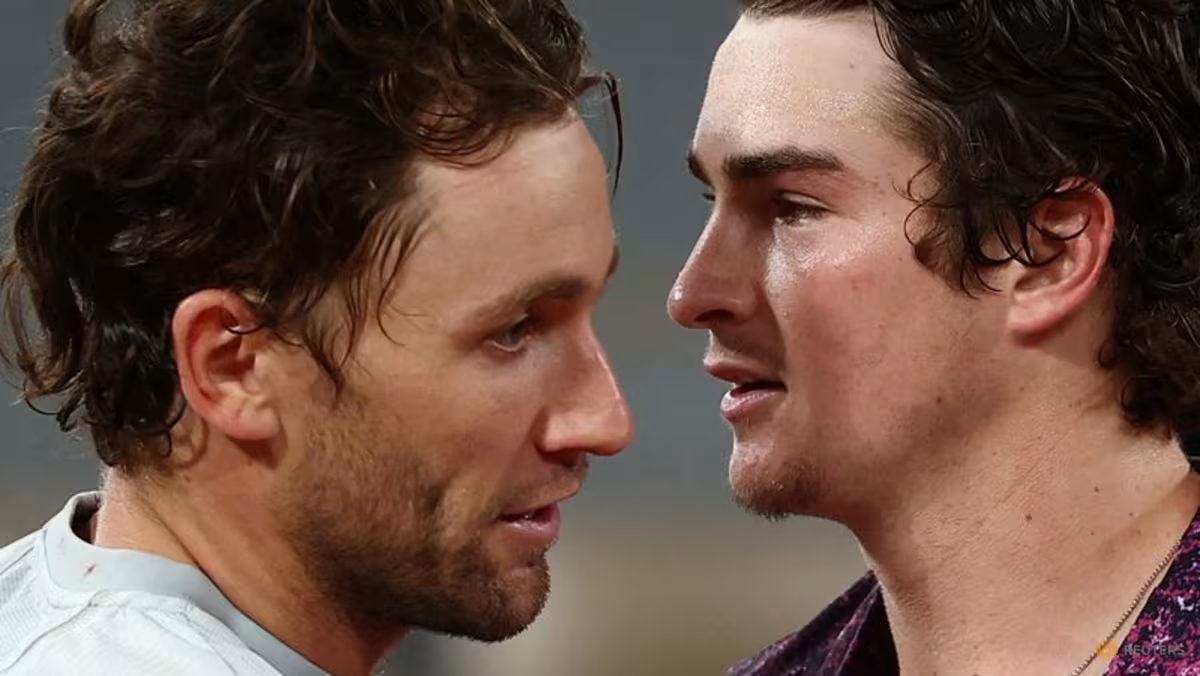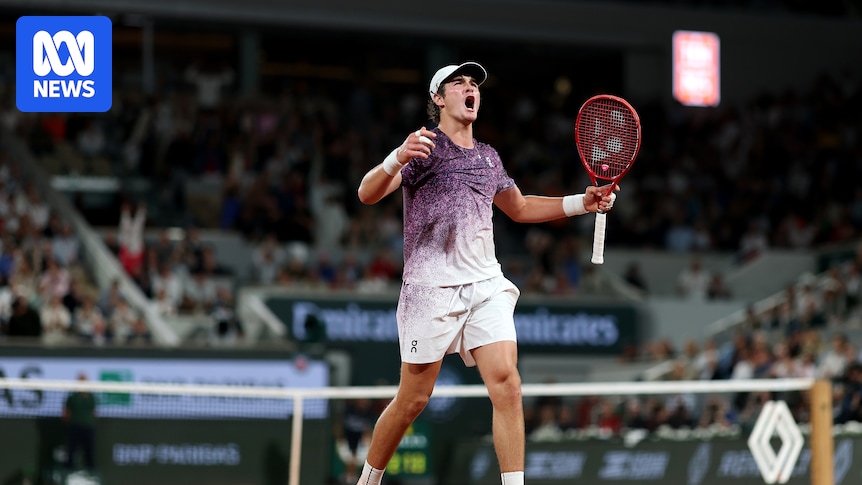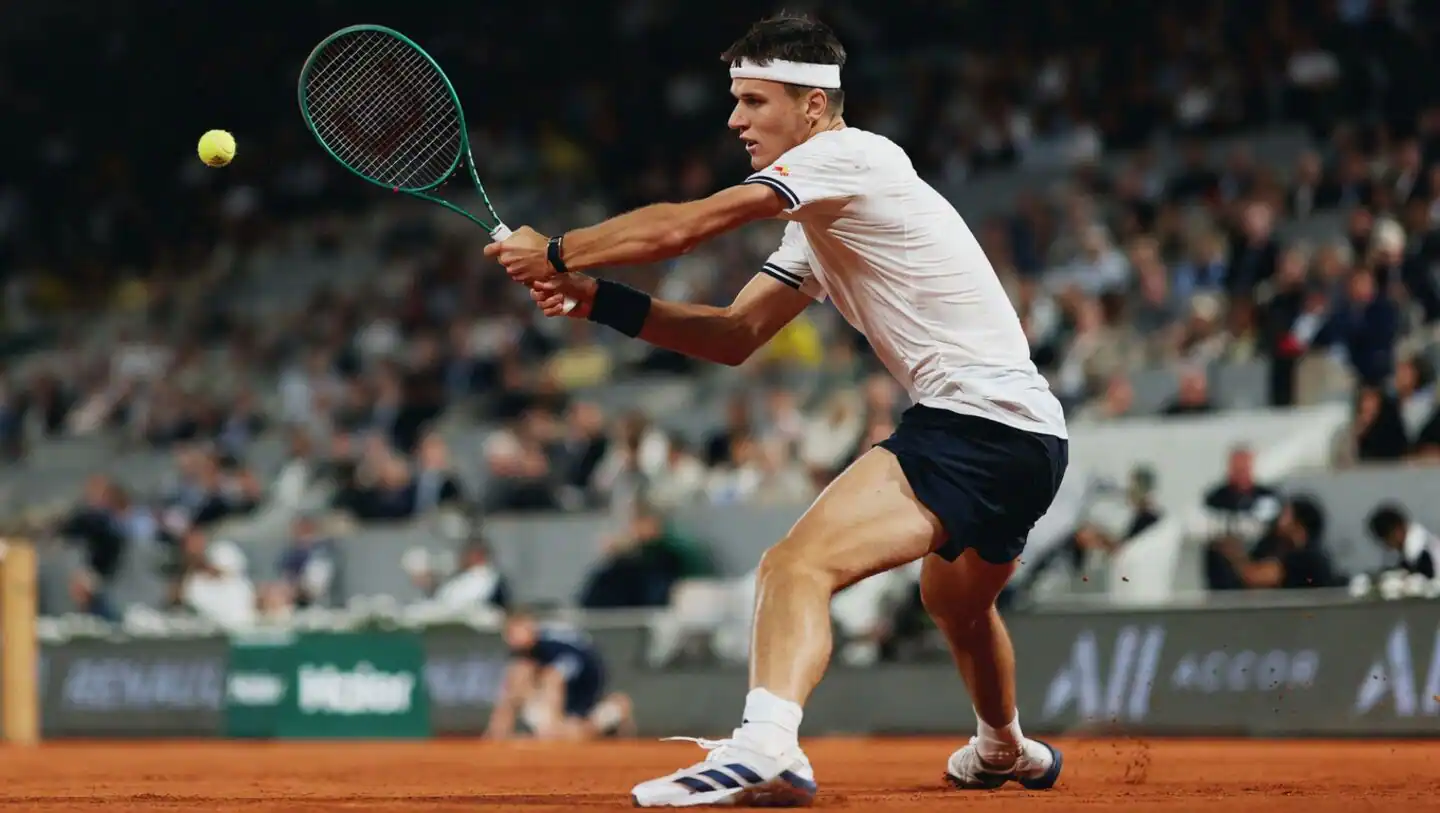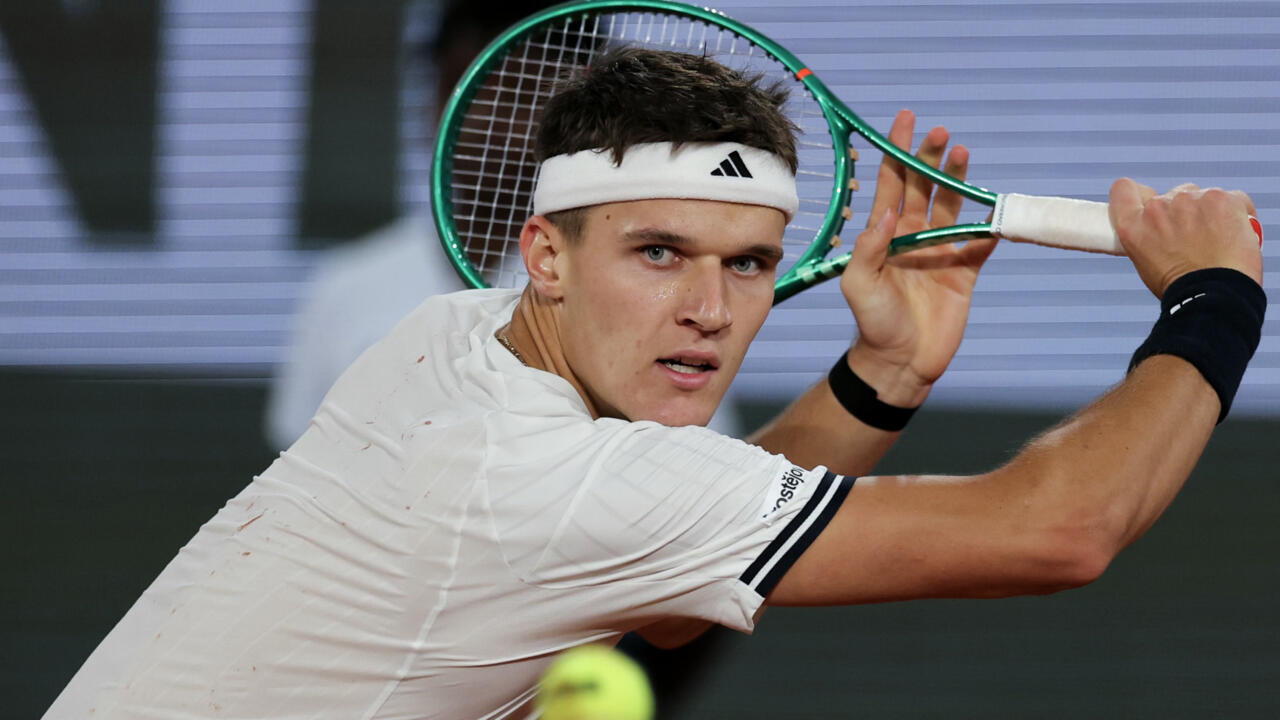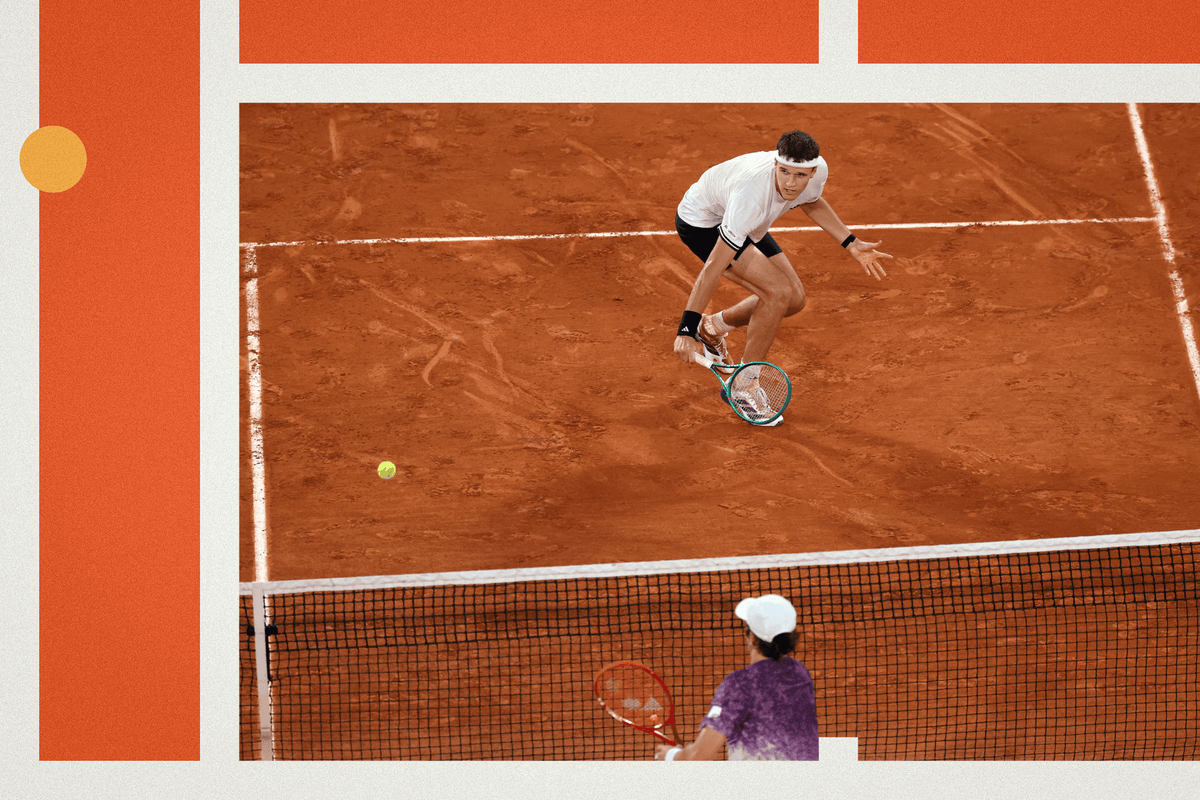
Follow The Athletic’s French Open coverageWelcome to the French Open briefing, where The Athletic will explain the stories behind the stories on each day of the tournament.On Day 10, the ATP kids proved that they are alright, another teenager showed growth and off-court tennis politics continued to rumble.Why is the ATP Tour next generation in good hands?Throughout the early part of this year, and especially against João Fonseca in their French Open quarterfinal Tuesday night, Jakub Menšík has dispelled any doubts about his mental and physical strength.Until January’s Australian Open, when he reached the fourth round, the 20-year-old Czech had not made it to the second week of a major. Unfortunately for him in Melbourne, an abdominal injury ruled him out of that fourth round match against Novak Djokovic.That had been the story of his Grand Slam career up until this year’s French Open, physical ailments interspersed with brutal five-set defeats. And then he arrived in Paris, andAnd then he arrived in Paris and something clicked. It started in the second round against Mariano Navone, when Menšík scrapped his way to a five-set win on a boiling hot afternoon and collapsed with full-body cramps at the end of a four-hour-and-41-minute match. Menšík then took out the No. 8 seed Alex de Minaur in the third round, before surviving another five-setter against Andrey Rublev, the No. 11 seed.And so to Tuesday night’s quarterfinal, when having already played 13 hours of tennis in four matches, Menšík was up against Fonseca, who had spent even longer on court.Menšík won the first two sets in relative comfort, but then came the big physical and mental challenges. He appeared to be hampered by a leg injury and was twice down a break in the third set — even saving a set point when Fonseca served for it up 5-4. A couple of games later, up 6-5, he forced — and missed — six match points. The second disappeared on a butchered smash, which Menšík would have had nightmares about had he not won. Instead, he took full advantage of the opportunity Fonseca offered him by not serving out at 5-4, and used his unplayable first serve to take a tiebreak and the match 6-4, 6-3, 7-6(3).Now he has two full days off to recharge physically and mentally before a first semifinal of his Grand Slam career, against the No. 2 seed and tournament favorite Alexander Zverev. Zverev defeated Rafael Jódar, the 19-year-old Spaniard, 7-6(3), 6-1, 6-3, earlier on Tuesday.All three of Fonseca, Menšík and Jódar have had an excellent tournament, and while Fonseca’s ends with statement wins over Novak Djokovic and Casper Ruud in the books, Menšík’s continues. The ATP Tour kids look to be alright.How did Mirra Andreeva display her growth?When Mirra Andreeva woke up Tuesday morning and saw the rain coming down, her mind went back to a year ago. At the 2025 French Open, Andreeva played a quarterfinal under the roof and imploded, unable to deal with a hostile French crowd and a peaking underdog in Loïs Boisson.Andreeva was so rattled after losing a 5-3 lead (and missing a set point) that she smacked a ball away in anger. As the match got away from her in the second set and the Court-Philippe-Chatrier crowd became increasingly hostile, Andreeva fully unraveled, smacking another ball towards the roof and asking members of her box to leave.“Sometimes I was a bit emotional,” Andreeva said in a news conference afterwards. Similar eruptions followed later in the year, and again in 2026, including appearing to curse at spectators in March after her Indian Wells title defence ended after just two matches.This time around, despite comparable conditions to last year, there was absolutely no repeat of the meltdown against Boisson. Instead, Andreeva, the world No. 8 from Russia, advanced to her second French Open semifinal with a comprehensive 6-0, 6-3 win over the 36-year-old Sorana Cîrstea, who has been enjoying a stunning farewell season.Andreeva, who didn’t face much adversity Tuesday, was a picture of serenity against a dangerous opponent who has the capacity to get under her opponents’ skin.When things could have got tight, after Andreeva was broken back for 3-3 in the second set, there was no panic. She just rattled off the next three games, to set up a mouthwatering semifinal against Ukraine’s Marta Kostyuk, who defeated Elina Svitolina 6-3, 2-6, 6-2 in an all-Ukrainian clash.It’s easy to forget that Andreeva has only just turned 19, despite this being her second French Open semifinal. Cîrstea, almost double her age, is a huge fan of Andreeva, and said she could “absolutely” see the growth in her from a year ago, and even more recently.“I’ve played her in Linz (during a tournament in April) and I already feel like she evolved since then,” Cïrstea said in a news conference.“It’s very nice to see her becoming more and more comfortable with herself on the court and dealing with her emotions better. I think she has everything to win a Grand Slam and be No. 1.”Andreeva’s methods for avoiding any déjâ vu included embracing the bad memory.“I was actually joking a little bit this morning, because it was raining, and I knew that we would play with a closed roof. I was just saying that I have little bit of flashbacks to last year,” she said in her news conference.“I was just trying to have flashbacks only about the weather and only about the court with the closed roof, not about how I played. I’m happy that I could turn it around. Completely two different matches comparing to last year, so I’m just happy that I was able to turn things around this year.”She can’t play another Frenchwoman, but Kostyuk is very popular here and received rapturous applause when she dedicated her quarterfinal victory over Elina Svitolina to the resilience of her compatriots back home, after another night of bombing during Russia’s invasion of Ukraine. During her news conference, Kostyuk said that if Russian players do not discuss their country’s invasion of Ukraine, “they have to live with this, not me.”Kostyuk will have plenty of crowd support against Andreeva, providing her with another test as she looks to reach a first ever Grand Slam final.What next in the Grand Slam prize money and reform debate?There has been activity off the court at Roland Garros as well as on it over the past couple of days.On Monday evening, Larry Scott, an adviser to the group of top players lobbying for change within tennis, met with senior officials from the All England Club (AELTC), which organizes Wimbledon. Scott, a former ATP Tour player and ex-WTA chief executive, then met with senior officials at the United States Tennis Association (USTA) representing the U.S. Open on Tuesday.A source close to the player group, who was briefed on Scott’s meetings but wasn’t authorized to speak publicly, said that the talks had been direct and productive, with the Slams appearing to understand the group’s three principal priorities: prize money as a proportion of revenue, contributions to player welfare and consultation of players on changes. The group views Wimbledon’s prize money announcement on June 11 as an important signal of intent.A spokesperson for the AELTC said via email that the All England Club was “pleased to have the opportunity to meet with the players’ representative at Roland Garros. Our discussions about the arrangements for this year’s Championships were positive. We look forward to continuing these discussions in further detail after The Championships.”A USTA spokesperson said: “The USTA can confirm that it held discussions with players, agents, and player representatives during Roland Garros, in accordance with its policy of maintaining open lines of communication. These conversations occurred separately from other tennis entities. The USTA welcomes and remains committed to ongoing dialogue with players.”Aryna Sabalenka was among tennis stars who limited engagements on this year’s French Open media day. (Daniel Kopatsch / Getty Images)During the pre-tournament media day on Friday May 22, Scott, and agents representing the player group, met with officials from the French Tennis Federation — including Roland Garros tournament director and former world No. 1 Amélie Mauresmo. A source briefed on the discussions, who was also not authorized to speak publicly, said the players were encouraged by the FFT’s pledging to offer concrete proposals about increased prize money, player welfare and representation within the next month.Mauresmo told reporters in a mixed zone Monday that she was “pretty confident that there will be steps toward each other in a win-win manner.”The player group, which mobilized in March 2025, has been increasingly vocal over the last month, especially around prize money. Currently Grand Slams put around 15 percent of their annual revenues toward it; the players want that figure to be 22 percent, in line with joint ATP and WTA Tour events, by 2030.At the Italian Open in May, stars like Aryna Sabalenka and Coco Gauff raised the possibility of a player boycott of the slams if their demands were not met. Jannik Sinner spoke there and at Roland Garros about a lack of “respect” from the majors. At the French Open pre-tournament media day on Friday May 22, players limited themselves to 15 minutes of media activity — drawing attention to that 15 percent of revenues figure.Drop Shots💫 Andreeva is into her second French Open semifinal. She’s learning how to be a favorite at just 18.🚪 Zverev has lost three Grand Slam finals, all to superior players. How will he cope with being the best of the rest?🎟️ Serena Williams’ first goodbye to tennis was a movie. How will the sport receive her return?🌍 Why the French Open quarterfinals again reveal the impact of Russia’s invasion of Ukraine on tennis.Up next: Quarterfinals continues🎾 Women’s singles: Anna Kalinskaya (22) vs. Maja Chwalińska (Q)
French Open quarterfinal recap: Jakub Menšík and João Fonseca’s generation game
The 20-year-old Czech and the 19-year-old Brazilian have both delivered a statement tournament — and Menšík's has more to come.
1,988 words~9 min read