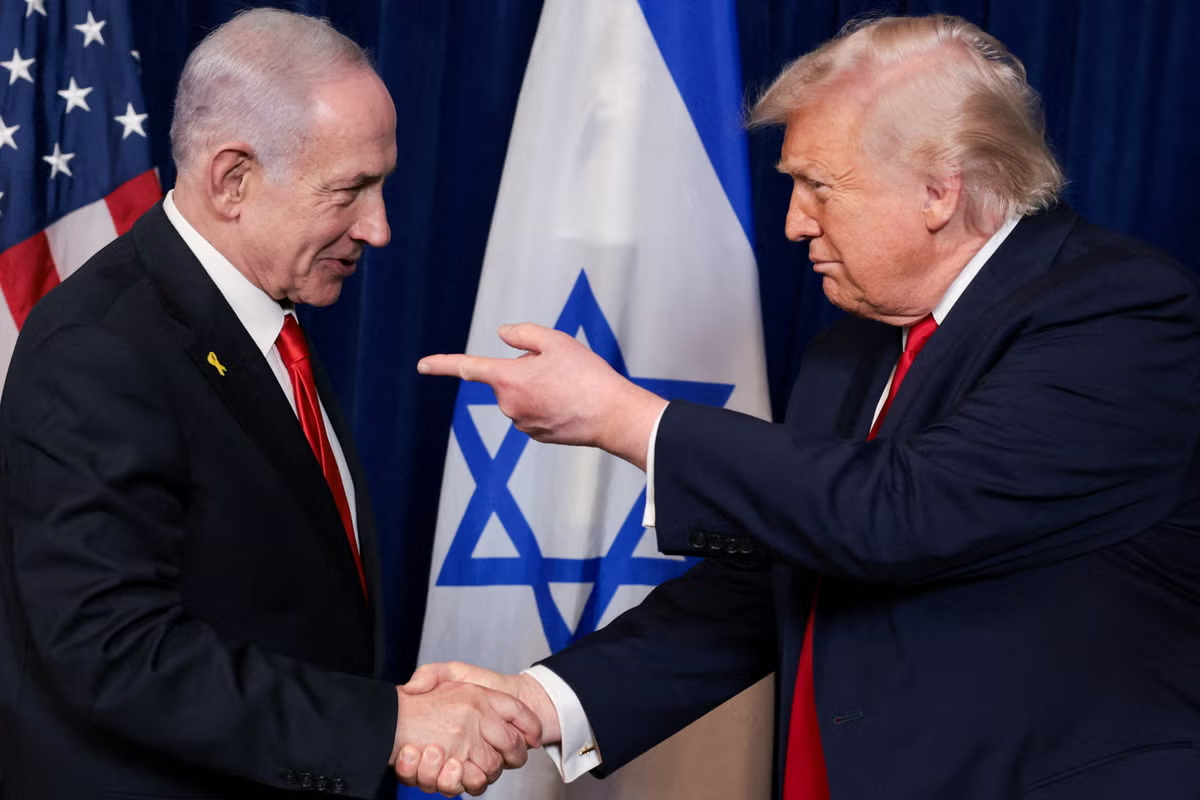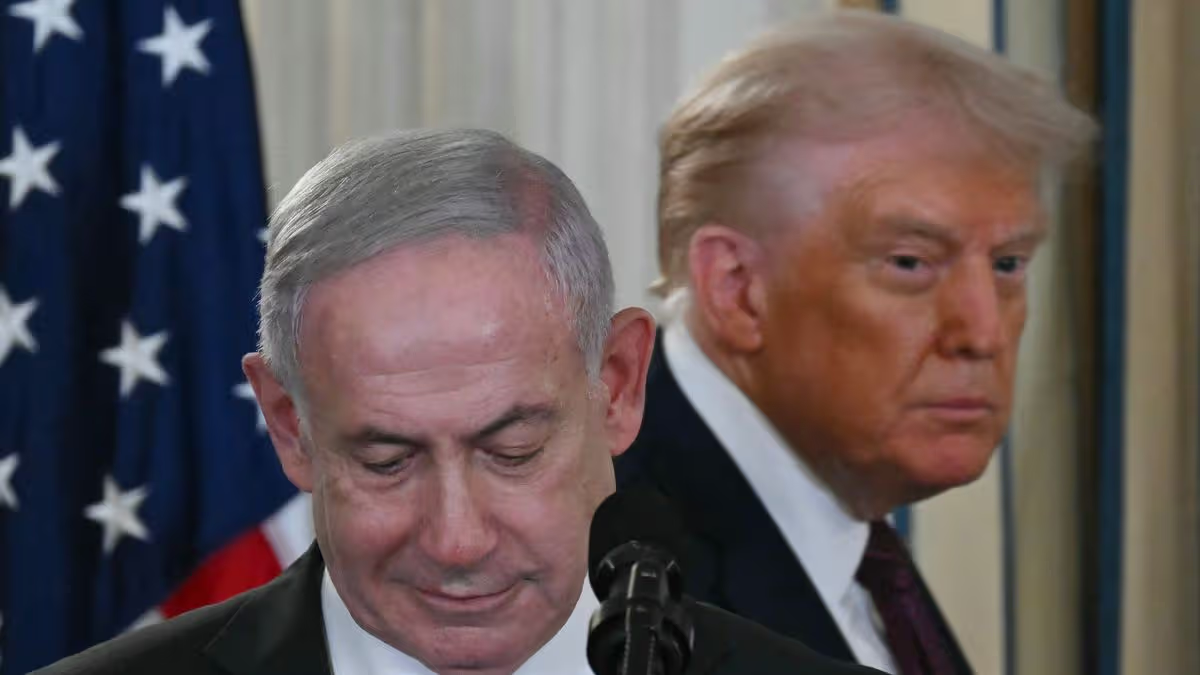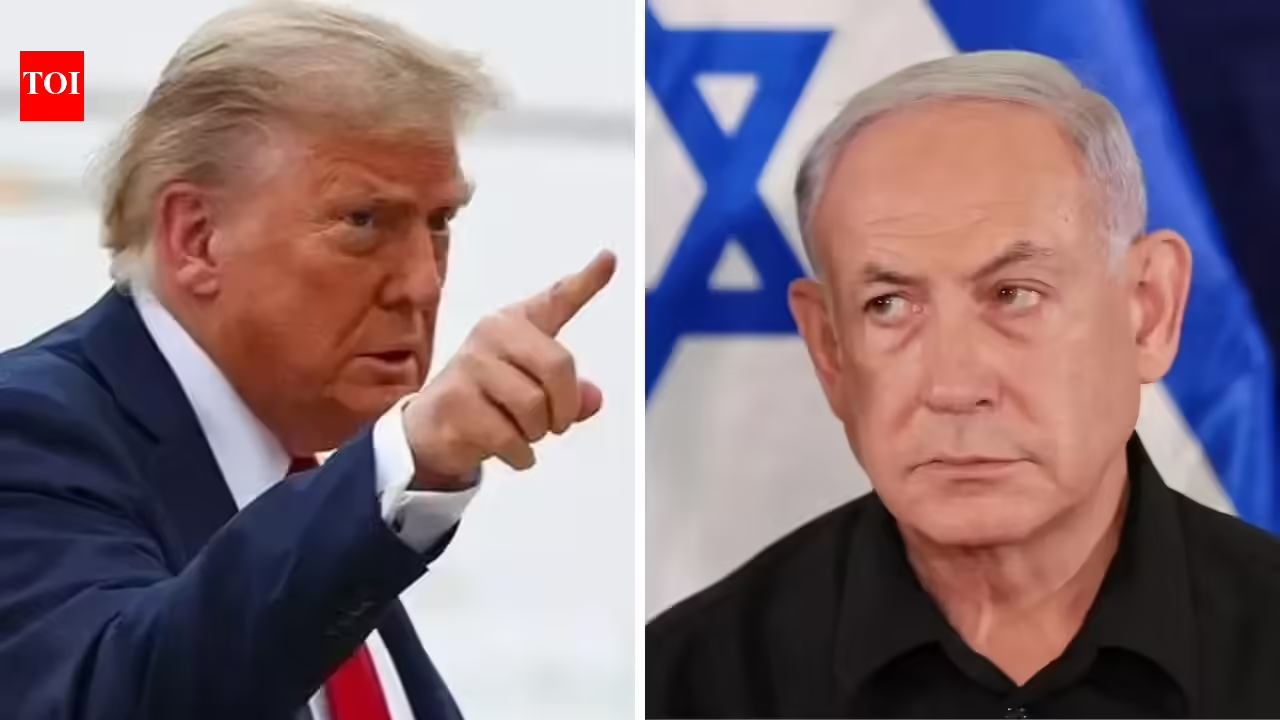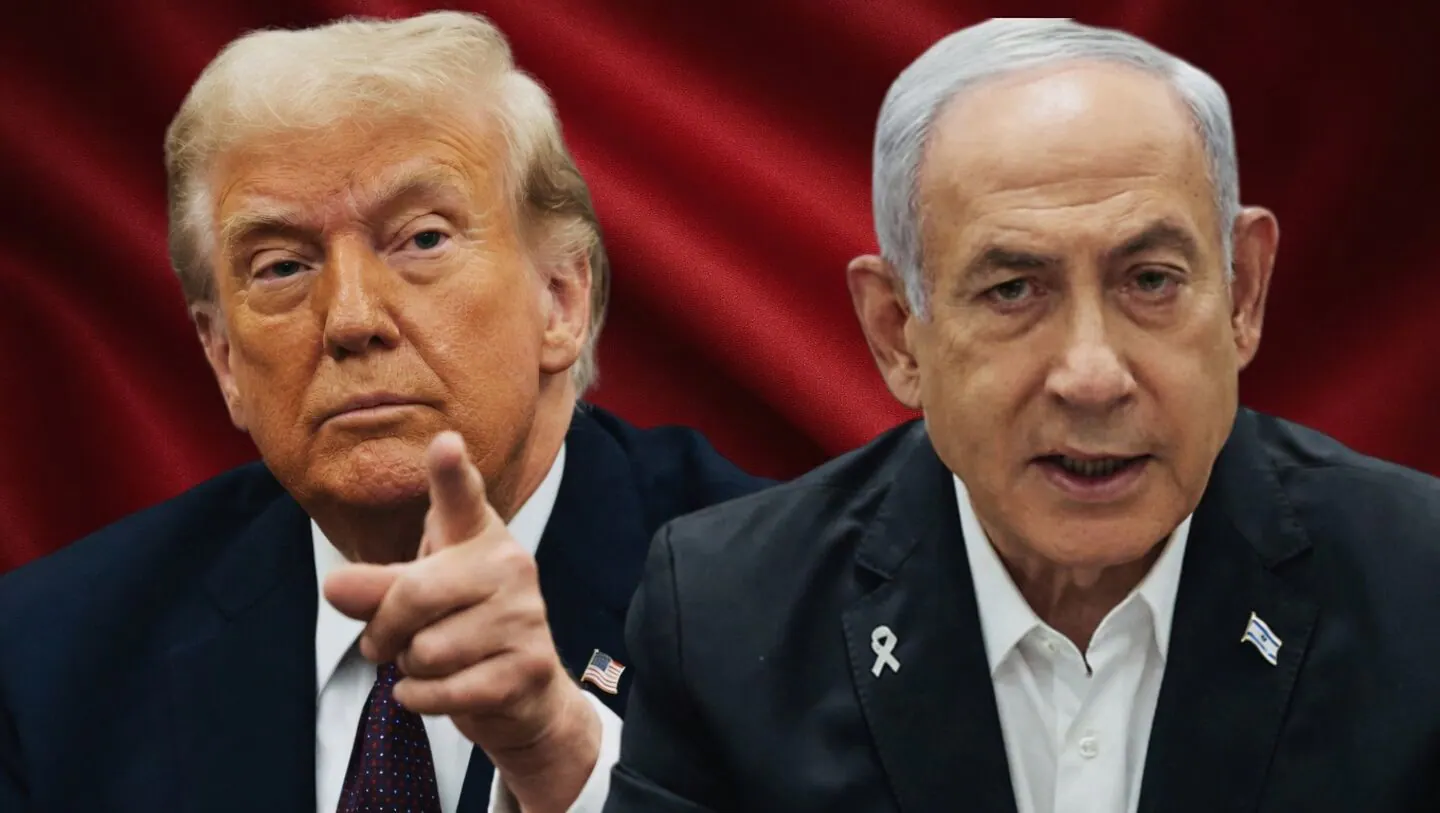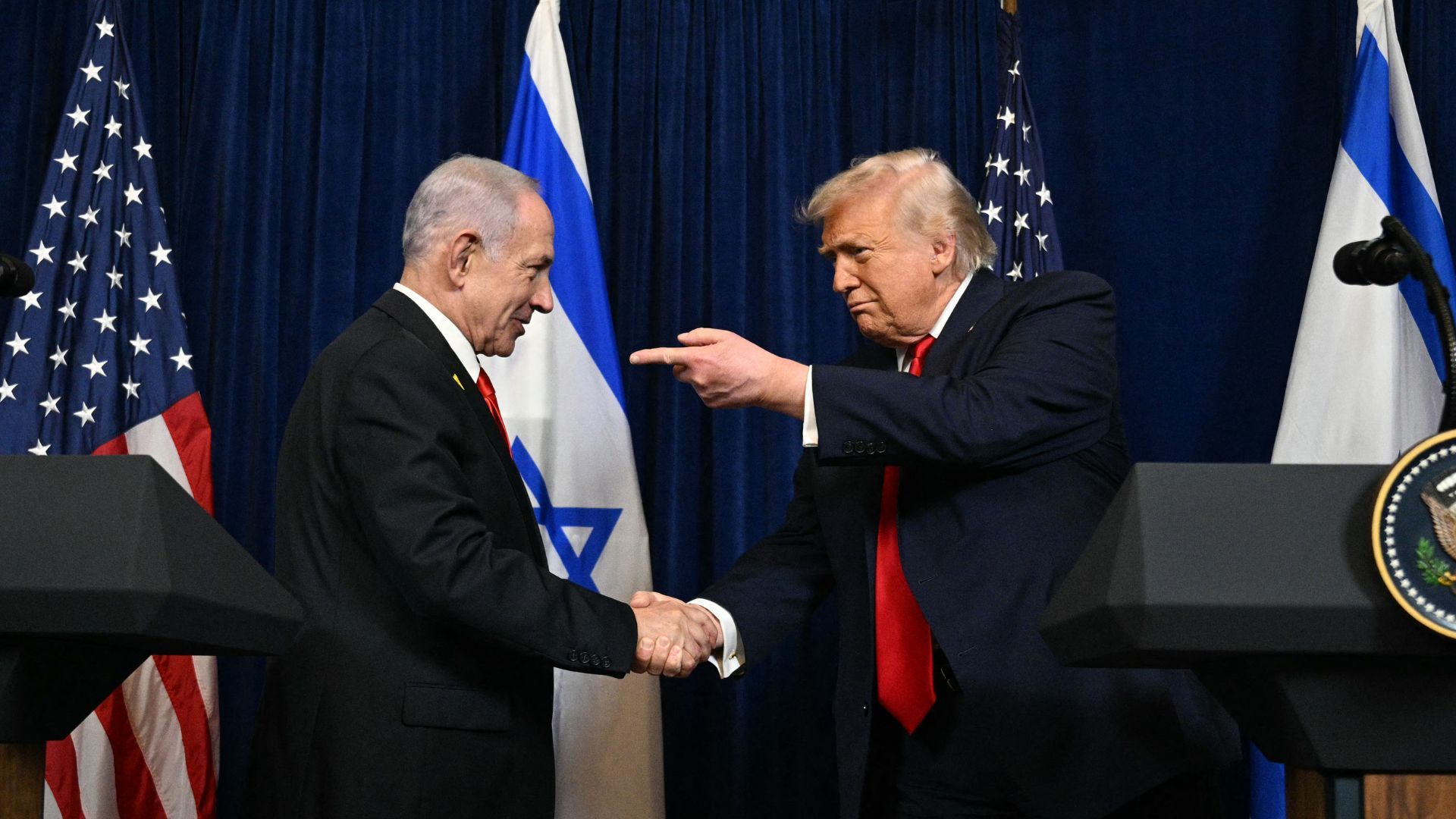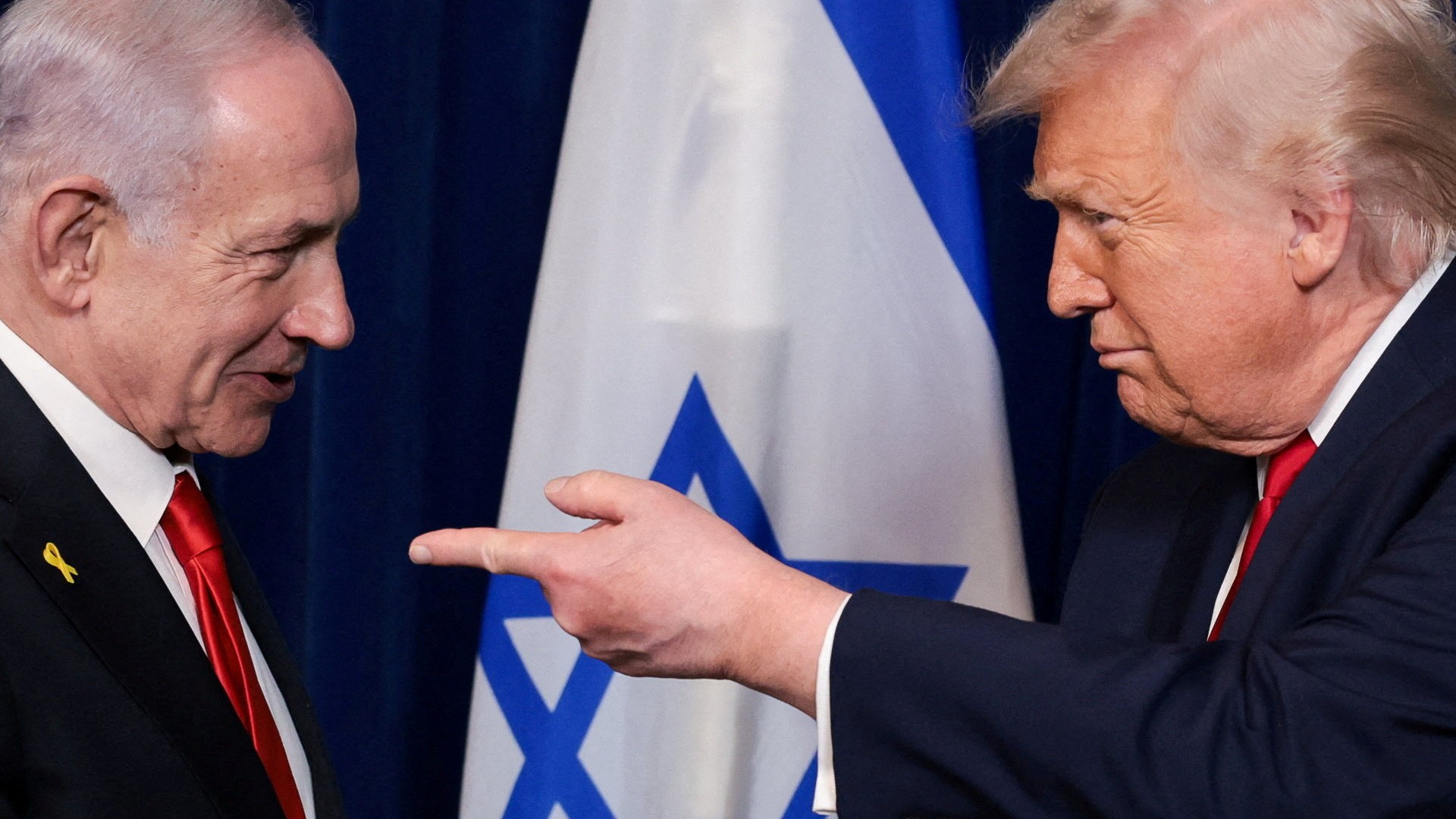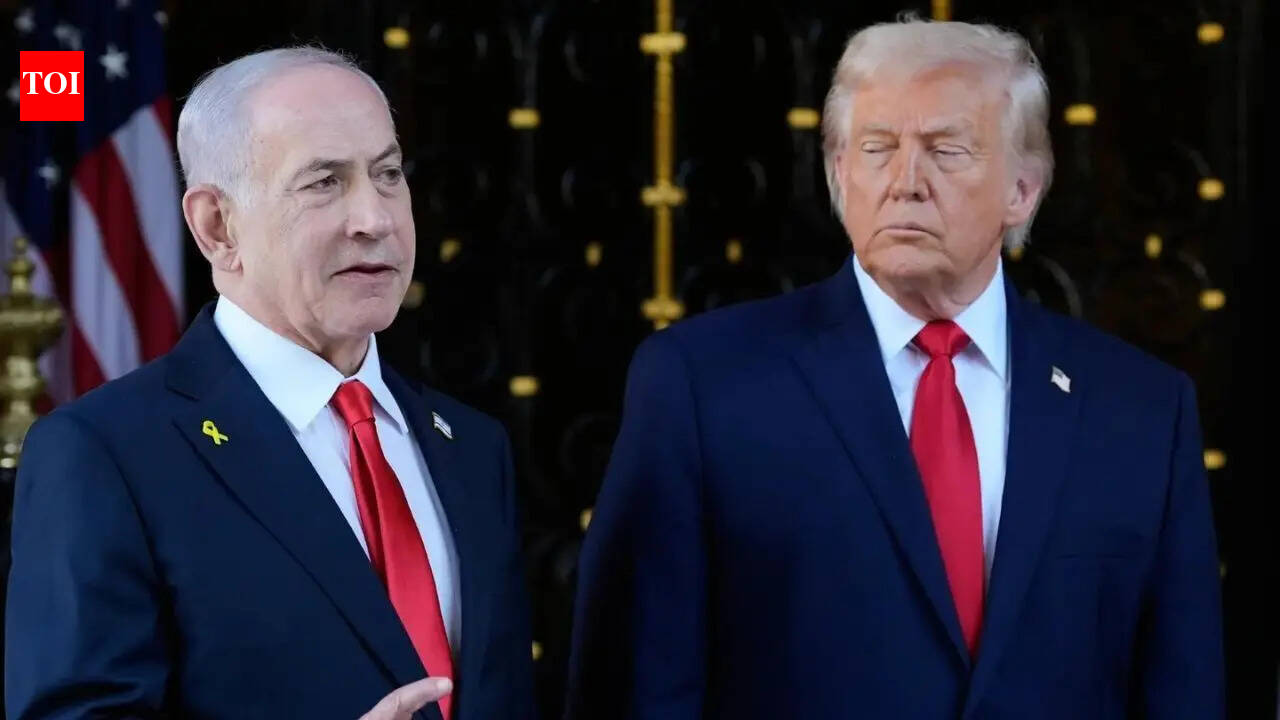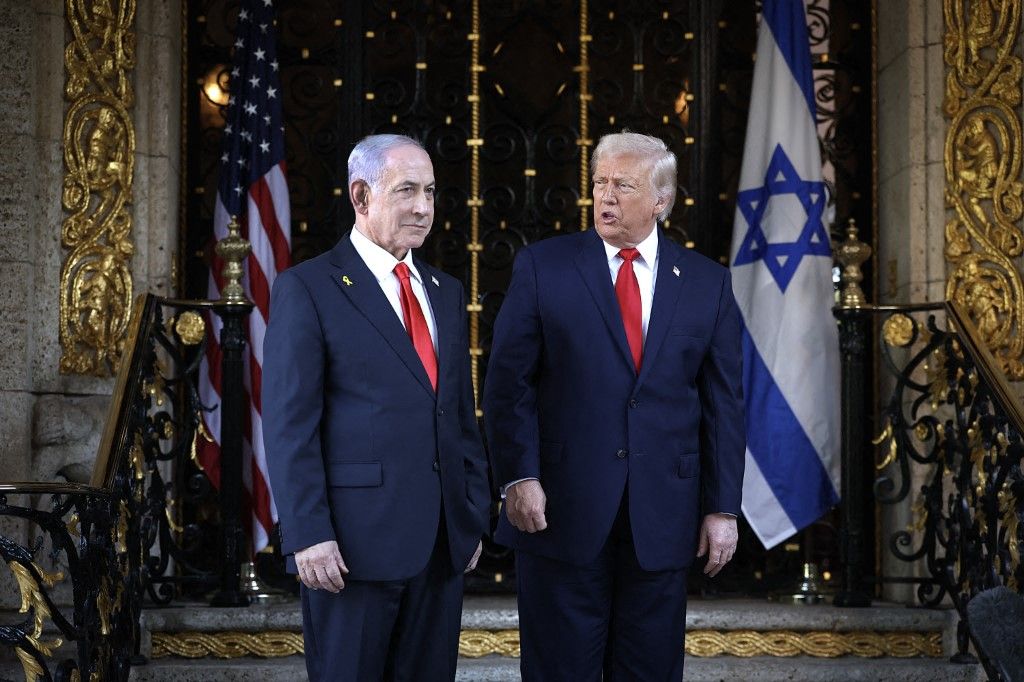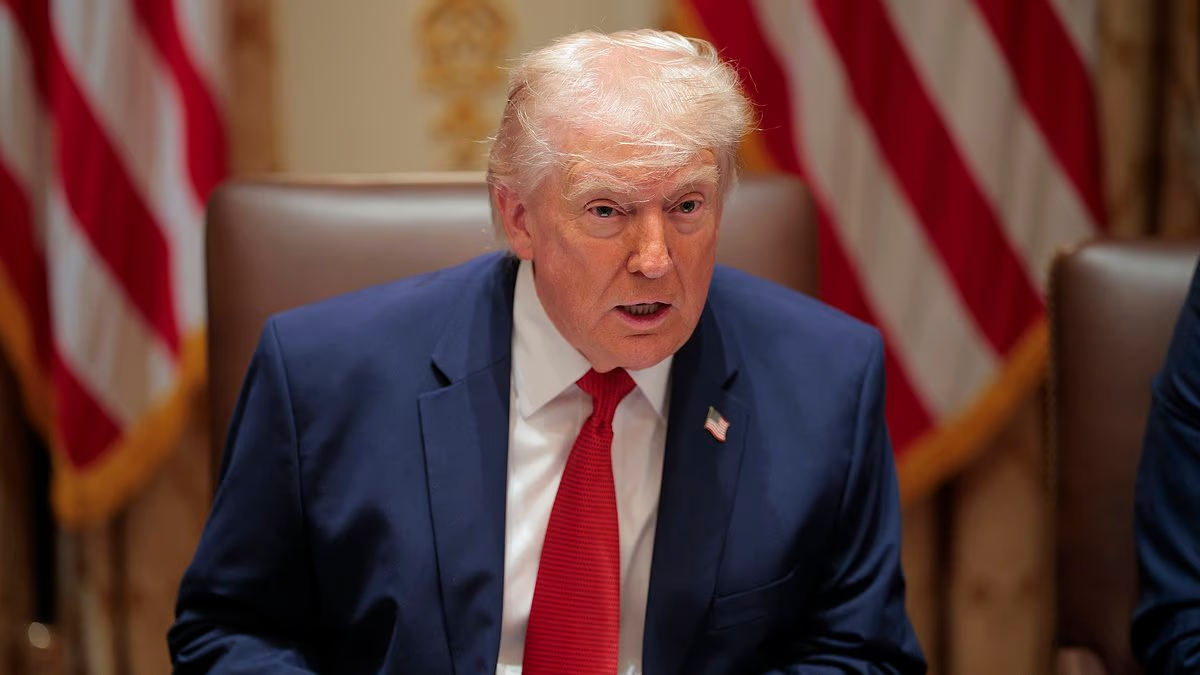
New details have emerged from the fiery phone call that took place between Donald Trump and Benjamin Netanyahu on Monday night.In an expletive-laden exchange, the US president is said to have told the Israeli leader that he was 'f***ing crazy' and that 'everybody hates Israel', amid the escalating conflict in Lebanon between Tel Aviv and Hezbollah.'You'd be in prison if it weren't for me. I'm saving your ass. Everybody hates you now,' Trump allegedly said.The tense call came just before the US president announced on Truth Social that the Israeli prime minister 'turned his troops around' instead of conducting a 'major raid' on Lebanon.A senior official in Netanyahu's team has denied the claims, first published by Axios, insisting 'Trump did not make personal remarks about jail or claim Netanyahu is hated globally'.According to Amit Segal from Israel's Channel 12, 'the tense call focused on conflicting social media posts'.'Trump felt Netanyahu implied the war was continuing at full intensity, while Netanyahu felt Trump implied a total ceasefire,' he said, citing an unnamed official.'Trump did note that defending Israel’s global position is difficult and breeds hatred. Ultimately, the call ended with an understanding: Israel will hold off on striking Beirut as long as it is not attacked within its own borders.' Smoke rises after an Israeli strike on Arnoun village in Nabatieh Governorate, southern Lebanon, June 1 US president Donald Trump speaks during a Cabinet meeting in the Cabinet Room of the White House on March 26 Israeli Prime Minister Benjamin Netanyahu speaks during a press conference, amid the US-Israel conflict with Iran, in Jerusalem, March 19Netanyahu ordered attacks on the Hezbollah-controlled southern suburbs of Beirut on Monday, signalling the risk of further escalation in a war that has complicated mediation towards resolving the US-Iran conflict. Iranian state TV later said a ceasefire agreed between Tehran and Washington was very likely to end if Israeli attacks persisted in Lebanon, where war has raged since Hezbollah entered the regional conflict on the Islamic Republic's side on March 2.Sources briefed Axios that Trump's rage on the phone call was driven by a belief that Israel's actions were making it harder to forge a peace deal with Iran.One told the outlet that the US president was 'pissed' during the call and at one point yelled at Netanyahu: 'What the f*** are you doing?'But shortly after the exchange, Trump took to Truth Social to announce that both the Israeli military and Hezbollah had agreed to 'stop shooting' at one another. 'I had a conversation with Bibi Netanyahu today, asking him not to go into a major raid of Beirut, Lebanon. He turned his Troops around. Thank you Bibi!' the US president wrote.'I also had a conversation with Representatives of the Leaders of Hezbollah, and they agreed to stop shooting at Israel, and its soldiers. Likewise, Israel agreed to stop shooting at them. Let’s see how long that lasts — Hopefully it will be for ETERNITY!'Netanyahu later appeared to cast doubt on Trump's claim of a ceasefire, saying that his country would strike Beirut if Hezbollah doesn't stop attacking Israel.'I spoke this evening with President Trump and told him that if Hezbollah does not cease attacking our towns and our citizens, Israel will strike terrorist targets in Beirut,' Netanyahu said, according to a statement released by his office.Lebanese authorities say more than 3,400 people have been killed in the country as a result of Israeli attacks since March 2, when Hezbollah opened fire at Israel.Israel says 24 of its soldiers and four civilians have been killed over the same period. A neighbour walks through the rubble caused by an Israeli airstrike on May 26 in Tyre, LebanonIran is reviewing a proposed agreement with the White House to halt their war, Iranian media reported on Tuesday, more than three months after the conflict began.The war has hardened into a stalemate while efforts to negotiate an interim deal have proved inconclusive, leaving the Strait of Hormuz largely shut. Iran has not yet responded to a proposed final text of the temporary deal, and was taking a 'stern' approach given what it sees as a history of US non-compliance and longstanding mistrust, Mehr News Agency cited a source as saying. Trump said on Monday that negotiations with Iran were continuing and there would be a deal over the next week to extend a ceasefire agreed in early April and reopen the Strait of Hormuz. Since mid-March, the US president has repeatedly said he is close to signing a peace agreement, though any such deal would postpone thorny issues including the future of Iran's nuclear programme. A ceasefire has largely held since early April, but Iran and the US have exchanged strikes several times over the past week. Oil prices fell more than one per cent on Tuesday, paring the previous day's sharp gains. A senior International Energy Agency (IEA) official warned that global oil inventories could hit historically low levels. 'We're seeing stock draws continuing into the summer, and with the possibility or the likelihood that we reach critical levels or historical low levels just ahead of the peak summer demand,' said Toril Bosoni. It could take six to eight months in the best-case scenario to reopen the Strait of Hormuz if an agreement was reached today, Bosoni said at the S&P Global Energy Middle East Petroleum and Gas Conference in London.That could make a further IEA-coordinated emergency stock release a possibility, but that is not currently being discussed as around half of the initial 400-million-barrel coordinated release from March is yet to hit the market, she added.'In any case, emergency stock releases are only a temporary stop-gap measure, they're not going to solve this problem. The scale of the supply losses are so big that the reduction would have to come from the demand side,' Bosoni said.
Trump and Netanyahu 'argued about each other's social media posts'
New details have emerged from the fiery phone call that took place between Donald Trump and Benjamin Netanyahu on Monday night.
TL;DRAI
Trump and Netanyahu disputed social media posts on Israel's Lebanon ops; Trump blocked Beirut raids, Netanyahu reserved strike rights. Tensions threaten US-Iran ceasefire and Strait of Hormuz closure, affecting oil prices and IT supply chain costs.
968 words~4 min read