Commentary
In addition to raising prices, companies also reined in labour costs to cover the expense of tariffs, says Robert Burgess for Bloomberg Opinion.
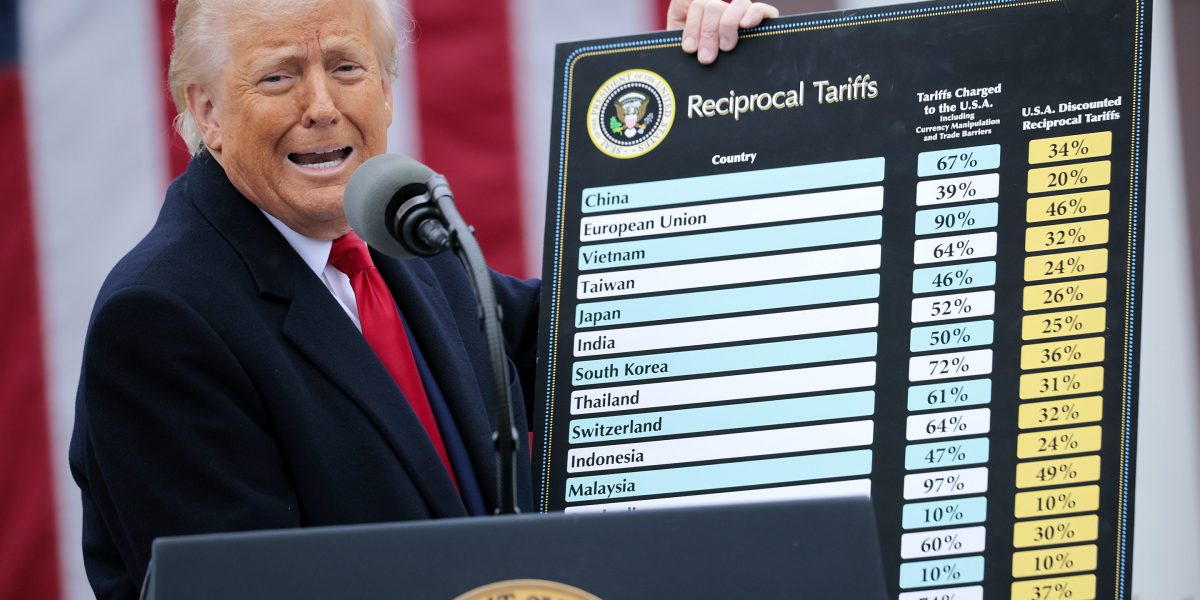
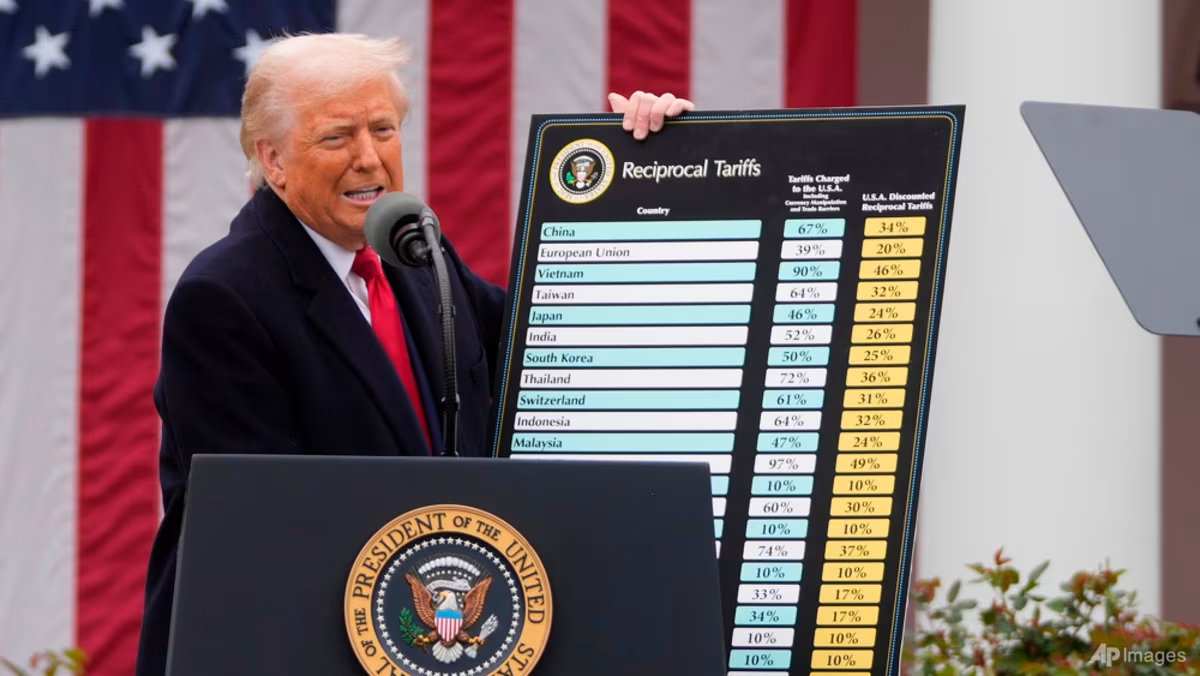
FILE - President Donald Trump speaks during an event to announce new tariffs in the Rose Garden at the White House on April 2, 2025, in Washington. (AP Photo/Mark Schiefelbein, File)
03 Jun 2026 05:59AM
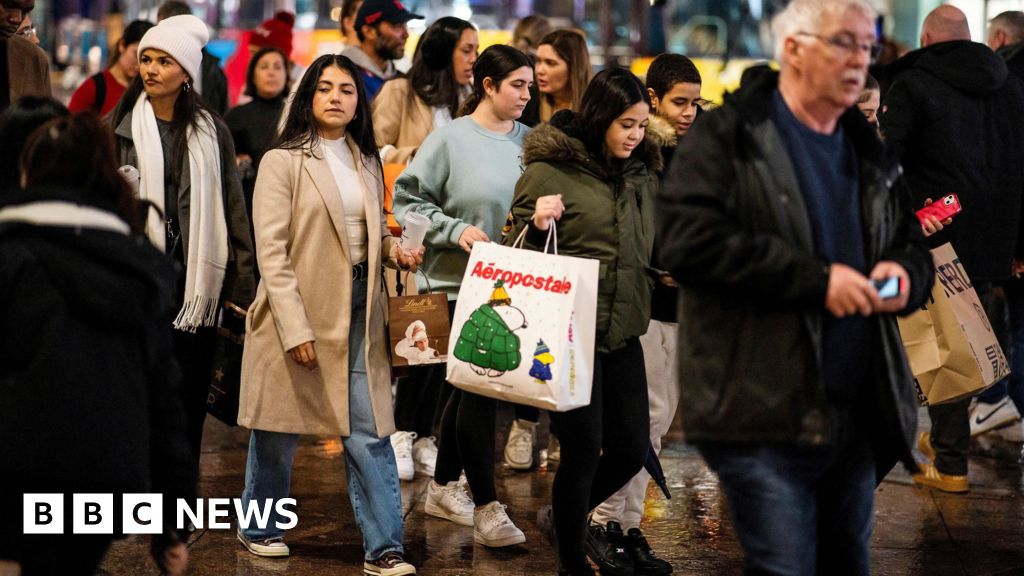
NEW YORK: It’s widely understood that the Trump administration’s ill-conceived decision back in April 2025 to impose broad “reciprocal” tariffs on US imports from around the world, even on an island inhabited only by penguins, has made the goods that Americans buy more costly. Need new dishes? Those prices were up 15.4 per cent in April from a year earlier. A men’s shirt? Up 7.7 per cent. Some jewellery for a significant other? Up 16.1 per cent. Accessories for your personal computer? Up 13.9 per cent.Now that we have a year’s worth of data to analyse, we’re finding that the levies have had the opposite effect on the wages of US workers, suppressing earnings growth and helping to explain why, more than ever, Americans say this economy isn’t working for them. It’s also why President Donald Trump’s approval rating has steadily fallen to below 40 per cent from 52 per cent at the start of his second term as measured by Real Clear Politics’ average of polls.