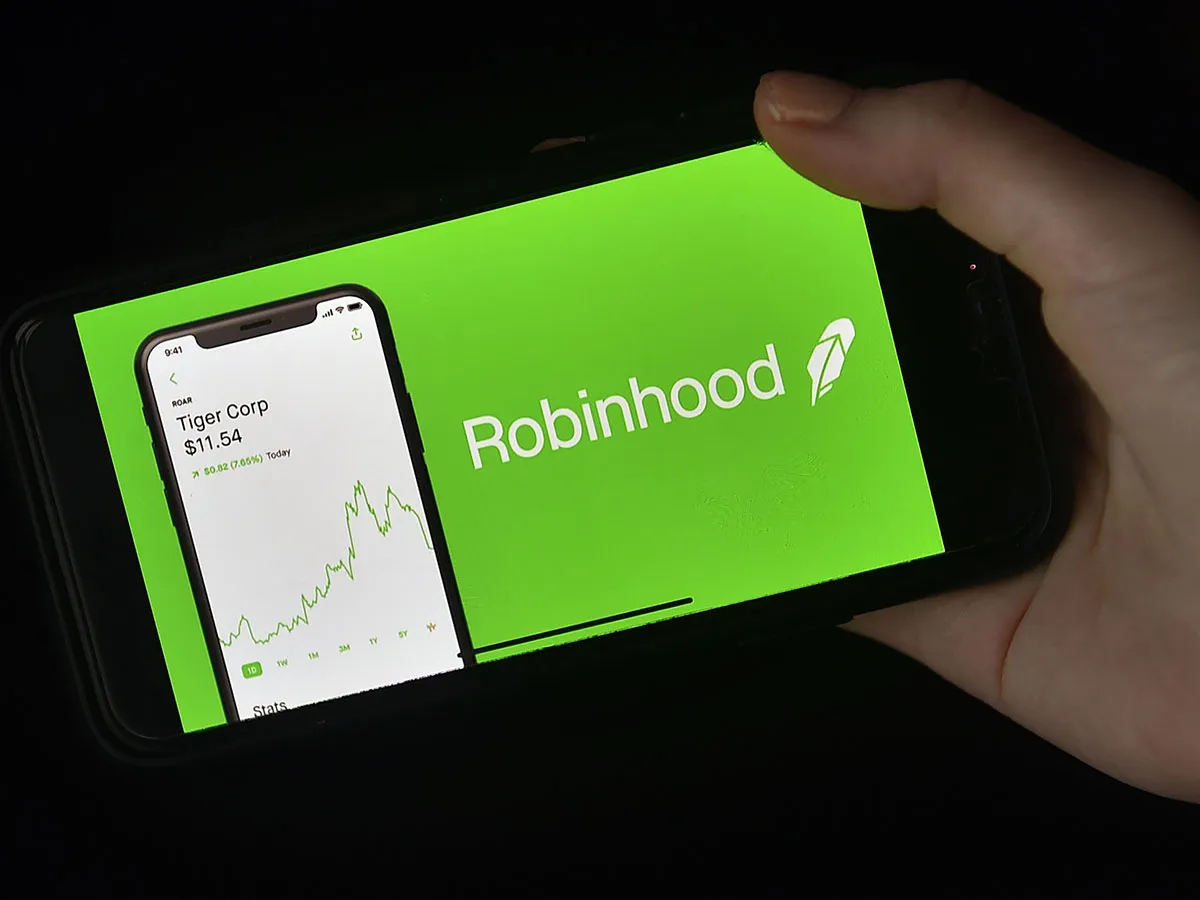
Skip to Content News Archives Economy Energy Oil & Gas Renewables Electric Vehicles Mining Commodities Agriculture Real Estate Mortgages Mortgage Rates Finance Banking Insurance Fintech Cryptocurrency Work Wealth Smart Money Wealth Management Investor Personal Finance Family Finance Retirement Taxes High Net Worth FP Comment Executive Women Puzzmo Newsletters Financial Times Business Essentials More Innovation Information Technology FP500 Podcasts Small Business Lives Told Tails Told Shopping Financial Post Store Obituaries Place a Notice Advertising Advertising With Us Advertising Solutions Postmedia Ad Manager Sponsorship Requests Classifieds Place a Classifieds ad Working Profile Settings My Subscriptions Saved Articles My Offers Newsletters Customer Service FAQ News Economy Energy Mining Real Estate Finance Work Wealth Investor FP Comment Executive Women Puzzmo Newsletters Financial Times Business Essentials HomeFinanceCryptocurrencyInvestorRobinhood trading comes to Canada, but what does that mean for investors?Canadians won't be able to trade stocks on its popular platform anytime soonLast updated 1 hour ago You can save this article by registering for free here. Or sign-in if you have an account.The Robinhood Markets Inc. app shown on a cell phone. Photo by Scott Olson/Getty Images filesCalifornia-based financial services company Robinhood Markets Inc. completed its purchase of Toronto-based cryptocurrency trading platform WonderFi Technologies Inc. for $250 million this week, but that doesn’t mean Canadians will be able to trade stocks on its popular platform anytime soon.Subscribe now to read the latest news in your city and across Canada.Exclusive articles from Barbara Shecter, Joe O'Connor, Gabriel Friedman, and others.Daily content from Financial Times, the world's leading global business publication.Unlimited online access to read articles from Financial Post, National Post and 15 news sites across Canada with one account.National Post ePaper, an electronic replica of the print edition to view on any device, share and comment on.Daily puzzles, including the New York Times Crossword.Subscribe now to read the latest news in your city and across Canada.Exclusive articles from Barbara Shecter, Joe O'Connor, Gabriel Friedman and others.Daily content from Financial Times, the world's leading global business publication.Unlimited online access to read articles from Financial Post, National Post and 15 news sites across Canada with one account.National Post ePaper, an electronic replica of the print edition to view on any device, share and comment on.Daily puzzles, including the New York Times Crossword.Create an account or sign in to continue with your reading experience.Access articles from across Canada with one account.Share your thoughts and join the conversation in the comments.Enjoy additional articles per month.Get email updates from your favourite authors.Create an account or sign in to continue with your reading experience.Access articles from across Canada with one accountShare your thoughts and join the conversation in the commentsEnjoy additional articles per monthGet email updates from your favourite authorsSign In or Create an AccountorThe deal was initially announced almost a year ago and is a relatively small one, given that Robinhood has a market cap of around US$78 billion, bigger than most Canadian companies.It also isn’t Robinhood’s first foray into Canada since it established an engineering division and Canadian headquarters in Toronto in 2024 and has about 240 employees there.Canada's best source for investing news, analysis and insight.By signing up you consent to receive the above newsletter from Postmedia Network Inc.A welcome email is on its way. If you don't see it, please check your junk folder.The next issue of Investor will soon be in your inbox.We encountered an issue signing you up. Please try againWonderFI shares will be delisted from the Toronto Stock Exchange on Tuesday.But what does this mean for Canadian investors and competition in the country’s financial sector? Here’s what you need to know.Founded in 2013, Robinhood entered the market with the goal of allowing investors to trade without paying commissions. The company in 2014 said institutional investors can access public markets for dramatically cheaper prices than the rest of the public and that there was something inherently wrong with that dynamic.It launched an iPhone app in 2014 and boosted its presence on Android phones in 2015. By August 2015, the company reported transactions worth US$1 billion through its platform. In 2019, the company allowed its users to invest in fractional shares, enabling users to invest in expensive stocks.The company gradually introduced an array of financial products, such as retirement accounts, options trading, cryptocurrency trading and the stock market. It surged in popularity during the COVID-19 pandemic as Americans started to invest from home.Users downloaded the app for its simplicity and ability to start trading in a matter of seconds, CNBC said in 2020.Robinhood offers plenty of financial products in the United States, but its offerings in the Canadian market will be exclusively focused on cryptocurrency, spokesperson Garret Shaw said in a statement.By buying WonderFi, Robinhood now owns cryptocurrency platforms Bitbuy and Coinsquare, and customers using those apps will be invited to board Robinhood in the coming weeks.“The Robinhood app will be generally available on app stores in the coming weeks, though the immediate priority is the onboarding of existing customers,” he said.Customers will be unlocking access to the Robinhood ecosystem, including lower costs with a transparent, flat 0.5 per cent fee per Canadian trade, and a best-in-class user interface, the company said in a separate statement on Monday.Robinhood is expanding its services in Canada at a time when the Canadian government is looking to encourage more competition in the financial sector by introducing a series of measures — from cutting fees to simplifying the process of switching chequing accounts — to encourage alternative financial institutions such as fintechs to grow.If Robinhood does expand its services in Canada, the company that built its reputation by offering low-cost trading options through its apps could compete with alternative financial services such as Wealthsimple Inc. and the investing divisions of major banks. For now, however, the company hasn’t announced any such plans. Get the latest from Naimul Karim straight to your inbox Join the Conversation This website uses cookies to personalize your content (including ads), and allows us to analyze our traffic. Read more about cookies here. By continuing to use our site, you agree to our Terms of Use and Privacy Policy.
Robinhood trading comes to Canada, but what does that mean for investors?
Robinhood completed its purchase of WonderFi Technologies for $250 million this week. Here's what that means for Canadian investors. Read on
1,010 words~5 min read