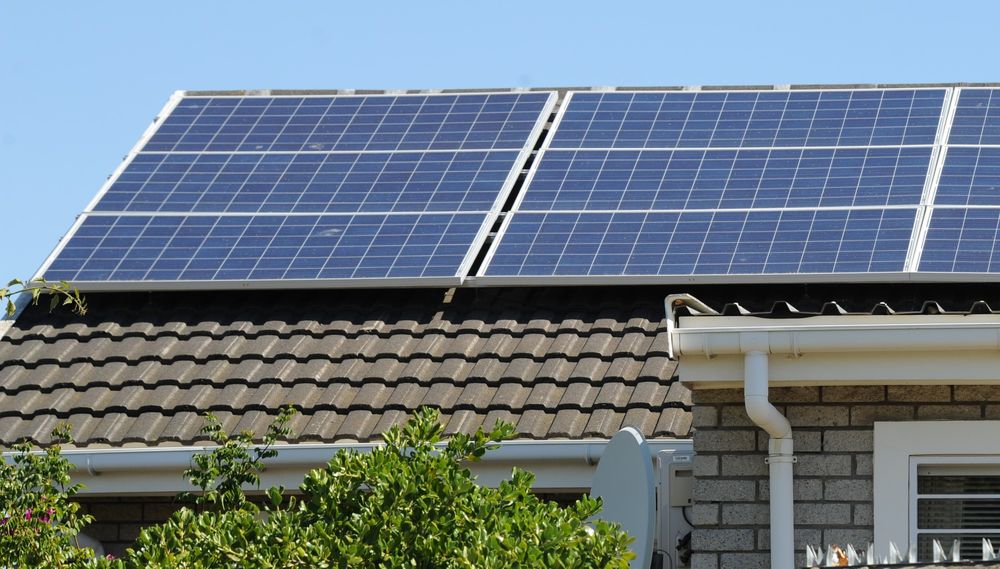
As households and businesses with capital increasingly move towards renewable energy (solar + batteries), Eskom is left serving a shrinking base of paying customers while remaining responsible for electricity as a social good.
This dynamic places upward pressure on tariffs, weakens cross-subsidization, and fuels a growing perception that renewable energy benefits only those who can afford it. According to the Mzansi Energy Consortium, the clean energy transition risks becoming socially and economically divisive. A paradox where environmentally clean power entrenches socially dirty inequality.
Equipment Import Taxation Policy Misaligned with Global Industry Reality
Wessel Wessels, COO at Mzansi Energy Consortium and Founder and CEO of Journey2Green, says the government may be misguided in taxing the importation of equipment. “While the ambition to develop domestic manufacturing capacity is understandable, it is misaligned with the realities of the global renewable energy industry.
Solar panels, batteries, and inverters are produced at an enormous scale in highly automated facilities, particularly in Asia. A single modern production line can manufacture twice as many solar panels as South Africa consumes annually, employing as few as 50 people with robotics performing most of the work,” Wessels explains.