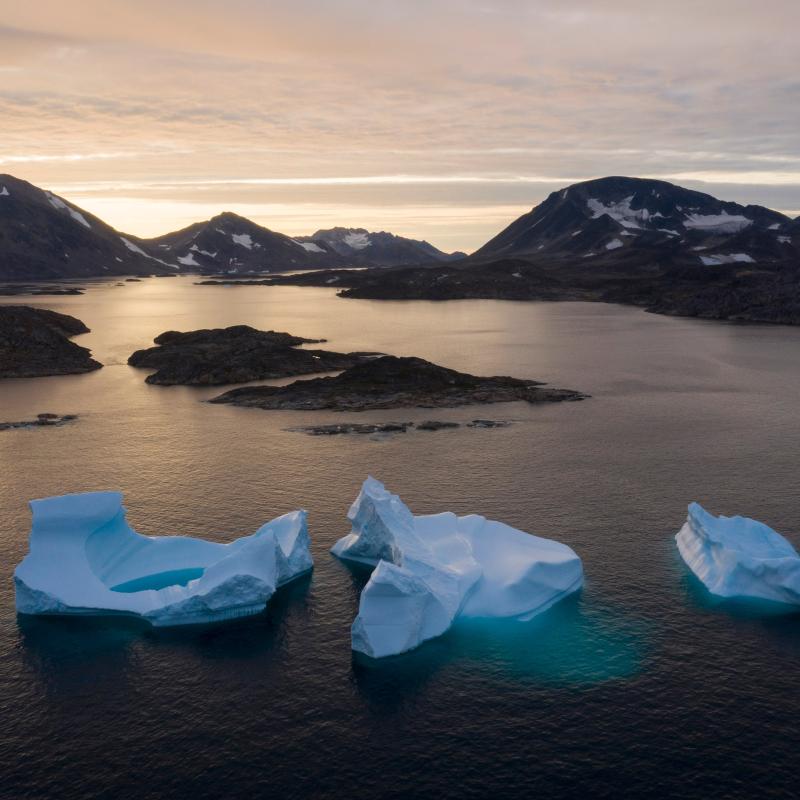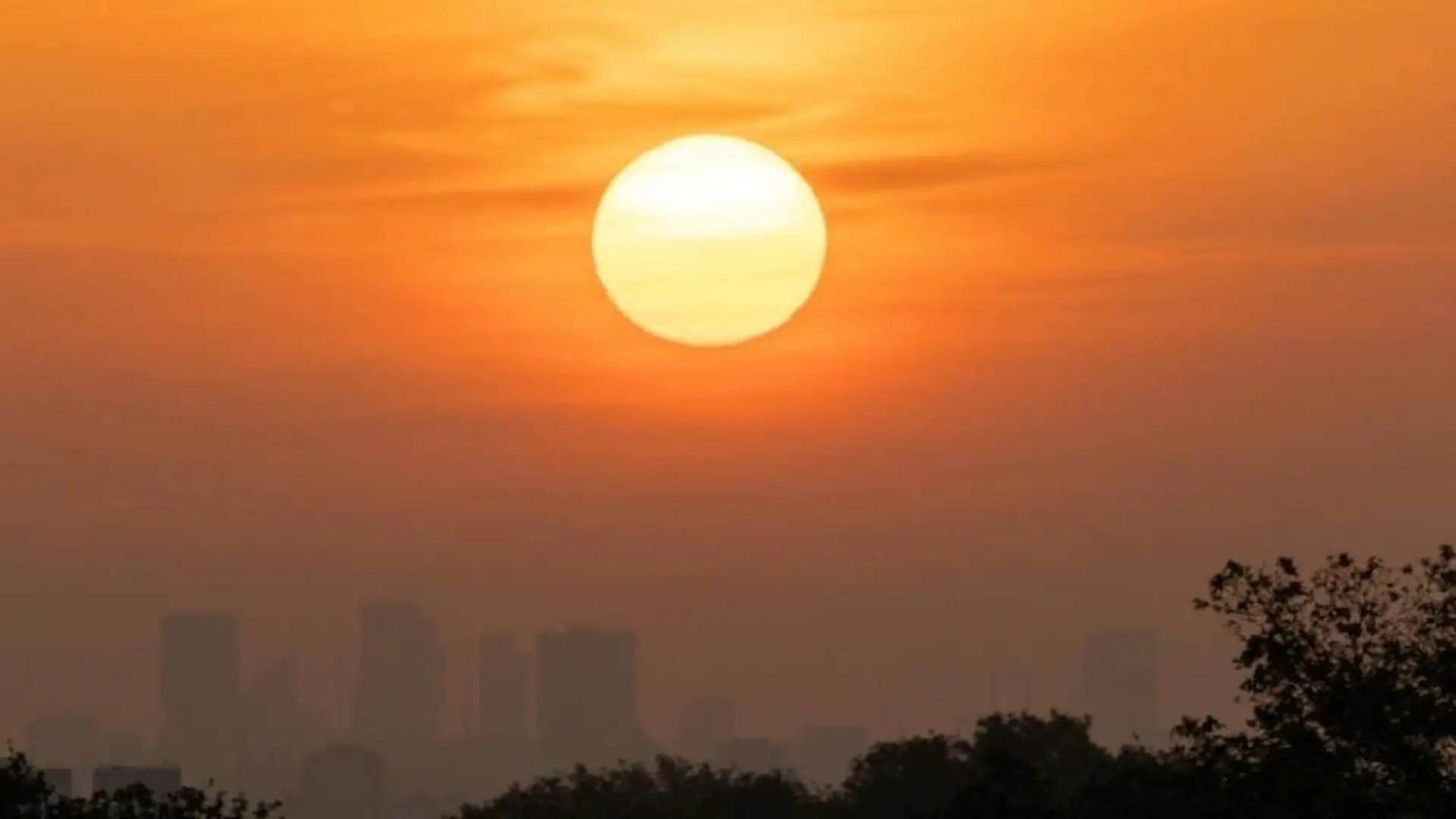
A visitor enjoys the Jungnang Rose Festival while holding a portable fan amid hot weather along the Jungnangcheon stream in Jungnang-gu, Seoul on May 15. (The Korea Herald/ Yoon Chang-bin) The world has an 86 percent chance of experiencing its hottest year on record between 2026 and 2030, according to a new report released by the World Meteorological Organization.The report, known as the Global Annual to Decadal Climate Update 2026-2035, was led by the UK Met Office and incorporated 250 climate model projections from 13 institutions worldwide, including the Korea Meteorological Administration.The WMO projected that the global average near-surface temperature from 2026 to 2030 will be between 1.3 and 1.9 degrees Celsius higher than preindustrial levels recorded between 1850 and 1900.Leon Hermanson, a scientist at the UK Met Office who led the report, said the next record-breaking year could come as soon as 2027, due to the anticipated return of El Nino conditions at the end of 2026.El Nino refers to a warming of sea surface temperatures in the eastern tropical Pacific Ocean and is typically associated with higher global temperatures.The WMO also estimated a 91 percent probability that at least one year between 2026 and 2030 will cross the 1.5-degree threshold.The likelihood has steadily risen in recent years. Previous WMO reports estimated the probability at 66 percent in 2023, 80 percent in 2024 and 86 percent in 2025.Scientists consider limiting warming to 1.5 degrees Celsius one of the central goals of the Paris climate agreement, warning that surpassing the threshold could trigger far more severe and rapid climate impacts worldwide.However, the 1.5-degree target is measured based on long-term averages over roughly 20 years, meaning that a single year above the threshold does not officially constitute failure to meet the Paris goals. Current long-term warming levels are estimated at around 1.36 to 1.41 degrees Celsius above preindustrial temperatures.The report also warned of continued rapid warming in the Arctic. Average Arctic winter temperatures over the next five years are projected to be 2.8 degrees Celsius higher than the 1991-2020 average, warming approximately 3.5 times faster than the global average.Arctic sea ice concentrations in areas including the Barents, Bering and Okhotsk seas are also expected to continue declining through 2035.
Earth is likely to break another heat record
The world has an 86 percent chance of experiencing its hottest year on record between 2026 and 2030, according to a new report released by the World Meteorologi
369 words~2 min read