Andrew Dawes / Unsplash
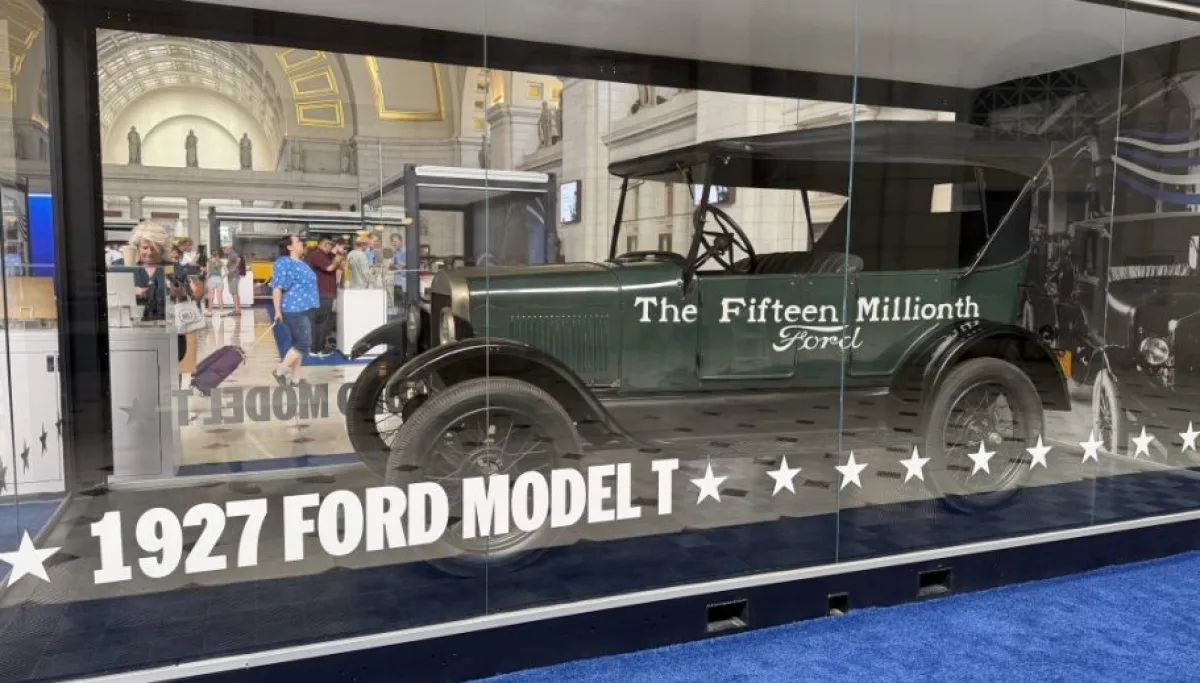
The history of the American automobile is inseparable from the history of the country itself. The assembly line that Henry Ford $F -2.89% refined in the early 20th century restructured industrial labor and made car ownership available to working families who could not have afforded it otherwise. The interstate highway system that followed reshaped how Americans understood distance, community, and daily life. The muscle cars of the 1960s and the fuel crises of the 1970s, the rise of Japanese imports and the collapse of Detroit’s middle class, the slow turn toward electrification: each phase of automotive history reflects something larger about the culture that produced it. A car museum, at its best, is less a collection of machines than a record of choices a society made about what it valued and how it wanted to move through the world.
That history is not exclusively American in origin. European manufacturers developed many of the foundational technologies that American automakers adapted and scaled, and the most complete picture of automotive development requires looking across the Atlantic as well as within domestic borders. The United States holds collections that span museums dedicated to European vehicles, those focused on American racing culture, Hollywood film cars, and presidential limousines, as well as the personal passion projects of collectors who spent decades assembling vehicles that no single manufacturer’s archive could replicate.