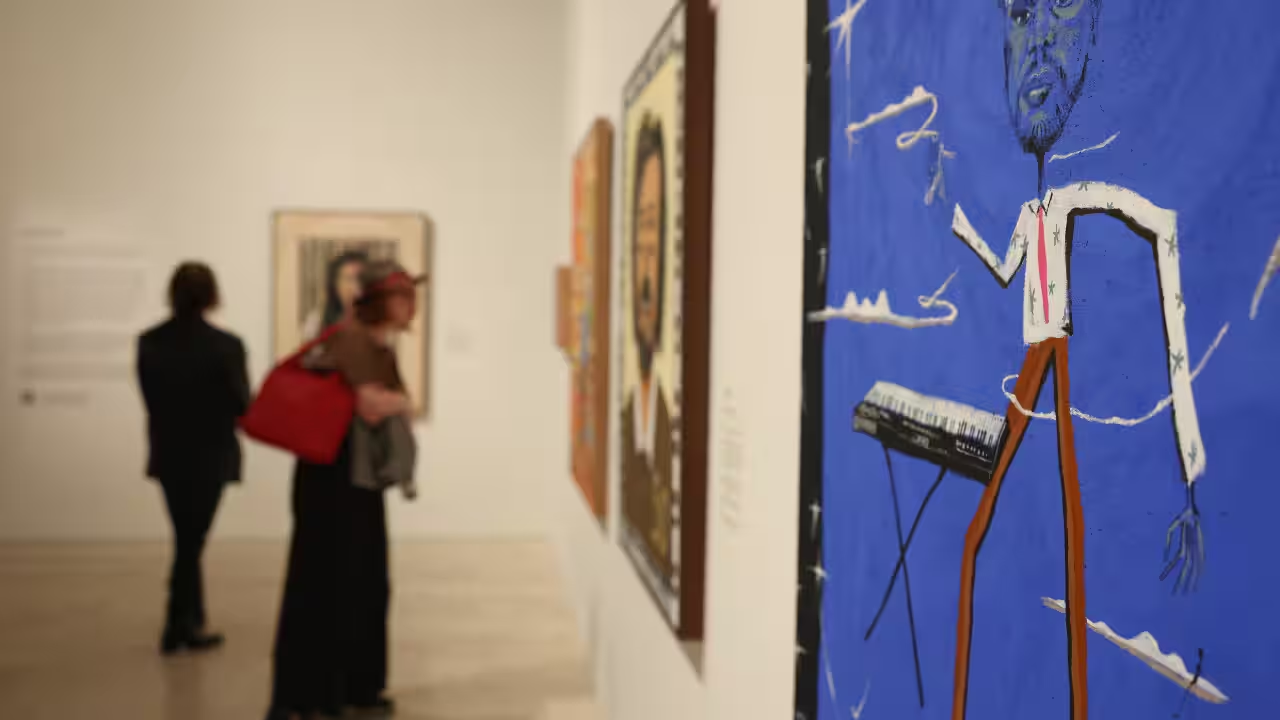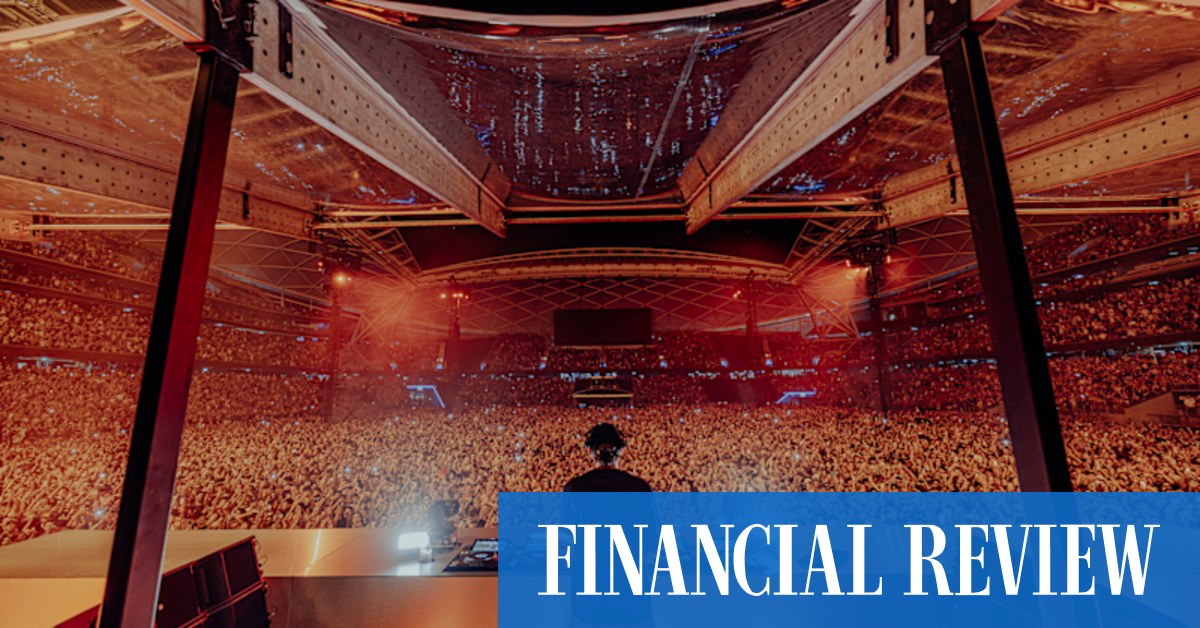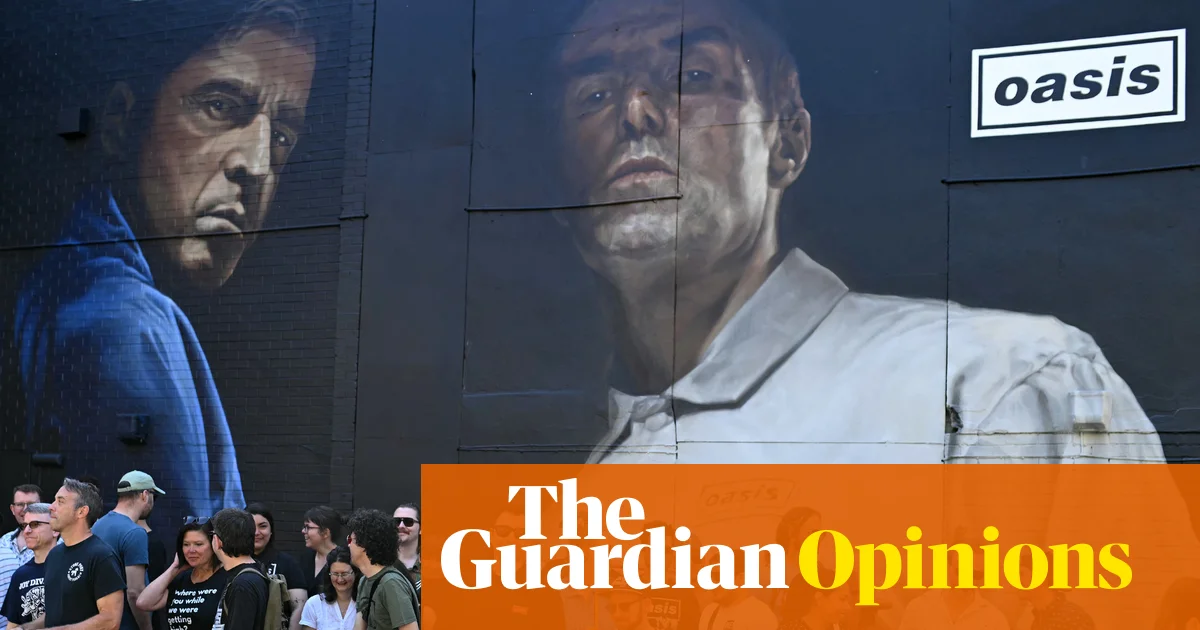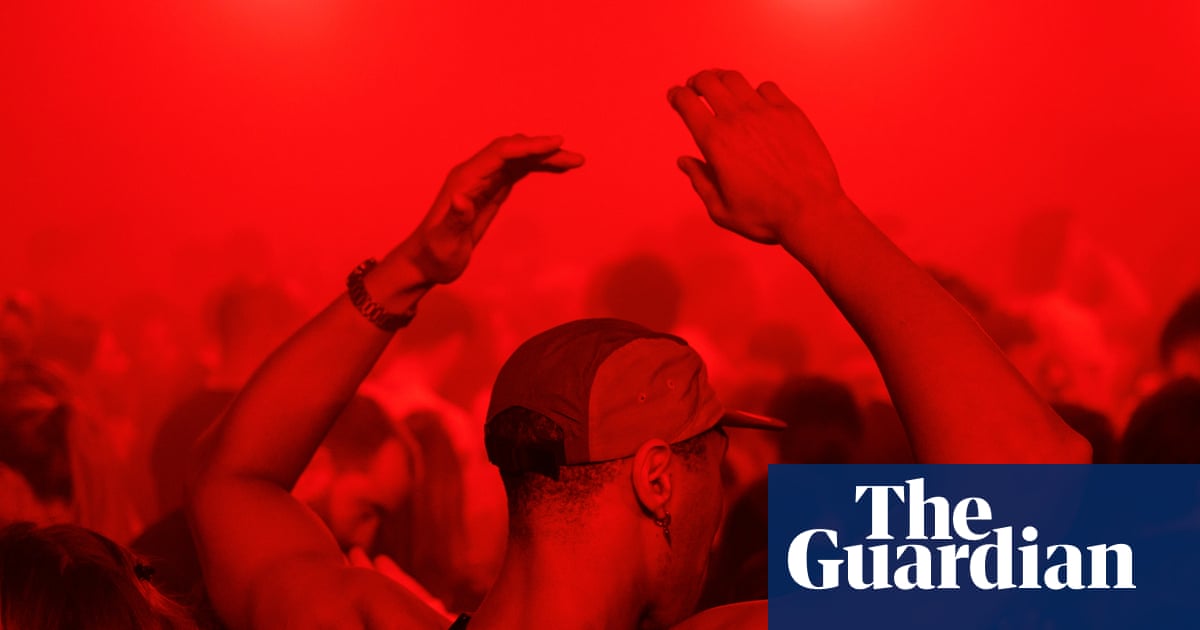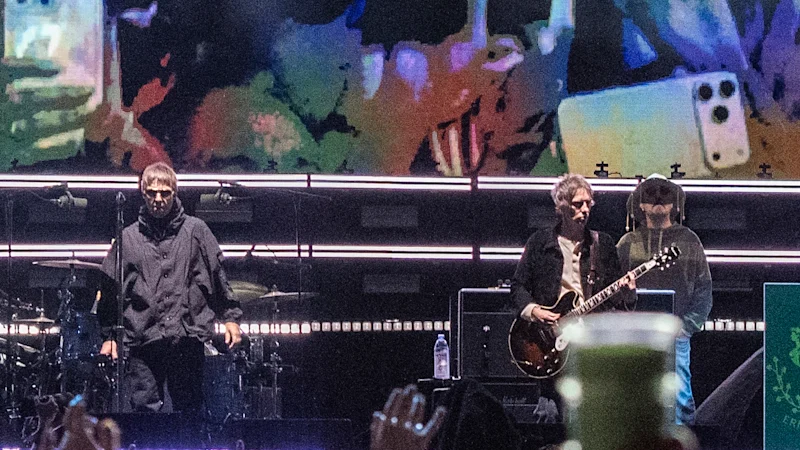
June 3, 2026 — 5:59amAustralians are rising from their couches and attending live blockbusters, arts events, concerts and festivals like never before, even in the face of an economic downturn.Fear of missing out and a desire for shared experiences are driving this boom, according to a landmark survey of 9000 Australians by Creative Australia. The research also found that dance and book lovers are among the most enthusiastic consumers of cultural entertainment.Australia wants to rock at any price. Steven SiewertHowever, active interest in First Nations art is declining — falling from 40 per cent to 37 per cent in three years — and audiences remain highly anxious about artificial intelligence in the arts and its impact on authentic experiences.Conducted since 2009, the National Arts Participation Survey serves as a crucial barometer for the sector’s health, informing federal policy, including its cultural review, Revive.Seventy-four per cent of Australians (15.4 million) reported attending an arts event or festival in the past year, up from 68 per cent in 2022. This represents an influx of 1.2 million new attendees since 2022, marking the highest attendance in the survey’s 17-year history.Music remains the most popular art form, with notable upswings in musical theatre, cabaret, and classical music. More Australians are listening to recorded music (up to 94 per cent) and streaming (up to 77 per cent), though fewer are purchasing it (down from 26 per cent to 20 per cent).More Australians report cost as a barrier – 60 per cent in 2025 compared to 55 per cent in 2022 – but audiences are still willing to break the bank for major shared cultural moments, eagerly buying tickets for massive touring acts such as AC/DC, Metallica, and Oasis.“Attending a live music event can sometimes be about more than just the music. It can also be about sharing historic moments,” the report said. “For many, it is not simply a personal connection to the artist that creates a desire to attend the live music event. It is also about participating in a larger phenomenon that is trending in real time.“For example, Oasis’s 2025 world tour, their first performance in Australia since 2005, offered more than just music – it provided an opportunity to be part of a rare moment in history, engendering nostalgia for ’90s rock as well as feelings of belonging and a sense of community.”Dance attendees are among the most loyal, with 31 per cent attending events at an impressive average of 14.5 times per year. “There appears to be a strong sense of connection that keeps them coming back,” said Rebecca Mostyn, Creative Australia’s research director, noting that dance audiences are also highly diverse. Across all art forms, audiences skew toward women, city dwellers, and those exposed to the arts in school.James Cook University researcher Dr Amanda Krause said live entertainment’s resilience made sense: “There is something about that in-person, unfolding in real-time excitement. If we go back a few years when there were these concerns around music piracy, [it] was predicted to be the end of purchasing albums, but people still bought the music, they still bought tickets to shows, so I think people will always value engagement in the arts.“It might mean having to spend more money or saving money, and maybe you aren’t going to go to as many shows, but you will prioritise the music you want to see. There’s actually some cool research that shows audience members at a music concert, their hearts beats in synch as one.”A striking 93 per cent of Australians harbour concerns about artificial intelligence in the arts, with 73 per cent questioning whether AI-generated works can even be considered “real” or authentic art.From our partners
‘Sharing historic moments’: What the Oasis tour taught us about our spending habits
More Australians are going out to arts events, concerts and festivals than ever before – but the news isn’t all good.
612 words~3 min read