One of the big surprises about the latest tender for long-duration firm capacity in Australia’s most advanced renewable energy grid was the fact that none of the six battery project winners were long-duration set-ups, at least at face value.
South Australia leads the country, and arguably the world, with a 75 per cent share of wind and solar in a grid that sits at the end of a long skinny network, and has a target of reaching 100 per cent “net” renewables by the end of 2027.
Its main challenge, given its ageing fleet of flexible gas capacity (built to back up its now shuttered coal generators), is to ensure it has enough “firm capacity” to fill the gaps when the system is in stress.
So late last year the state government put out a tender for new projects that can provide that capacity for a minimum of eight hours.
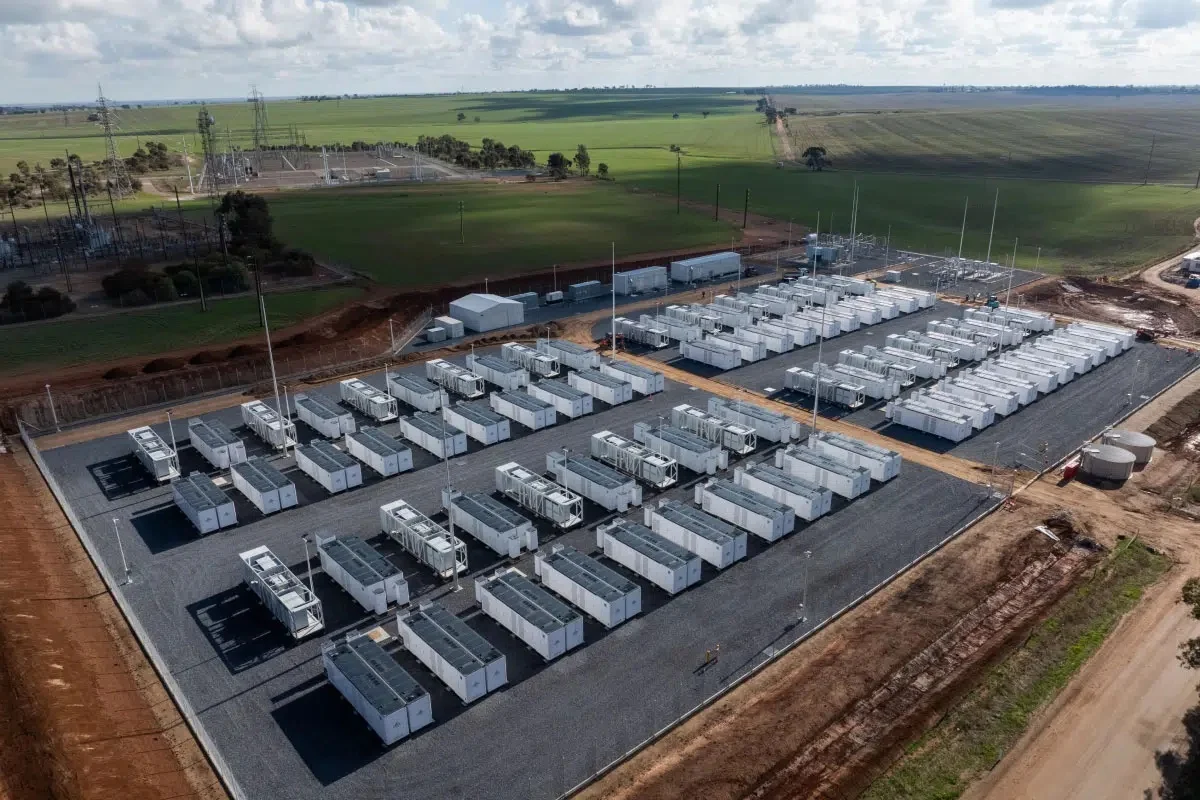
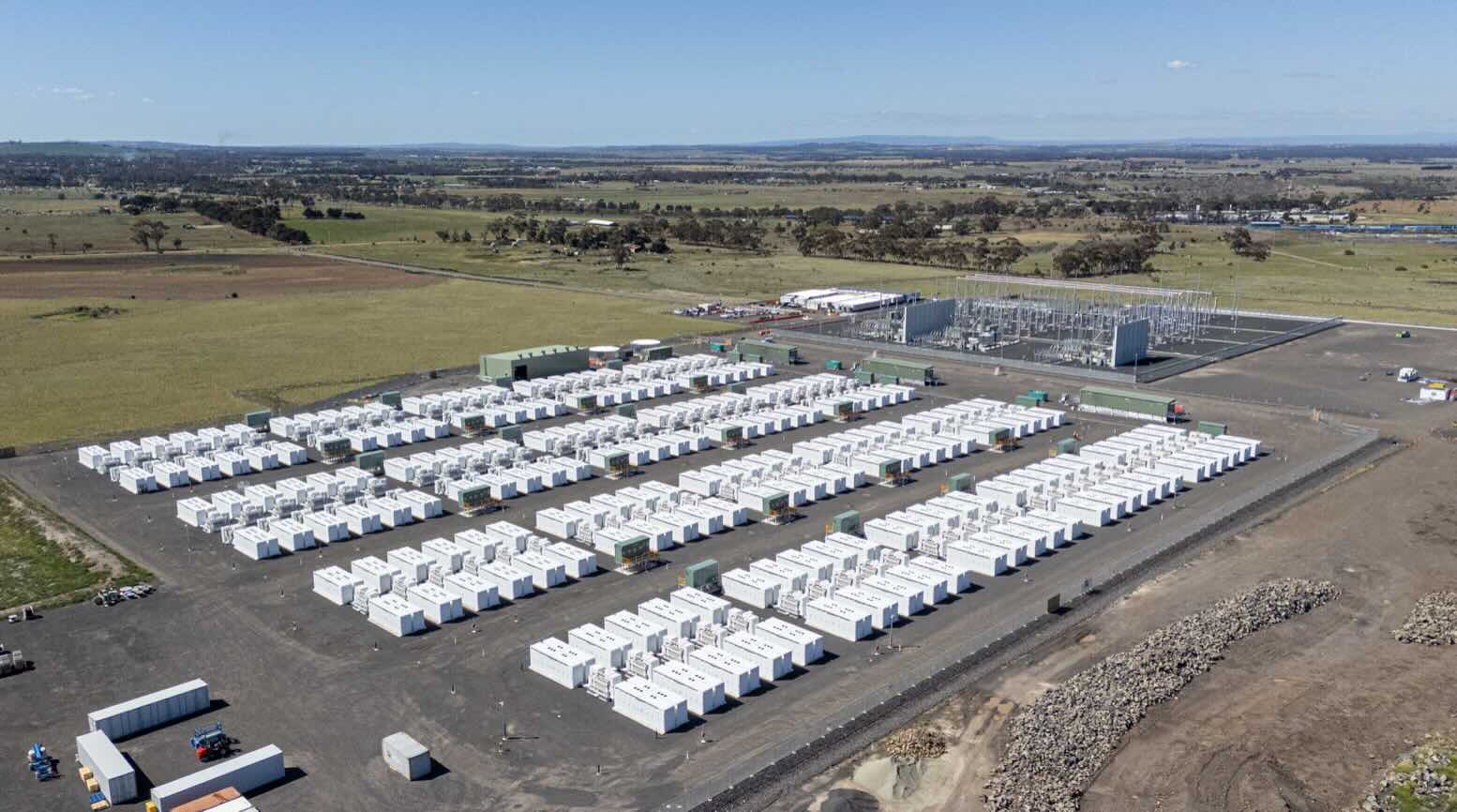
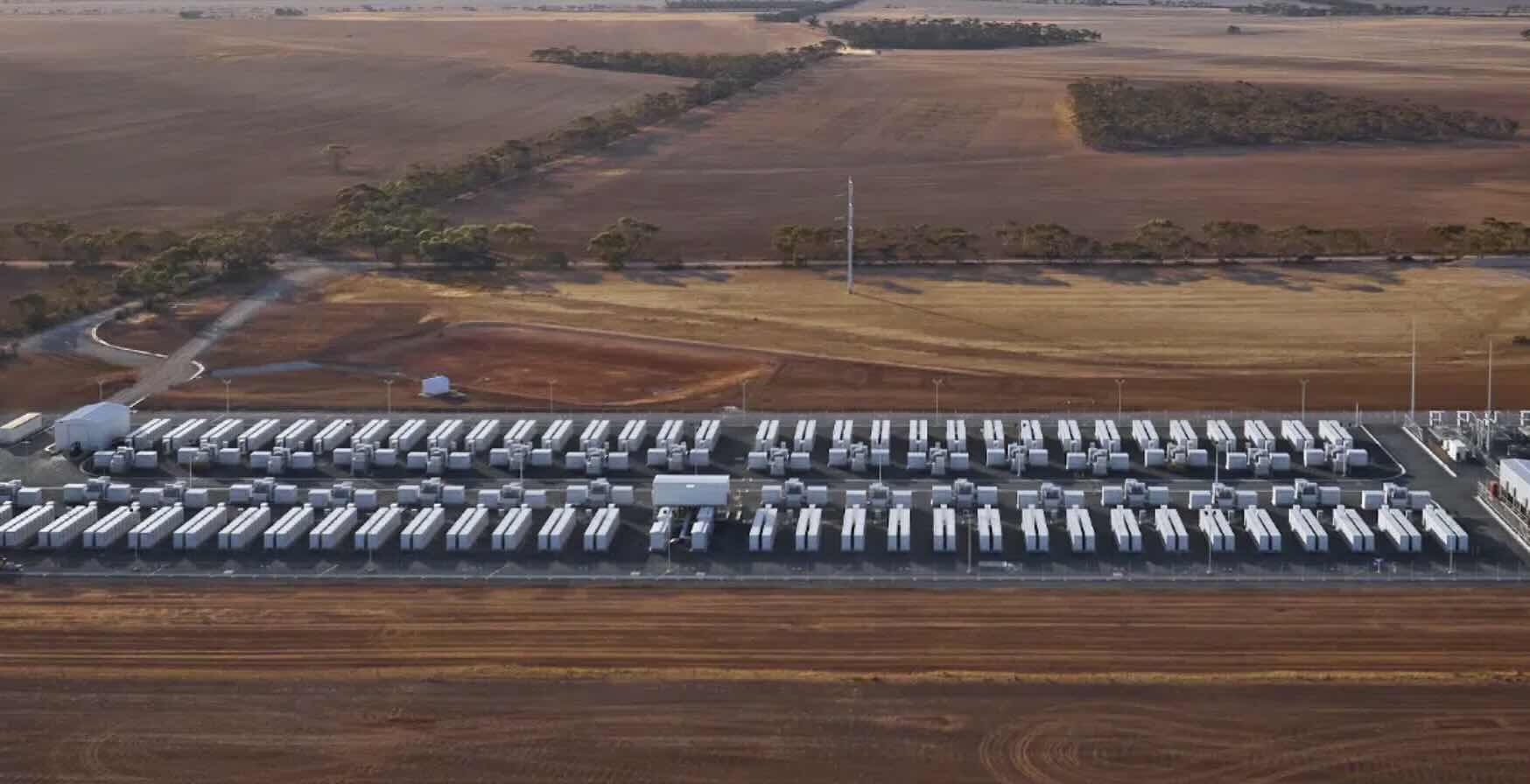
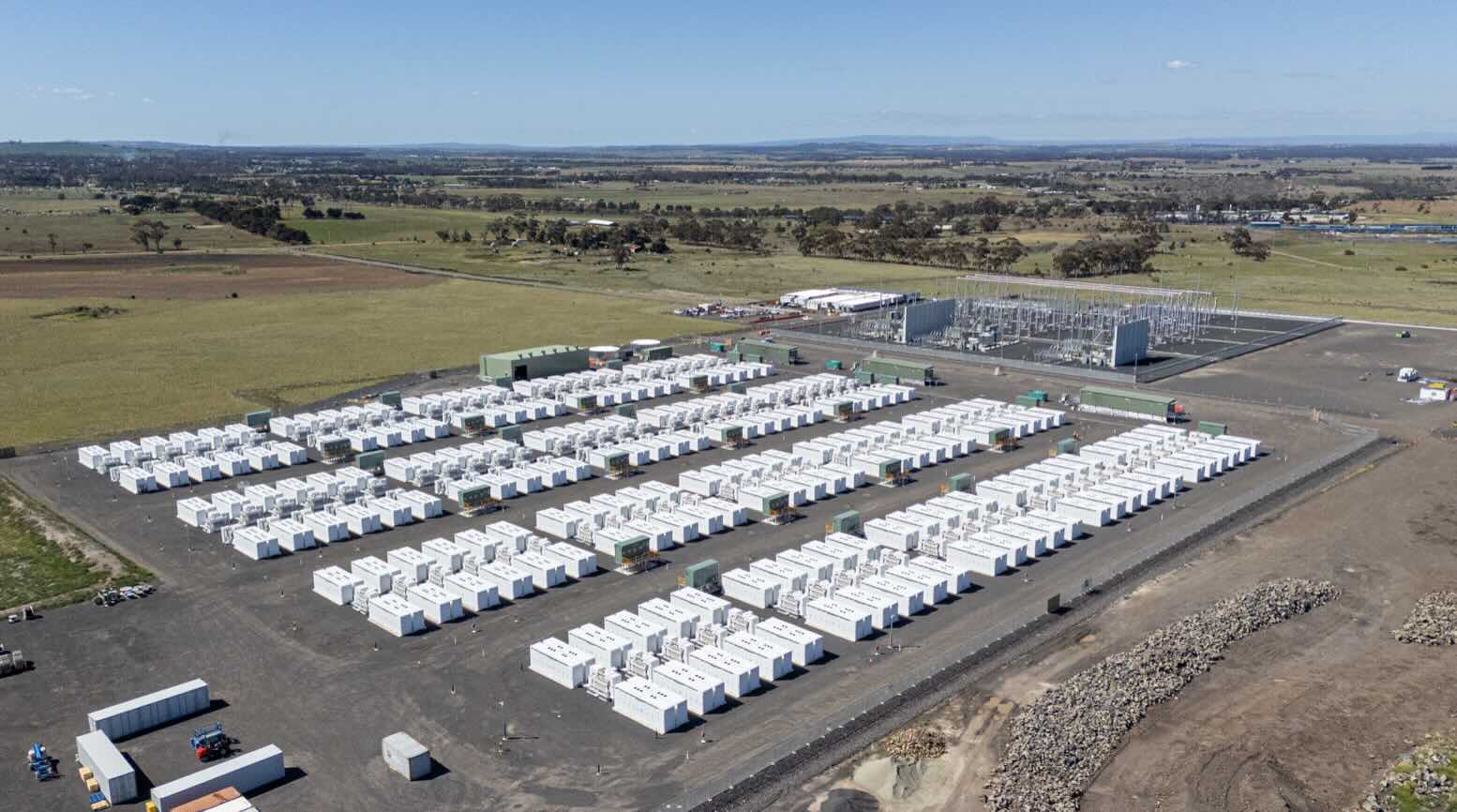
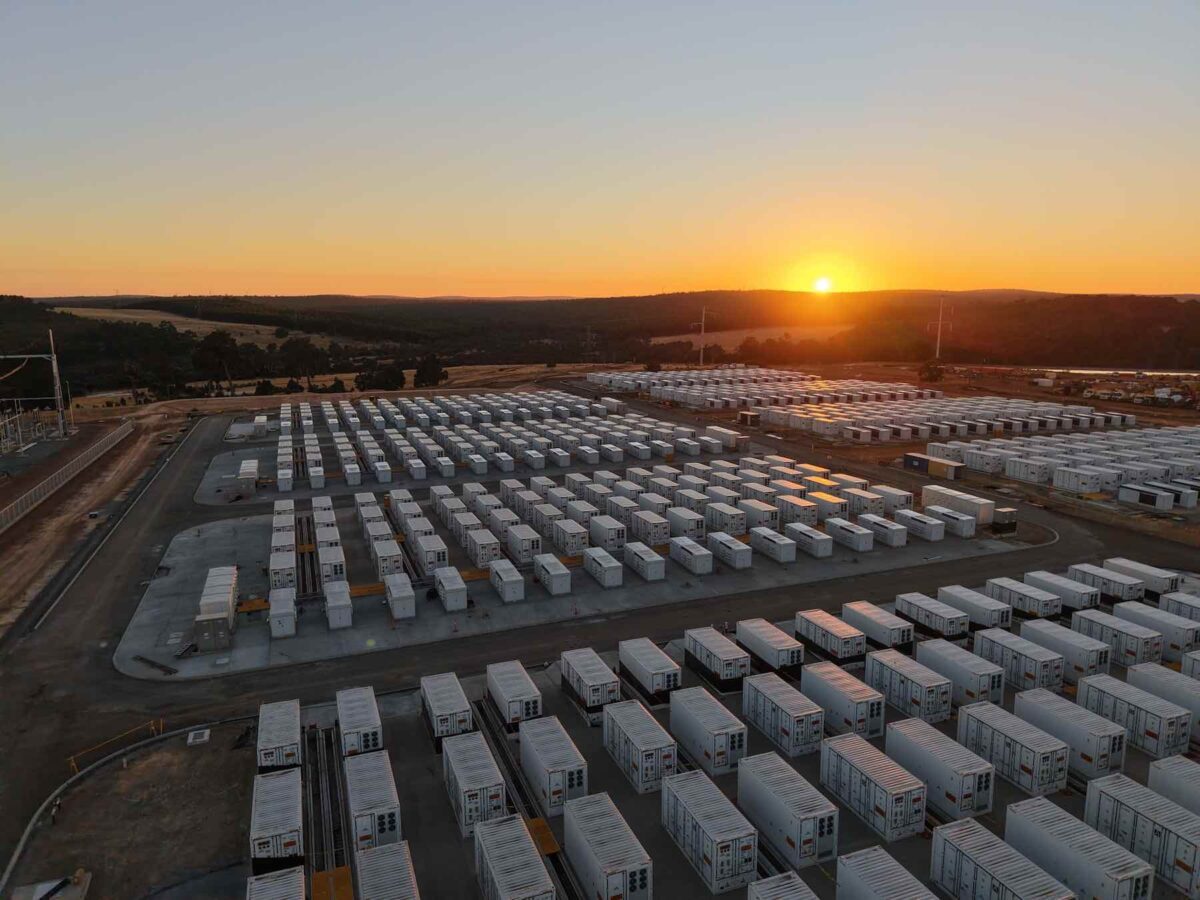
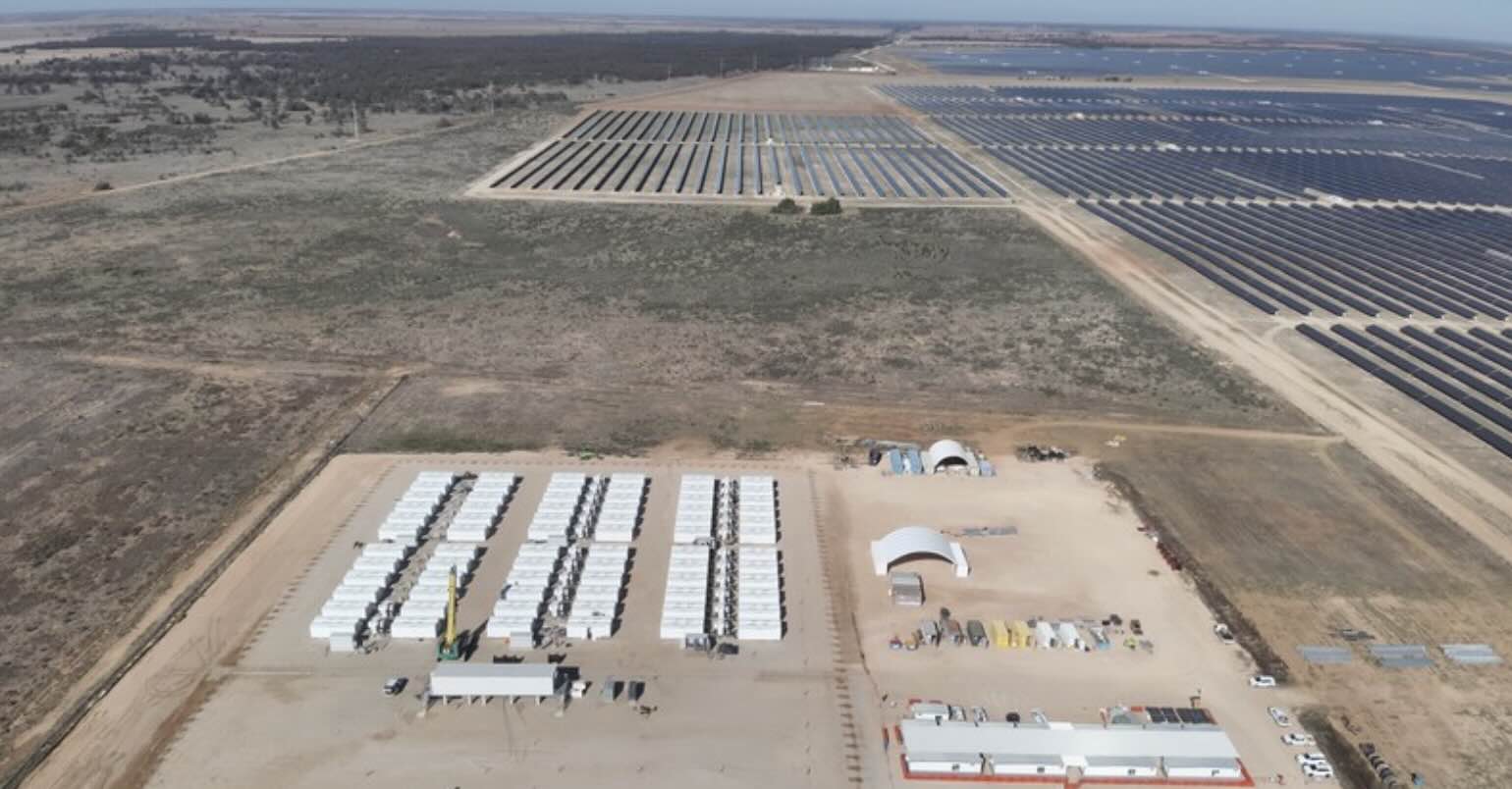
It was fully expected that gas would fill some of that capacity, given it was one of the only tenders in Australia that didn’t specifically exclude the fossil fuel. But the winners announced last week ended up being six big battery projects, all with a nominal capacity of four hours and with a combined capacity of 1,334 MW and 5,336 MWh.