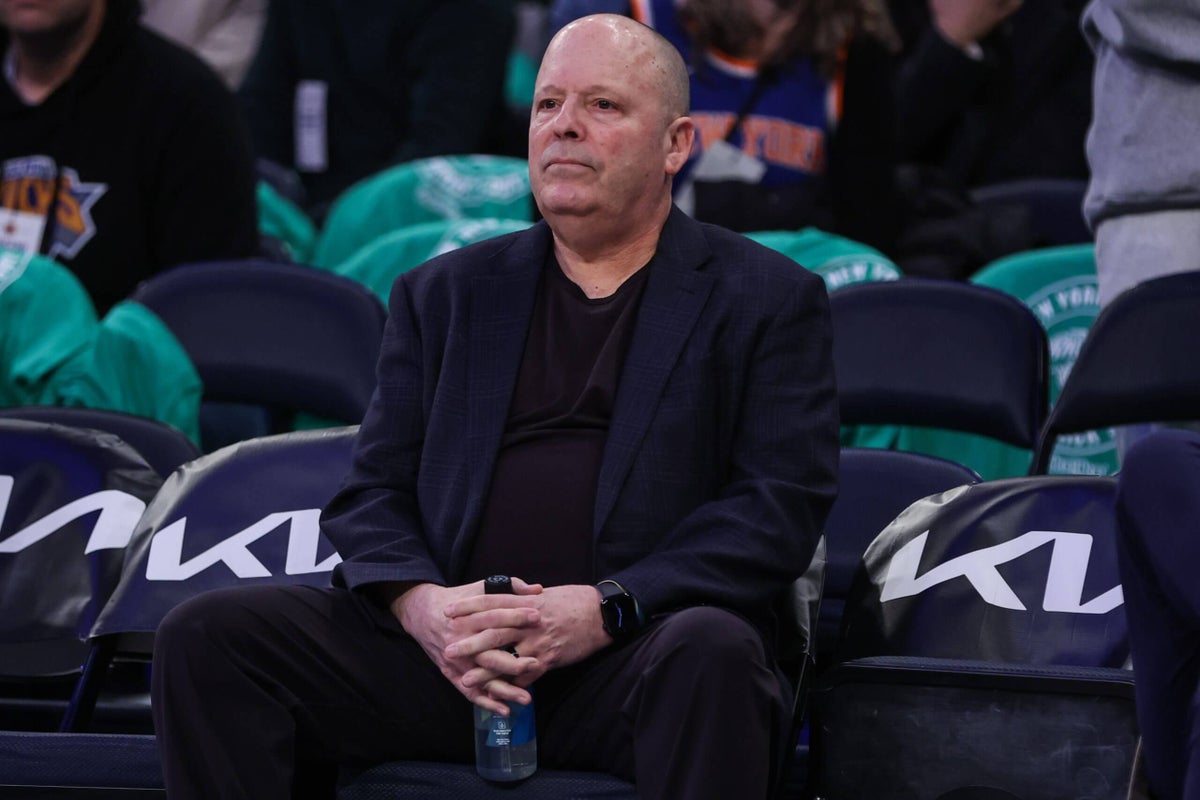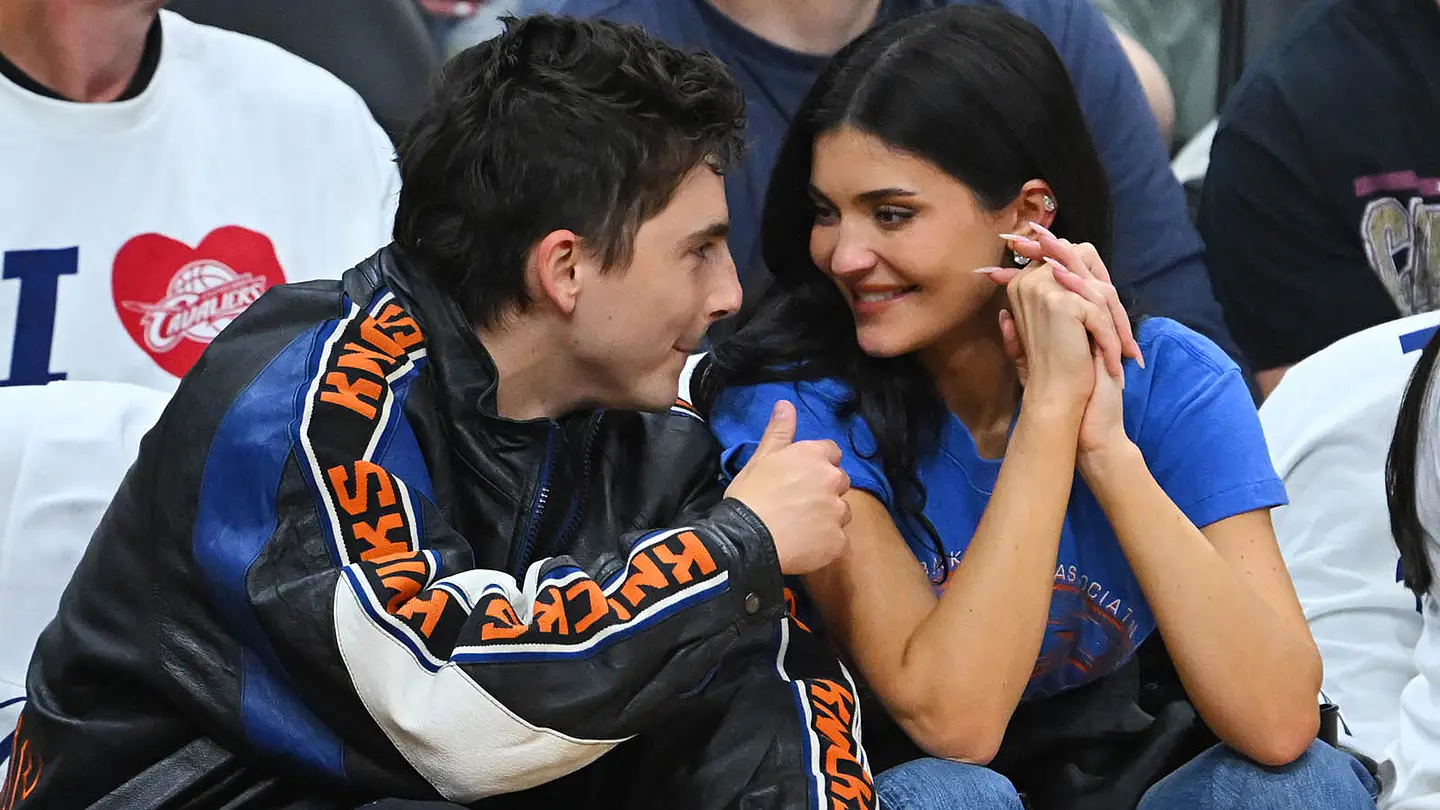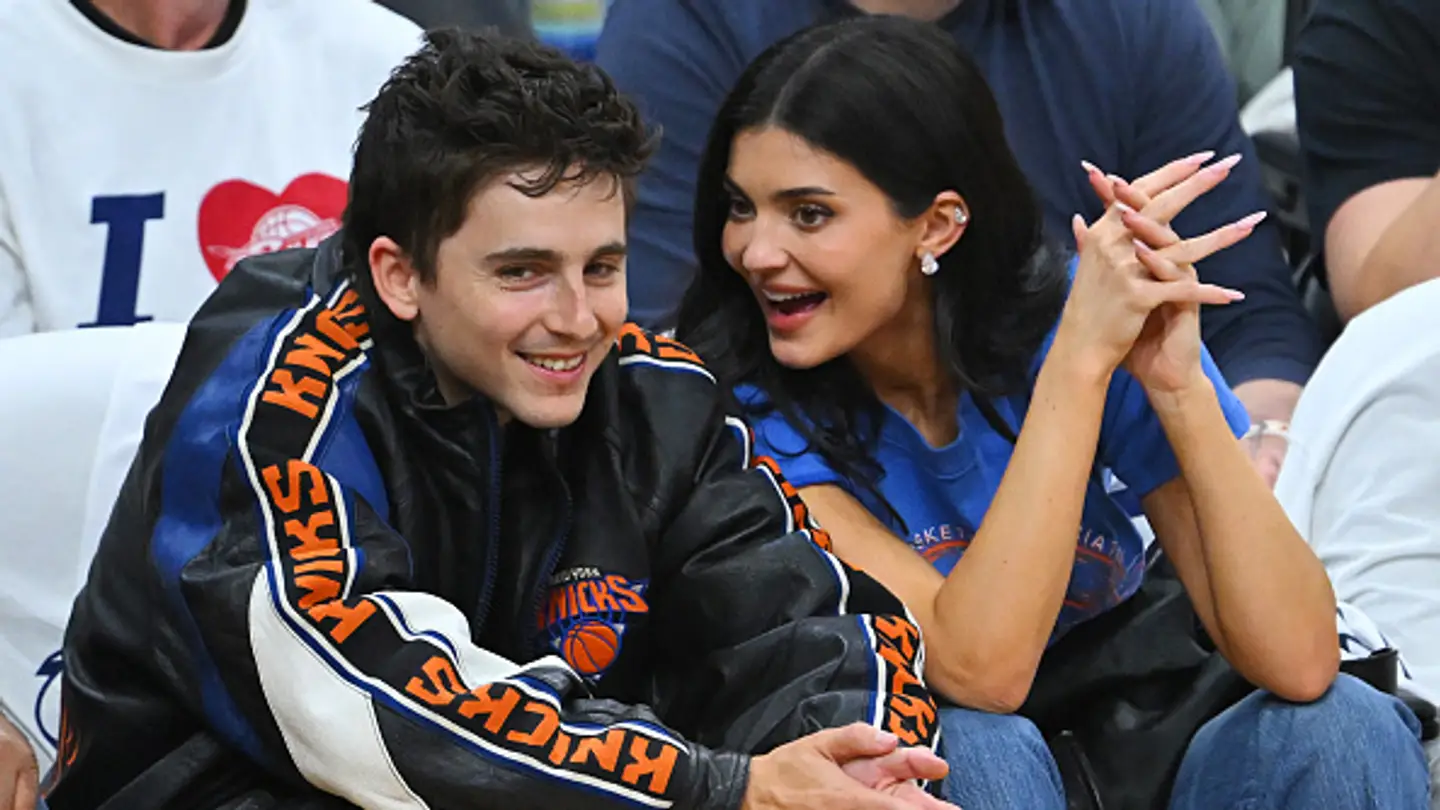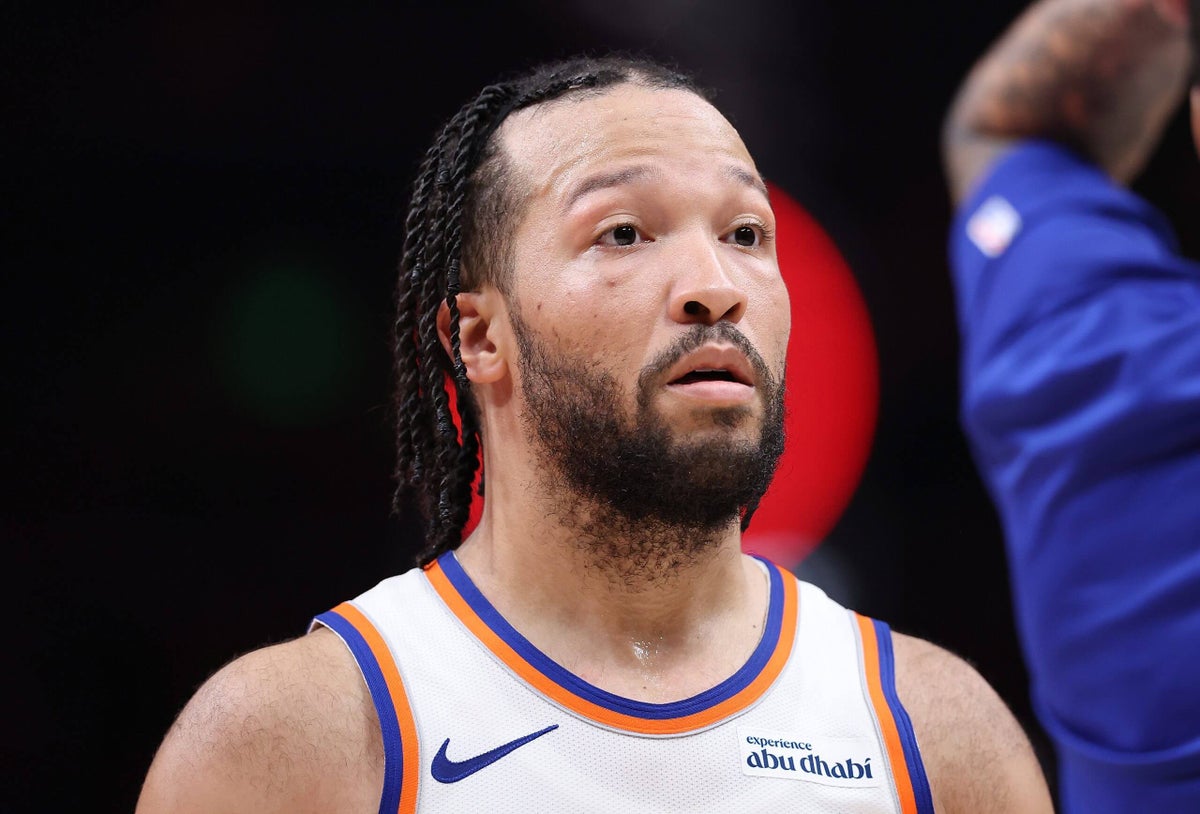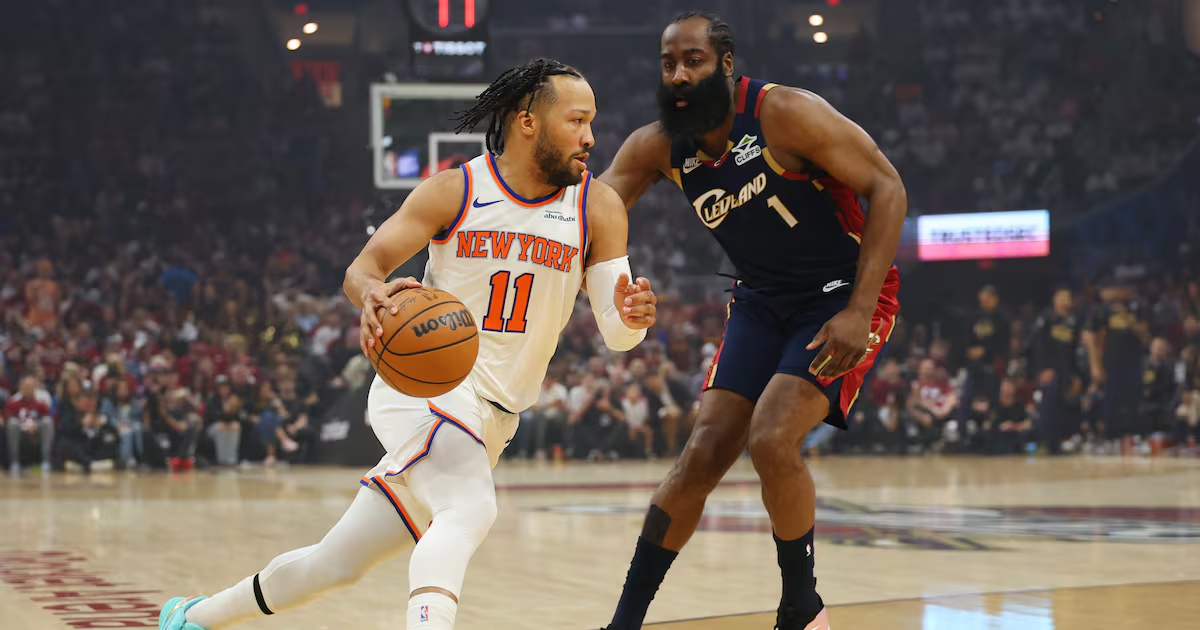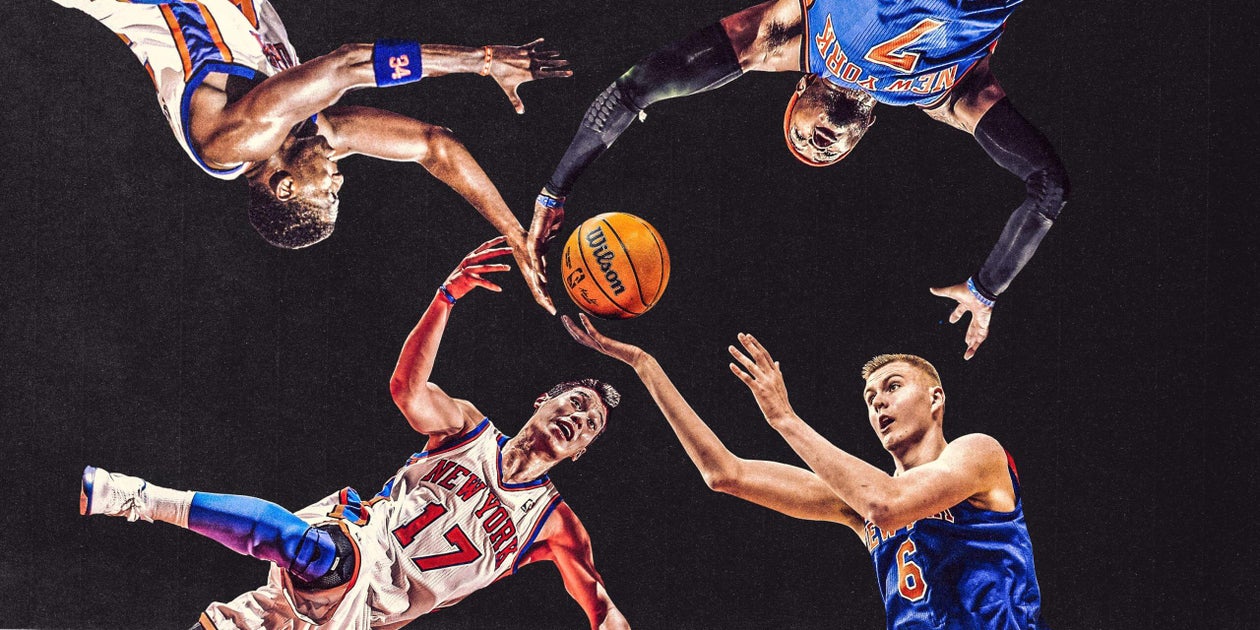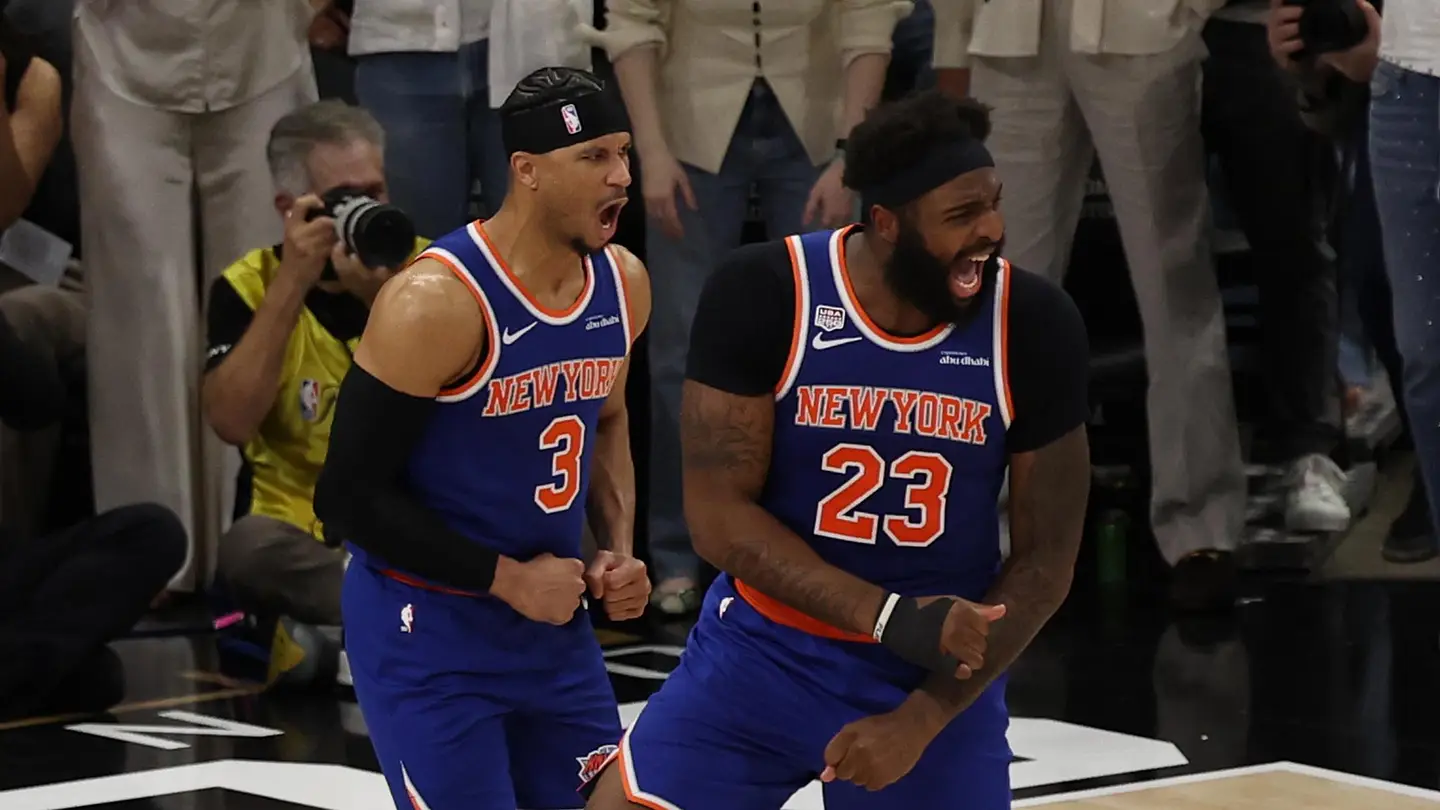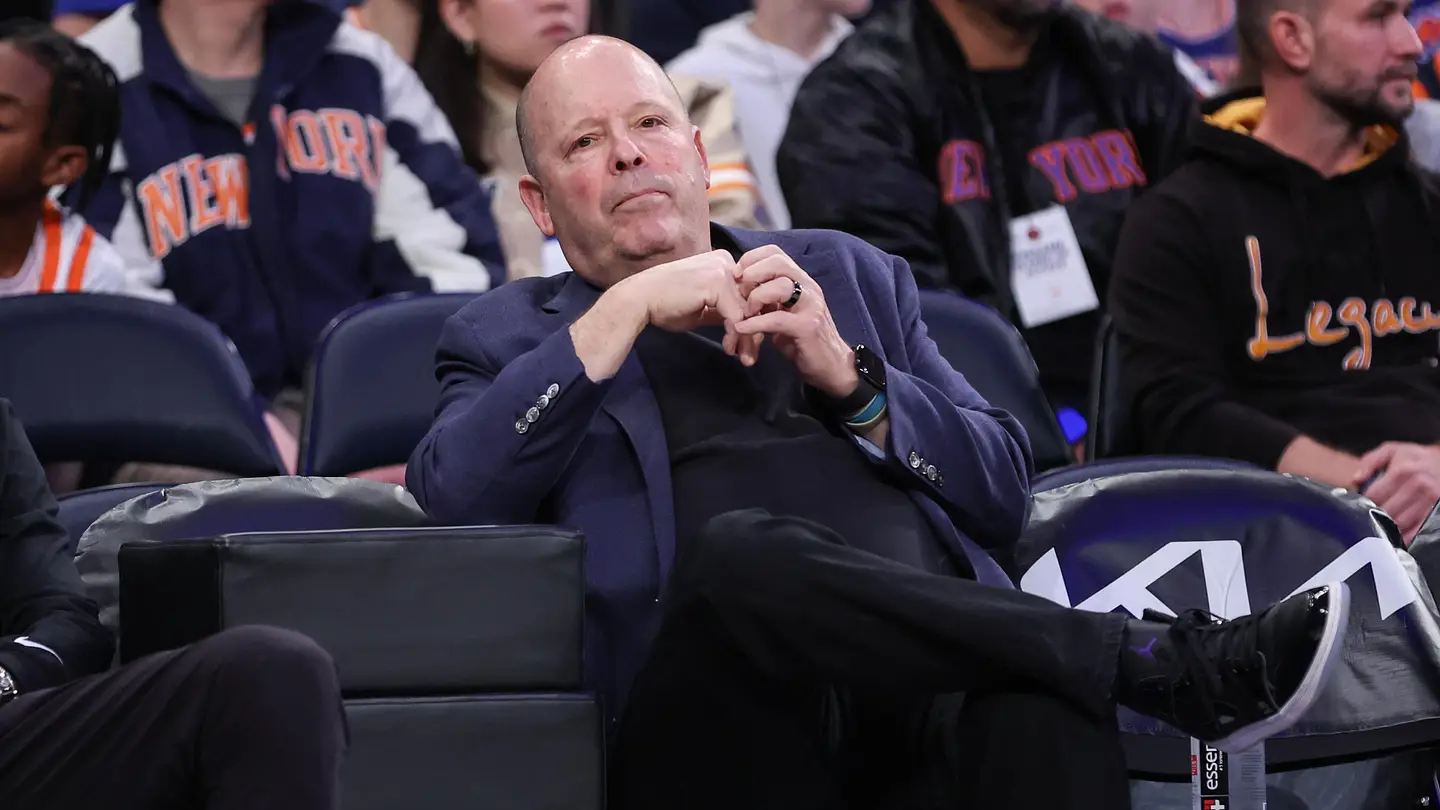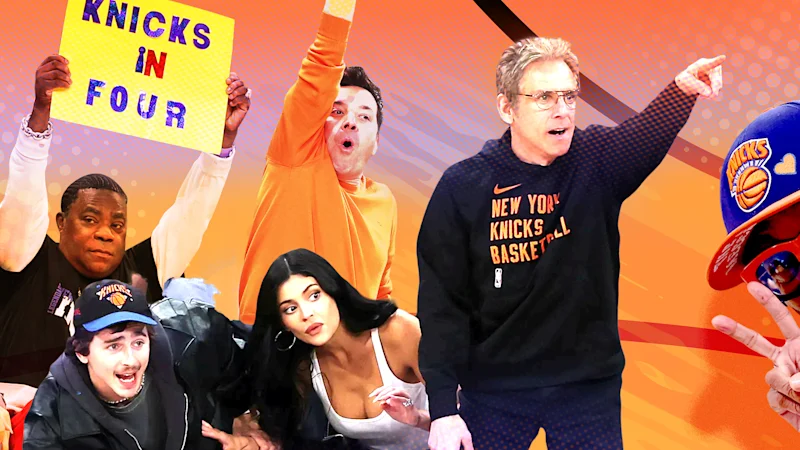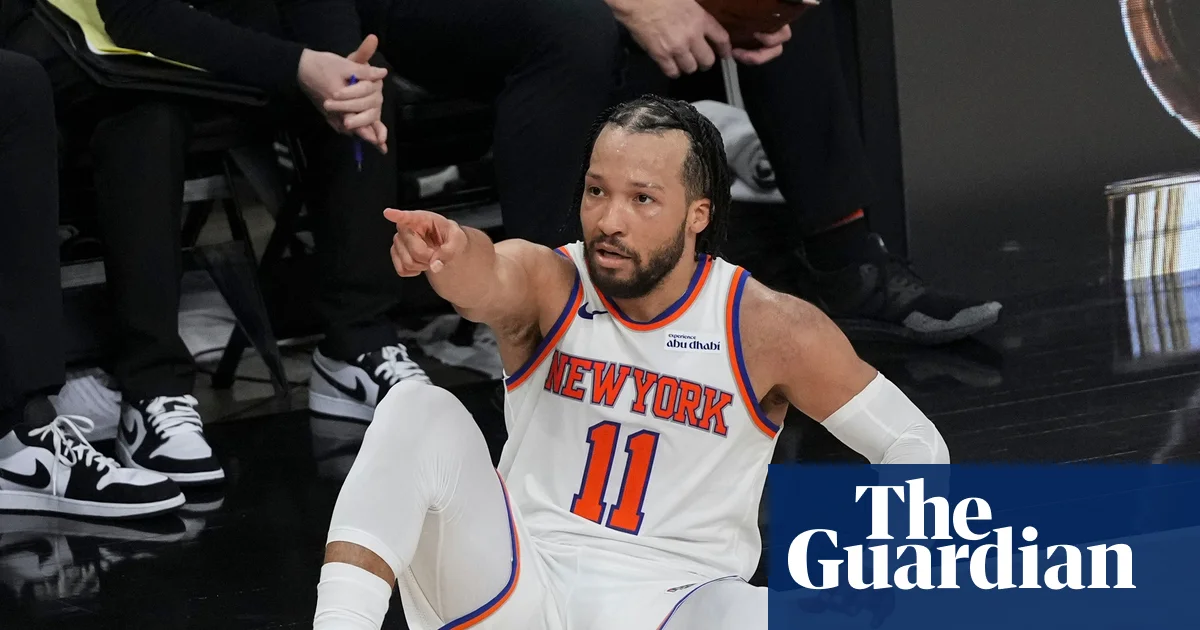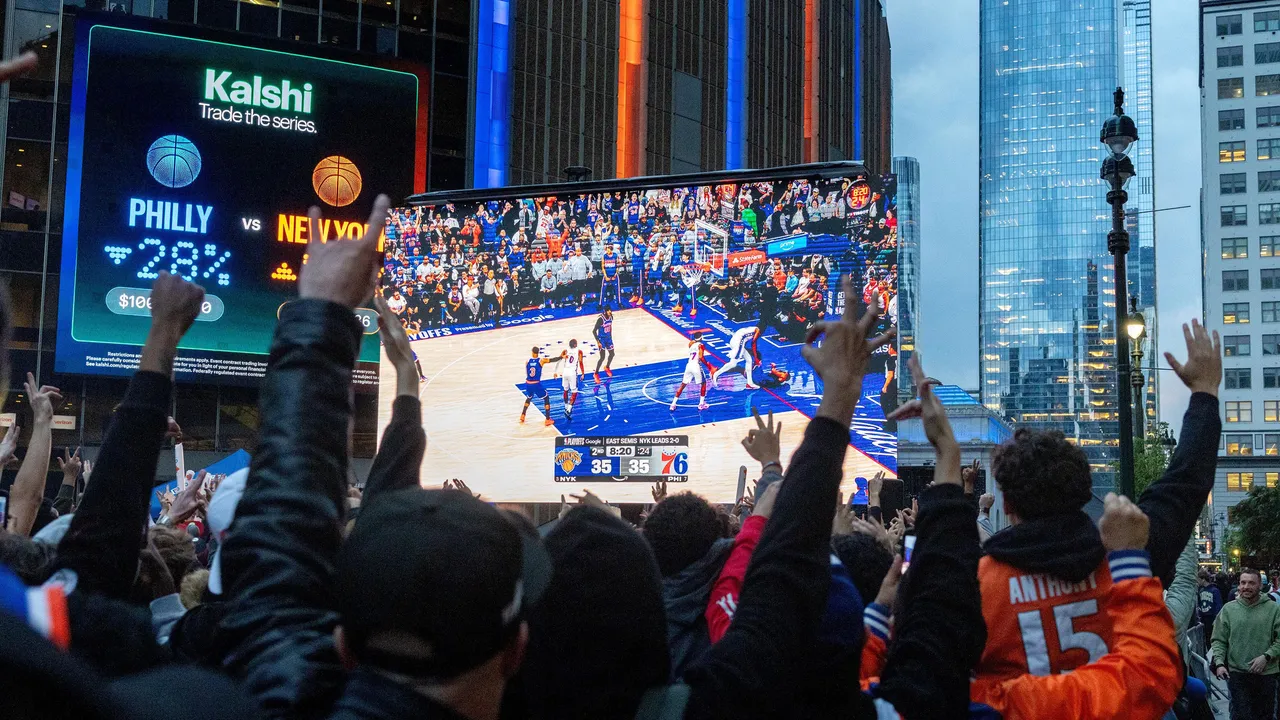
I can’t stop watching a certain video of Leon Rose. The New York Knicks’ president, a stout, taciturn man, surly about the mouth, who spurns engagement with the media but whose competence no contemporary Knicks follower can gainsay, stands in a crowd, surrounded by cheering fans. He’s in Cleveland, and the Knicks have just finished their Game Four rout of the Cavaliers—Eastern Conference Finals sweep accomplished, nothing but the N.B.A. Finals, at long last, ahead. Rose throws his arm around a young man, his son. The son’s looking around, stunned, shooting little nods and friendly faces to other fans. Rose, though, reddening in the triangle between his eyes and nose, begins to sob.Who can blame Rose for his tears? Each drop was well earned. He’s climbed the mountain of his profession—to him goes the credit for the wheeling and dealing that brought Jalen Brunson, Karl-Anthony Towns, OG Anunoby, Mikal Bridges, and Josh Hart to the team, ushering in the Knicks’ modern-era tout court, in the space of only six years—and along the way guided New York to the threshold of a catharsis beyond imagination. What will happen, after all, if the Knicks keep up their historically great run of playoff performances—they’ve swept two opponents in a row—and win the championship for the first time since 1973? More grown men shedding tears, that’s for sure. Chaos on Seventh Avenue, where the rowdiest and roughest fans go to commune and roar and party and climb the awnings of various subway entrances outside Madison Square Garden. Wanton pyrotechnics on the street. (After the win against the Cavs, I heard fireworks nearby in Bed-Stuy, where I live.) Glass and steel, fire and smoke: sports nirvana with the mise en scène of a sudden revolution borne out on the sidewalks. Nobody’s ready to contemplate it in full.Just reaching the Finals has befuddled most of my friends. We’ve been texting and calling one another, scant emotion in our voices, numbly narrating the truth: four more wins. Success after so much failure—gut-wrenching letdowns after episodes of Odyssean temptation to fleeting belief; too many to count—is almost an ordeal. What do you do with so much feeling? I’ve taken to acting like I’m the one out there playing the games, lashing my excitement to the mast of a self-imposed restraint, stoic as a sailor, repeating the mental mantra that the job isn’t done and there’s no reason to go crazy just yet. Watching my team hoist the Eastern Conference Finals trophy, I popped open a beer, my first and last of the night, and, after a big glug, buried my head in my hands. My stomach was on fire. Oh, God, what now?When I try to describe my love of sports, especially basketball, to people who don’t share it, I tend to emphasize its similarities to the higher arts. As with dance or music or theatre, it is impossible to truly appreciate hoops without reference to style and beauty, the indelible marks of individual creative expression. It makes all the sense in the world: it’s hard to think of Brunson’s thoughtful footwork, a flippant pivot here, a probing jab-step there, without also thinking of a dancer like Savion Glover, beating coded messages into the floor with every tap of his shoes. Hart runs from one corner of the floor to the opposite, leading the fast break with an odd, diagonal energy, and it’s not unlike an especially ingenious bit of stage blocking by a theatre director—the kind of movement that, in its unpredictable simplicity, charges the stage with new meaning, new possibilities. Bridges, erratic but electric like Chaka Khan, pulls off one of his unreasonable fallback shots, his legs scissoring like a swimmer’s, and the Garden crowd howls: spontaneous call-and-response, as happens when a good band in a live setting breaks down its best tune and enjoins you to take a part and sing.Choosing to discuss the appeal of sports in these terms has many advantages, the greatest of which, to me, is that it helps avoid the tired clichés about physical competition as a thinly veiled expression of nationalism or tribal instinct, some Hobbesian substitute for the constant state of war. But I’ll admit, keeping up with the Knicks, especially recently, brings up some of these supposedly baser sentiments. These past few Brunson-blessed years have reintroduced me to the more rabid aspects of watching basketball, an activity that has always offered me an ocean of solace.I admit it: I do feel a kind of nativist, automatic kinship with whoever’s wearing the blue and orange, something to do with my everlasting allegiance to the city-state of New York. I try (and, just ask around, often fail) in life to restrain my judgments and act fairly and think before I speak; when the Knicks are on, playing prettily or not, I am a foulmouthed partisan, pumping my fist and pacing the living room, issuing imprecations at the team’s opponents (in the privacy of my home, I speak about the Philadelphia 76ers’ center Joel Embiid in ways that should embarrass me, but don’t), or at whichever Knick is playing poorly and souring my mood. My connoisseurship plays second fiddle to my status as a member of the clan.So it went all season—a year that taught me anew how odd it really is to be a fan. The Knicks started off strangely, winning games at a good clip but looking downright horrible—and, to boot, interpersonally unhappy—whenever they lost. After last season’s queasy journey, which came to a sorry end in the Eastern Conference Finals, against the Indiana Pacers, Rose decided that, to make the next leap in the team’s progress, he’d have to fire the team’s coach, Tom Thibodeau. It was the right call: Thibs, as he is called, is a lovable grump and an enjoyable sideline presence who had a knack for wringing great, gritty performances out of his team of questing try-hards. But he was inflexible about lineups and tactical choices, and tended to play his core guys into the ground.The new hire was Mike Brown, a funny, amiable man, who, at least outwardly, looks to have a converse personality to Thibodeau. He makes the journos laugh when he sits for press conferences and never appears too pissed off about the direction of the team. He showed up in New York with a bag of new concepts for the offense—mostly aimed at making the ball move a bit more, and coaxing the Knicks away from depending so heavily on solo heroics from Brunson and Towns. But perhaps they didn’t go down so smoothly. Towns, a seemingly very nice guy who can’t help but betray his emotional fluctuations, sometimes showed up to his post-game pressers in a foul mood, speaking cryptically about his discomfort within the new scheme. Asked about his place in the offense early on, he said, “Honestly, I don’t know . . . but we’re figuring it out.”The Knicks had several high peaks this past year—they won the N.B.A.’s still-young midseason tournament, the N.B.A. Cup, over the San Antonio Spurs, the team they will face, starting tomorrow, in the Finals—but just as many passages of apparent discombobulation. The walls in my living room absorbed a lot of shouts, and they weren’t all about the ecstatic pleasures of basketball played beautifully. Part of the fun of rooting for a team is that, like a friend, they can tightrope across your last nerve, but, in this case, you can curse them out however you please and never need to apologize later on.Even as late as the first round of the playoffs, when the Knicks faced the Atlanta Hawks, something seemed off. The Hawks’ veteran guard CJ McCollum, always excellent but usually a sideman to a brighter star, dribbled and sidestepped through and around the Knicks defense, suddenly looking like one of the best offensive players in the league. Twice, the Hawks beat the Knicks by one point after some flurry by McCollum.But then the Knicks, down 2–1—in a transformation that will surely be studied and reported on for years to come—flicked some theretofore untouched switch. Their loss to the Hawks in Game Three, now more than a month ago, is, in fact, their most recent loss. The change had something to do with an improvement in Towns’s game—the team has begun to play through him more, letting him gather the ball near the foul line and lead his defender into a minefield of perilous eventualities. He can step back for the three, pull up for the fifteen-footer, drive to the hoop in his gangly way, or, on the way there, unfurl one of his surprisingly suave passes, looking one way and flinging the rock in the opposite direction, often landing the ball right in the hands of a three-point shooter.Now the Knicks are swashbuckling down the court the moment that they grab a rebound or nick a steal, striding in tandem like five sprinters freed from the corset of their racing lanes. The ball—true to Brown’s original design—is always humming around at high speed, finding the right man and confounding the defenses that the team’s sheer force keeps demoralizing. Sixers and Cavs, dispatched in eight fleet games. In the last week, as the Spurs and the Oklahoma City Thunder battled it out, the Knicks have been able to get their rest: unheard of under warlike Thibs.And the Knicks, for the first time since 1999 (when I was still trying to hammer my jumper into conformity with the silky shooting guard Allan Houston’s), are now waiting for the Finals to begin. And so, too, feeling a mixture of hesitation and blissed-out delight, are their fans. Basketball is one of New York’s great public spectacles: you can’t walk far without passing a hoop. There’s always some kid out there, roasting on the asphalt, working on his handle or his free throws. Rank fanhood, unpretty though it may often be, is a drastic extrapolation of the pleasures of that everyday sight, making moments of drama and seasick suspense an aspect of personal identity. And now the kid has a name—say, Mitchell Robinson, Landry Shamet, or, once upon a time, Frank Ntilikina or Jeremy Lin—and his fate seems harrowingly linked with my own, as summer starts its swelling and the games get so pregnant with significance.The Knicks keep showing me what it means to be a fan. It’s a matter of multiple identities, encompassing rival approaches to the prism of our most kinetic and implicitly democratic sport. One moment, I’m a devotee at a shrine of art, stopping in solitude before the pictures and soaking them in. The next, I’m a member of a chaotic horde, subject to the kinds of phenomena that most acutely affect humans in groups: strict loyalty, inherited grief, vicarious glory. Four more games. Who knows what will happen—or, throughout the series, how those of us who have lent our emotional well-being to this team will feel. May Leon Rose’s tears never dry, come what may. None of this makes sense! That must be why it feels so good. ♦
Lessons in Fanhood from the Knicks
For the first time since 1999, the New York Knicks are eagerly awaiting the N.B.A. Finals. Vinson Cunningham appreciates the artfulness of the game, but “when the Knicks are on, playing prettily or not, I am a foulmouthed partisan,” he writes.
1,841 words~8 min read