Logo text
[This story contains major spoilers from The Audacity season one finale.]
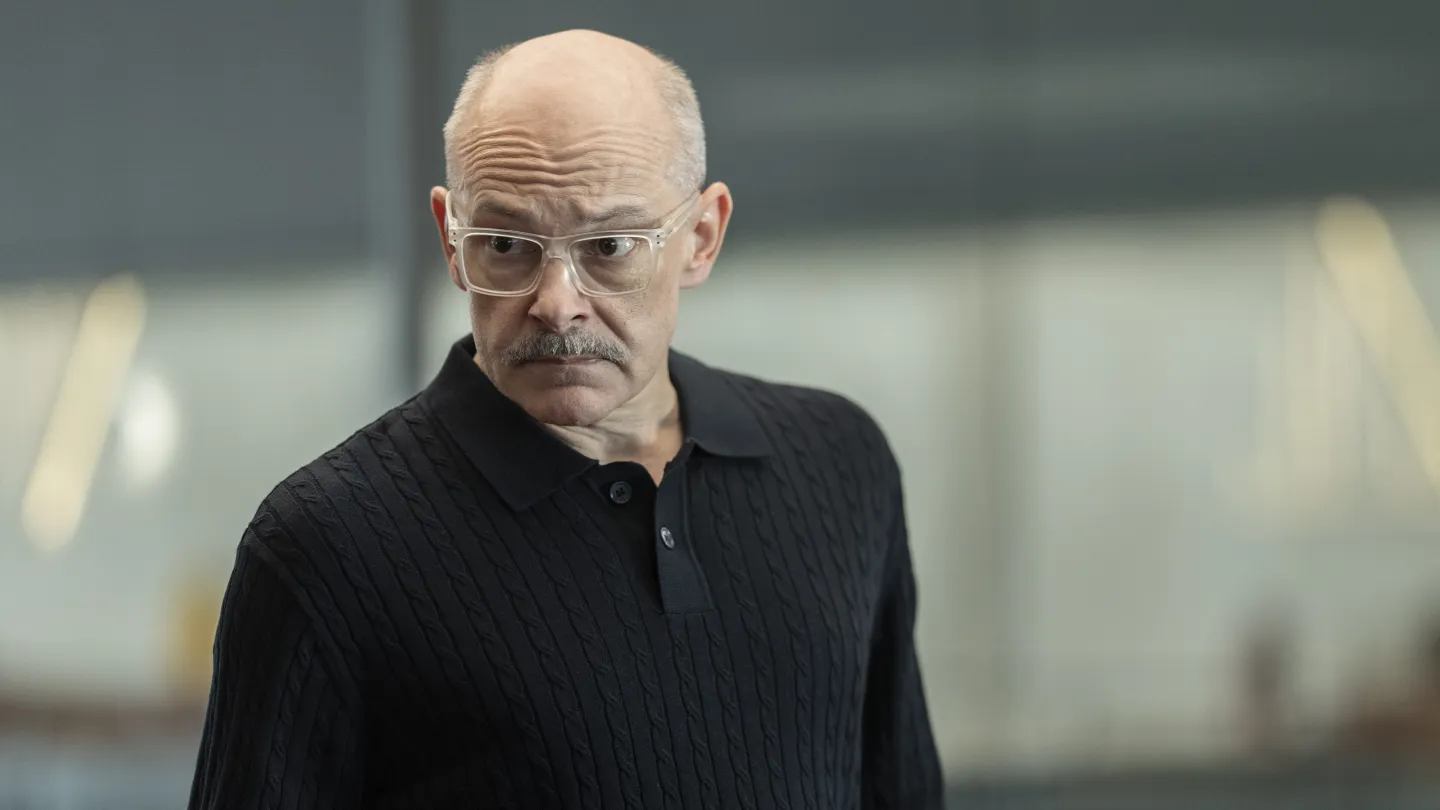
Rob Corddry is aware that prestige television has almost become a place for storytelling about bad people. “They discovered people love watching bad people, and it’s been slim pickings ever since The Sopranos,” he says. But even as some people recoil from the kinds of characters that have dominated the screen for two decades, Corddry has leaned in. “I guess I just like it because I feel superior to them.”
Following the bleak events of The Audacity’s season one finale, which at several points seemingly turns Jonathan Glatzer’s dark comedy into a semi-horror show, that’s a feeling that’s harder to hold. After eight episodes of watching Corddry’s Deputy Under Secretary of Veterans Affairs Tom Ruffage try to partner with a tech company that would ethically use a trove of veterans’ data to get them therapeutic assistance, he realizes he’s been played by Zach Galifianakis’ ruthless and curmudgeonly billionaire investor Carl Bardolph.
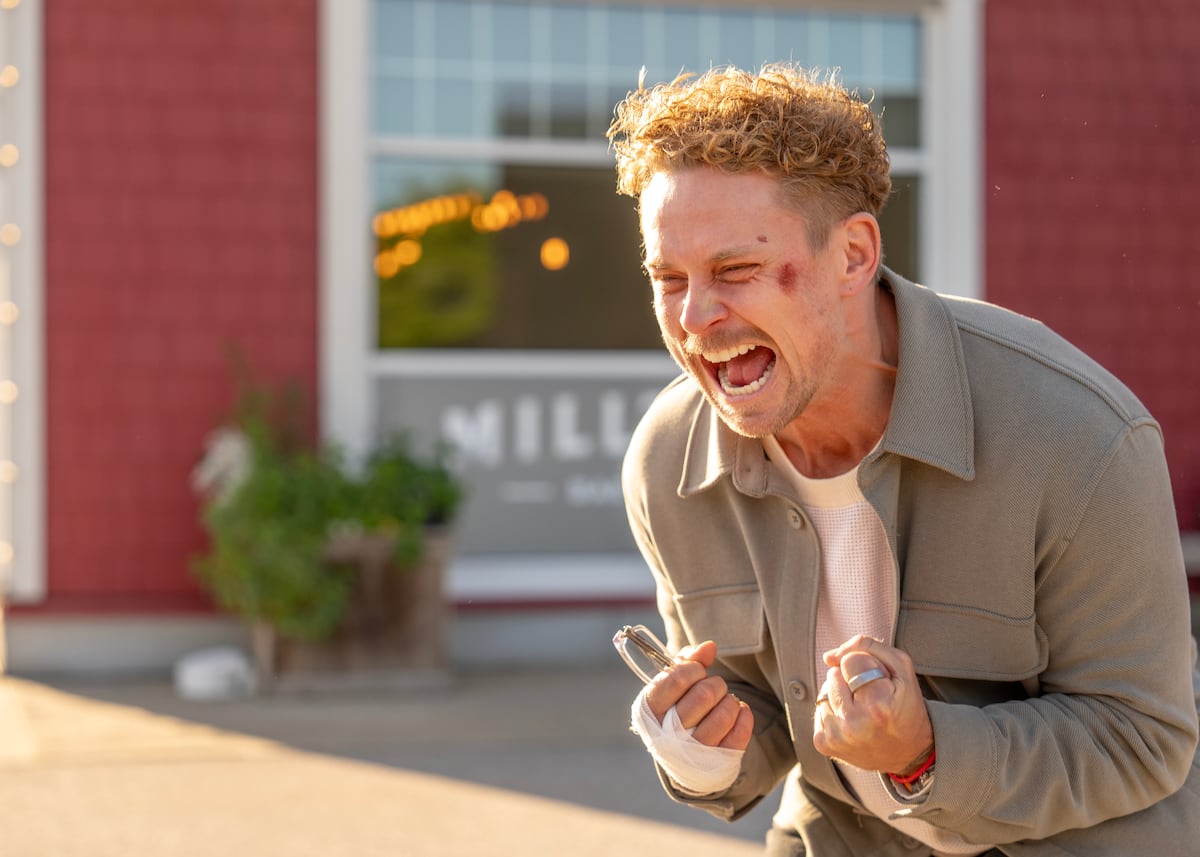
After taking tech company Hypergnosis out from under egomaniac CEO Duncan (Billy Magnussen), Carl installs chief ethics officer Anushka Bhattacharya-Pfister (Meaghan Rath) as its new head. She and her vision for ethical data use help Carl convince Tom to upload every file they have on U.S. veterans. Using her husband and maladjusted genius Martin Phister’s (Simon Helberg) new AI bot, they create a predictive therapy tool. But like almost everything in Jonathan Glatzer’s Silicon Valley take, even the best laid plans are undercut. In the finale, Carl reveals to Tom that his ultimate goal is selling off the veterans’ information — the very thing Tom had been trying to prevent when he turned down Duncan’s initial offer.