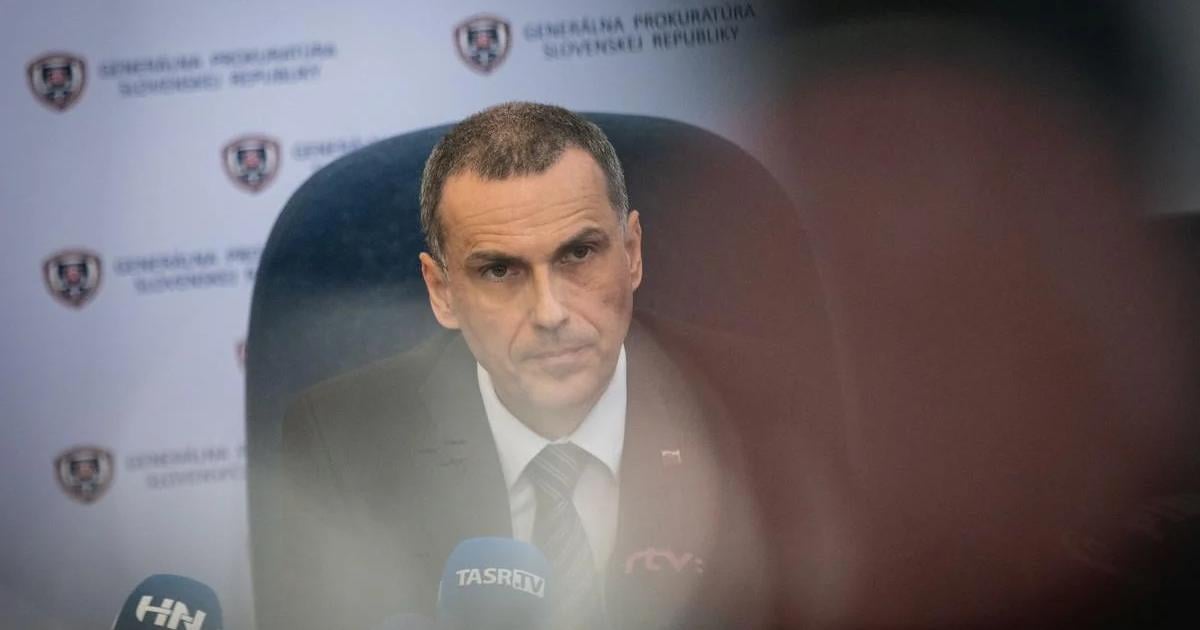
His draft law would lower the criminal threshold from €20,000 to €700 and toughen the state’s response to tax offenders.
The general prosecutor rarely gets involved in drafting laws. When he does, it is usually by commenting on bills that have already been submitted. He has no formal power to submit legislation directly. At most, he can present a proposal to politicians and ask them to take it up and push it through parliament.
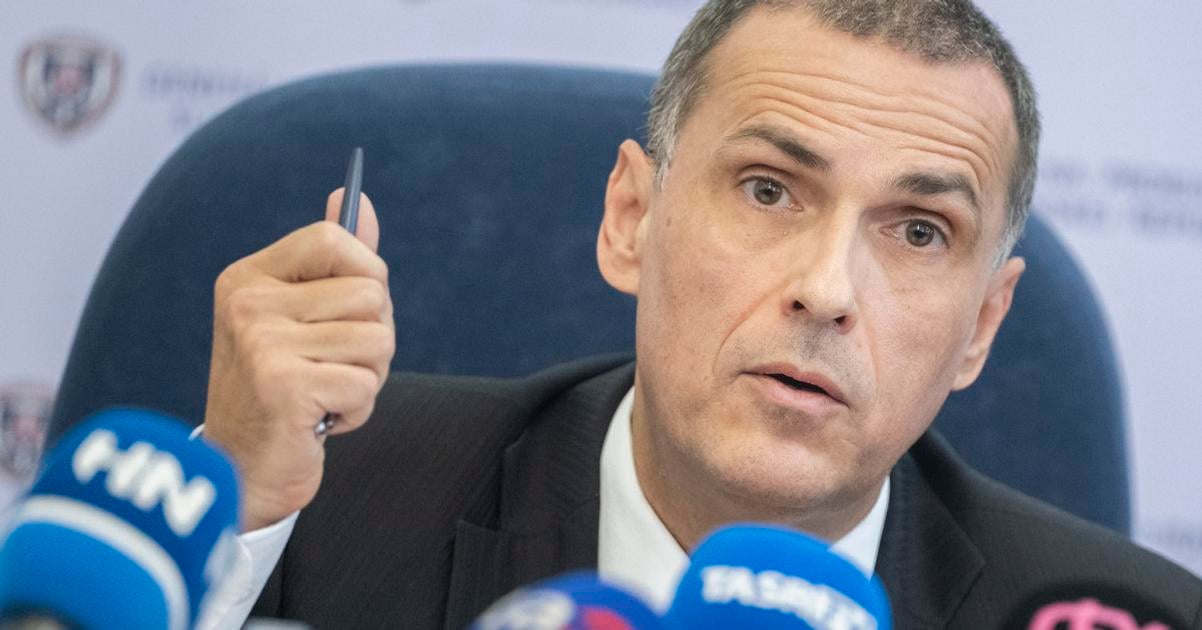
This makes General Prosecutor Maroš Žilinka’s decision to propose just such a law at the beginning of March all the more unusual. He took the step after tax fraud in Slovakia had spun out of control.
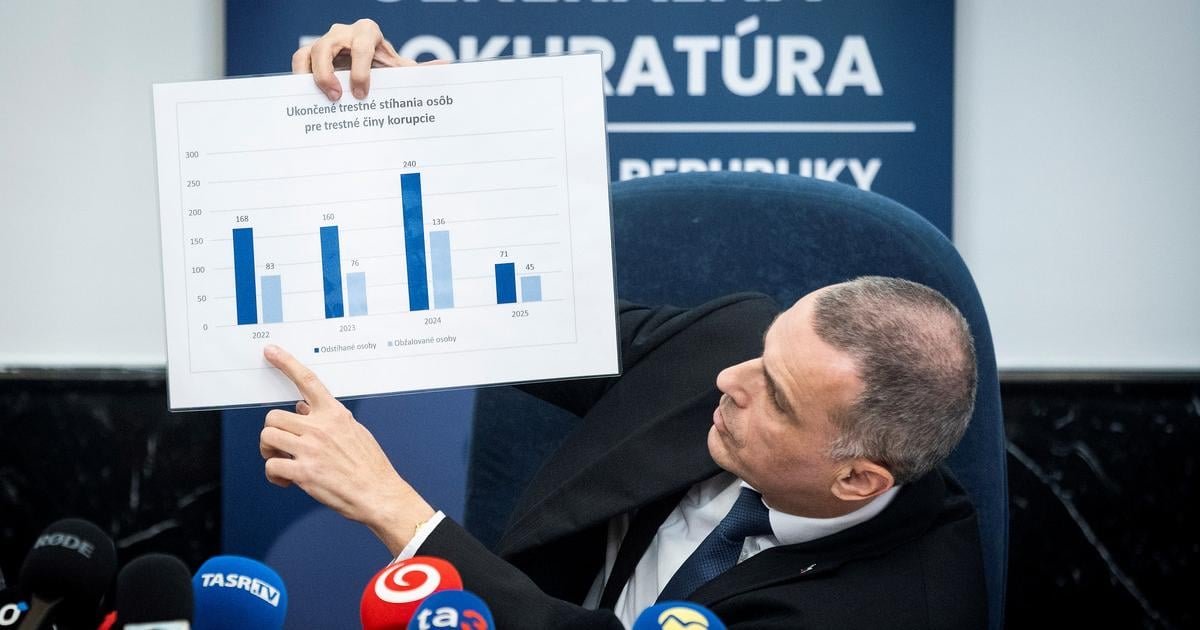
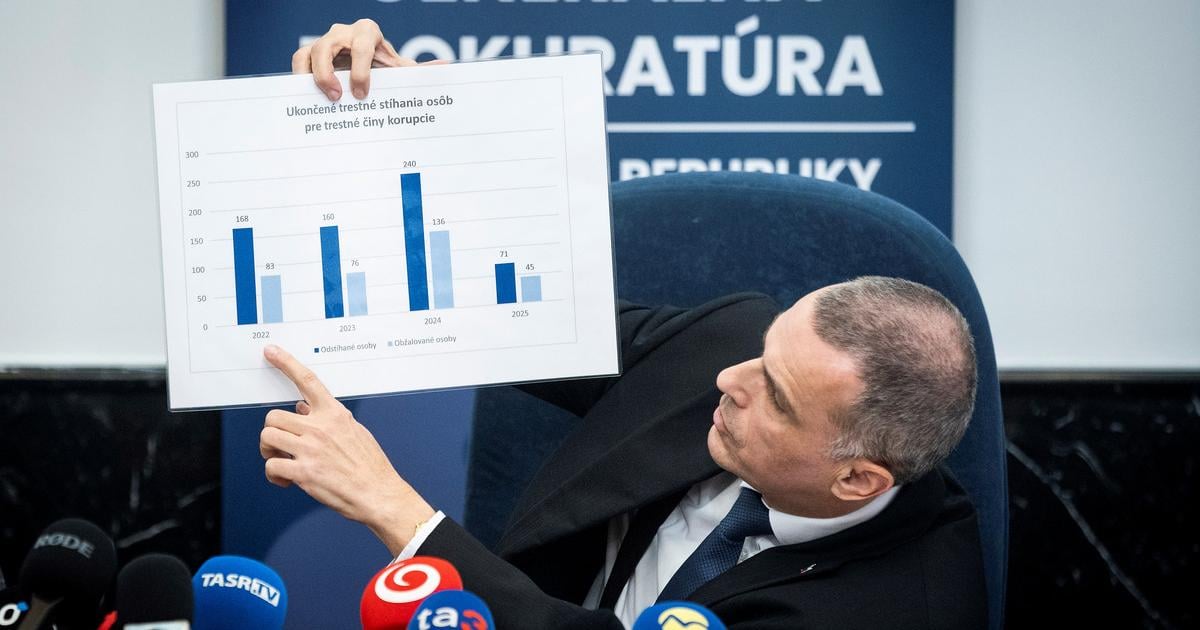
The scale of the problem was shown in an analysis produced by the Office of the General Prosecutor. The document was based on information from district and regional prosecutor’s offices and covered the first six months after the controversial amendment to the Criminal Code took effect, from August 2024 to the end of February 2025.
The analysis found, among other things, that more than 2,300 cases involving tax evasion, social insurance evasion, tax fraud and failure to pay insurance contributions had been dropped because of the amendment. For these crimes, limitation periods were shortened and damage thresholds were increased, leading to investigations being halted in the affected cases.