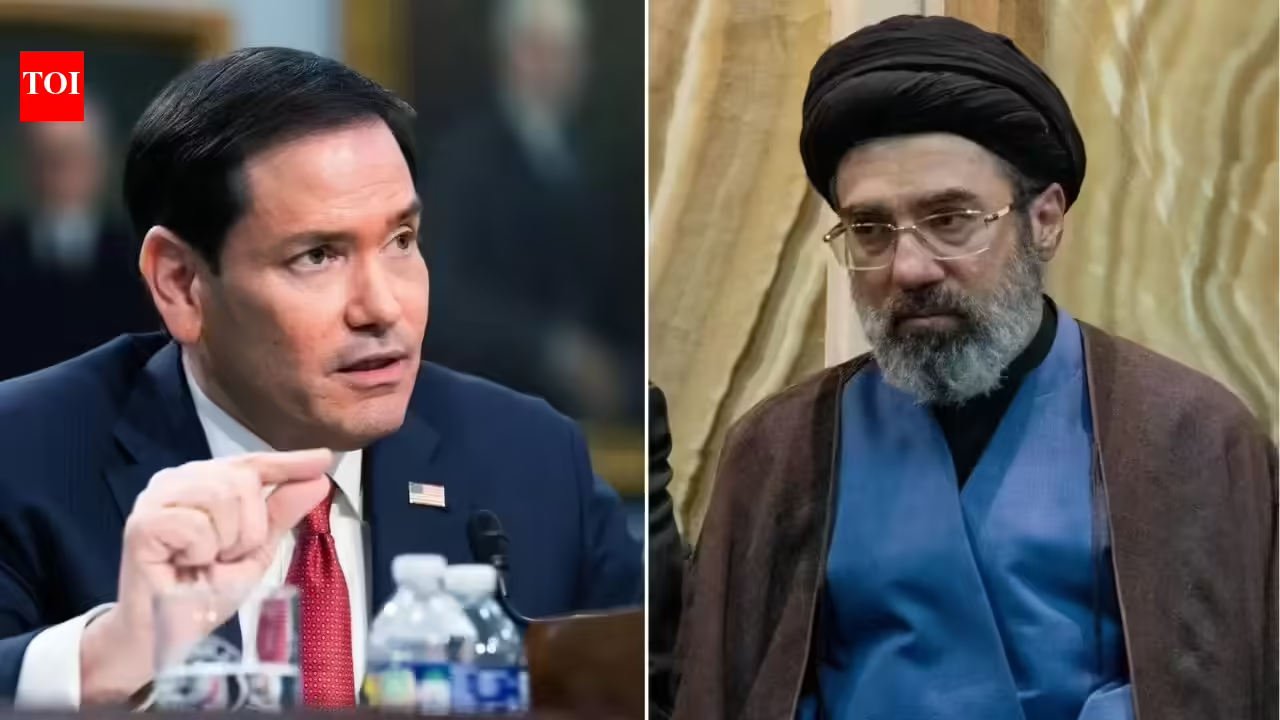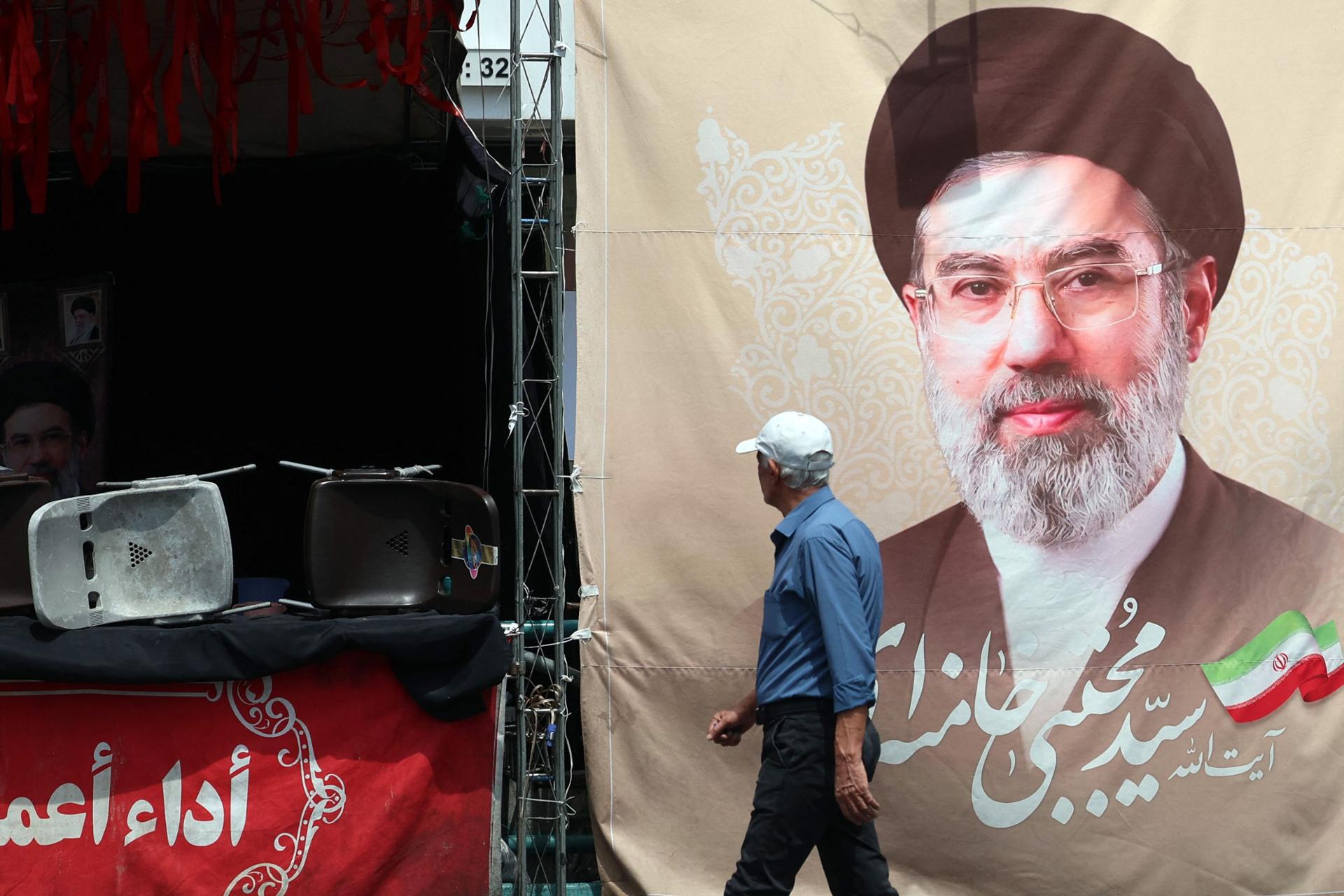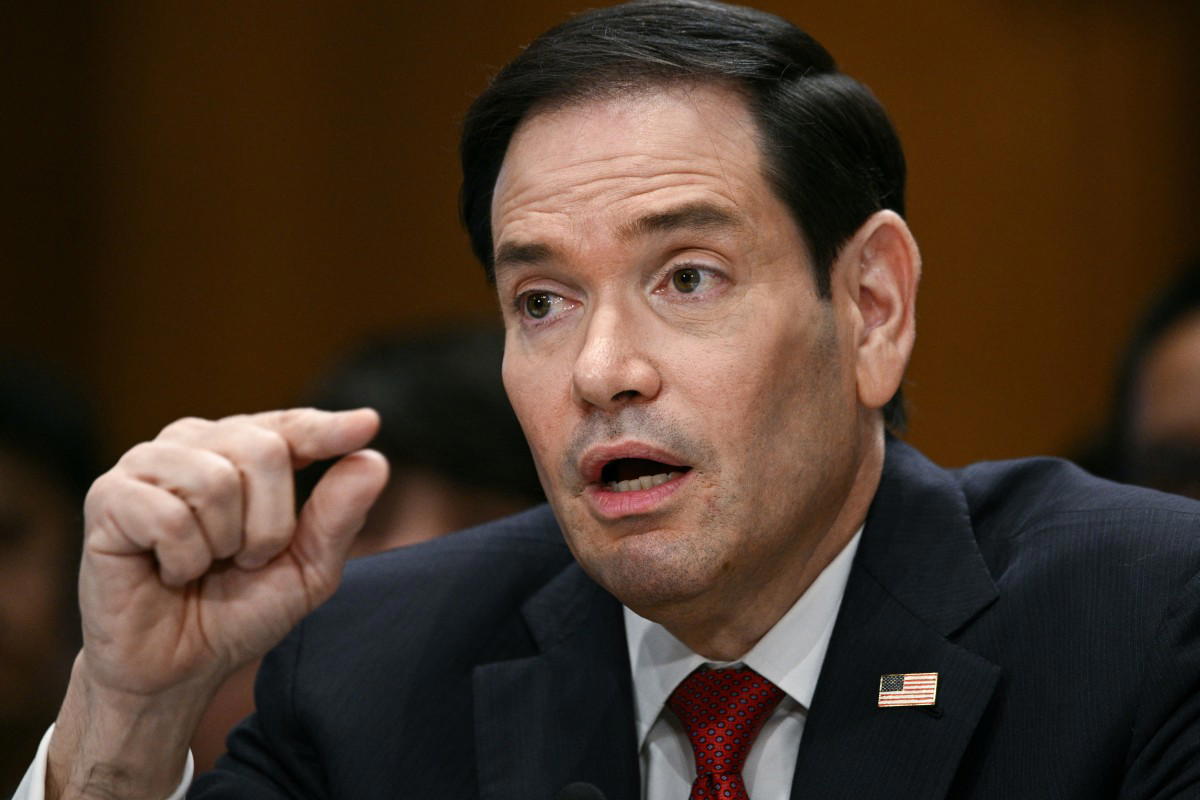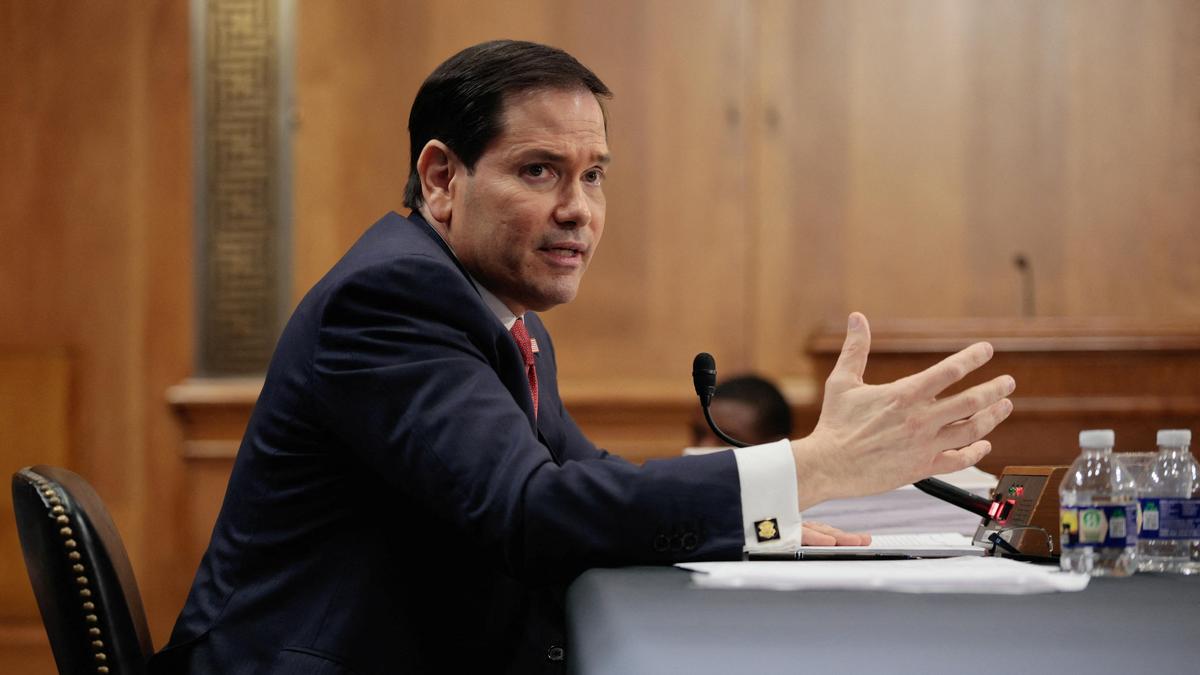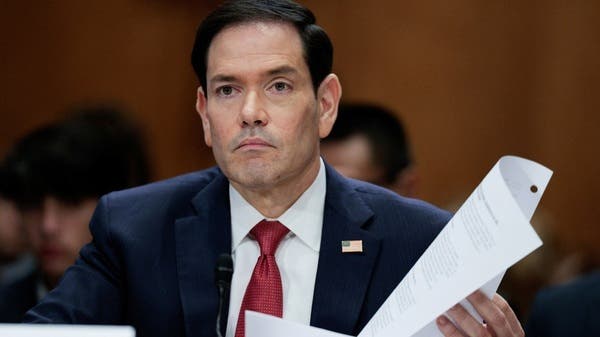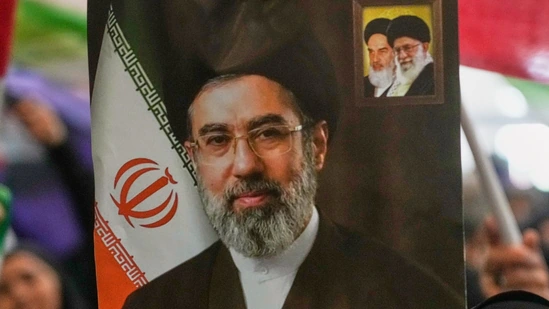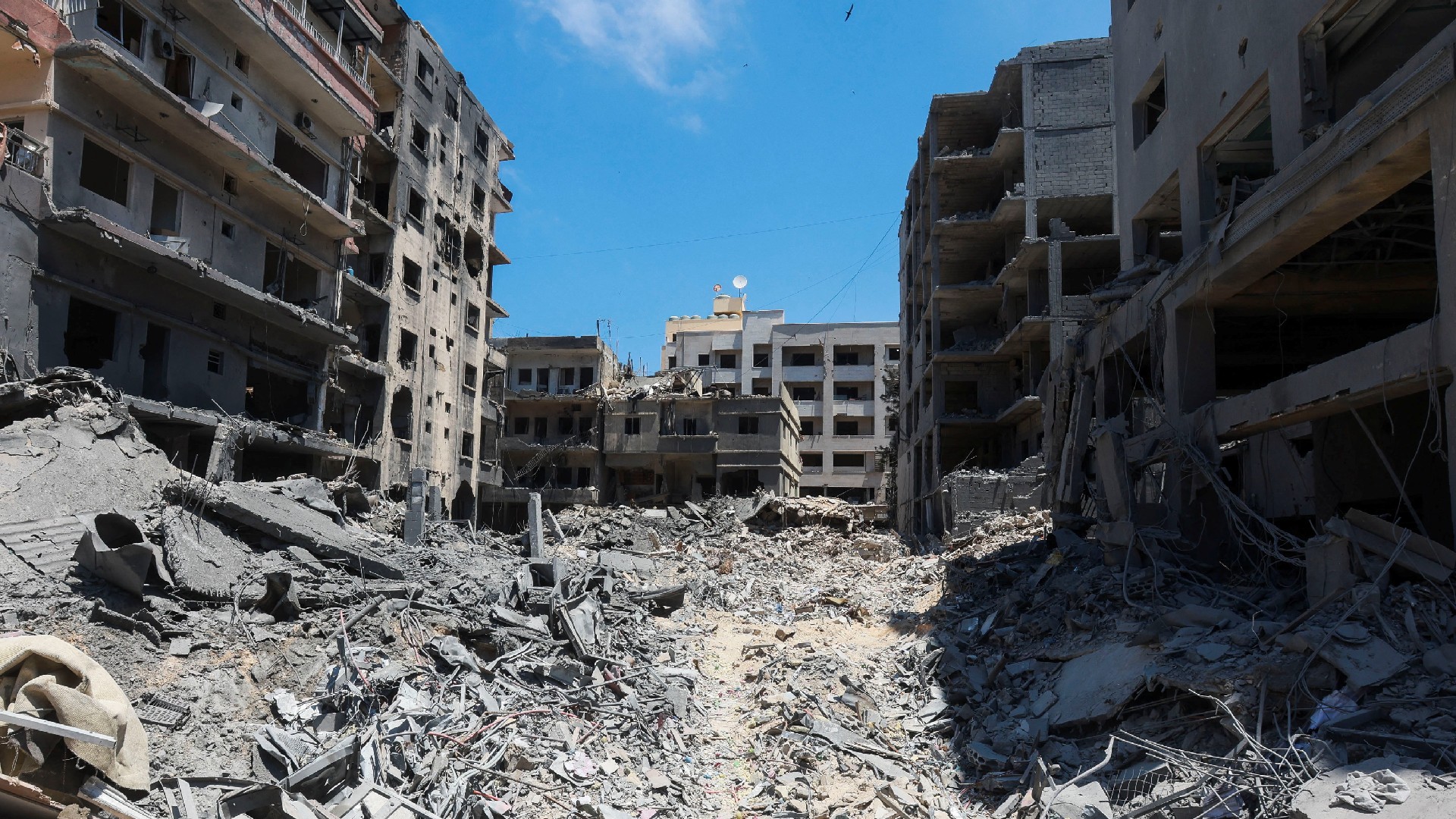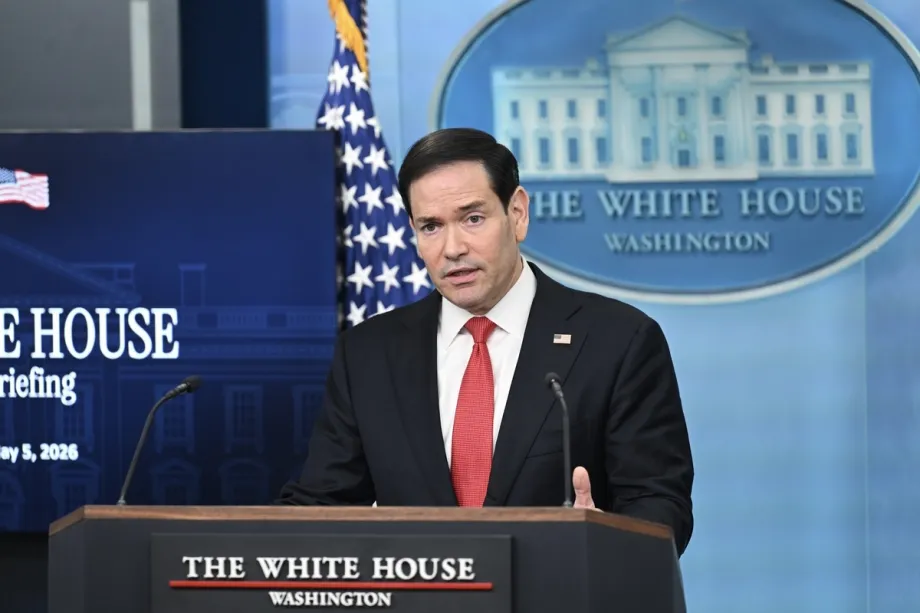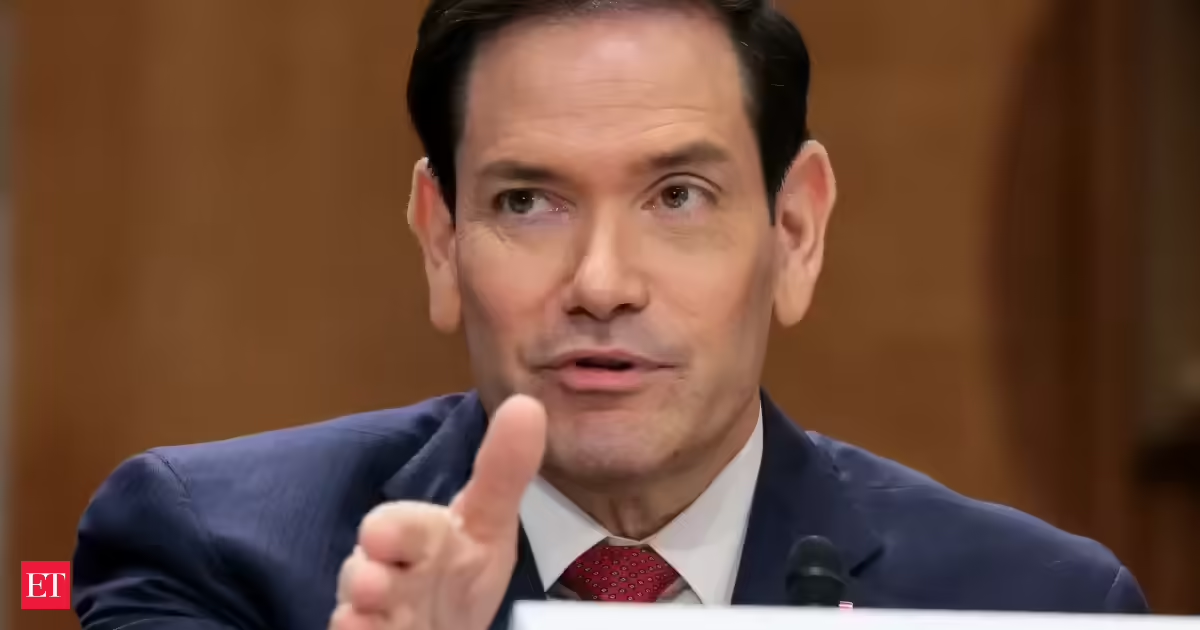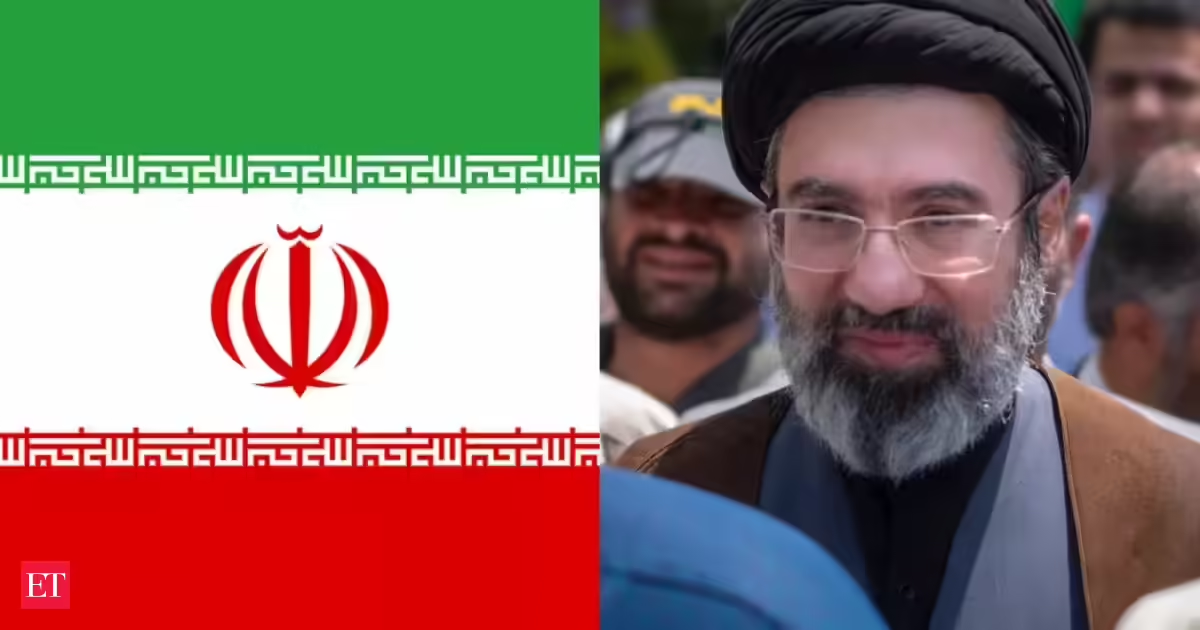
Marco Rubio Says Mojtaba Khamenei Is Alive and Influencing Iran Decisions as Leadership Questions Intensify: The future of US-Iran diplomacy may depend on a man few people have seen in recent months. That reality became clearer after Marco Rubio said negotiations with Iran will continue for several more days while Washington waits for critical decisions from Iran's leadership. At the center of the uncertainty is Mojtaba Khamenei, whose reported condition and limited accessibility are shaping the pace of talks. The latest developments reveal how diplomacy often moves at the speed of political decision-making rather than public expectations.Marco Rubio's remarks come at a sensitive moment. The United States is attempting to secure an agreement with Iran while avoiding another escalation in the Middle East. Yet progress has been slow. According to Israeli officials, Mojtaba Khamenei is currently difficult to reach because he is reportedly recovering from injuries in a secure location. As a result, responses from Tehran have taken longer than expected. That delay has become more than a logistical issue. It has evolved into a strategic factor influencing negotiations, military planning, and regional stability.Why is Mojtaba Khamenei affecting the pace of Iran negotiations?Mojtaba Khamenei has become a central figure in the ongoing Iran negotiations because major decisions reportedly require his approval or involvement. Israeli officials say communication channels have been slower than usual because he remains in a secure location and is recovering from injuries. Consequently, negotiations that might normally move quickly are facing repeated delays. Marco Rubio: There are indications that Mojtaba Khamenei is alive and becoming increasingly involved in decision-makingThe remarks follow months of US and Israeli media reports claiming Khamenei had been incapacitated or killed pic.twitter.com/OJobsJXaGH— RT (@RT_com) June 2, 2026 The situation demonstrates how leadership accessibility can influence international diplomacy. Even when negotiators agree on technical details, political approval remains essential. That appears to be the challenge facing the United States and Iran today. While discussions continue, final answers cannot arrive until Iran's leadership completes its internal review process.What are the biggest obstacles in the Marco Rubio Iran negotiations?One of the largest disputes involves frozen Iranian assets. Tehran is reportedly demanding immediate access to half of approximately $24 billion in frozen funds after a framework agreement is signed. The remainder would be released after a sixty-day implementation period.However, American officials have drawn a clear line. Washington insists that no funds will be released unless Iran's enriched uranium is removed or destroyed. A senior US official summarized the position with a simple phrase: "No dust, no dollars." That statement reflects the broader challenge facing negotiators. Both sides want progress, yet neither side appears willing to compromise on its most important demands.As a result, Marco Rubio's Iran negotiations remain active but fragile. The coming days could determine whether diplomacy advances or stalls once again.Could failed Iran negotiations increase military tensions in the Middle East?While diplomacy continues, military planners are preparing for alternative outcomes. Reports indicate that the Israel Defense Forces and US Central Command remain on heightened alert in case negotiations collapse. Military coordination between both countries continues through regular communication and contingency planning.This level of preparedness reflects the high stakes involved. President Donald Trump has repeatedly stated that he prefers a strong agreement rather than a weak one. If talks fail, pressure could increase for more aggressive measures. That possibility explains why every development involving Mojtaba Khamenei, Marco Rubio, and the Iran negotiations is being watched closely by governments around the world.Ultimately, the current situation is about more than a diplomatic agreement. It is a test of whether dialogue can overcome mistrust, competing interests, and geopolitical uncertainty. The slower pace of decision-making inside Iran may frustrate negotiators today, but it also reveals how leadership dynamics can shape global events. In a region where timing often determines outcomes, the ability to reach key decision-makers may prove just as important as the substance of the negotiations themselves.
Is Mojtaba Khamenei alive after months of rumors? Marco Rubio reveals new details about Iran’s decision-making process today
Marco Rubio Says Mojtaba Khamenei Is Alive and Influencing Iran Decisions as Leadership Questions Intensify. The latest comments from Marco Rubio have reignited global attention on Mojtaba Khamenei and the future of Iran's leadership. For months, rumors circulated across international media suggesting Mojtaba Khamenei had been incapacitated, seriously injured, or even killed.
648 words~3 min read