(Image credit: Getty Images)
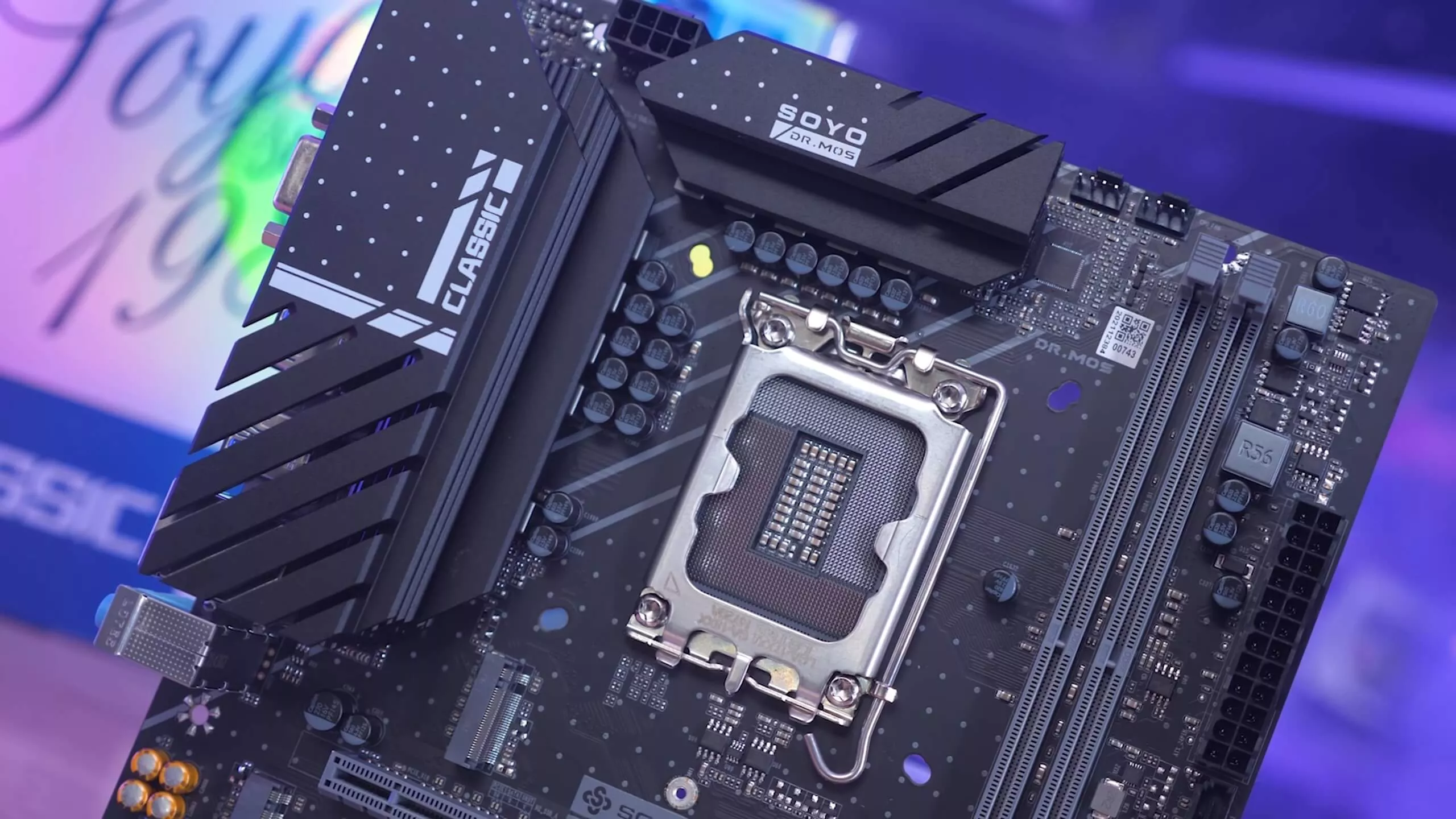
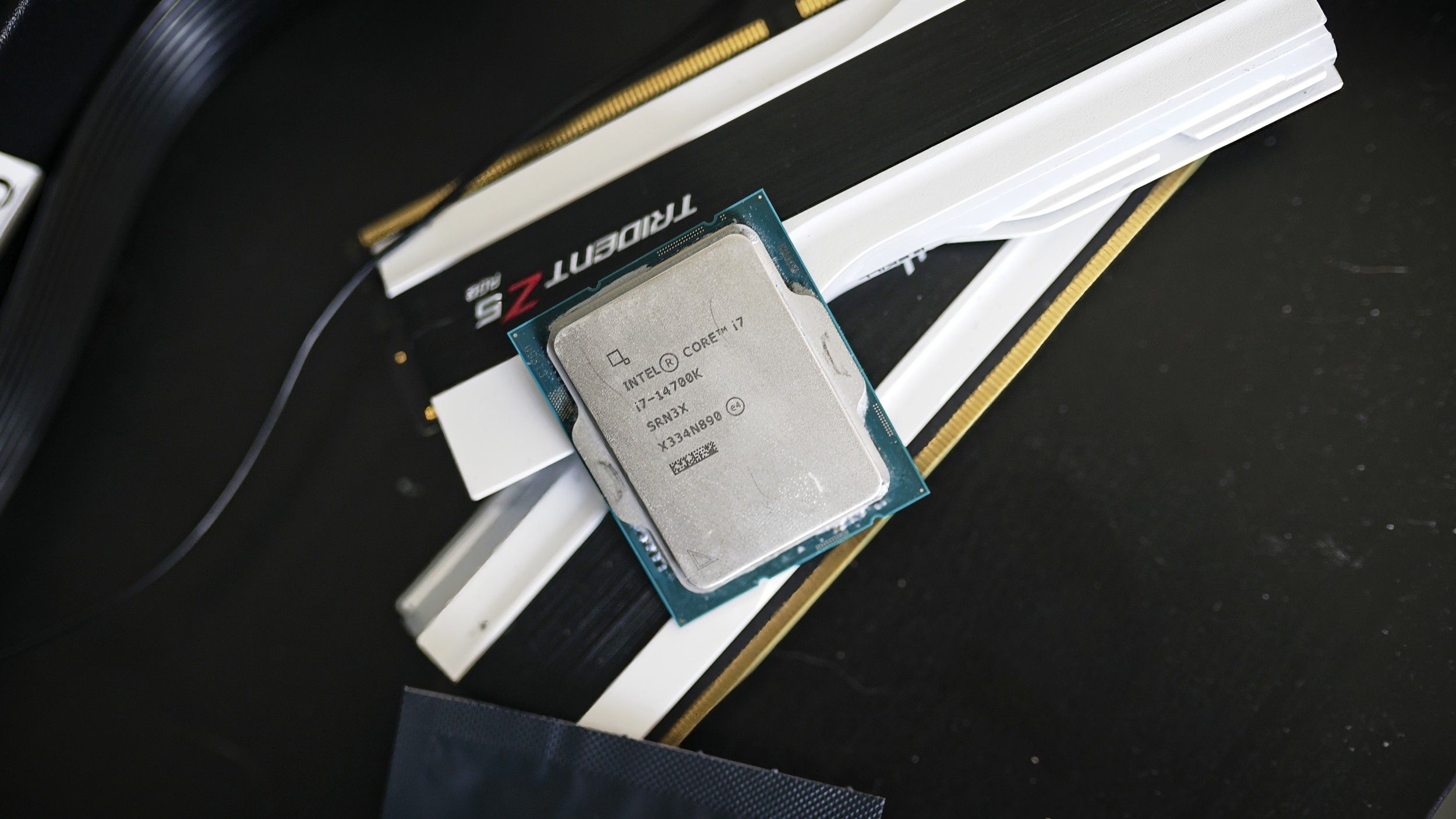
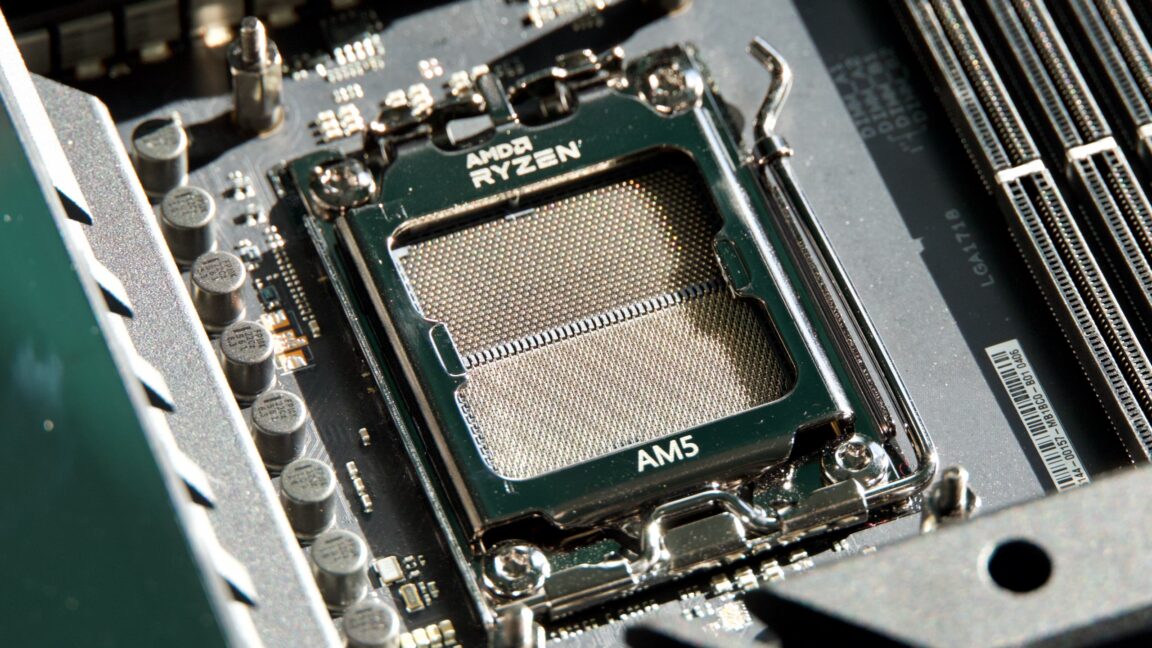
If you ask a computer enthusiast, particularly an Intel one, what they hate most, it’s having to upgrade to a new motherboard to take advantage of the best CPUs. However, a shift may be on the horizon. According to reputable Intel hardware leaker Jaykihn, Intel may finally be following AMD’s footsteps in long-term socket longevity. The upcoming LGA1954 socket reportedly has the potential to support multiple generations of next-generation chips, starting from Nova Lake, Razor Lake, and beyond.Upgrading motherboards has always been a point of frustration for Intel customers. Buying a new processor comes with the hidden cost of a new motherboard and sometimes the need to replace other components along the way. A longer socket lifespan would definitely make Intel platforms more appealing to consumers, and it would reduce the hassle and expense of frequent motherboard upgrades, something Intel users have been asking for ages.If Jaykihn's information is accurate, upcoming LGA1954 motherboards featuring the 900-series chipset, especially the enthusiast-oriented Z series, will have a 64MB BIOS SPI ROM. Therefore, future processors released after Razor Lake can work on these motherboards without encountering firmware size limitations. As a result, Z970 and Z990 motherboards are probably the prime candidates for extended compatibility.Interestingly, the leaker notes that Intel is seemingly recommending, but not requiring, manufacturers of more mainstream boards like the B960 to also use 64MB BIOS chips. It will create a significant distinction between buyers at different price points. As expected, enthusiasts and high-end users will enjoy more seamless support for future processors, while the budget-conscious consumers might face some limitations depending on the motherboard brand. With AMD's AM4 socket, some vendors put larger BIOS chips on accessible motherboards with B-series chipsets. We could see something similar with Intel's LGA1954 platform.LGA1954 will include support beyond Razor Lake on boards with 64MB SPI, which includes all Z-series boards.June 2, 2026Logically, motherboard vendors will need to take a more future-proofing approach in design and support. One of the key considerations will be equipping Intel 900-series motherboards with either one large BIOS chip or two smaller BIOS chips to accommodate firmware for future processors. Supporting multiple generations of processors on a single platform signals additional investment by motherboard manufacturers.For example, with AMD’s AM4 socket, the chipmaker released so many different processors for the platform over its lifespan that some motherboards, particularly the more affordable models with smaller BIOS chips, eventually had to sacrifice backward compatibility or remove features to make room for the latest ones.If we take a stroll down memory lane, the LGA775 socket has probably been Intel's longest-lived mainstream socket. The LGA775 socket, introduced 22 years ago, was home to four generations of Intel processors. Most sockets after that only supported two generations, if we omit refreshes. The LGA2011 socket had similar longevity to LGA775 and supported four different architectures, but it's technically a HEDT socket.Get Tom's Hardware's best news and in-depth reviews, straight to your inbox.If Intel is indeed pursuing the long game with LGA1954, it would mark a significant milestone in the chipmaker's history. AMD has already voiced its commitment to supporting the existing AM5 socket through 2029. The LGA1954 socket, which will debut later this year alongside Intel's Nova Lake how processors, could change the way consumers perceive the Intel platform if Intel delivers on rumored long-term platform support.