conditions who often also have food insecurity and/or activity limitations
view more
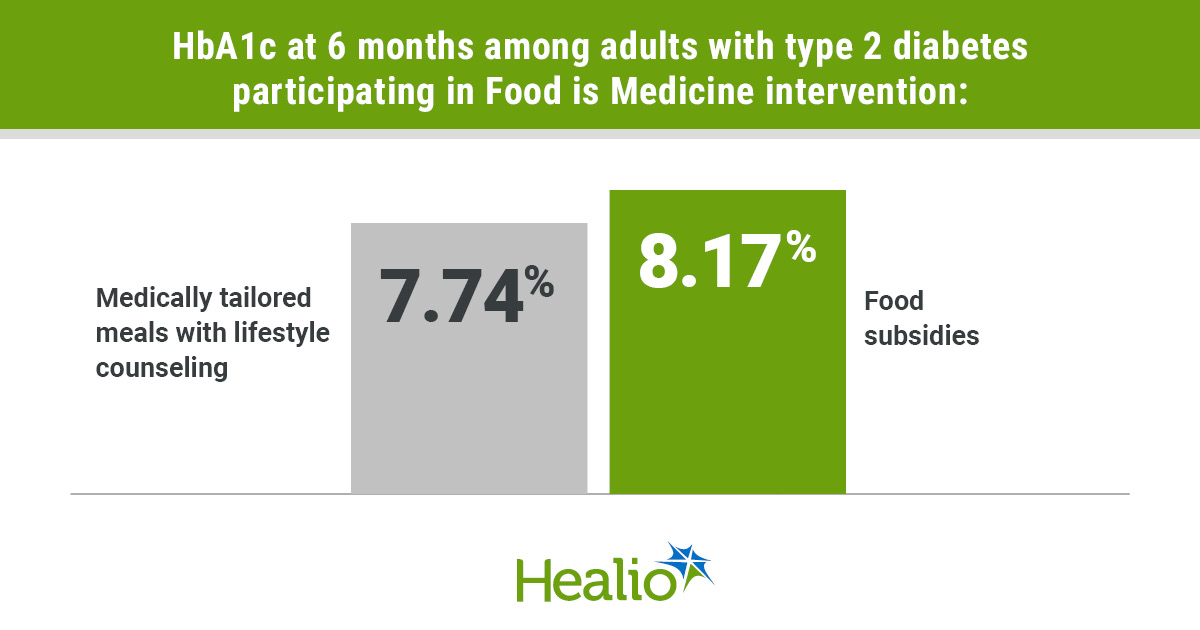
At least a dozen U.S. states are rolling out medically tailored meals in pilot projects through Medicaid, the federal–state health insurance program serving 71 million Americans who qualify based on income or disability status. Now, the first large statewide analysis of Medicaid data finds that people with diabetes, heart disease, depression, and other conditions who received these home-delivered, dietitian-designed meals experienced significantly fewer health emergencies and lower costs of care than those who did not.
The new study, published today in Nature Medicine by researchers at the Food is Medicine Institute at Gerald J. and Dorothy R. Friedman School of Nutrition Science and Policy at Tufts University, UMass Chan Medical School, Community Servings, and multiple state healthcare systems, found that Massachusetts Medicaid members who received medically tailored meals had 31% fewer hospitalizations and 20% fewer emergency department visits. Per-person healthcare costs declined by $3,433 while patients were on the meal program (an average of roughly six months), offsetting 98% of the program's cost.