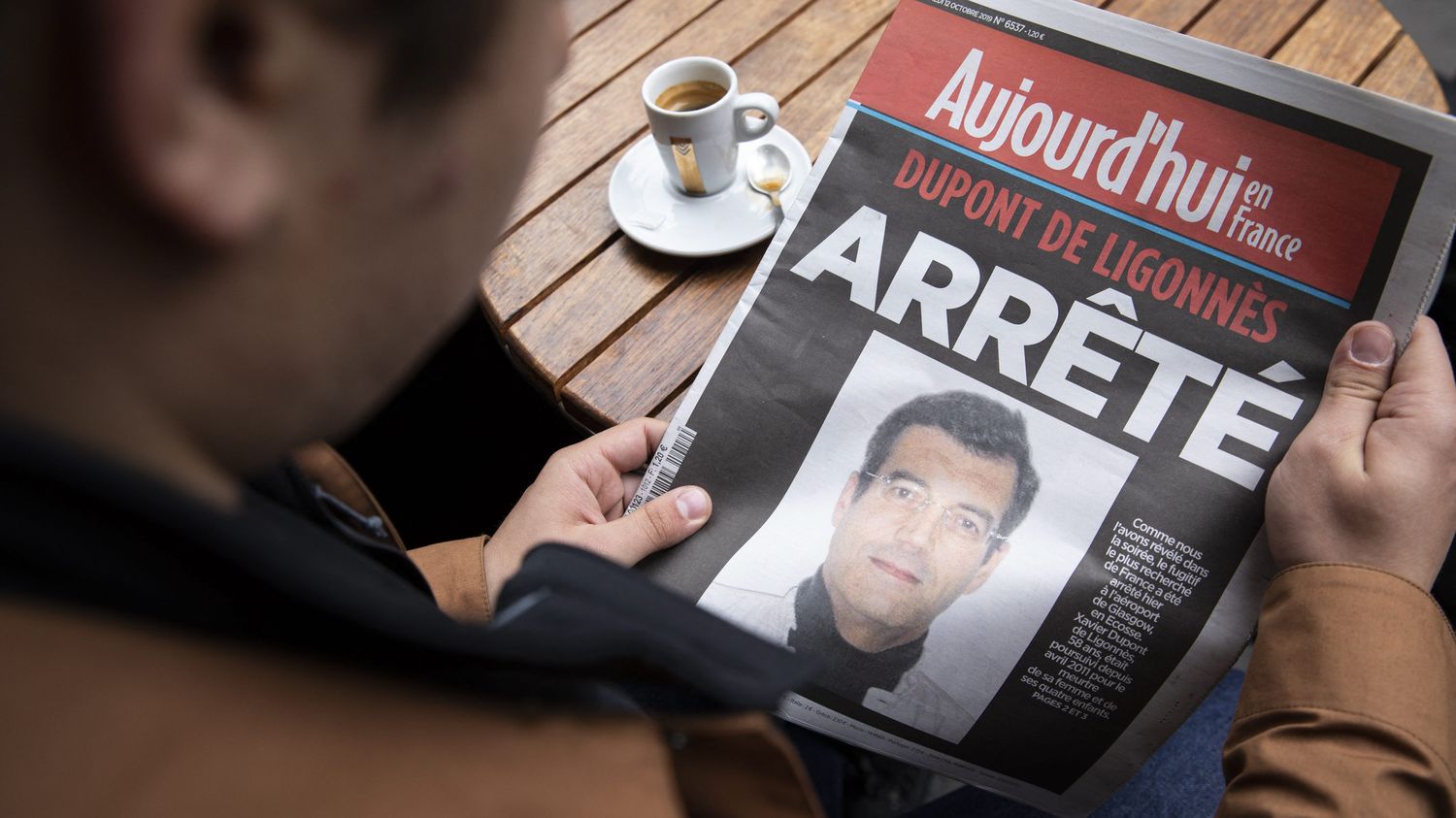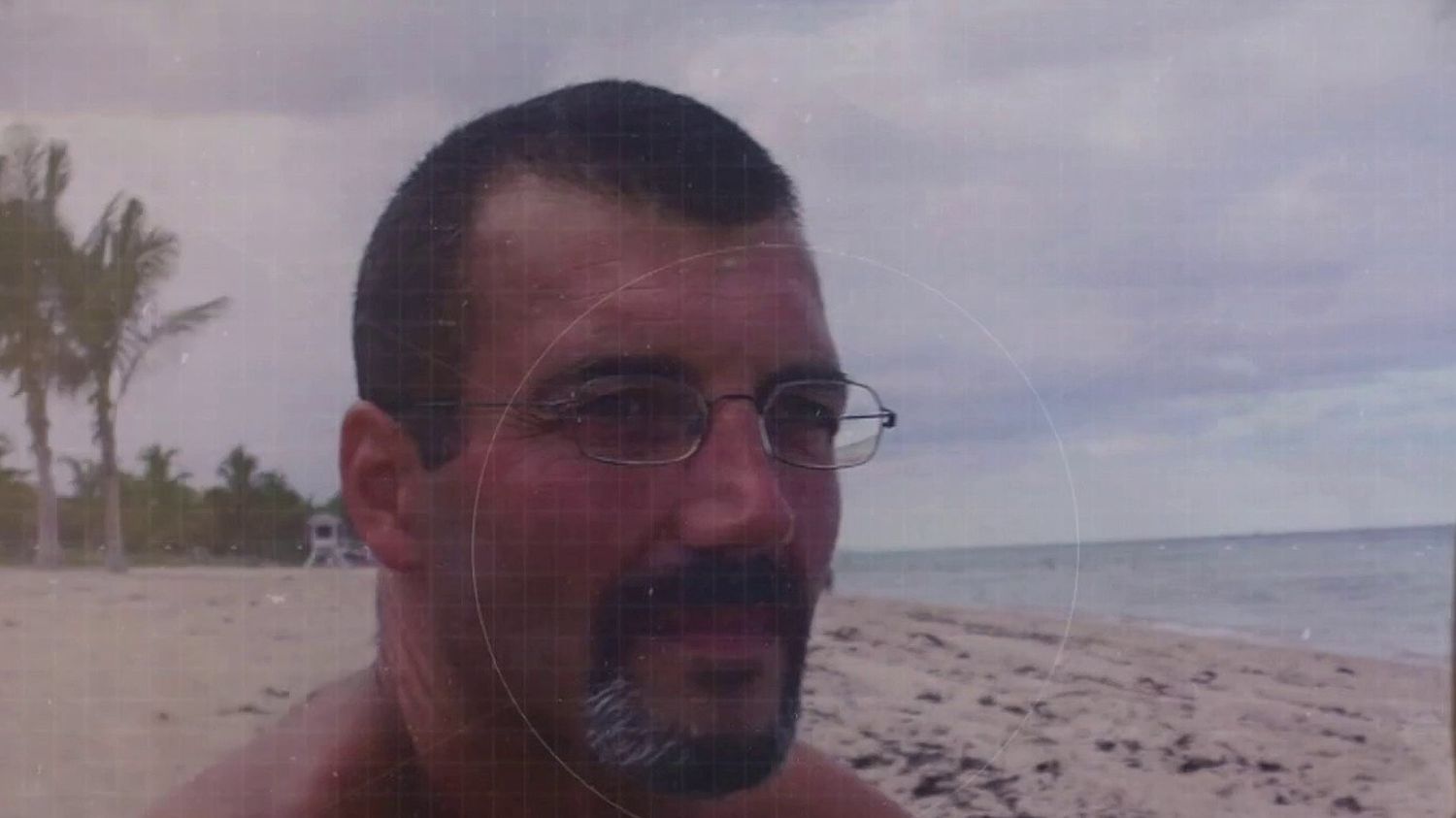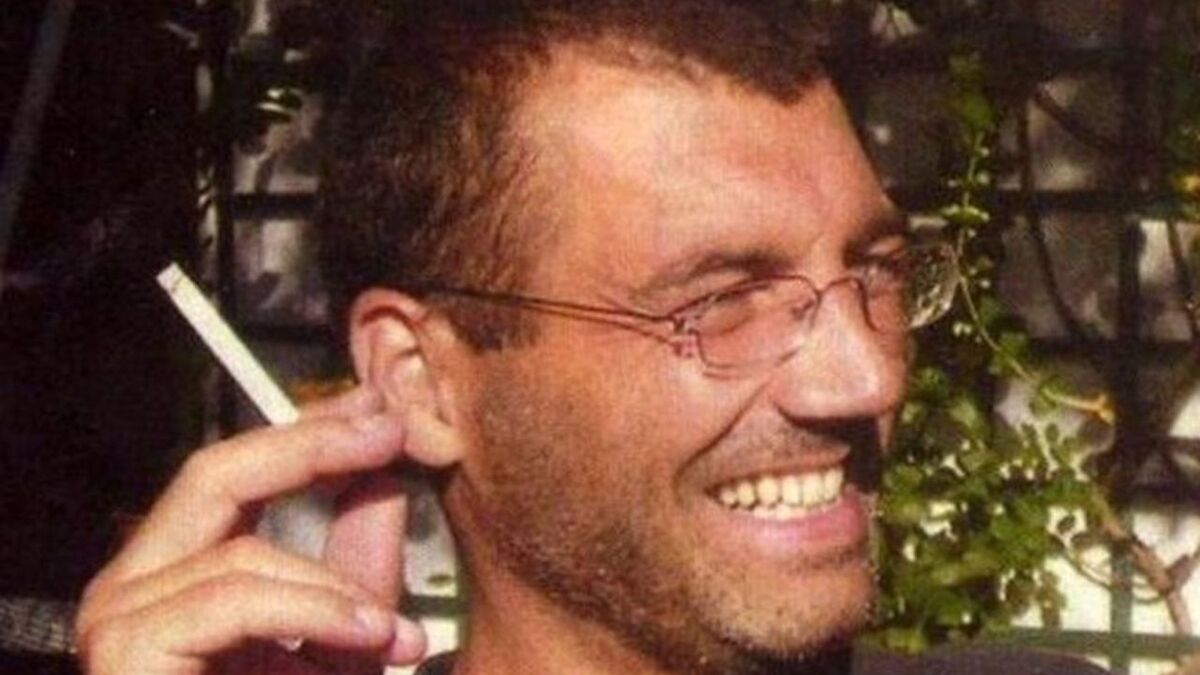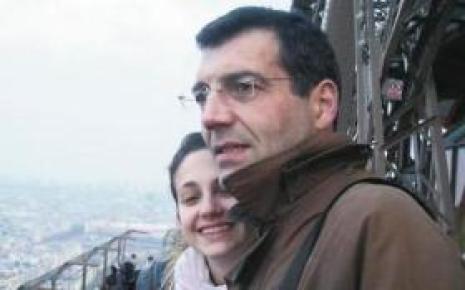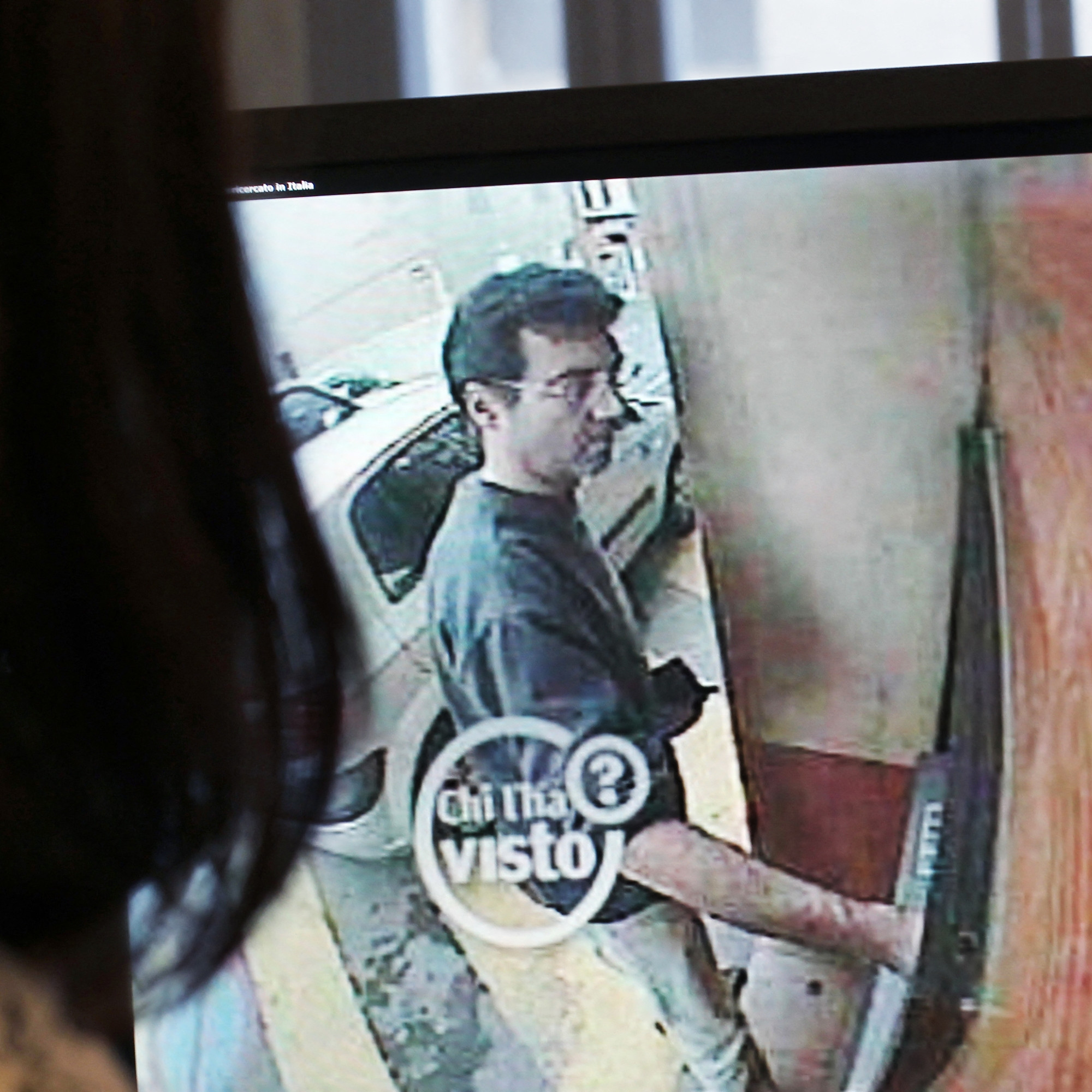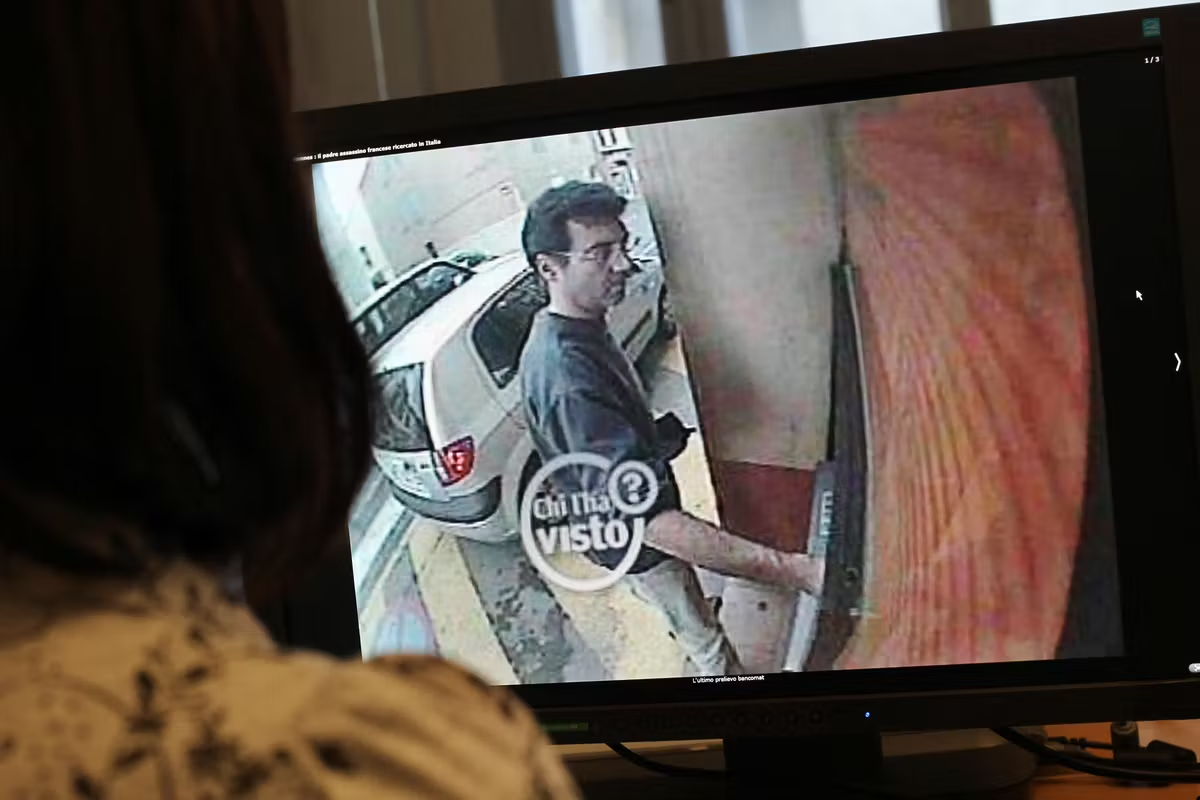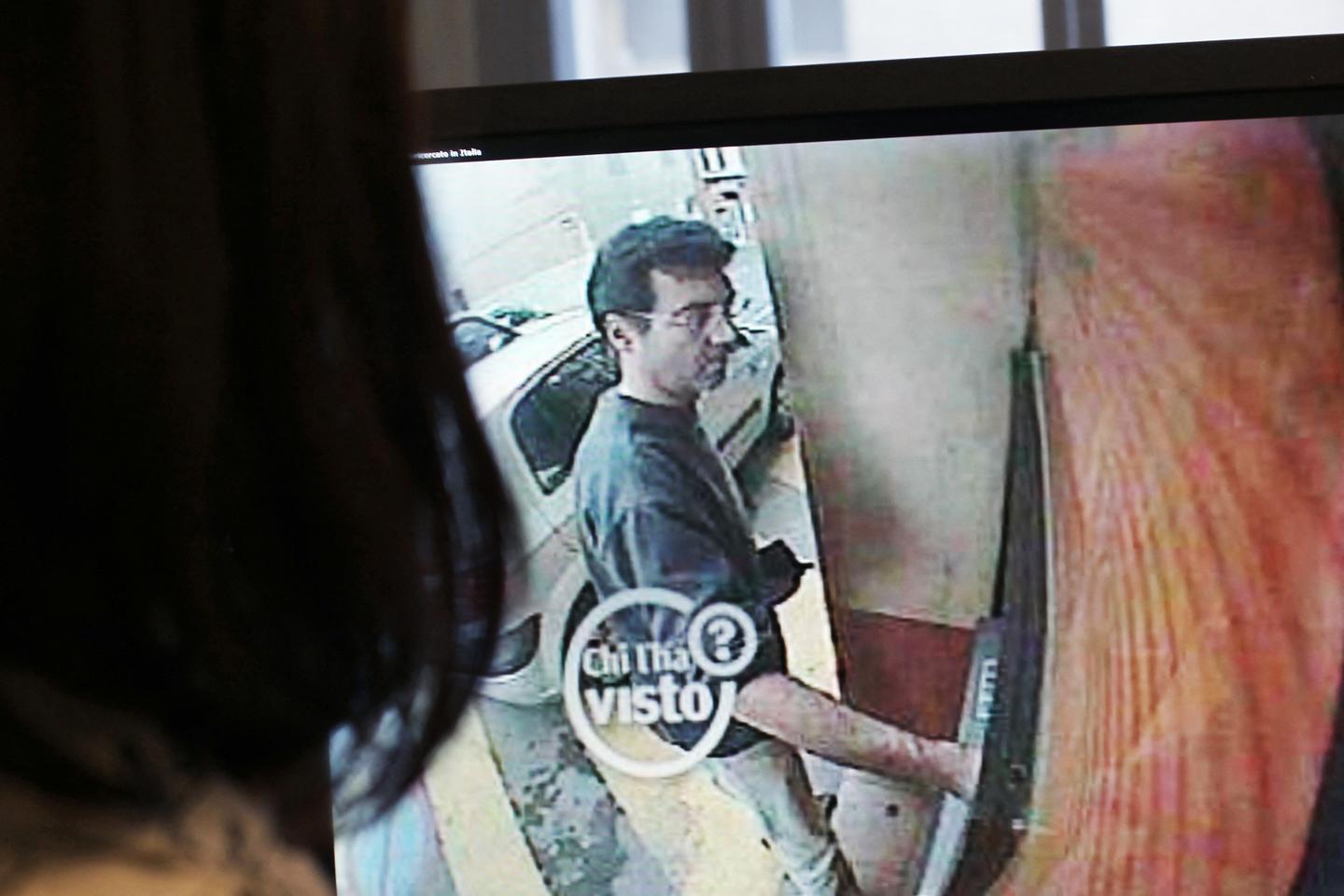
To the outside world, the Dupont de Ligonnès family appeared to lead a somewhat ordinary life in the outskirts of the western French city of Nantes. Described as a “polite and discreet” family man by his neighbours, Xavier worked as an entrepreneur, selling advertising space and tourist guide listings. His wife, Agnès, worked as a local school assistant and taught catechism. Their children – Benoît, 13, Anne, 16, Thomas, 18 and Arthur, 20 – attended school. But on April 21, 2011, local police – called to the home by friends and family concerned by the family’s silence and the fact that the house appeared to have been shuttered – made a horrific discovery: Agnès, the four children, and even the family’s two Labradors, were found buried under the terrace.
From top to bottom, from left to right: Xavier Dupont de Ligonnès, his wife Agnès, andtheir children Thomas, Arthur, Anne and Benoît. © AFP/ File picture
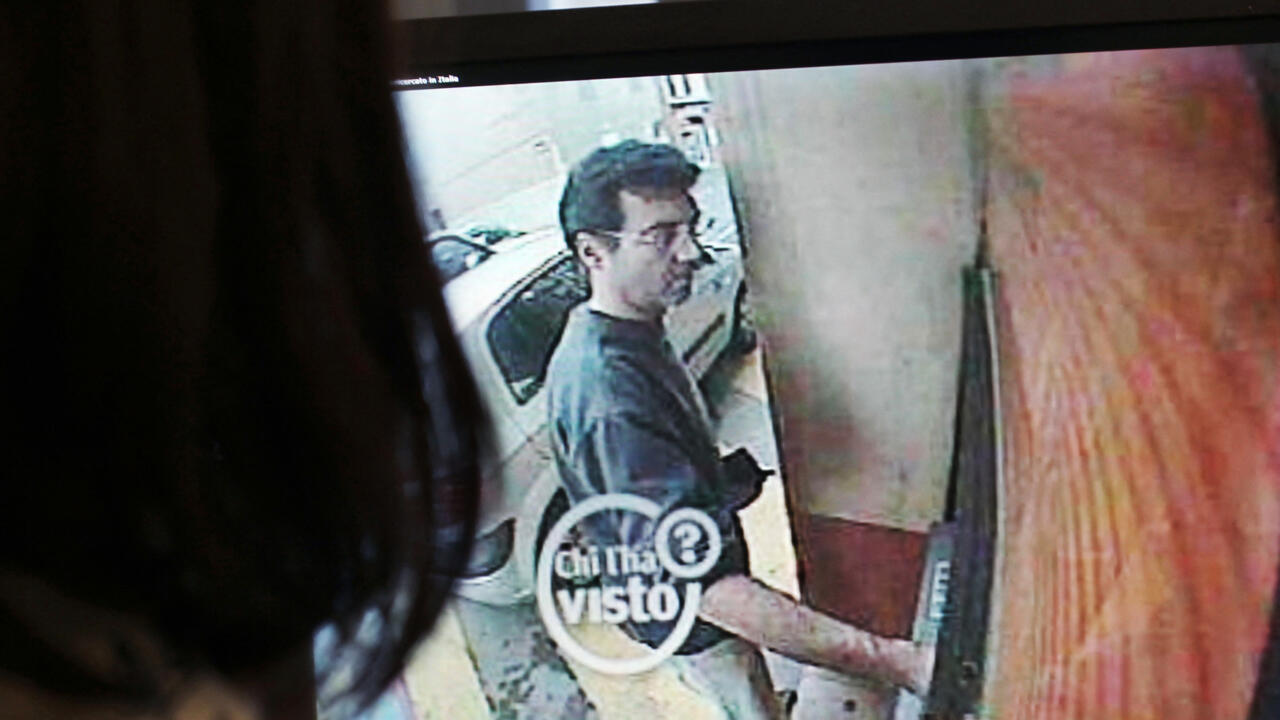
Their bodies had been covered in quicklime – a chemical component known to speed up decomposition – wrapped in hessian sacks and sealed under a fresh slab of concrete. The autopsies showed they had all been sedated and shot in the head. When they were found, they had been dead for more than two weeks. But one family member was missing: Xavier Dupont de Ligonnès. Weird messages and head-start The father quickly became the prime suspect in the murder investigation. Not least because he had recently inherited the gun used in the killings, but also because police could link him – through receipts found in the house and credit card purchases – to the material used to bury the victims. Read moreInternational alert issued for father of slain Nantes family The evidence against him was further consolidated when members of the extended family then received a bizarre letter, dated a few days after the murders. In the letter, Xavier explained that he had been working as a secret agent for the American Drug Enforcement Administration (DEA), but that his cover had been blown. The whole family had been forced to go into hiding “somewhere warm”, he wrote, and had been given new identities. They would not be able to contact anyone for several years, he explained. The letter also contained instructions on what they needed to do with the family’s belongings. Although most of it was given away, he wanted some of them to be sold, and the money to be transferred to his sister’s bank account. His wife’s employer also received strange messages: First, that she had been hospitalised with gastroenteritis, and then that she was resigning because her husband had received a once-in-a-lifetime work opportunity in Australia. The two youngest children’s schools received similar notes. When police began their manhunt for Dupont de Ligonnès, the murder suspect already had a comfortable, 17-day, headstart. Still, thanks to security cameras and hotel stays paid via credit card, investigators could trace at least the first week of his escape across France. The Texan appeal But on April 15 – almost a week before police was even called to the crime scene in Nantes – Dupont de Ligonnès suddenly disappeared into thin air. A CCTV camera at a motel parking near the southern French village of Roquebrune-sur-Argens is believed to have caught the last known glimpses of him. On the footage, he can be seen walking out of the parking lot, leaving his car behind.