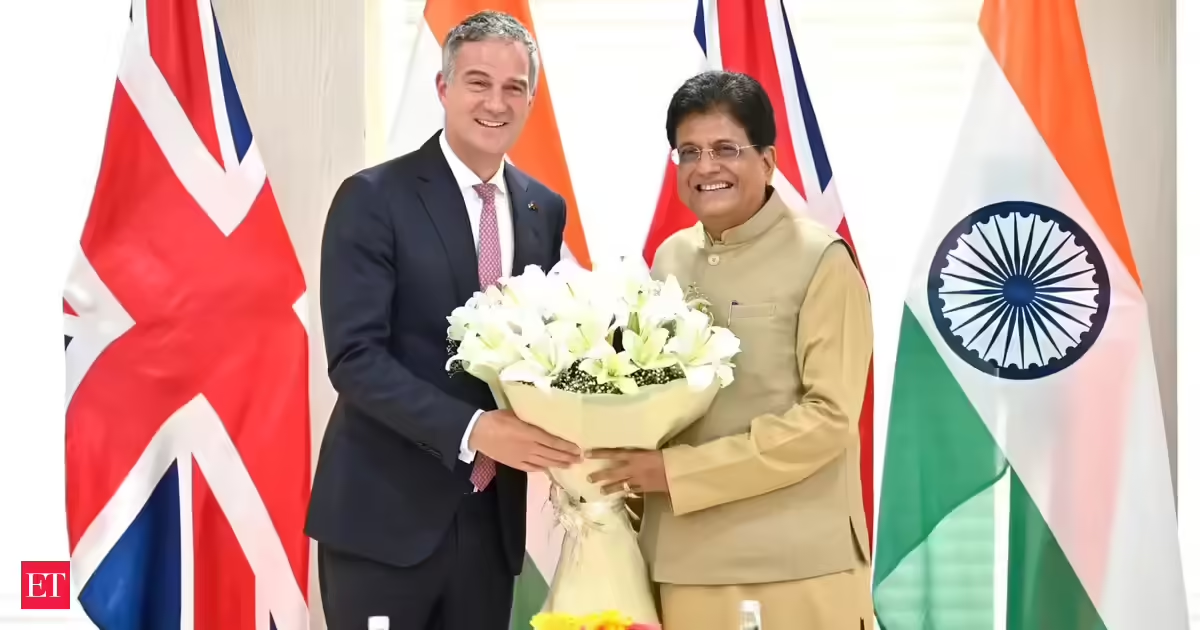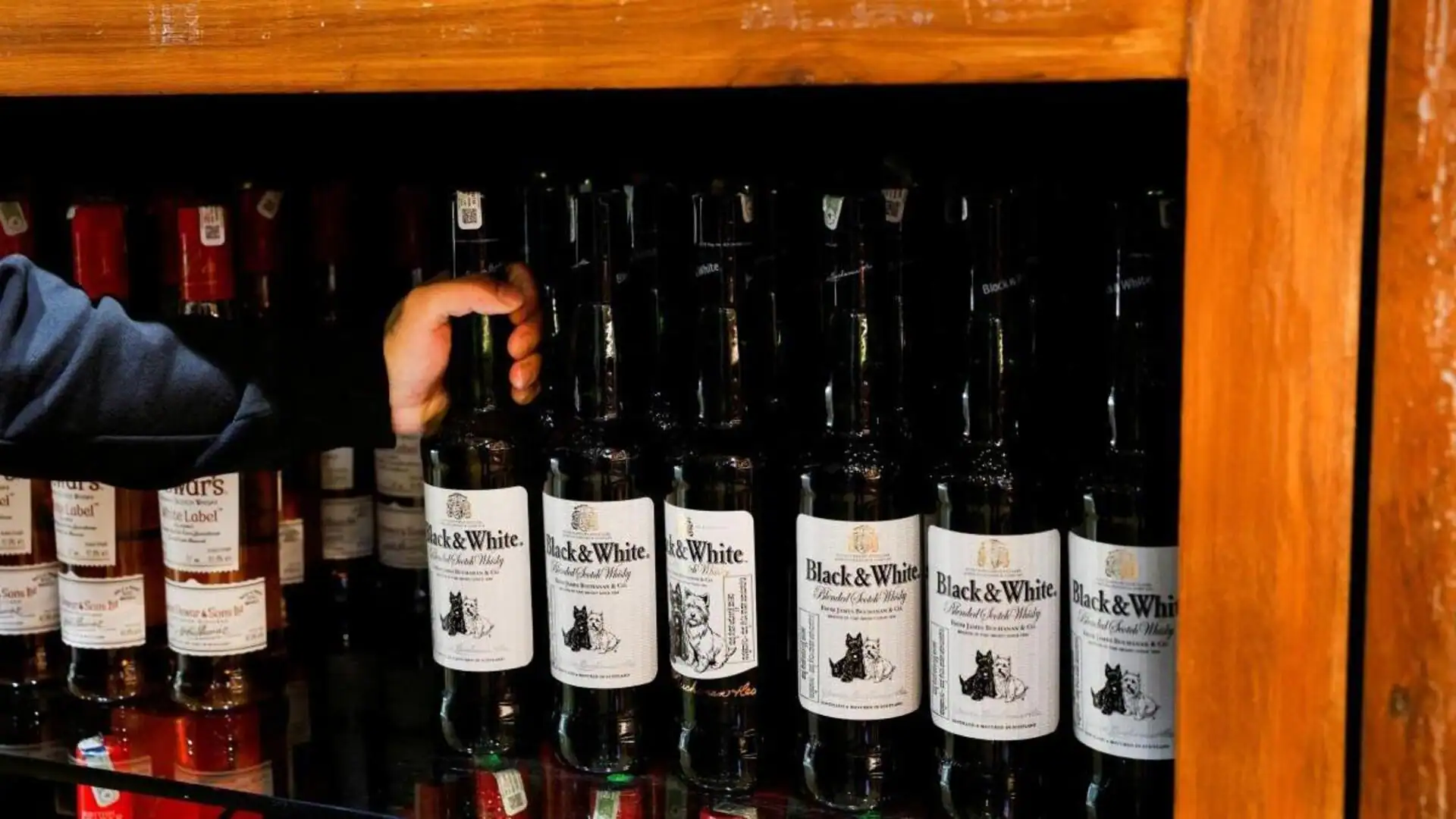
New Delhi, India and the UK on Tuesday discussed the "sticking points" that are delaying the implementation of the Comprehensive Economic and Trade Agreement (CETA) between the two countries.The pact was signed in July last year.The issues came up for discussion during the meeting between Commerce Secretary Rajesh Agarwal and UK Permanent Secretary Amanda Brooks.Also Read: UK Foreign Secretary Yvette Cooper to visit India soon; FTA among key agenda items: MEA"Engaged in extensive discussions with UK Permanent Secretary Ms. Amanda Brooks on #IndiaUKCETA implementation."Took stock of progress and worked through the sticking points, while exploring new pathways under #IndiaUKCETA #GlobalTrade #EconomicPartnership aligned with #ViksitBharat. Reaffirmed commitment to regular engagement with @UKGovScotland @TradeGov for effective implementation," Agarwal said in a social media post.Britain's steel safeguard measure and carbon border adjustment mechanism (CBAM) are delaying the implementation of the pact.According to government sources, India may rebalance some duty concessions on certain British products like Scotch Whiskey under the agreement with the UK if these issues are not addressed.From July 1, 2026, the UK will limit tariff-free steel imports, reducing overall quota volumes by 60 per cent compared to the steel safeguard measure. Any imports above these levels will then face a 50 per cent tariff.Also Read: SBI Chairman, Apple India MD among 29 members appointed to Board of TradeThe measure will apply to imports of steel products that can also be made in the UK. Earlier, Britain had safeguard measures that also imposed import quotas. The new measures reduce that quota.The UK government in December 2023 also decided to implement its Carbon Border Adjustment Mechanism (CBAM) starting in 2027.Meanwhile, Commerce and Industry Minister Piyush Goyal on Tuesday held talks with UK Secretary of State for Business and Trade Peter Kyle on ways to further strengthen economic ties."Had great conversations on charting the next phase of India-UK economic engagement, advancing shared business priorities, and further strengthening our robust and forward-looking partnership," Goyal said in a social media post.According to economic think tank GTRI, India's exports worth USD 775 million to the UK may be impacted due to Britain's decision to introduce a carbon tax on products like iron and steel, aluminium, fertiliser and cement, from 2027.The UK, after the European Union (EU), will be the second economy to implement CBAM. It calls the move the import carbon pricing mechanism and will initially focus on sectors such as iron, steel, aluminium, fertiliser, hydrogen, ceramics, glass, and cement.This tax could range from 14-24 per cent of the import value on full phase-out of free allowances under the ETS (Emission Trading System).India's exports of iron and steel and their products to the UK stood at USD 893.4 million in 2025-26, accounting for a significant share in total merchandise exports to the UK, which stood at USD 13.4 billion.As per the pact, India has announced a reduction in the duty on UK whisky and gin from 150 per cent to 75 per cent, and to 40 per cent in the 10th year of the deal.In India, Scotch whisky brands, such as Johnnie Walker, Chivas Regal, and The Glenlivet, are the most popular. Among these, Johnnie Walker is one of the best-selling Scotches here.
India, UK discuss sticking points delaying free trade pact rollout
As India and the UK maneuver through complex trade discussions, they are focused on addressing the sticking points that are currently slowing down their agreement. Issues like the UK's steel safeguard measures and carbon taxation are raising eyebrows. If these concerns persist, India could rethink its tariff concessions on British exports, particularly the beloved Scotch whisky.
TL;DRAI
India-UK CETA stalled by UK steel safeguard (60% quota cut July 2026) and 2027 CBAM, threatening $775M in Indian exports. UK carbon-border mechanism mirrors EU precedent, signaling Western shift toward carbon-weighted import pricing—reshaping supply-chain cost models for IT infrastructure and materials.
526 words~2 min read