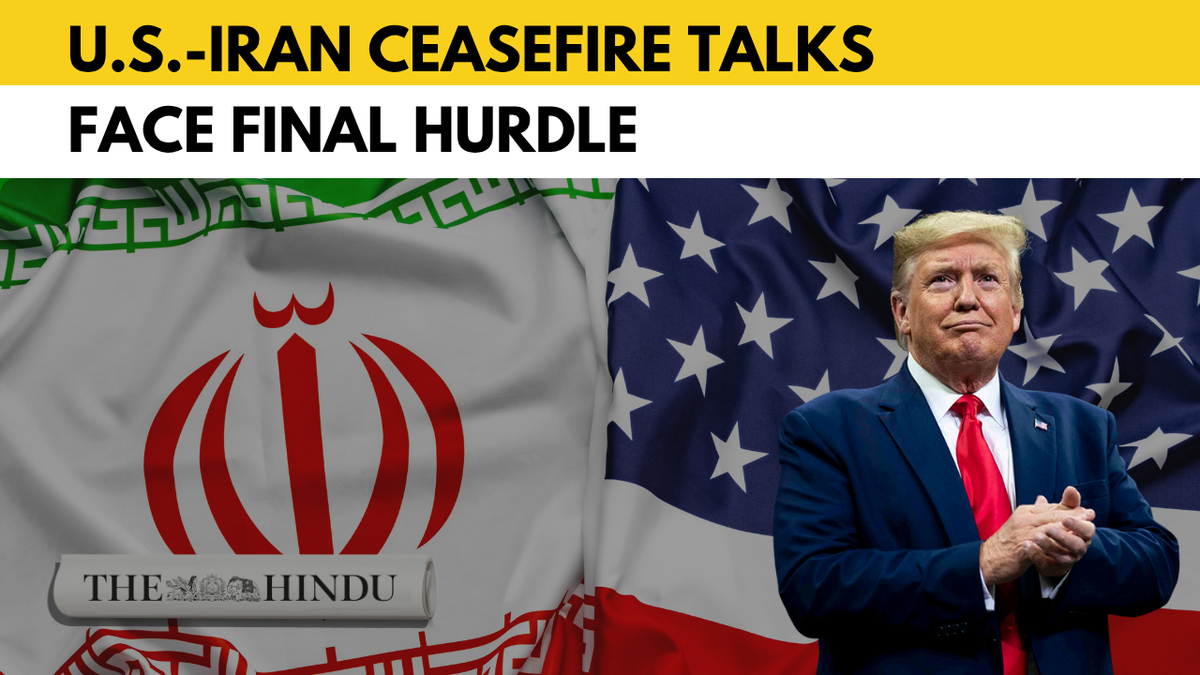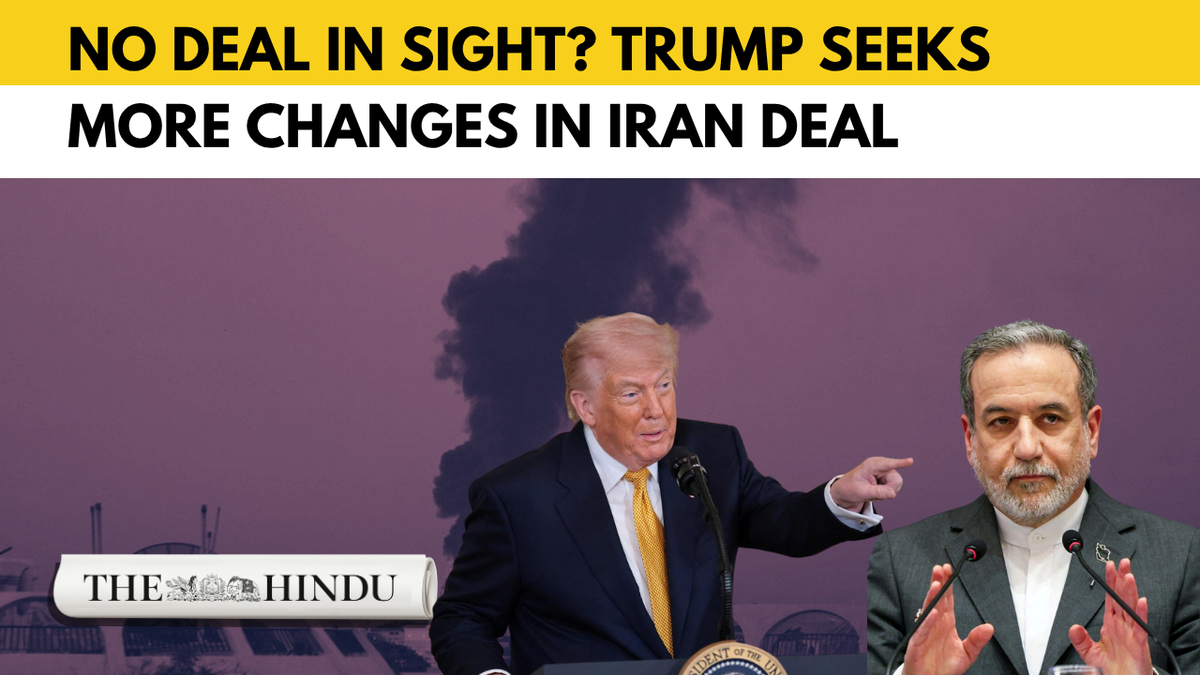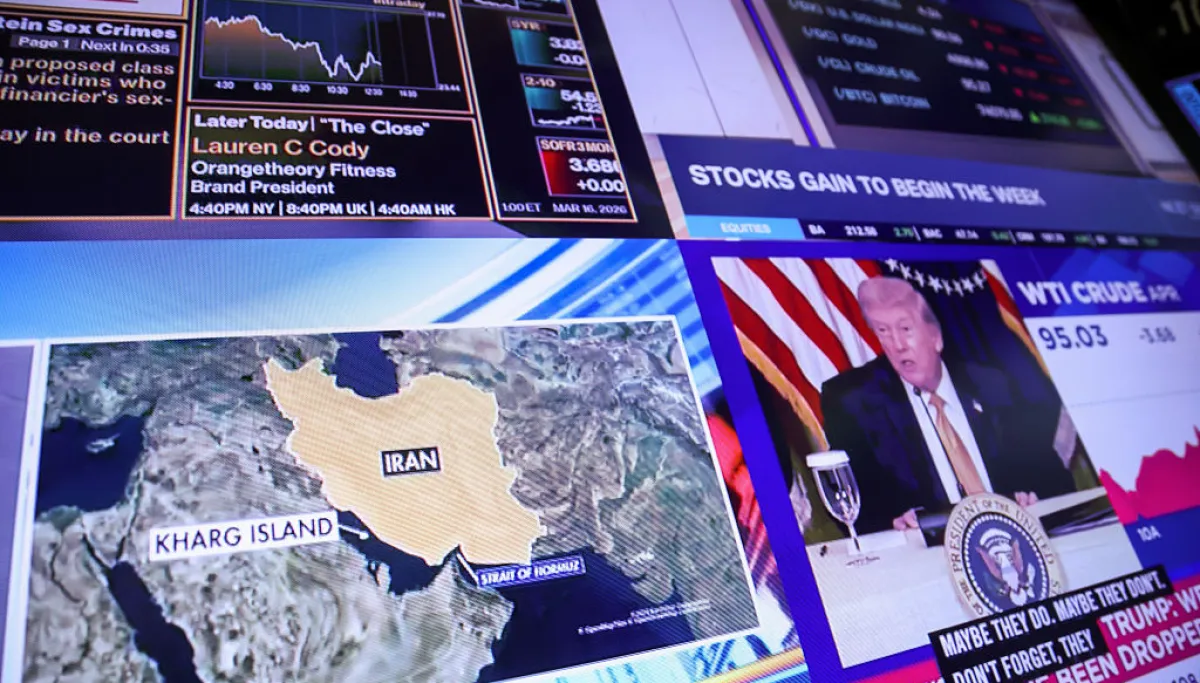
The U.S. military and Iranian forces continue to launch attacks on one another. So, why does the ceasefire broadly still hold?The answer is actually quite simple. The ceasefire is holding because President Donald Trump and Iran individually believe that they, more than the other, can maximize their interests by matching tit-for-tat violence with diplomatic patience. Both sides also believe that a resumed war carries far more risks than it offers possible benefits.Trump is gambling that the Islamic Revolutionary Guard Corps hard-liners who now hold most decision-making sway will buckle under the economic pressure of the U.S. Navy blockade of Iranian oil tankers. And, in turn, that they will accept a peace agreement that sees Iran reopen the Strait of Hormuz energy export chokepoint, suspend nuclear activities, and surrender enriched nuclear material.
In contrast, Iran hopes that the U.S. domestic pressures born of the Strait of Hormuz closure will see Trump accept a ceasefire predisposed toward Tehran. Iran knows that U.S. gas prices are causing growing Republican concern amid the approaching midterm elections. Iran thinks that the longer it holds onto the strait, the likelier it becomes that an agreement requiring only limited Iranian sacrifices on its nuclear program and significant up-front sanctions relief.