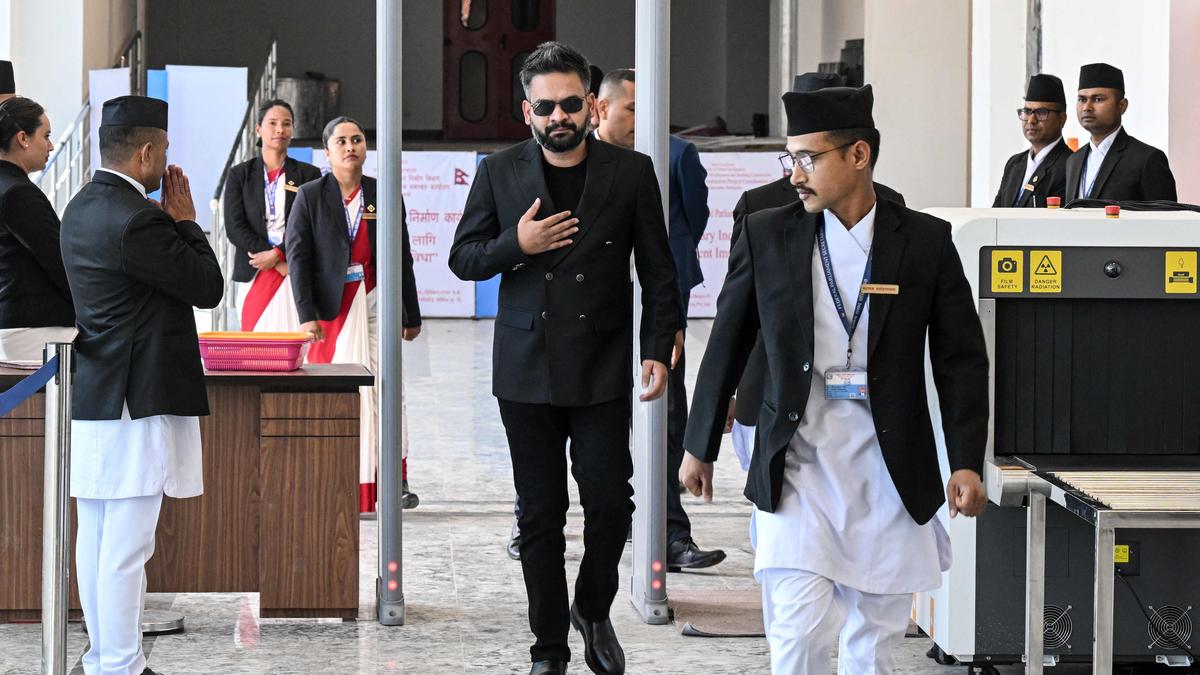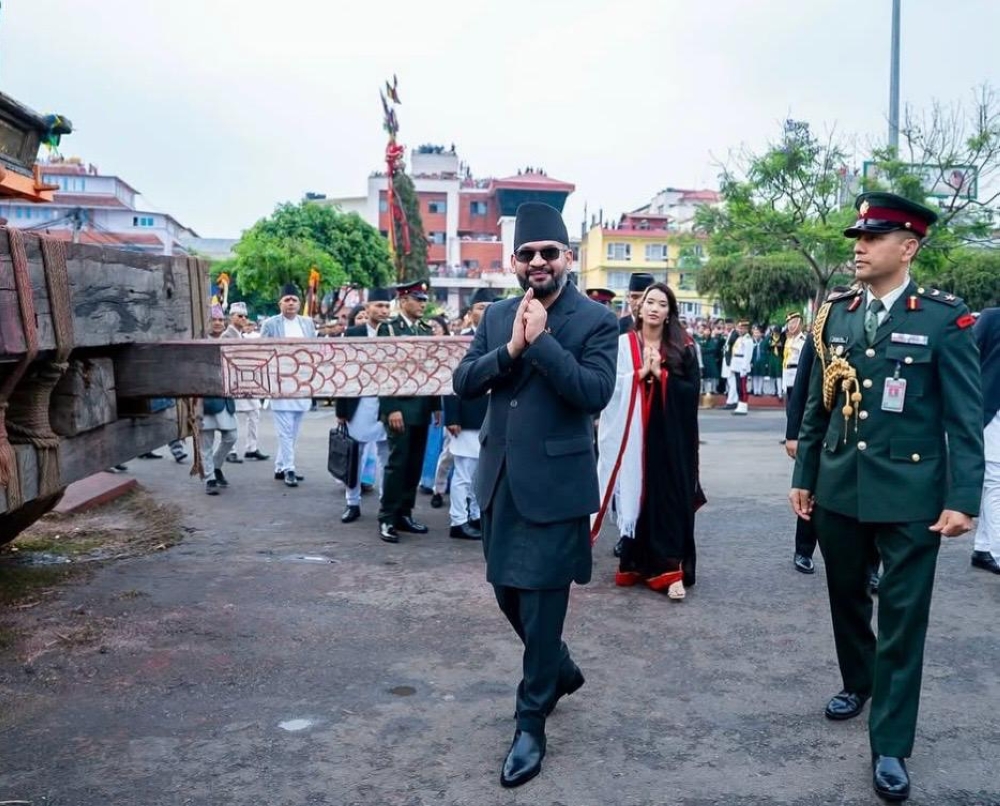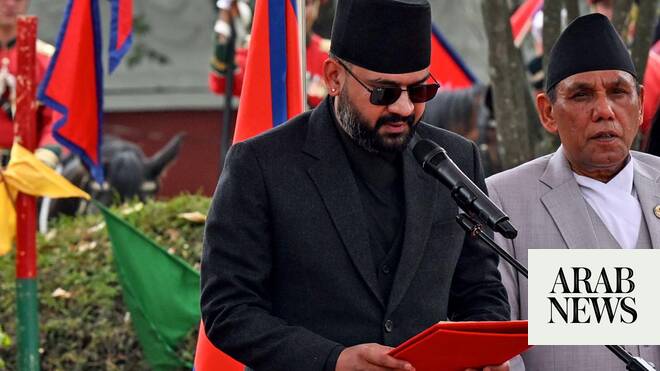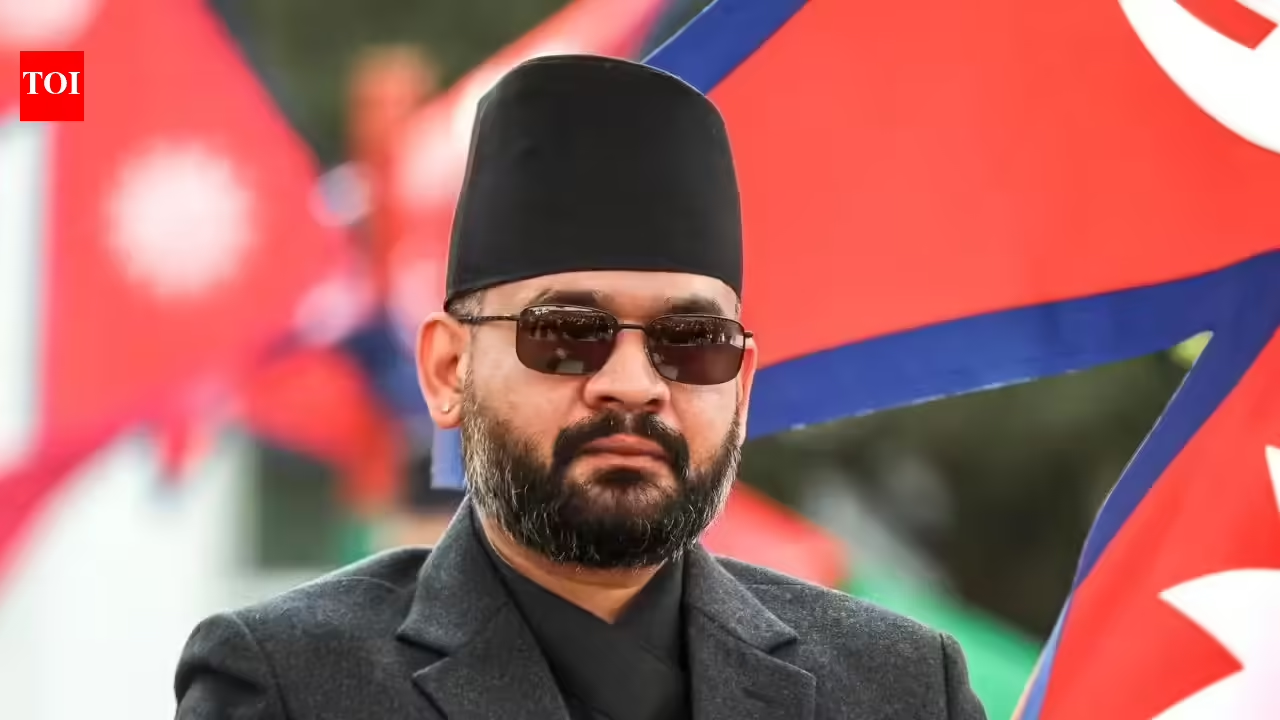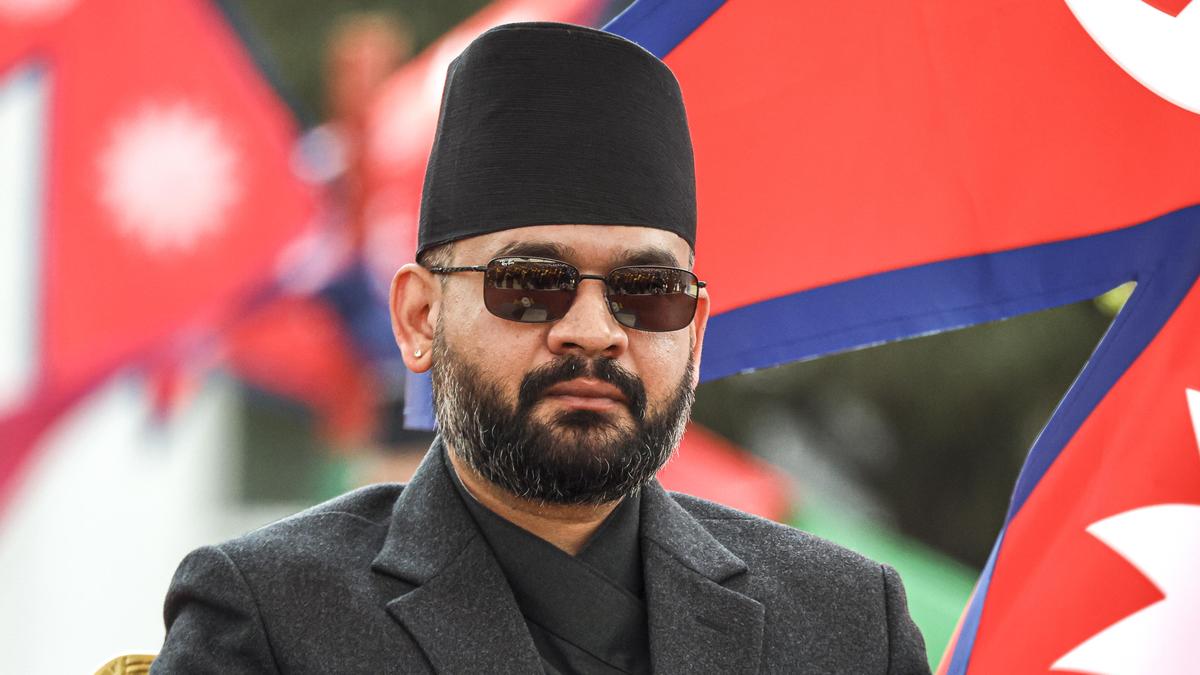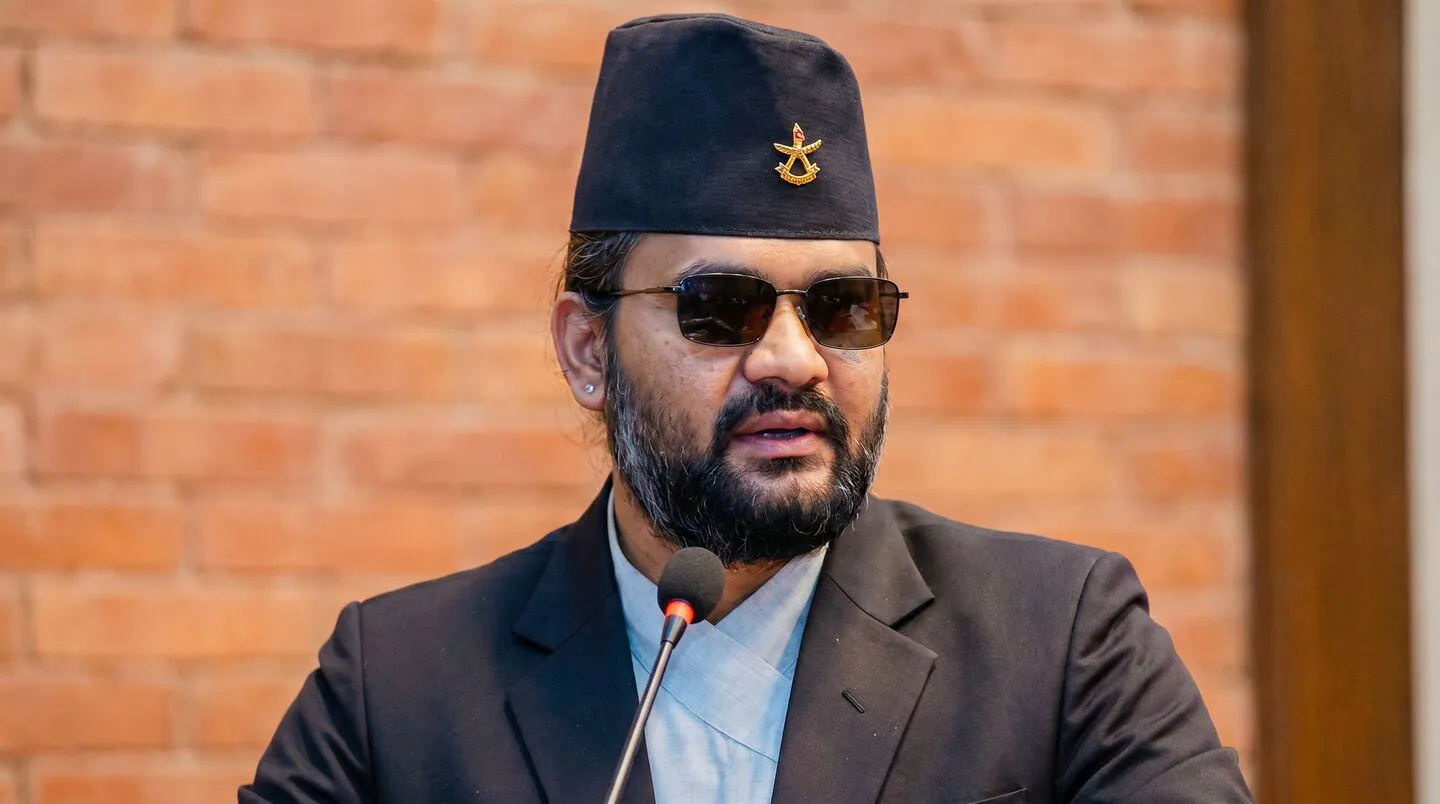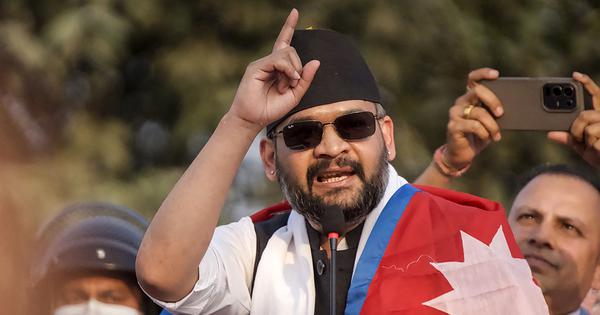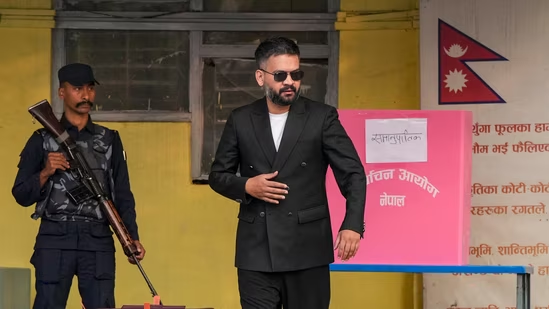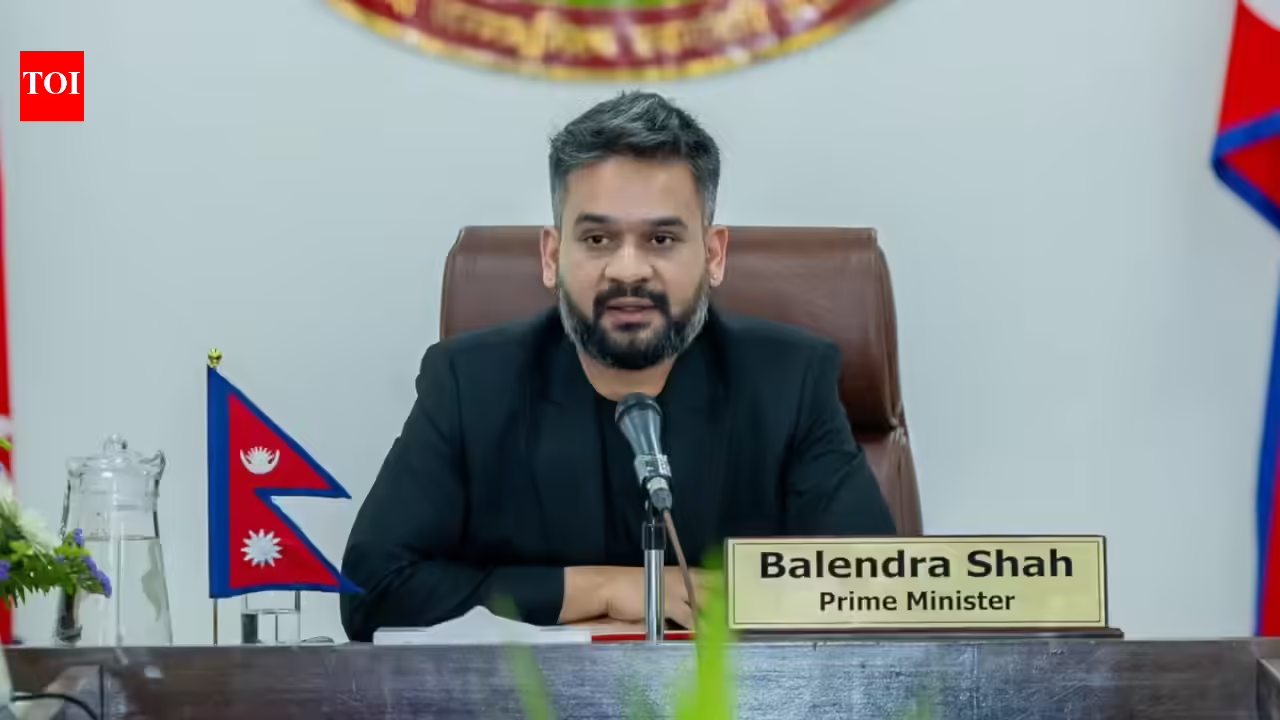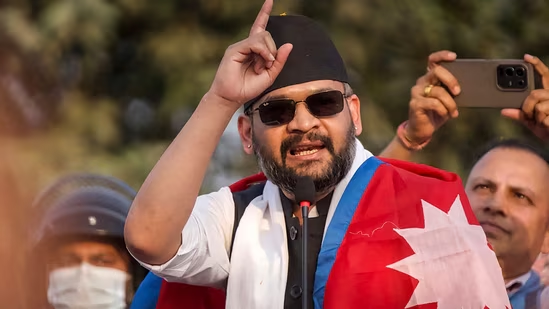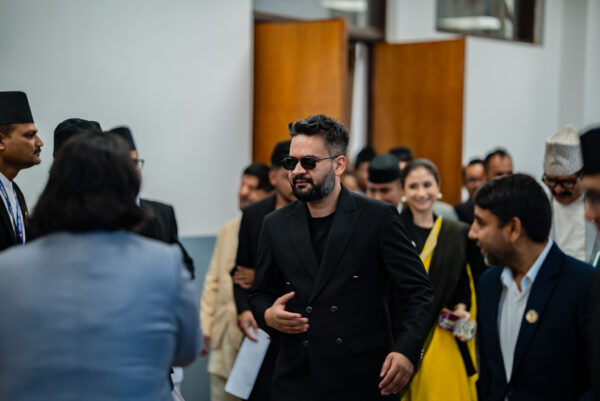
It was the exception that proved the rule. On May 29, Prime Minister Balendra Shah addressed the federal parliament, two full months after assuming office on March 27. Shah insists that he is a man of “action, not words.” With him repeatedly refusing to speak in parliament — even when it was mandatory to do so under parliamentary rules — pressure had steadily been building on the government and the ruling Rastriya Swatantra Party (RSP) to correct the anomaly.
Yet when Shah did finally break his silence, instead of appeasing the opposition parties, his maiden parliamentary speech sparked a firestorm.
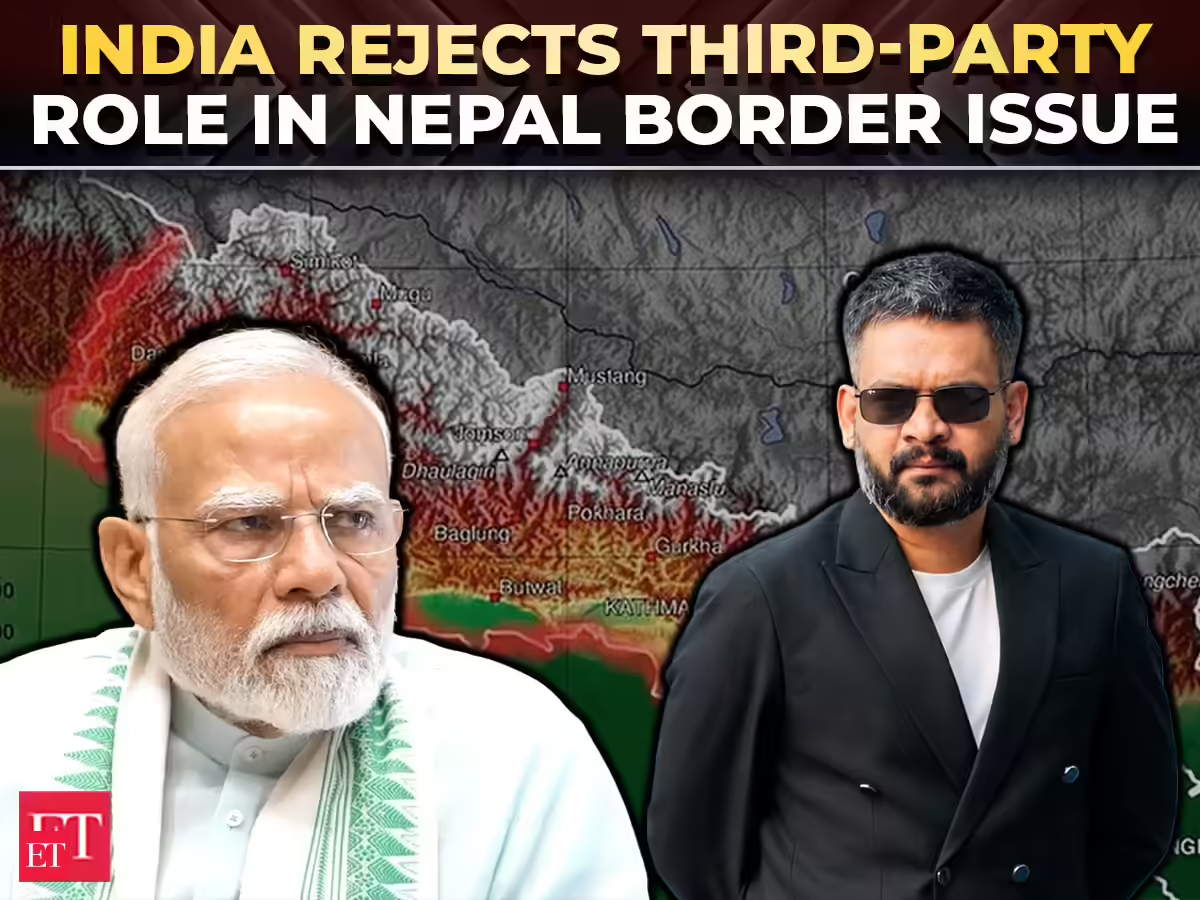
While answering parliamentarians’ questions, Shah spoke on the boundary dispute between Nepal and India. He said negotiations were on with India to resolve the dispute over the Kalapani area, which Nepal claims but where Indian troops have been stationed since the 1962 Sino-Indian war. Similar discussions, he added, were underway to resolve the issue of the resumption of Indian pilgrimage to the Kailash Mansarovar in China’s Tibet through the Lipulekh pass in the Kalapani area. (India and China had resumed the pilgrimage without informing Nepal.)
So far so good.
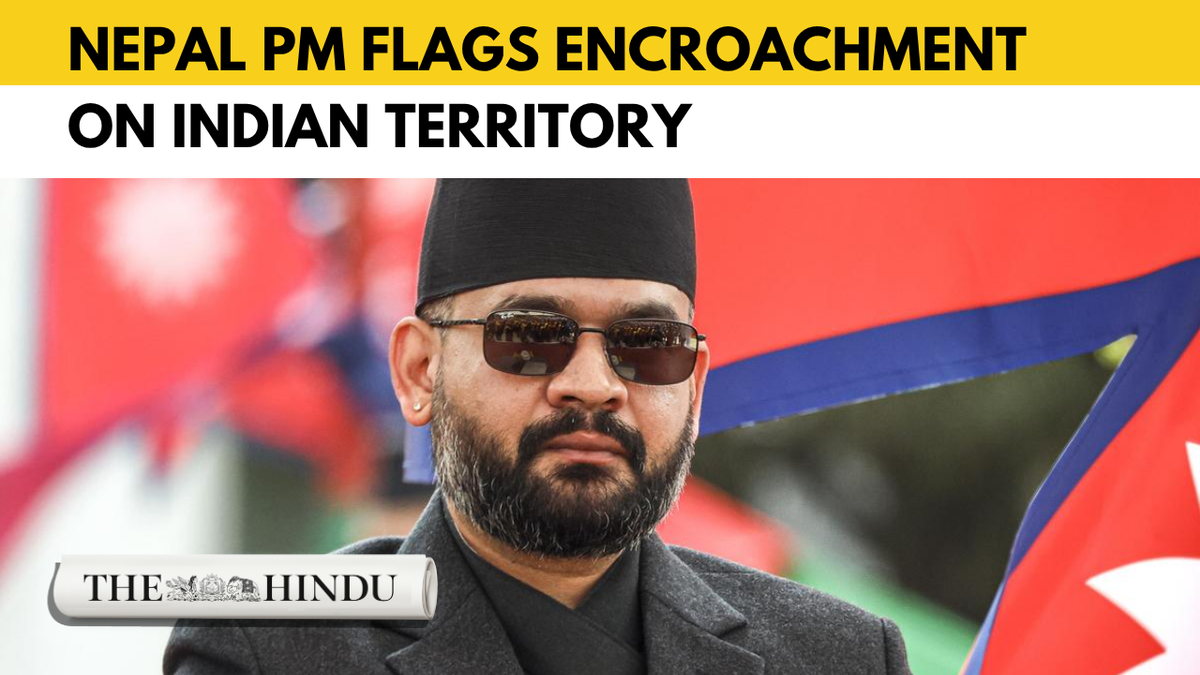
But while talking about Kalapani, Shah then added that not only had India encroached upon Nepali territories, but Nepal had also encroached on Indian territories. It was news to Nepalis that India, the dominant South Asian economic and military powerhouse next door, would allow its lands to be encroached by its comparably puny neighbor. If Shah meant localized cross-border occupation caused by shifting river courses, he should have said so clearly. On a matter as sensitive as Kalapani, there is no room for imprecision.