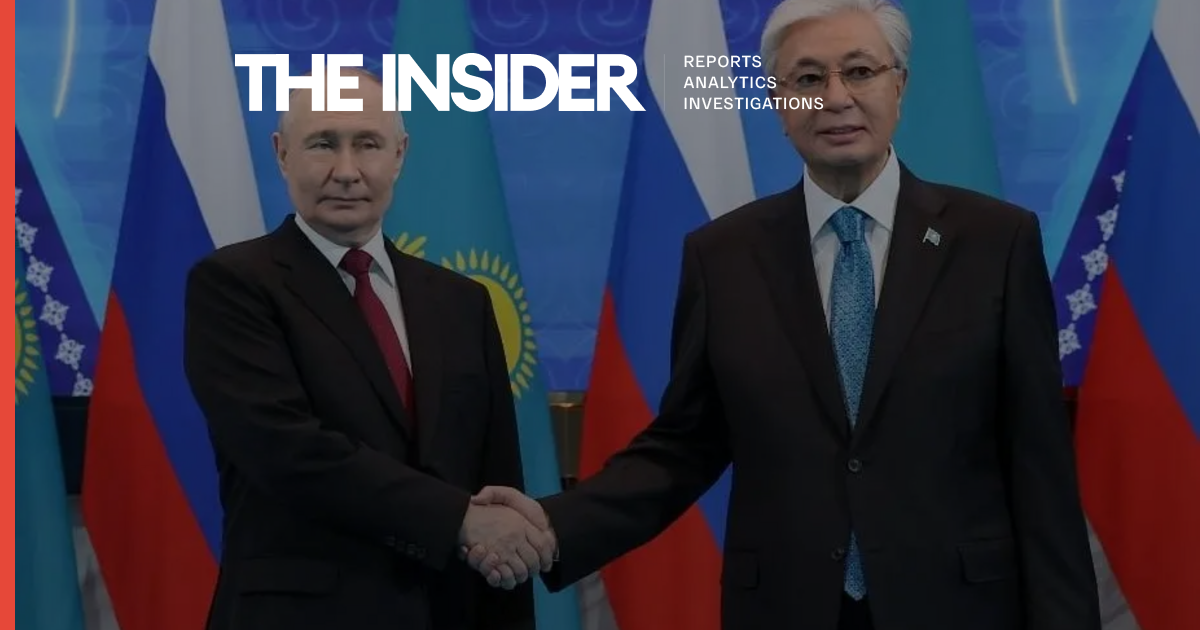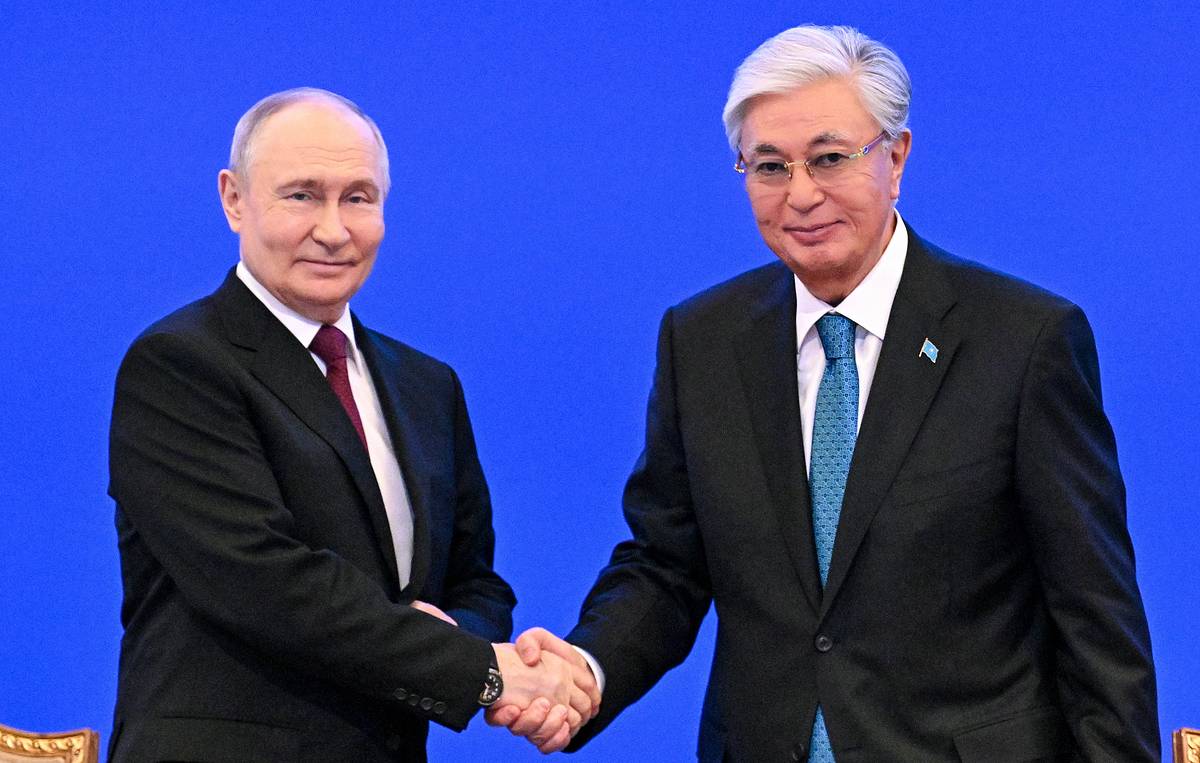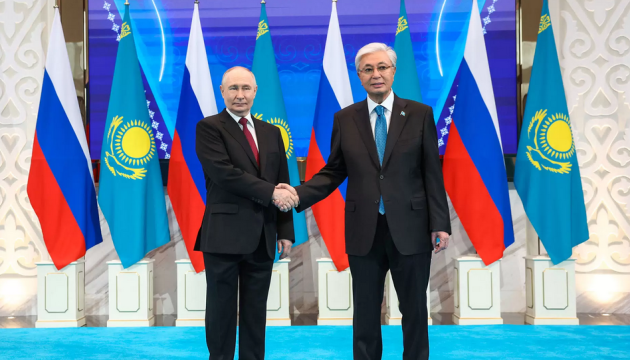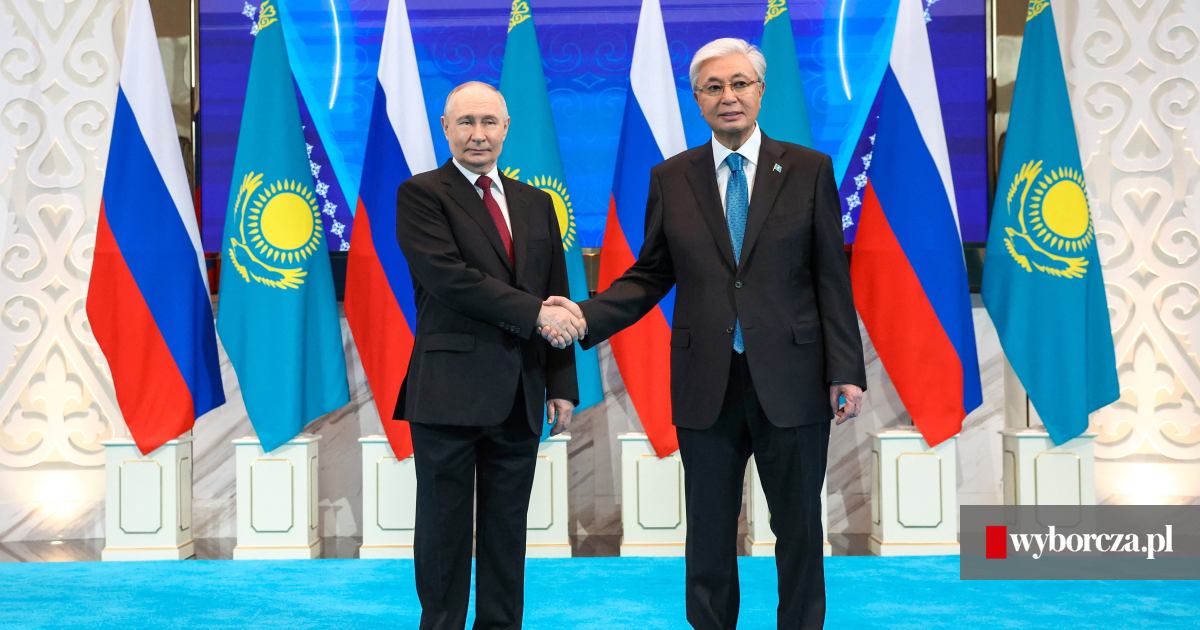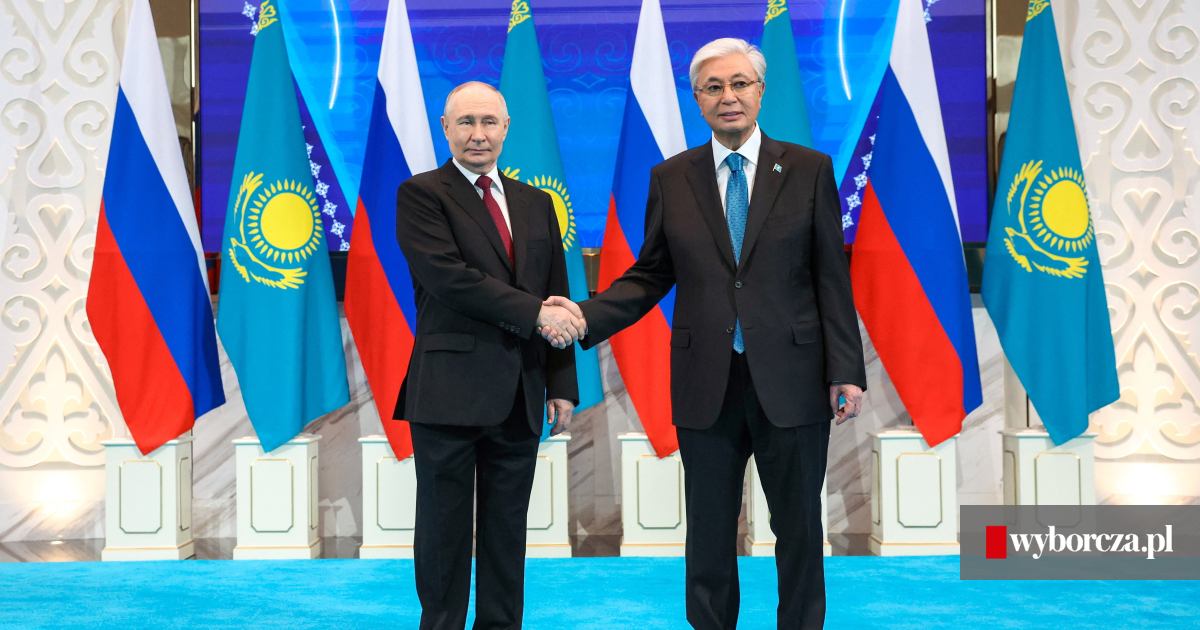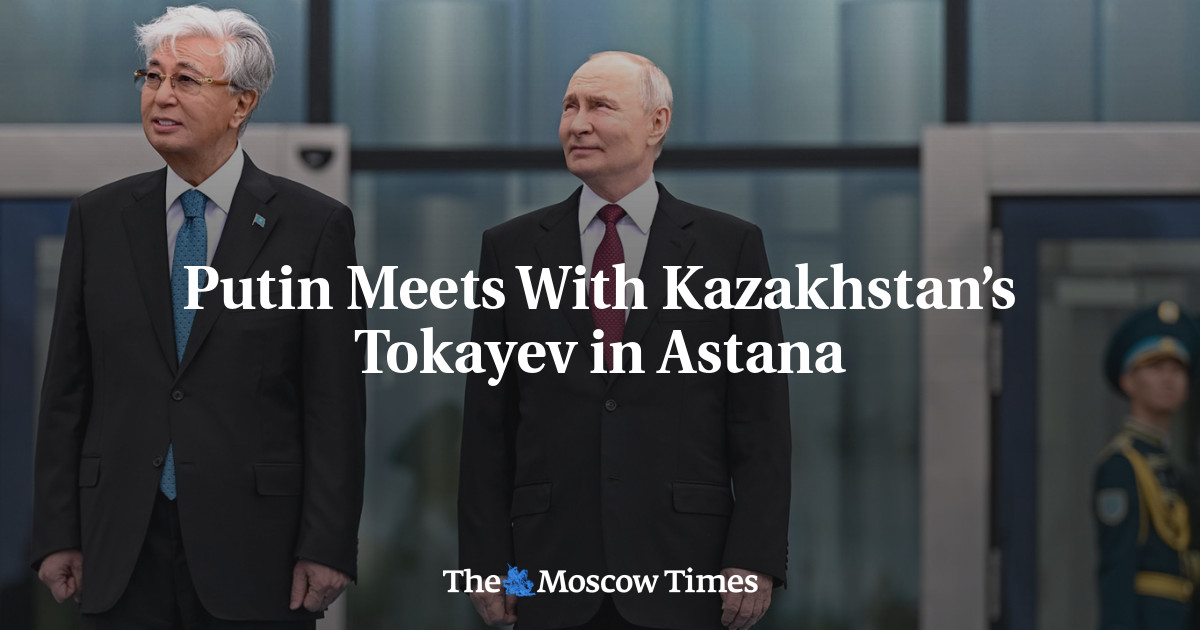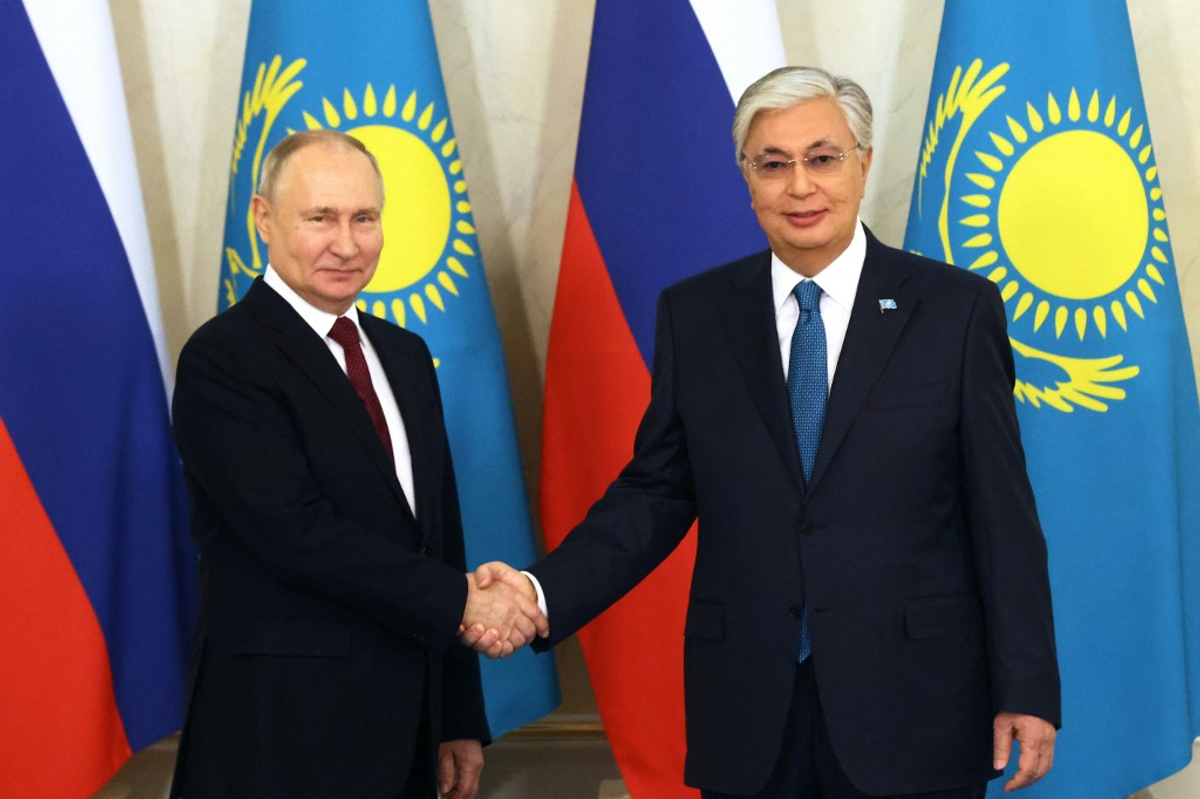
Fresh off a warm welcome in Beijing, last week Russian President Vladimir Putin touched down in Kazakhstan’s capital, Astana, for a state visit and a Eurasian Economic Union summit. While the EAEU meeting was rife with tension, not least because of the growing divide between Europe-curious Armenia and Russia, Putin’s engagements with his Kazakh counterpart, Kassym-Jomart Tokayev, were steeped with bonhomie.
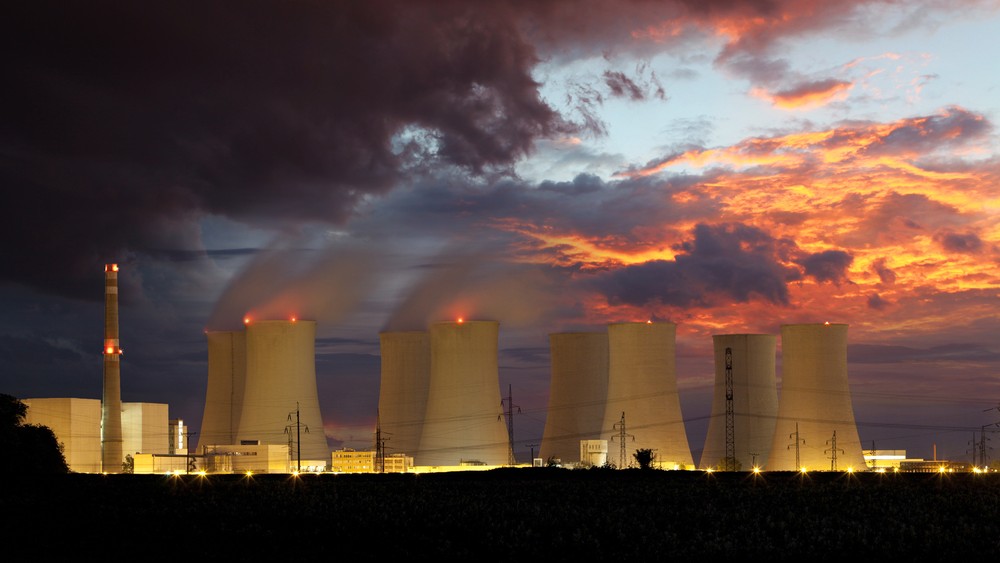
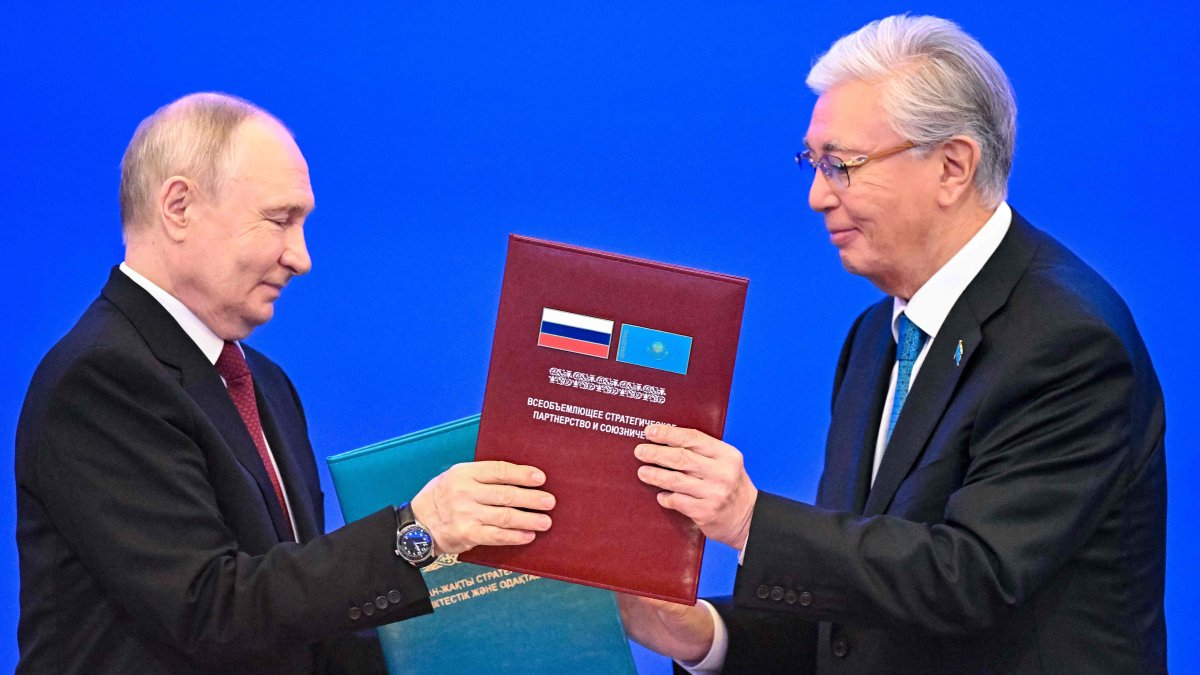
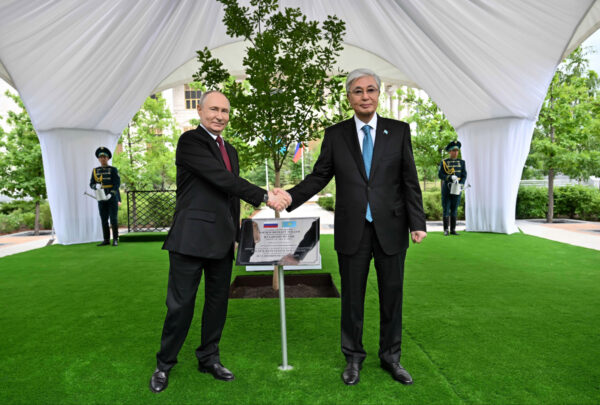
The two presidents planted an oak tree in the “Alley of Eternal Friendship between Kazakhstan and Russia.,” which opened in Astana last year, and oversaw the signing of a dozen agreements, the most important of which focused on Russia’s building of Kazakhstan’s first modern nuclear power plant.
These included an agreement on “the basic principles and conditions of cooperation on the project to build a nuclear power plant on the territory of the Republic of Kazakhstan,” another on the “provision of a state export loan” from Russia to Kazakhstan to finance the project, and an action plan for “interdepartmental cooperation in the field of regulation of nuclear and radiation safety for 2026-2030.” There was also a currency swap agreement, arguably tied to the export loan.
Last summer, Russia’s Rosatom was selected to take the lead in building Kazakhstan’s first modern nuclear power plant. The exact specifications have evolved since the initial announcements, settling on an envisioned pair of VVER-1200 III+ reactors with a combined capacity of 2.4 GWe.