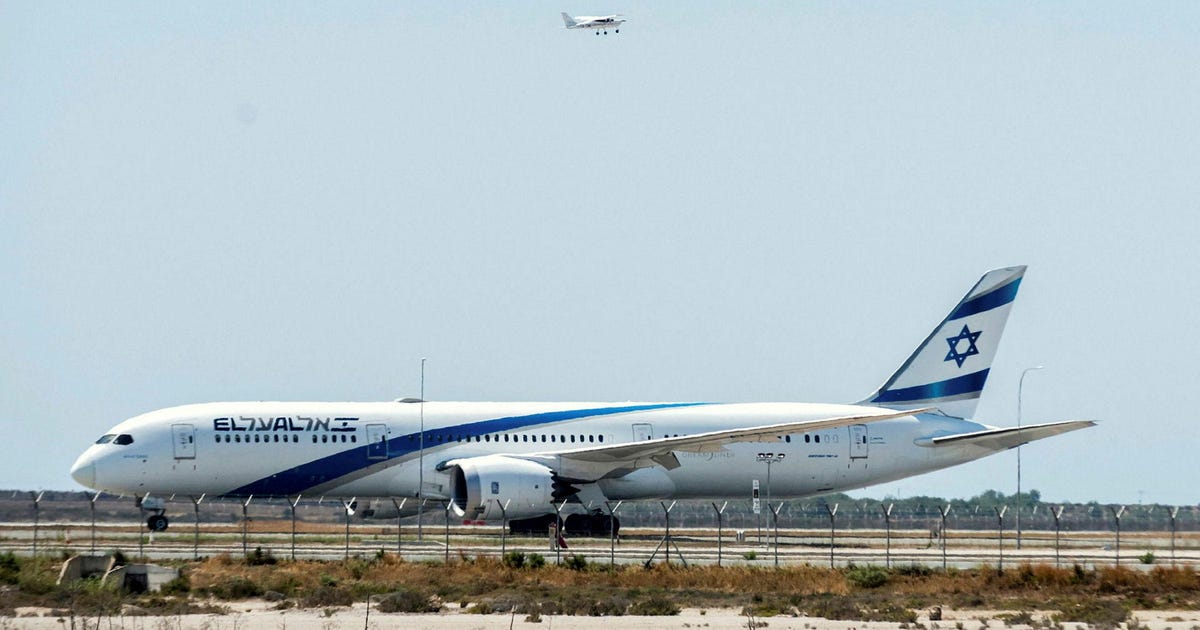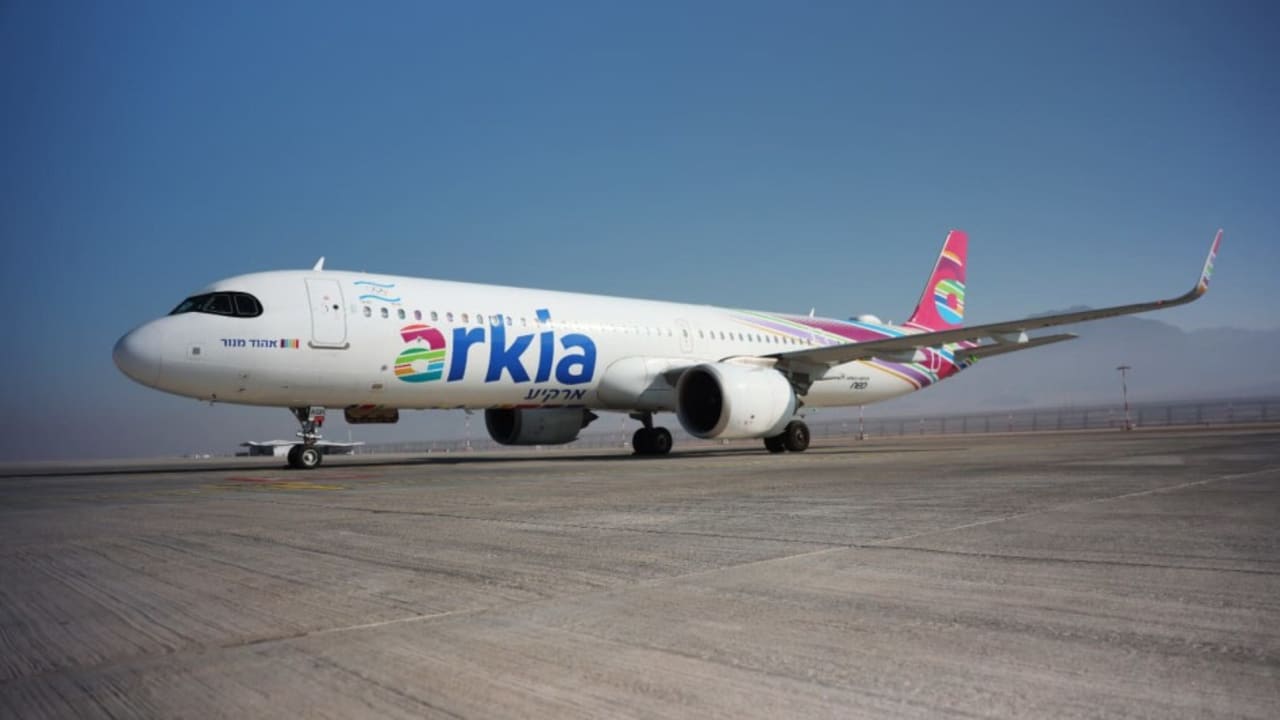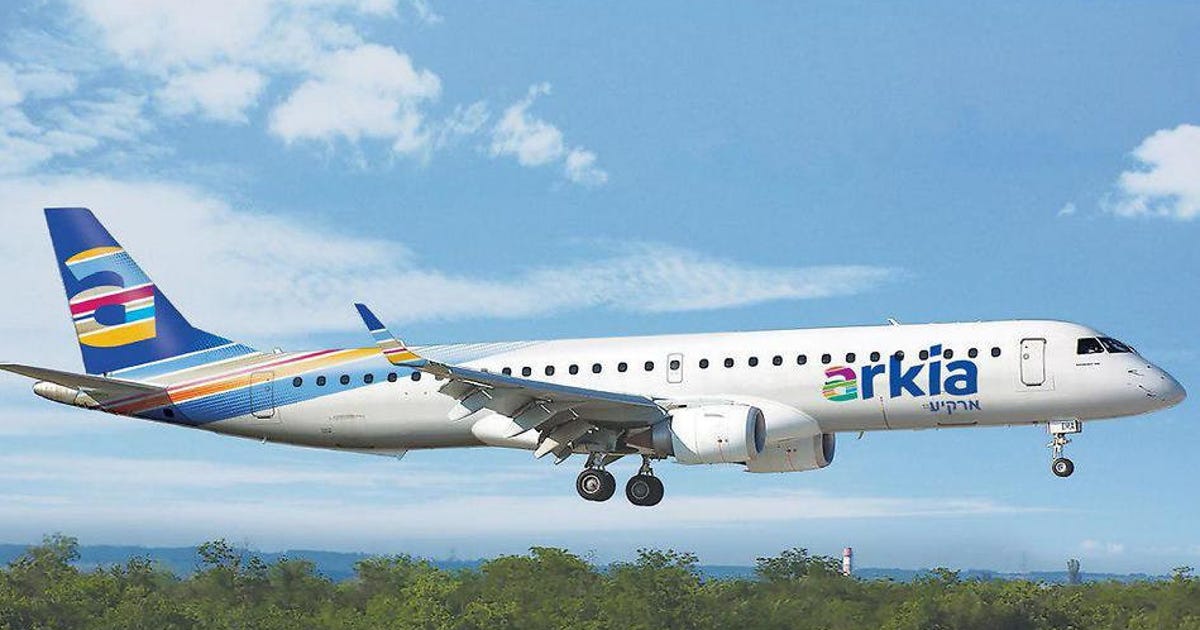
Competition for Japan heats up: Arkia announced that it will launch direct flights to Tokyo in October 2026, ending El Al's monopoly on the route; Ticket prices between the two companies on some dates can be significantArkia announced Tuesday that it will begin operating direct flights to Tokyo on Oct. 25, 2026. The company will become the second Israeli airline to operate a regular route to the popular destination, and on some dates, its fares were significantly lower than El Al’s.The new route will mark a milestone for Arkia, which will operate direct flights to Japan for the first time in its history. The route will operate twice a week with departures from Ben Gurion Airport on Sunday afternoons and Wednesday nights, and return flights from Tokyo on Monday afternoons and Wednesday evenings.3 View gallery More competition on the Tokyo route (Photo: anek.soowannaphoom/Shutterstock)The move is expected to increase competition on the Japan route, currently served by El Al. In a check of the airlines’ websites for flights between November 2 and November 16, 2026, Arkia’s lowest round-trip fare was $1,498, including a trolley bag and a checked suitcase weighing up to 23 kilograms, while El Al’s lowest fare on the same dates was $2,778. By contrast, for December 23-31, both airlines offered similar starting fares of $1,498.Arkia said fares to Tokyo will start at $750 one-way in economy class and will include a 23-kilogram suitcase, two full meals and drinks during the flight. Business class fares will start at $2,200 one-way.The flights will be operated on wide-body Airbus A330 aircraft and will include two service classes: economy and business, which includes seats that open into fully flat beds, expanded baggage allowance, lounge access, chef-prepared meals and personal service throughout the flight.3 View gallery Shinjuku city center in Tokyo(Photo: i viewfinder/Shutterstock)“The launch of the Tokyo route is another significant milestone in Arkia’s development and in the implementation of our strategic plan to expand long-haul operations,” Arkia CEO Oz Berlovitz said. “After the success of the routes to New York and the Far East, and given the high demand we are seeing from the Israeli public, it was clear to us that Japan should be the next destination.“Tokyo joins a series of strategic destinations we have opened over the past two years. As with the move we made on the high-demand New York route, here too we are expanding the choices available to the Israeli public and bringing additional competition to the flight market to Japan. We will continue working to expand the company’s route map and strengthen Arkia’s position as a significant player in the international flight market.”The Tokyo route joins Arkia’s expanding long-haul operations in recent years. The company currently operates flights to New York, Bangkok and Hanoi, with Phuket in Thailand and Saigon, or Ho Chi Minh City, in Vietnam expected to join in the coming months.3 View gallery Alpha Beach in Karpathos(Photo: Shutterstock)Meanwhile, Air Haifa also reported an expansion of its operations. The company said it has begun operating flights to the Greek island of Karpathos, which has become the newest destination in its route network. Flights will operate twice a week, on Mondays and Fridays, with fares starting at $149 one-way.The company said that in May its aircraft carried more than 33,000 passengers — the highest monthly figure since its founding. Karpathos joins the company’s list of Greek destinations, which also includes Athens, Rhodes, Mykonos and Crete, alongside flights to Cyprus and Eilat.
New Arkia route breaks El Al's exclusivity in Israelis' favorite destination
Competition for Japan heats up: Arkia announced that it will launch direct flights to Tokyo in October 2026, ending El Al's monopoly on the route; Ticket prices between the two companies on some dates can be significant
TL;DRAI
Arkia operates direct Tokyo flights from October 2026 priced from $750 one-way, undercutting El Al's $2,778 fares and ending the carrier's monopoly on the route. Market entry of a low-cost competitor erodes incumbent pricing power and lowers enterprise travel budgets—a supply-side signal IT leaders observe as cost inflation moderates and competitive dynamics reshape regulated sectors.
576 words~3 min read