The author moved from New Zealand to Japan and learned how to foster even more independence with her daughter.
AzmanL/Getty Images
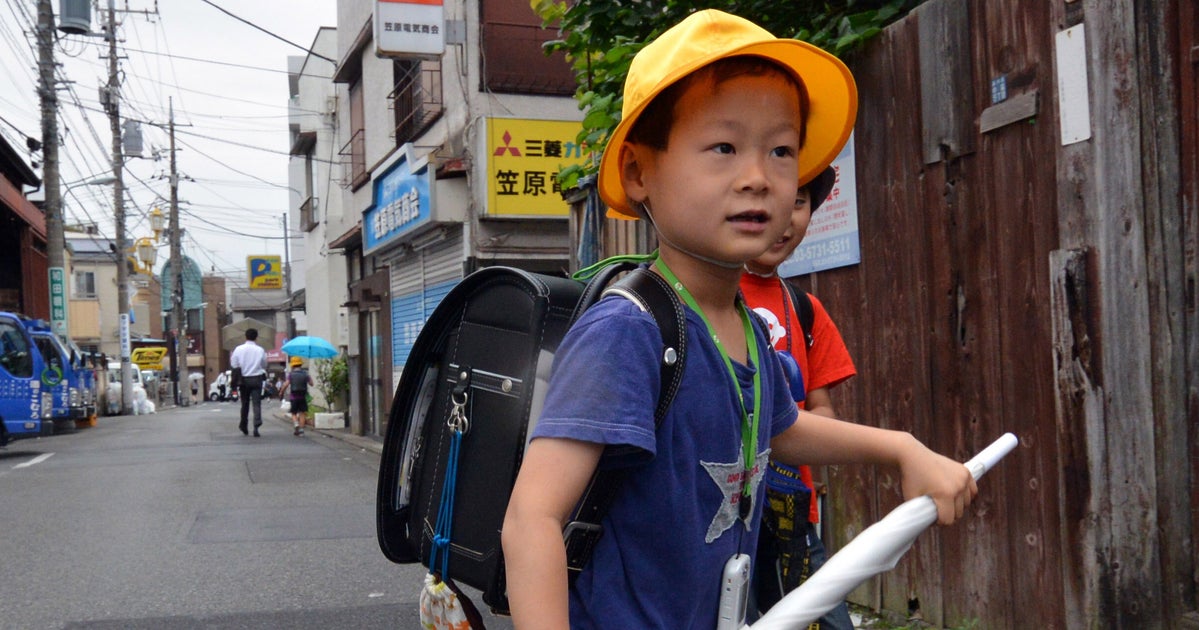
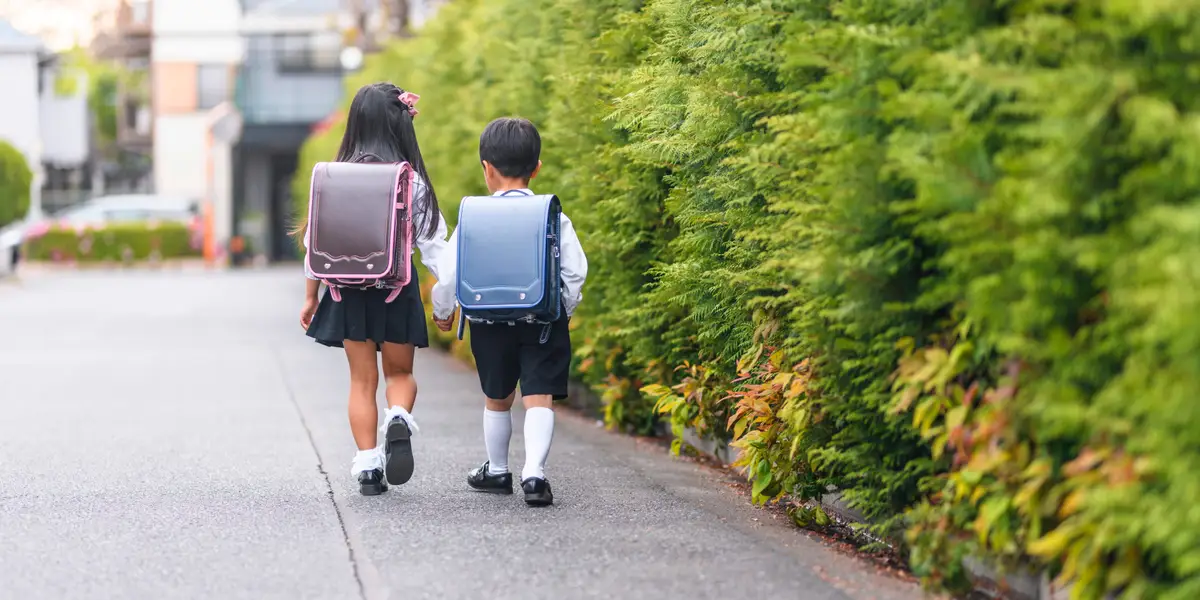
When we arrived in Japan in 2023, we bypassed the expensive international schools and enrolled our daughter directly into the local public system, essentially tossing her into the deep end of cultural immersion.It's been a joy to watch her flourish and find a sense of belonging in a second language, but the experience has completely challenged my idea of what it means to raise an independent child.Most kids walk to school in JapanSince the vast majority of elementary students in Japan walk to school, I had to trade my "safety-first" instincts for community trust. Even though we lived just five minutes from the school gates, my mind immediately raced toward worst-case scenarios like the fear of child abduction.What I didn't yet understand was that this routine was a great way to scaffold independence. Rather than shield children from risks, they are taught how to navigate them safely.
Courtesy of the author
Students here walk to and from school in groups along predetermined routes, supported by a network of PTA volunteers and neighbors. For added security, the school sends app alerts for everything from thunderstorms to "suspicious individuals" in the area, as well as the occasional monkey sighting. Every child also carries a high-decibel alarm attached to their school bag in case of an emergency.Last week, my daughter stopped on her way home to play at the nearby stream. Although I was present, I watched from a distance as three groups of adults stopped to check in on her. They didn't hover; they simply verified she was safe and moved on. It was clear that her safety was a shared responsibility.Lunch time is a lesson in social responsibilityIn most Japanese elementary schools, students don't just eat the meals; they help run them.