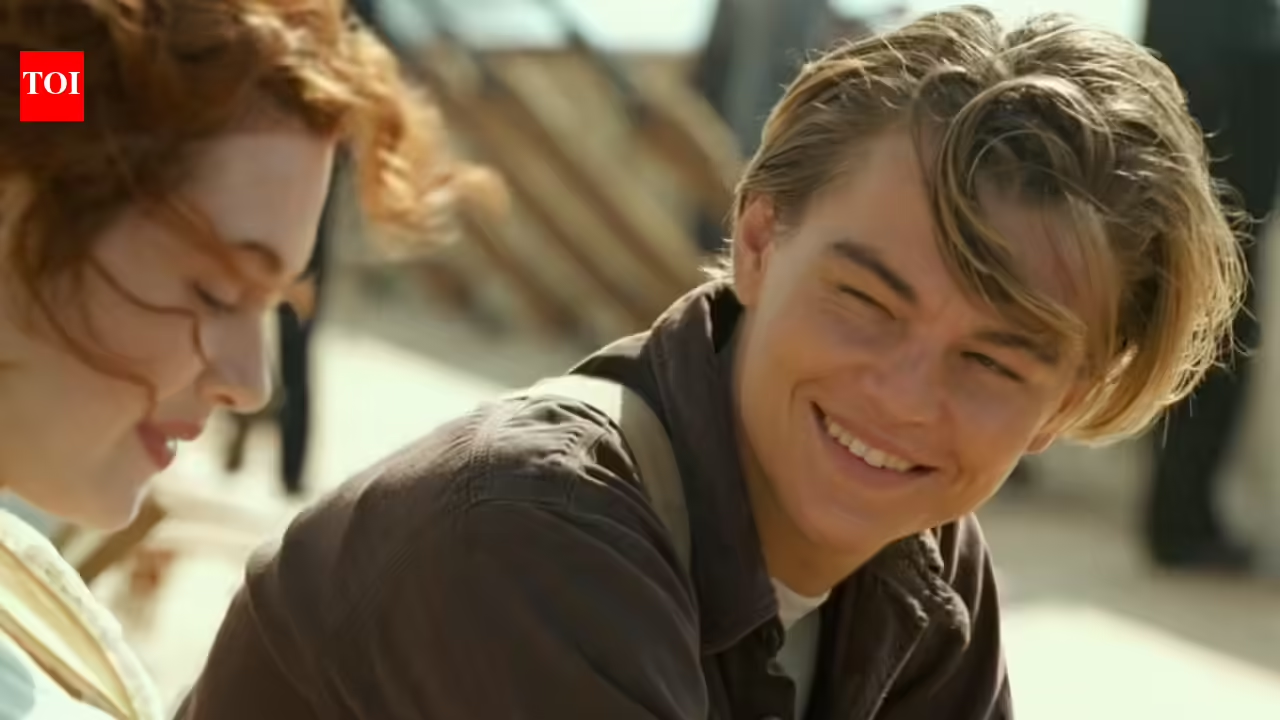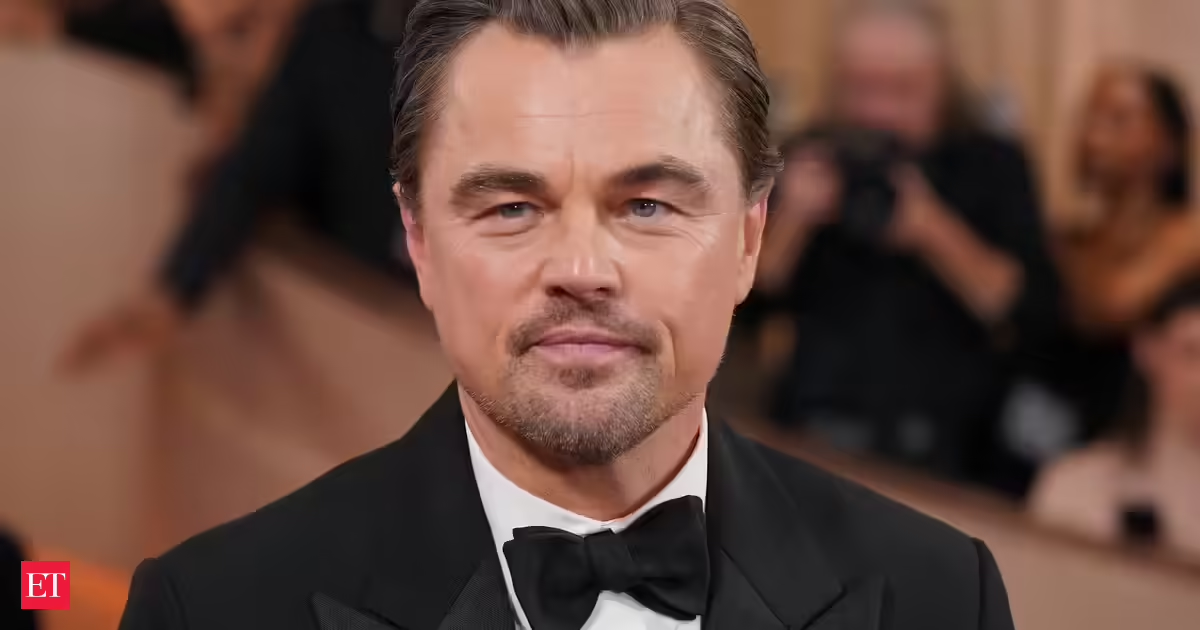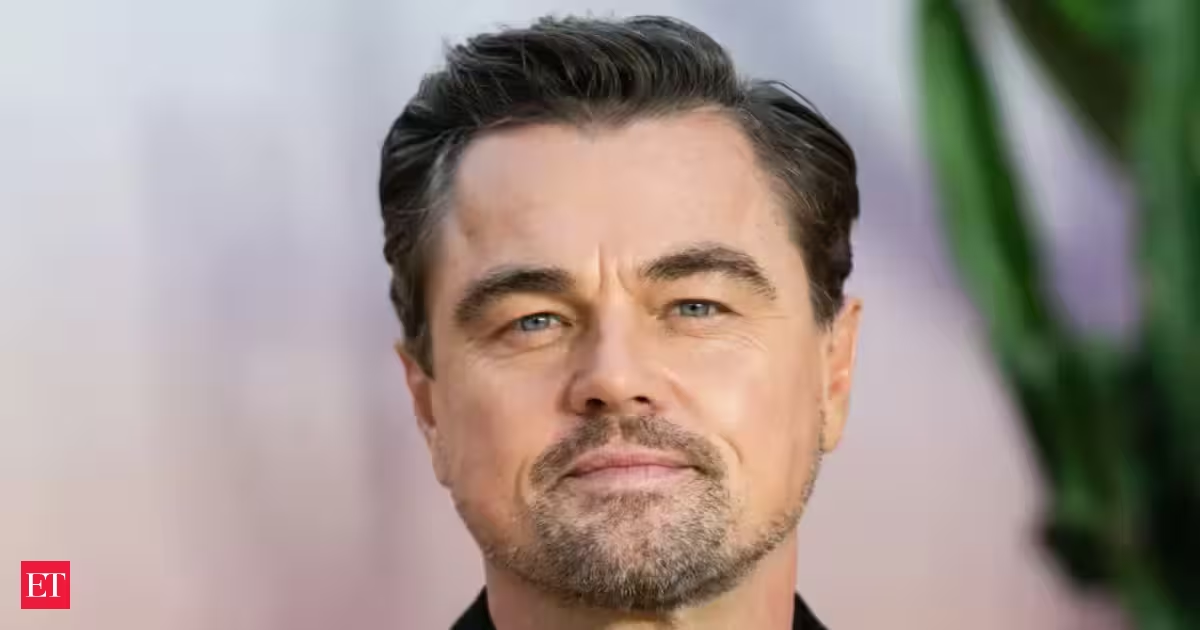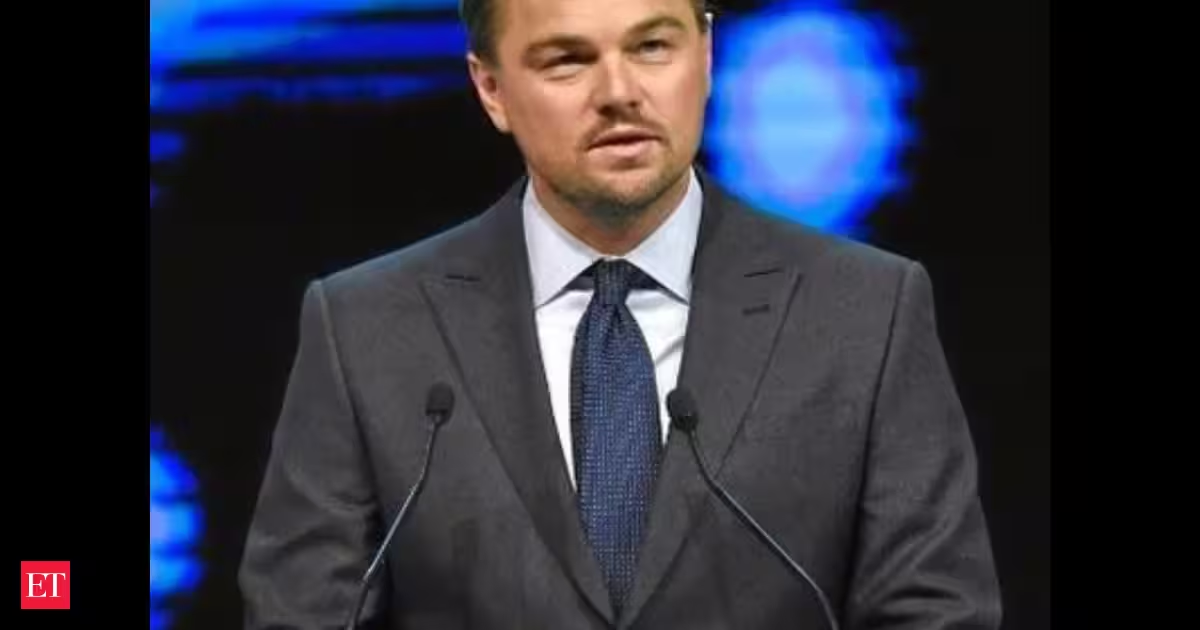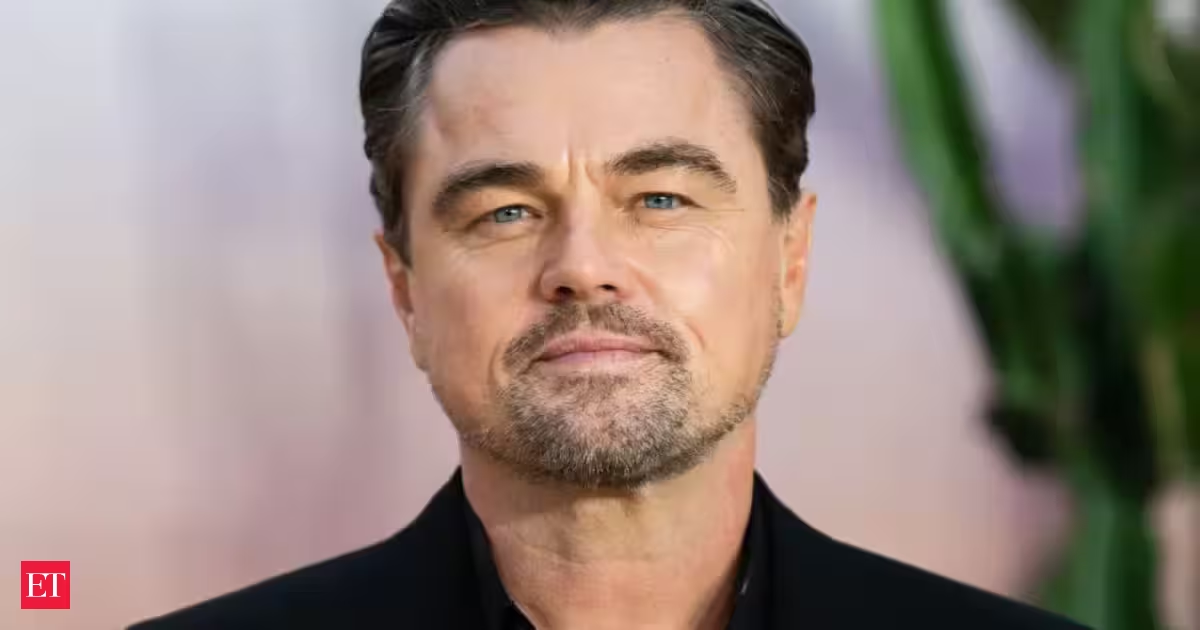
Quote of the day: Leonardo DiCaprio has spent decades portraying characters caught in extraordinary circumstances. From the doomed romance of Titanic to the psychological puzzles of Shutter Island, the survival struggles of The Revenant, and the moral dilemmas of Killers of the Flower Moon, his career has often explored the best and worst aspects of human nature. Beyond his award-winning performances, DiCaprio has also become known for his environmental advocacy and his willingness to engage with difficult questions about society. One of his most thought-provoking remarks reflects that same willingness to confront uncomfortable truths. Rather than offering easy optimism, the quote challenges readers to examine how human actions shape the world around them and what responsibility each person carries for the suffering they witness.The quote of the day by Leonardo DiCaprio is:"Sometimes I wonder will God ever forgive us for what we've done to each other? Then I look around and I realize God left this place a long time ago."At first glance, the statement may sound bleak or even cynical. Yet beneath its dramatic wording lies a powerful reflection on human behavior, accountability, and the consequences of cruelty. The quote is less about religion itself and more about the way people treat one another when compassion, empathy, and responsibility are absent.You Might Also Like:DiCaprio’s words invite readers to consider a difficult possibility: that many of society’s greatest problems are not created by fate, destiny, or divine forces but by human choices. The statement serves as a reminder that people have tremendous power to build, heal, destroy, or divide.Quote of the Day MeaningThe meaning of this quote centers on accountability. The first part asks whether humanity can be forgiven for the harm it causes. The second part suggests that waiting for outside intervention may be futile if people refuse to change their own behavior.Psychologically, the quote touches on what experts call the "responsibility principle", the idea that individuals and societies must accept ownership of their actions rather than shifting blame elsewhere. When communities experience conflict, injustice, violence, or indifference, the roots often trace back to human decisions.You Might Also Like:The quote also reflects a feeling many people experience when confronted with troubling events in the world. During moments of tragedy, social division, or widespread suffering, it can seem as though kindness has disappeared. DiCaprio's words capture that emotional reaction while encouraging deeper reflection about how people contribute to the environments they inhabit.Rather than suggesting hopelessness, the quote can be interpreted as a call to action. If humanity created many of its problems, humanity also possesses the ability to solve them.Why the Quote Still Resonates TodayModern life exposes people to an endless stream of headlines about conflict, environmental crises, social tensions, and human suffering. Through social media and constant news coverage, individuals are more aware than ever of the challenges facing the world.This awareness can sometimes create feelings of helplessness. People may wonder whether their actions matter in the face of such large problems. DiCaprio's quote speaks directly to that frustration. It acknowledges the darkness many observe while subtly emphasizing that human choices remain at the center of the story.You Might Also Like:The quote is particularly relevant because DiCaprio has spent years advocating for environmental causes. His activism reflects a belief that humanity must take responsibility for its impact on the planet rather than waiting for someone else to fix the problem. In that context, the quote becomes less about despair and more about urgency.Life Lessons From Leonardo DiCaprio’s QuoteOne important lesson is that accountability matters. It is easy to criticize institutions, governments, or society as a whole, but meaningful change often begins with personal actions. Small choices, how people treat family members, coworkers, strangers, and communities, can create ripple effects that extend far beyond a single moment.Another lesson involves empathy. Many conflicts grow from an inability to understand another person's perspective. The quote reminds readers that much human suffering stems from how people interact with one another. Practicing compassion may seem simple, but it remains one of the most powerful tools for creating positive change.The quote also teaches the value of self-reflection. Rather than asking who is responsible for society's problems, it encourages individuals to ask how they can contribute to solutions. Personal growth often begins when people examine their own attitudes, biases, and behaviors honestly.Finally, the quote highlights the importance of hope through action. While the words sound pessimistic on the surface, they ultimately place responsibility, and therefore power, back into human hands. If people created many of the world's difficulties, they also possess the creativity, resilience, and compassion needed to address them.The Lasting Impact of the QuoteLeonardo DiCaprio's quote endures because it challenges readers to confront uncomfortable realities without offering simplistic answers. It recognizes the pain and conflict that exist in the world while urging people to think critically about their role within it.The statement serves as a reminder that societies are shaped not only by leaders, institutions, or historical events but also by countless everyday decisions made by ordinary people. Whether applied to personal relationships, communities, or global issues, the message remains strikingly relevant.Perhaps the deepest takeaway is this: the future depends less on waiting for rescue and more on choosing compassion, responsibility, and action. In that sense, DiCaprio's words are not simply a critique of humanity, they are a challenge to become better than we have been before.
Quote of the day by Leonardo DiCaprio: ‘Sometimes I wonder will God ever forgive us for what we've done to…’ The shocking meaning behind this haunting observation could make you rethink responsibility, empathy and human connection
Quote of the day: Leonardo DiCaprios quote continues to resonate because it refuses to offer easy answers to difficult questions. Instead, it invites readers to grapple with uncomfortable truths about human nature, conflict and responsibility, encouraging reflection on both the world around them and their own place within it.
892 words~4 min read