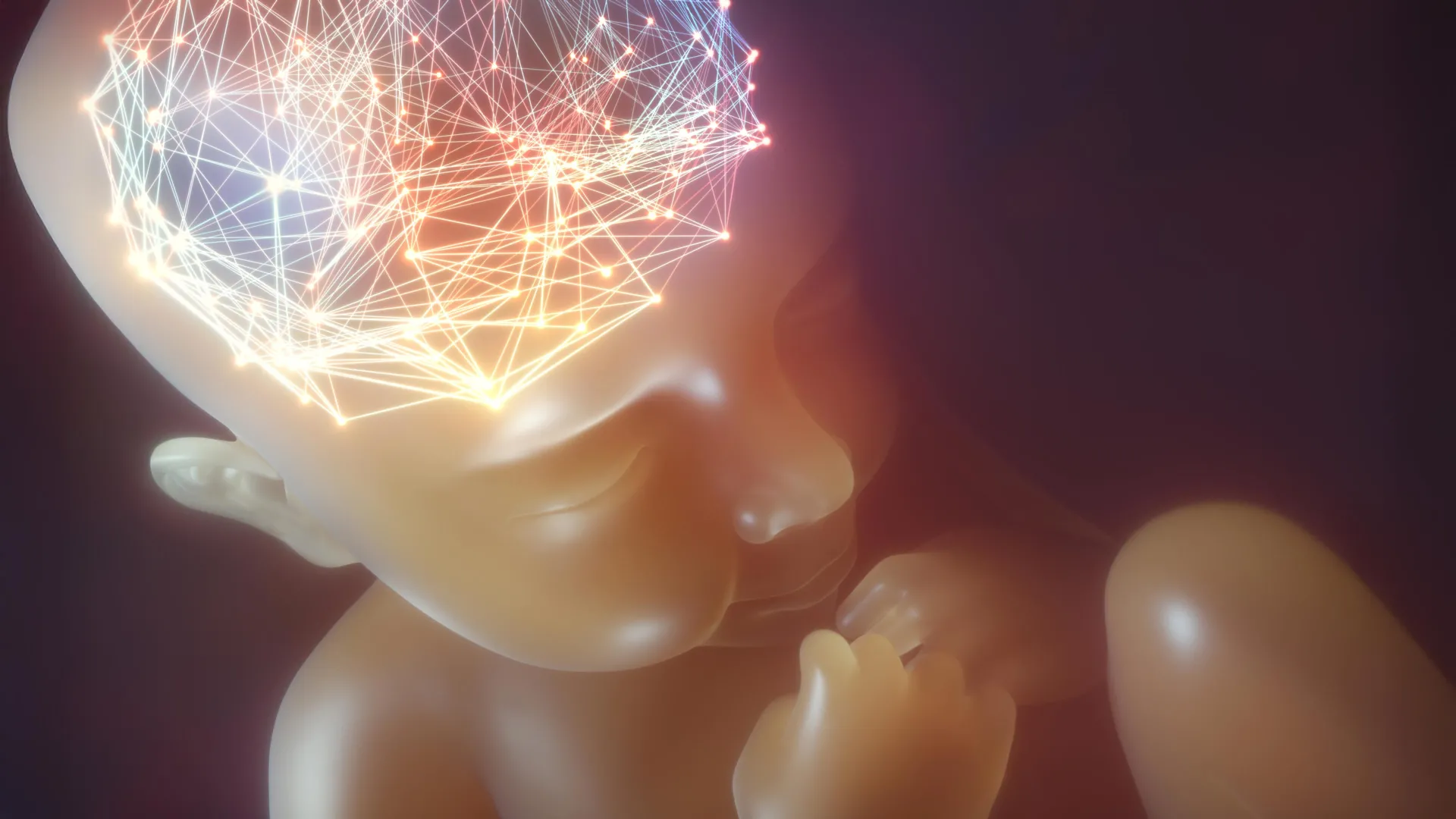
Scientists have uncovered a surprising connection between a baby's earliest biological programming, the gut microbiome, and later brain development. The findings, published in Cell Press Blue, suggest that epigenetic changes present at birth can influence how gut bacteria develop during infancy. The study also found links between specific epigenetic patterns, certain gut microbes, and signs of autism spectrum disorder (ASD) and Attention-Deficit/Hyperactivity Disorder (ADHD) by age three.
"Certain bacteria seem to offer protection, which is exciting because it suggests there could be ways to support a child's development through diet or probiotics in the future," says senior author and gastroenterologist Francis Ka Leung Chan of The Chinese University of Hong Kong.
How Early Biology Shapes Development
The first few years of life are a critical period for both brain development and the maturation of the immune system. Previous research has shown that epigenetics and the gut microbiome can each influence long-term health, but scientists have had limited understanding of how these two systems interact during early life.
"We wanted to see how the epigenome and microbiome interact in early life and if their interaction could influence a child's risk of developing neurodevelopmental conditions like ASD and ADHD," says co-senior author and public health researcher Hein Min Tun of The Chinese University of Hong Kong. "We discovered a kind of conversation happening: a baby's epigenetic setting at birth can influence their risk for neurodevelopmental disorders, but the presence of certain 'good' bacteria in their gut can step in and modify the risk."