Many aspects of life in the US are affected by credit scores. If you’re applying for a mortgage or a home equity loan, or borrowing to buy a car, a better score will generally produce better terms. But if you have a low score, how do you raise it? Managing credit responsibly is the first step.
The most straightforward path to improving bad credit is via secured credit cards. They are geared toward consumers with low credit scores and require a refundable cash deposit as collateral — or security, hence the name — which lessens risk to the card’s issuer.
In exchange for the deposit, people with low credit scores can get approval for a new credit card. Once approved, timely payments and a low credit utilization (the amount of your credit that you are actually using) will result in better credit scores, all else being equal.
The deposit amount typically sets the card’s credit limit. Alternatively, some lenders may approve applicants who have poor credit for a card with a low credit limit, often below $1,000, without needing to make a deposit.
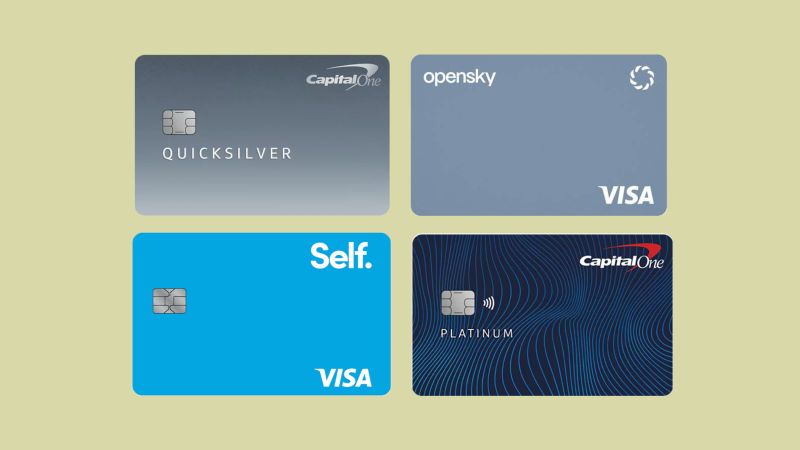
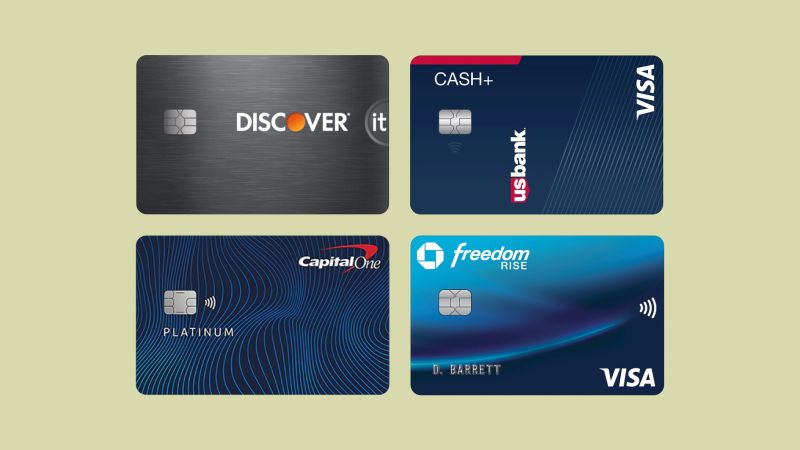
We’ve analyzed the offers of cards geared toward people rebuilding credit, and these are our top recommendations: