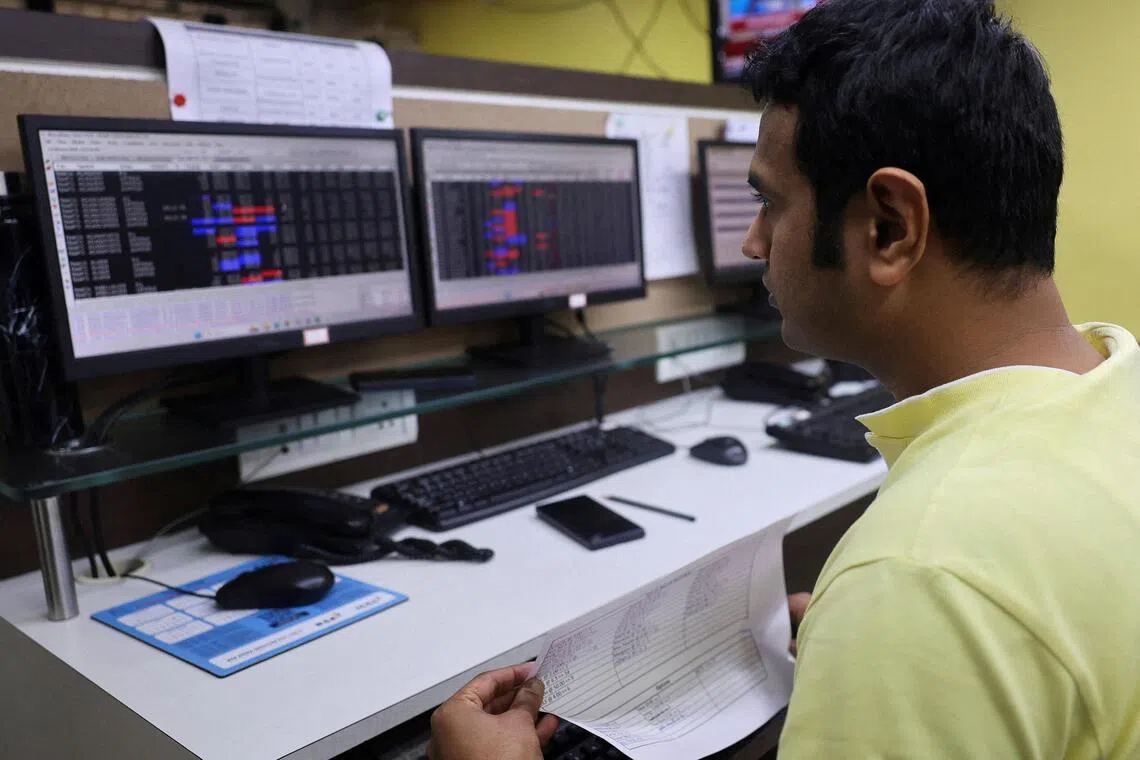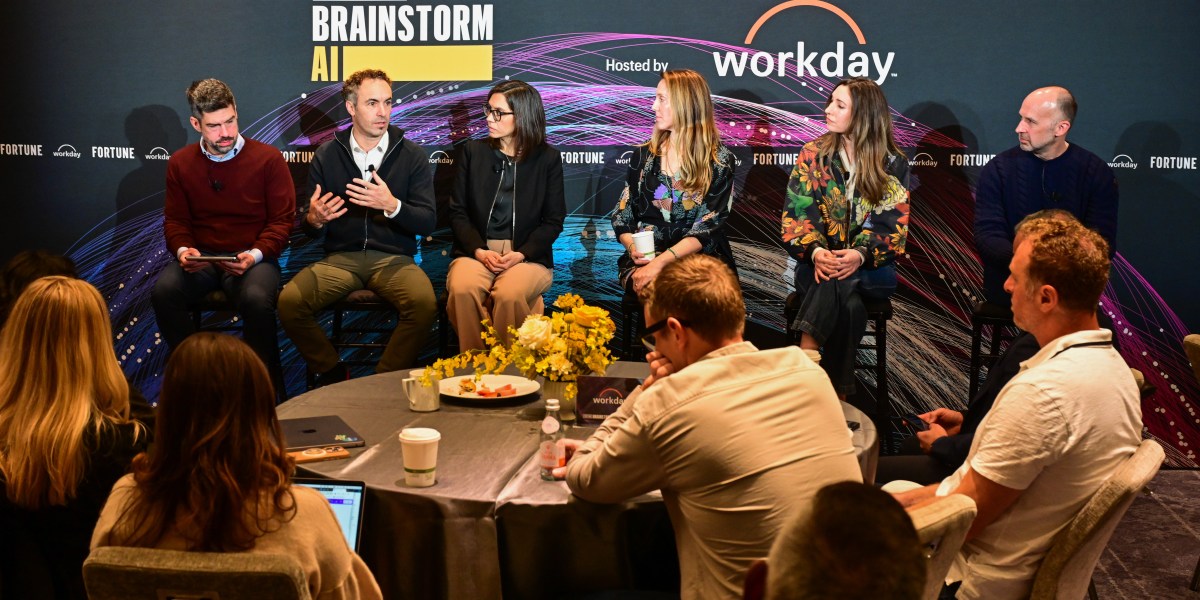
On the ground, AI is already delivering. Engineers are shipping code faster, customer service teams are resolving tickets in half the time, and operations teams are automating workflows that used to require approval from three departments. Workers equipped with AI tools are operating at speeds and scales that would have seemed impossible two years ago.
At the top, it’s a different story. The same C-suites championing AI transformation in earnings calls are the ones slowing it down in practice. Sequential sign-offs. Functional silos. Decisions that get reopened after they’ve been settled. Leadership teams designed for a slower, more predictable era are now the primary constraint on the transformation they claim to be leading.
Here’s the uncomfortable truth: AI can’t fix a broken C-suite running on an antiquated operating system.
Why Most C-Suites Can’t Get Out of Their Own Way
In the Conference Board’s 2026 annual leadership survey, CEOs ranked investing in AI and building AI expertise as their top priorities. Boards are demanding efficiency gains. Investors reward headcount reductions tied to automation. But while the pressure to move increases, most leadership teams are stuck answering the wrong questions.