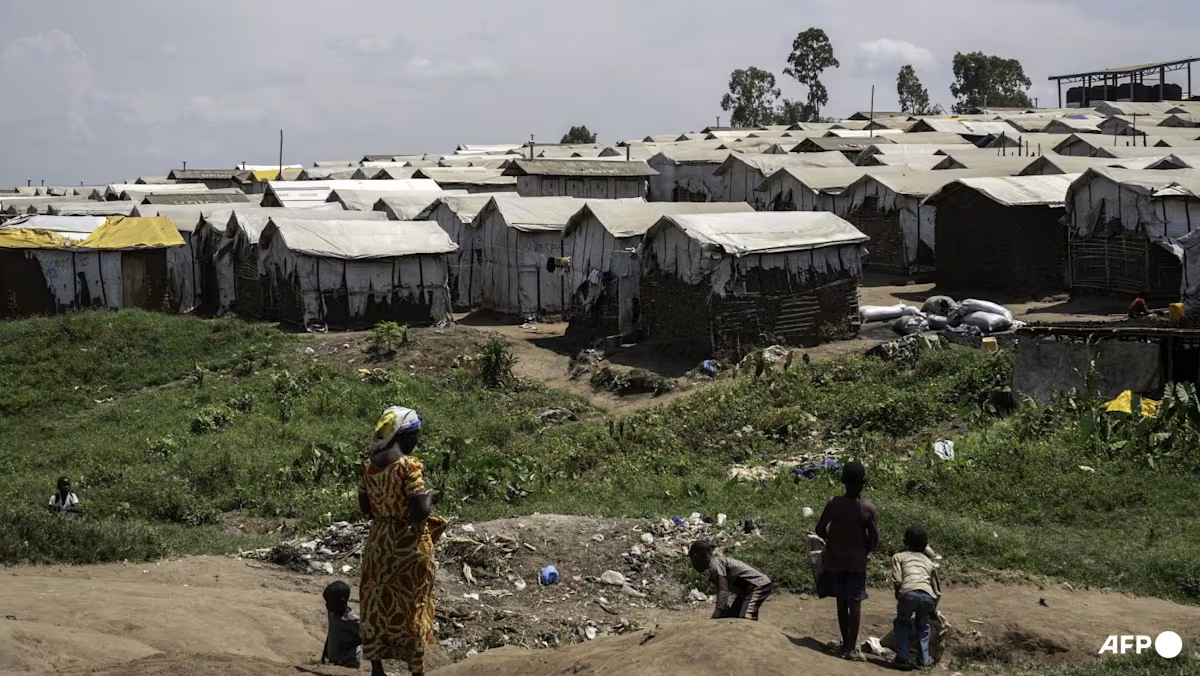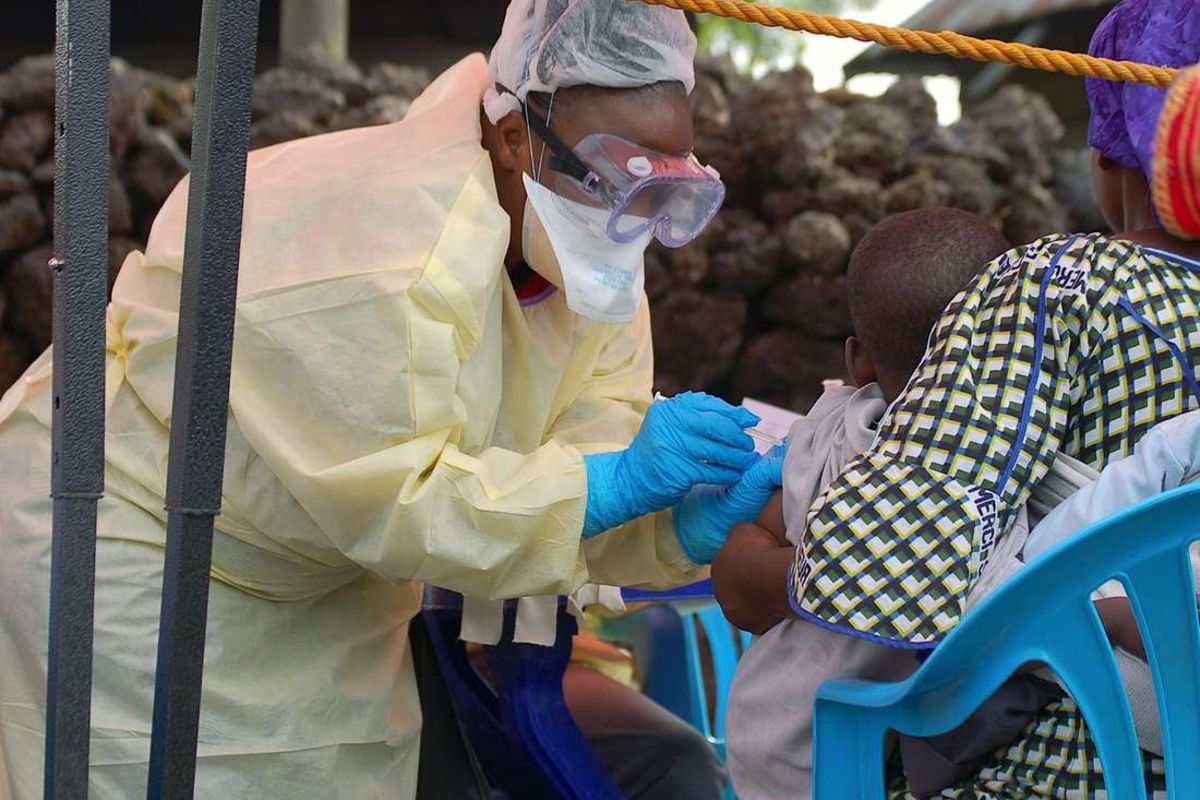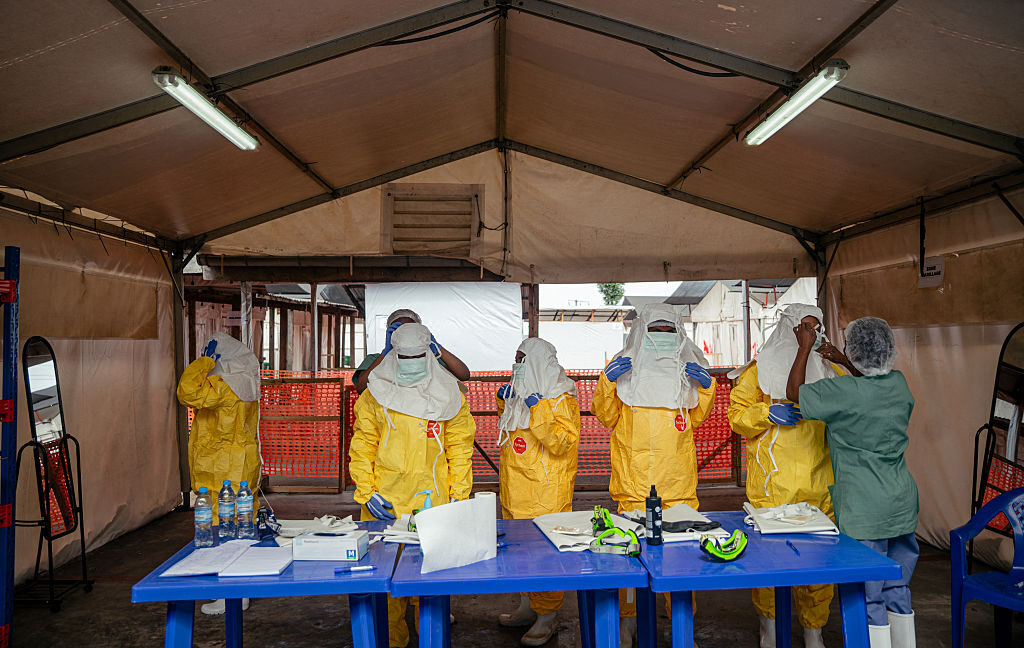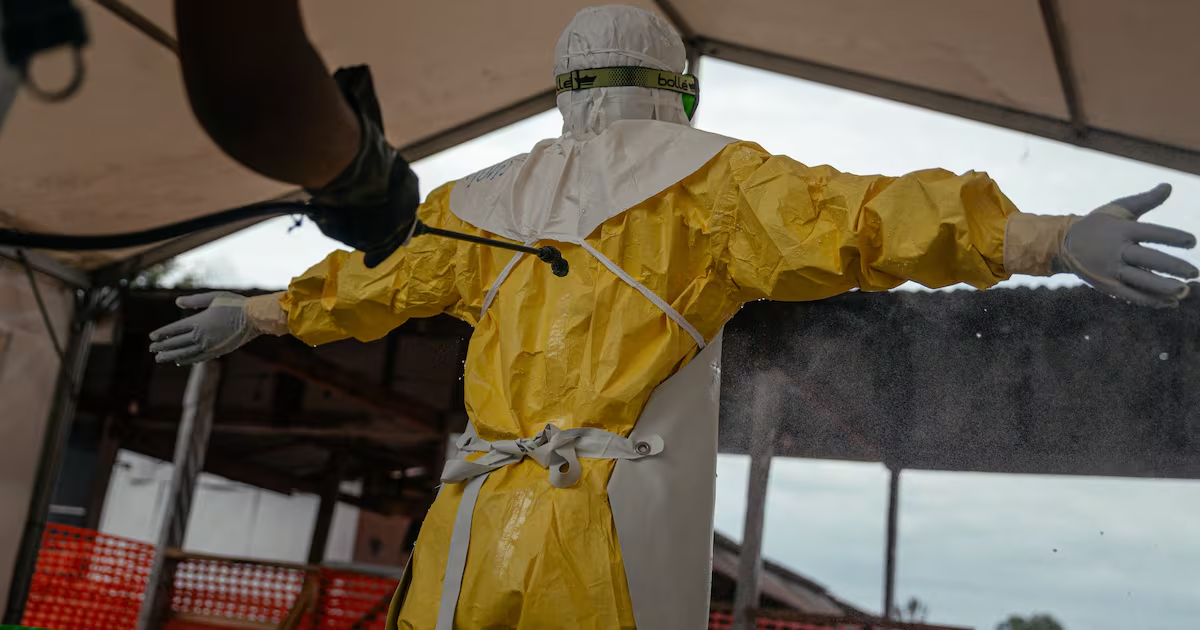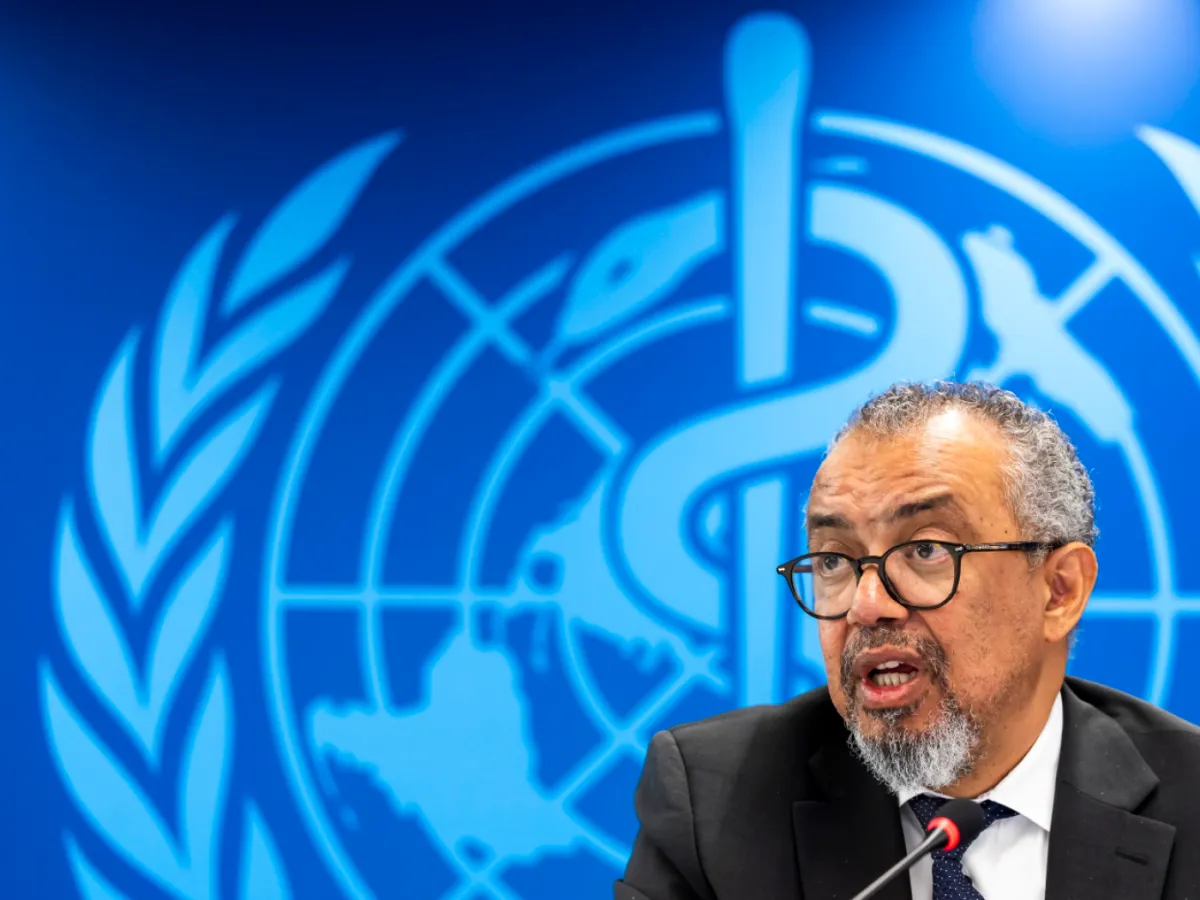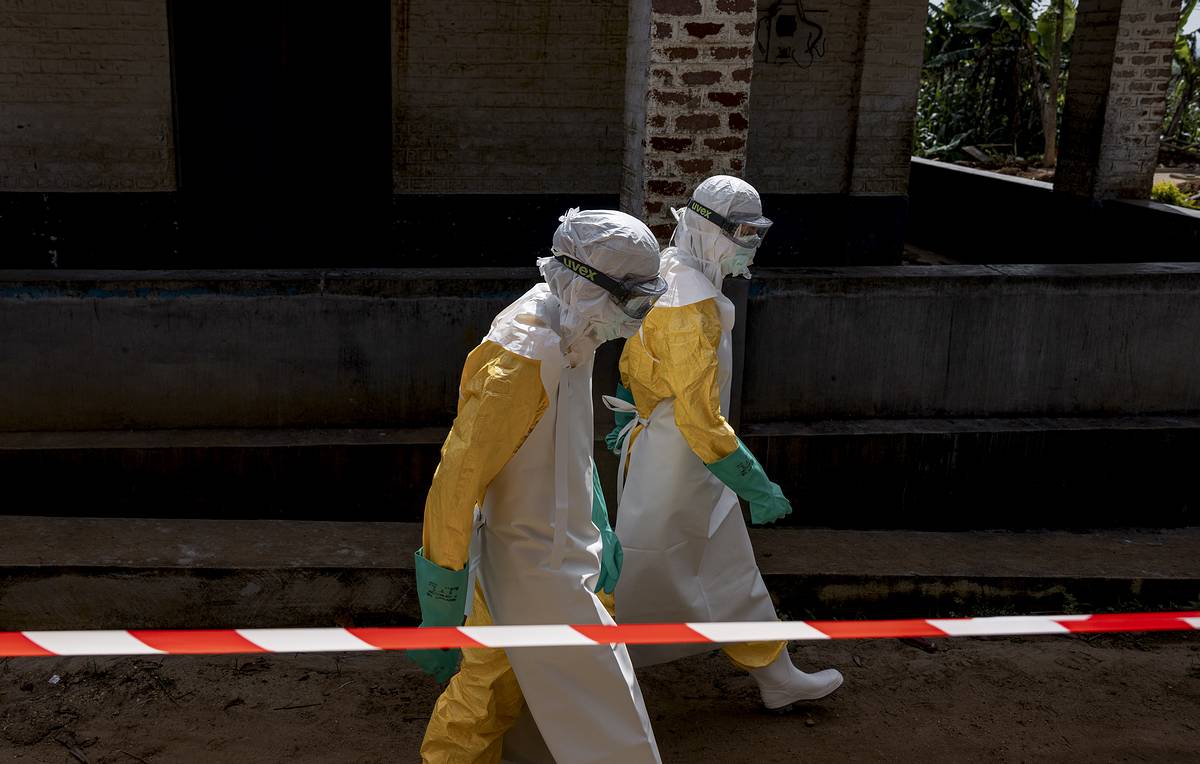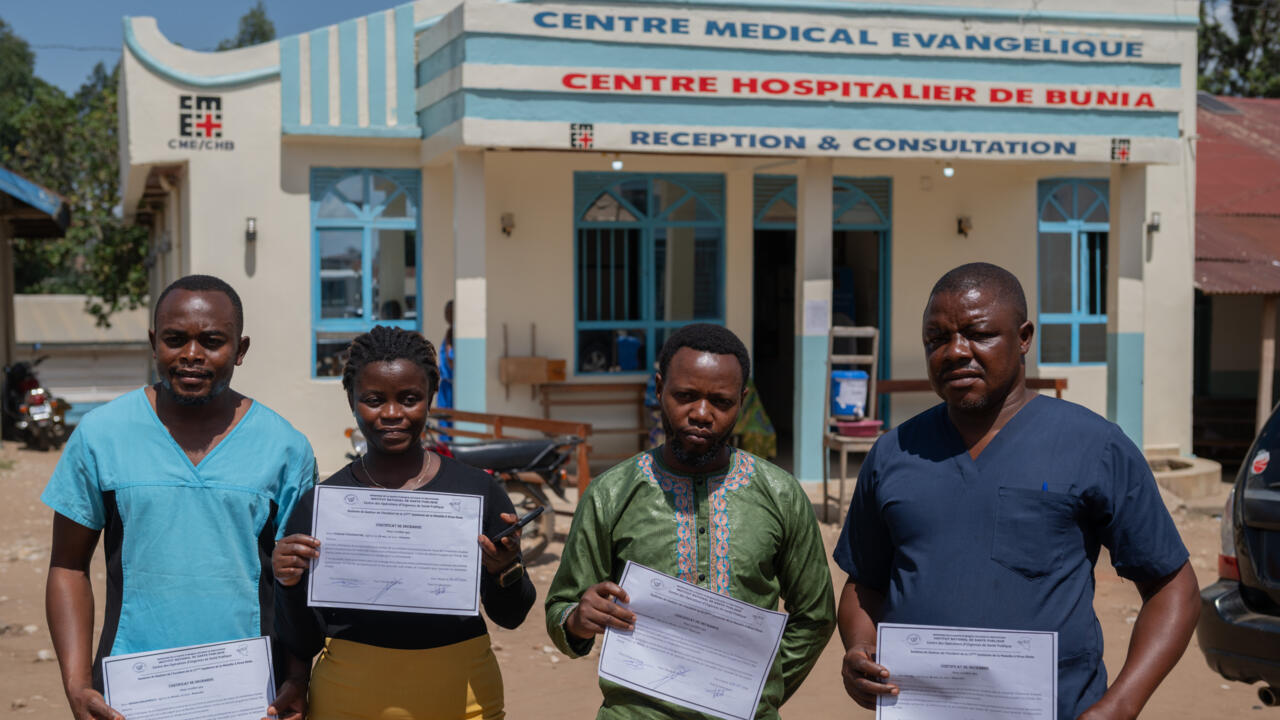
The WHO on Tuesday dramatically scaled back the number of suspected Ebola cases in central Africa to 116, down from more than 900 previously, with 330 cases now confirmed. As of May 31, the World Health Organization said 116 suspected cases of the deadly virus had been registered in the Democratic Republic of Congo – down from 906 late last week. Some 321 cases have now been confirmed in the DR Congo, including 48 deaths, while nine confirmed cases have been registered in neighbouring Uganda, including one fatality. Watch moreEbola outbreak comes with increasing economic toll for DR Congo While some suspected cases have been confirmed, many more "have been cleared out" from the data after having been shown to have other diseases with similar early symptoms or an unlinked fever, said WHO spokesman Christian Lindmeier. He stressed that "anybody who gets picked up by surveillance or presents themselves in a health facility with any symptoms that could be Ebola-like" is counted as a suspected case in the outbreak, pending testing. The outbreak was declared on May 15 in conflict-hit Ituri province in northeastern DRC, a central African country which is home to more than 100 million people and is one of the poorest in the world. Read moreWHO chief visits eastern DR Congo amid Ebola outbreak But the virus, which spreads through close contact and bodily fluids and can cause a fatal haemorrhagic fever, is believed to have been spreading under the radar for weeks before that. One reason is that people infected with Bundibugyo, the strain of Ebola behind the outbreak, initially show symptoms similar to flu, malaria or typhoid, which can delay detection. Lindmeier told reporters that once those suspected of having Ebola were tested, they were "ruled out, in many cases". For example, he said there had been "a couple of cases with malaria or meningitis case or others". "So they then of course drop off the suspected cases list and don't appear in that statistic any more," he said. "If you're confirmed, you've been added then to the confirmed cases," he said. It was therefore normal that the registered number of confirmed cases would continue to climb, while the suspected cases would fluctuate, he said. WHO's previous figures had also listed 223 deaths suspected of being due to Ebola virus but its new figures no longer include that category. Asked about that, Lindmeier suggested the number had been very uncertain, since it included "people who died a while ago" and whose remains in many cases could not be exhumed to be tested. Six people confirmed to have had Ebola in the outbreak have meanwhile been registered as having recovered, according to the WHO. No vaccine or approved treatment is available against the Bundibugyo strain of the virus and efforts to contain its spread rely mainly on preventative measures. (FRANCE 24 with AFP)
WHO reports dramatic drop in suspected Ebola cases from over 900 to 116
The World Health Organization (WHO) on Tuesday reported a drop in suspected Ebola cases to 116, down from 906 last week. Testing had "cleared out" some on the suspected cases list. Around 321 cases were…
TL;DRAI
WHO reduced suspected Ebola cases from 906 to 116 in DRC/Uganda after reclassifying cases with malaria and typhoid; 330 confirmed including 48 deaths. Diagnostic accuracy and surveillance data quality remain critical challenges in global health—areas where AI and data infrastructure investments could improve response times.
477 words~2 min read