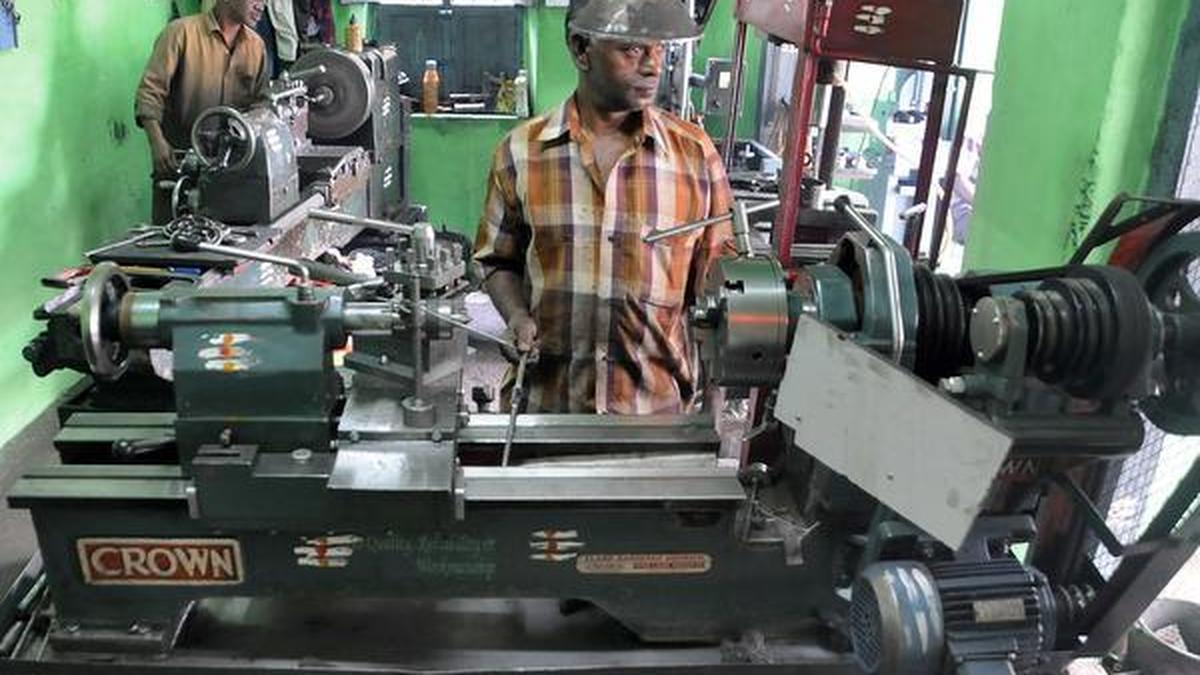
Units heavily reliant on energy inputs, particularly those in clusters with limited access to gas or lower ability to switch to alternative fuels, are estimated to be hit the hardest.
| Photo Credit:
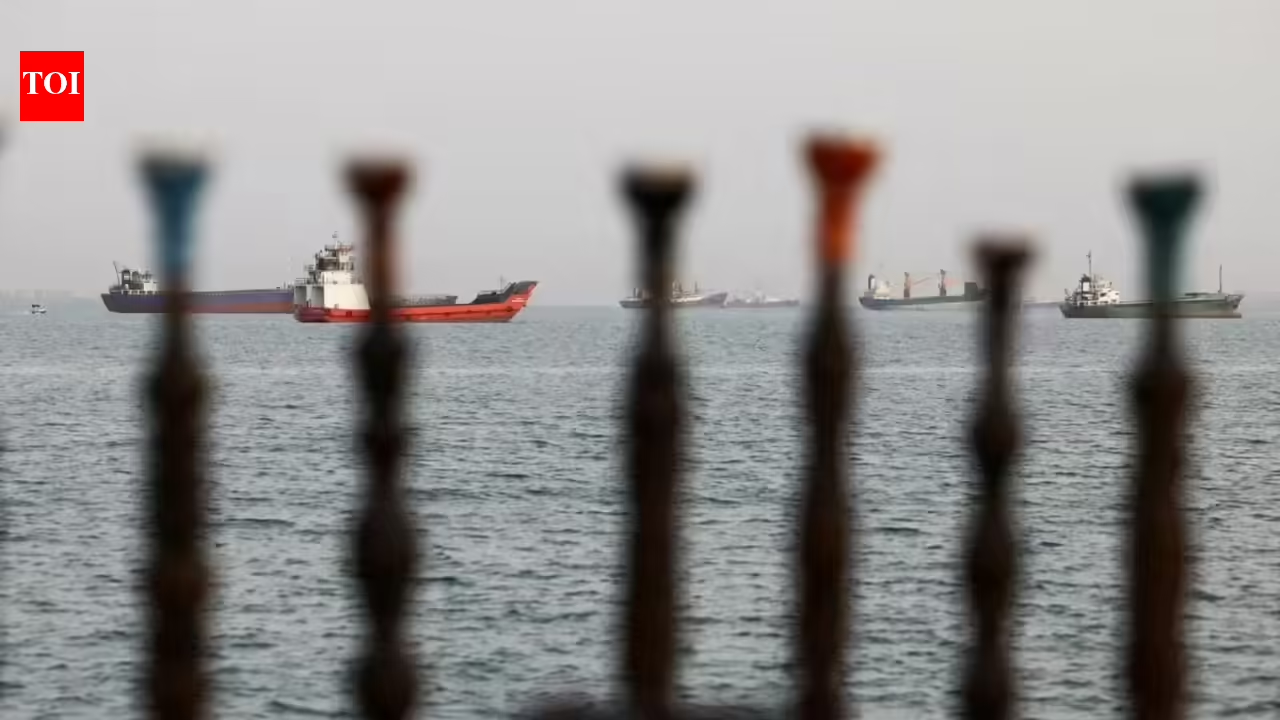
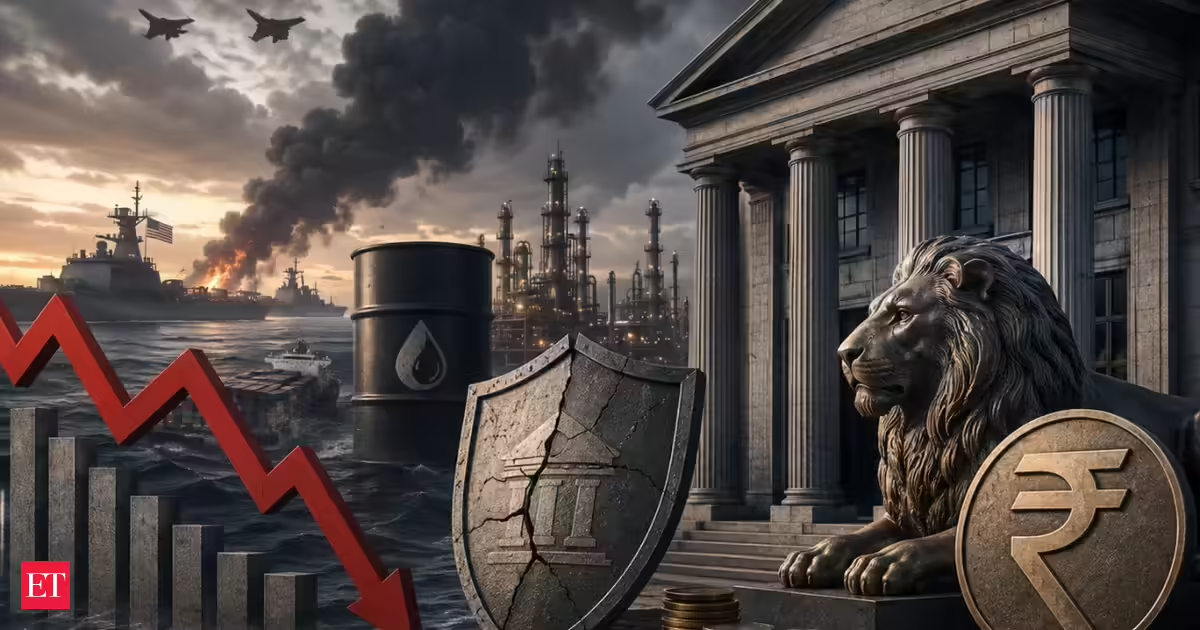
The West Asia conflict will likely shave off 100 bps off Micro, Small and Medium Enterprises (MSME) revenue this fiscal (FY27), and margins are expected to shrink 50-100 bps, a Crisil analysis found. Morbi, Firozabad, Surat and Vadodara clusters are likely to be hit the most, according to projections in Crisil Intelligence’s latest MSME Report.Revenue growth will moderate to 7.5-8.5 per cent, down 100 basis points (bps) compared with fiscal 2026, while earnings before interest, tax, depreciation and amortisation (EBITDA) margin will decline 50-100 bps to 5-5.5 per cent, the report said. The study covers 69 sectors and 147 MSME clusters The forecasts would have been more subdued but for the domestic gems and jewellery market, which is experiencing a value-led expansion, driven by a surge in gold prices, the report added.The West Asia crisis is following a similar pattern as Covid with small businesses bearing a disproportionate burden, the research firm notes. “ MSMEs face a dual challenge this time round: first, production cuts and revenue losses due to reduced availability of raw material such as gas and, second, margin compression stemming from trade disruptions and limited pricing power to pass on increasing commodity and energy costs,” it said.Energy inputsUnits heavily reliant on energy inputs, particularly those in clusters with limited access to gas or lower ability to switch to alternative fuels, are estimated to be hit the hardest.For instance, the Morbi cluster, which accounts for over 80 per cent of India’s ceramic tile production, is a case in point. With 80-85 per cent of its production gas-based, MSMEs which generate over 85 per cent of the cluster’s ceramic sector revenue will see revenue growth plummet from 9-11 per cent in fiscal 2026 to 1-3 per cent in fiscal 2027. This is largely due to export-oriented production (80-90 per cent of output), with 20-25 per cent of exports directed to the Middle East.Similarly, Firozabad’s glass sector has seen a 40 per cent production reduction, with MSMEs likely to experience only 1-3 per cent revenue growth.“The chemical sector, which imports more than 90 per cent of its key inputs such as methanol, from the Middle East, has seen raw material prices surge by 1.2–1.4 times with partial pass-on. Thus, chemical MSMEs in Vadodara are expected to witness a margin decline of 150–250 bps to 3-5 per cent in fiscal 2027...In Surat’s textile sector, raw material costs, particularly for polyester yarn and fibre, which are crude derivatives, have surged, further squeezing already thin margins,” Pushan Sharma, Director, Crisil Intelligence, said in a statement.To mitigate the impact of the crisis, the Union Cabinet has approved a scheme under the Emergency Credit Line Guarantee Scheme 5.0. However, its effectiveness in stabilising the MSME sector will depend on the quality, speed and inclusiveness of its implementation and execution mechanisms, Crisil said.Published on June 2, 2026