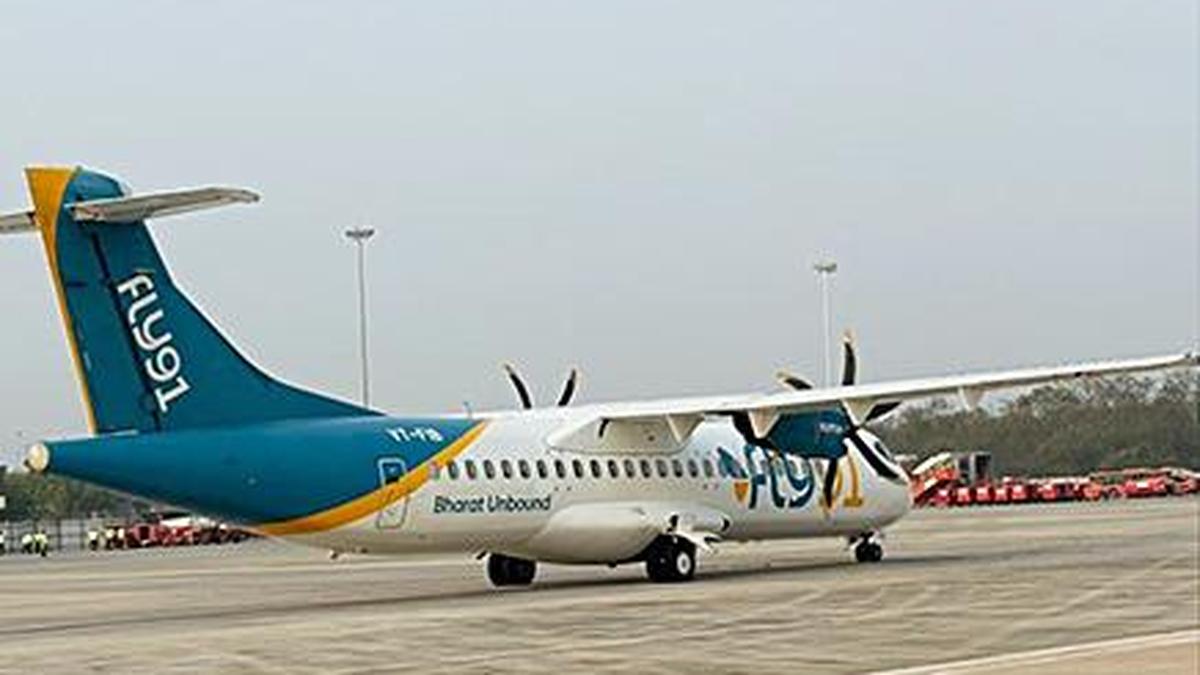
According to FLY91’s CEO, operating an exclusively ATR fleet has enabled the airline to maintain a simpler operation at a healthy fuel-to-revenue ratio
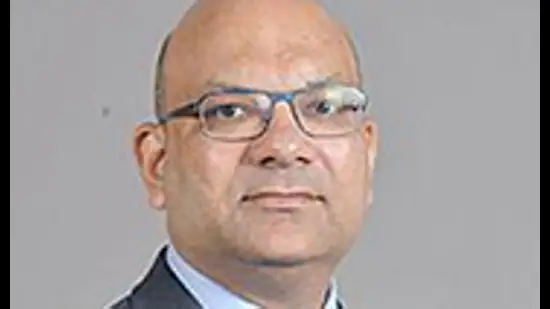
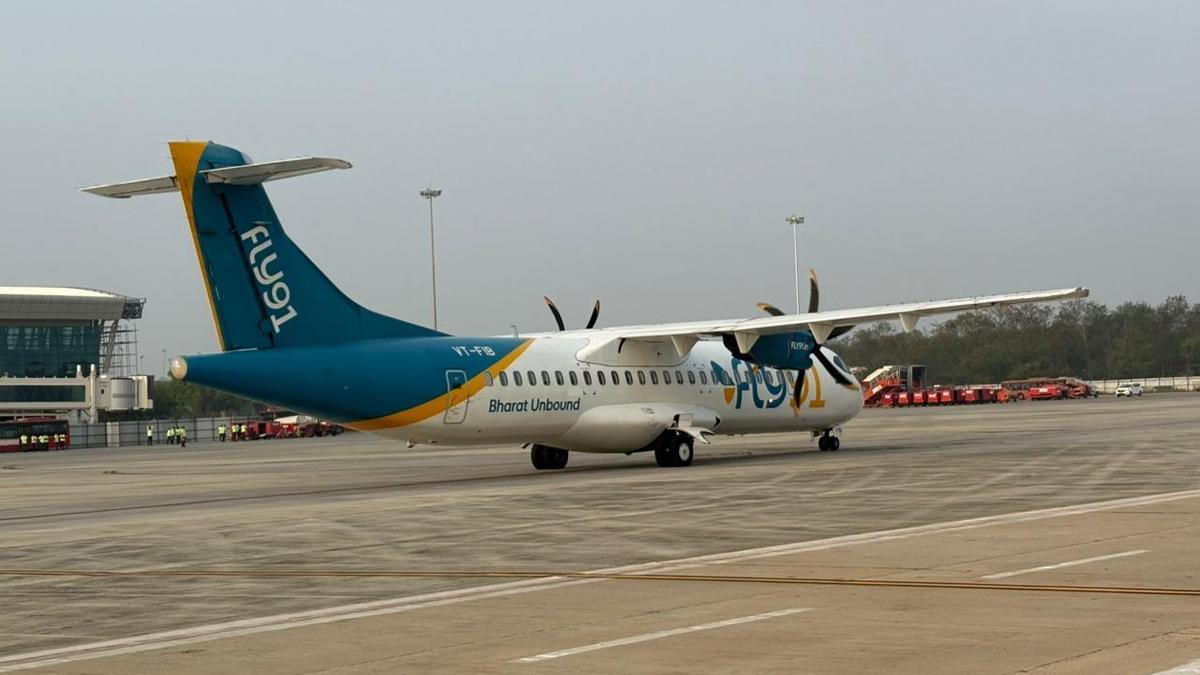
Regional airline FLY91 plans to expand its fleet to 10-12 aircraft by the end of FY27 from six currently, said Manoj Chacko, Managing Director and Chief Executive Officer of the airline.The development assumes significance as the venture remains the only start-up airline in recent years to have not only survived but also expanded in the country’s highly challenging and competitive aviation environment.Video Credit: BusinesslineSpeaking to businessline, Chacko said the additional aircraft induction till FY27-end will allow it to deploy capacity across the airline’s two operating bases in Goa and Hyderabad as it expands its regional network.Long-term PlanThe airline’s immediate expansion plans, he said, are centred around strengthening connectivity from its existing bases, with a long-term plan of pursuing a multi-base national network strategy.Apart from operating regional routes from Goa and Hyderabad to Tier-I and Tier-II cities, the airline plans to add flights to Mumbai, contingent upon slot availability. FLY91 also plans to add other destinations, including Tirupati, Mangaluru, Bogapuram, and Indore, from its Goa and Hyderabad bases by the end of the current financial year.Notably, the start-up has been able to navigate the challenges facing the aviation sector largely due to its all-ATR fleet operations.At present, the airline operates a fleet of six ATR 72-600 aircraft.Simpler OpsThe turboprop seats up to 72 passengers and is known for its fuel efficiency and operational flexibility, making it suitable for regional operations.According to Chacko, operating an exclusively ATR fleet has enabled the airline to maintain a simpler operation while achieving a healthy fuel-to-revenue ratio.“The industry continues to grapple with elevated fuel costs. However, our ATR operations allow us to maintain a fuel-to-revenue ratio of 20–22 per cent, compared with 38–40 per cent for operators using jet aircraft,” he said.Besides, the airline’s digital presence and marketing strategy have helped ensure a steady flow of passengers, thereby enhancing route viability.Govt SupportThe airline is also looking forward to the modified UDAN scheme, while maintaining that it operates largely as an independent carrier with minimal support through viability gap funding (VGF) under the regional connectivity programme.Meanwhile, the airline has been attempting to secure a slot at Mumbai airport for its Sindhudurg service but has faced challenges in obtaining one.Accordingly, Chacko said major airports such as Delhi and Mumbai should contribute towards promoting regional aviation by making relevant slots available to smaller carriers that provide air connectivity to smaller cities and towns.On the current traffic scenario, Chacko said demand remains robust for regional operators such as FLY91, and the airline expects growth to continue in the coming quarters.Higher ExpensesIn terms of financial health, he said the airline was profitable in the third quarter of FY26. However, profitability declined in the fourth quarter following the induction of additional capacity, which resulted in higher operating expenses.“The induction of capacity in Q4 dragged profitability lower due to higher expenses,” Chacko said.The airline had initially raised $25 million before commencing operations.Chacko has partnered with former Fairfax India head Harsha Raghavan and other professional investors to launch the airline.FLY91 began full-fledged commercial operations in March 2024 and is headquartered in Goa, with its first base at Manohar International Airport.Published on June 2, 2026