I spent the last few years running QA, across teams. The same structured process worked, but only because the features going through it were deterministic. I wanted to find out whether it would still hold when AI features started coming through, before the next team I work with put that question to me for real. So I built an AI tool that could do part of my job, and watched what broke.
The short answer to the question you've probably read fifty versions of: no, QA is not going away because of AI. The code an AI writes still has to behave correctly for a real user, and so does the system generating that code, and so do the features that put AI in front of the customer. None of that is less work than testing deterministic software ever was, and in some places it is more.
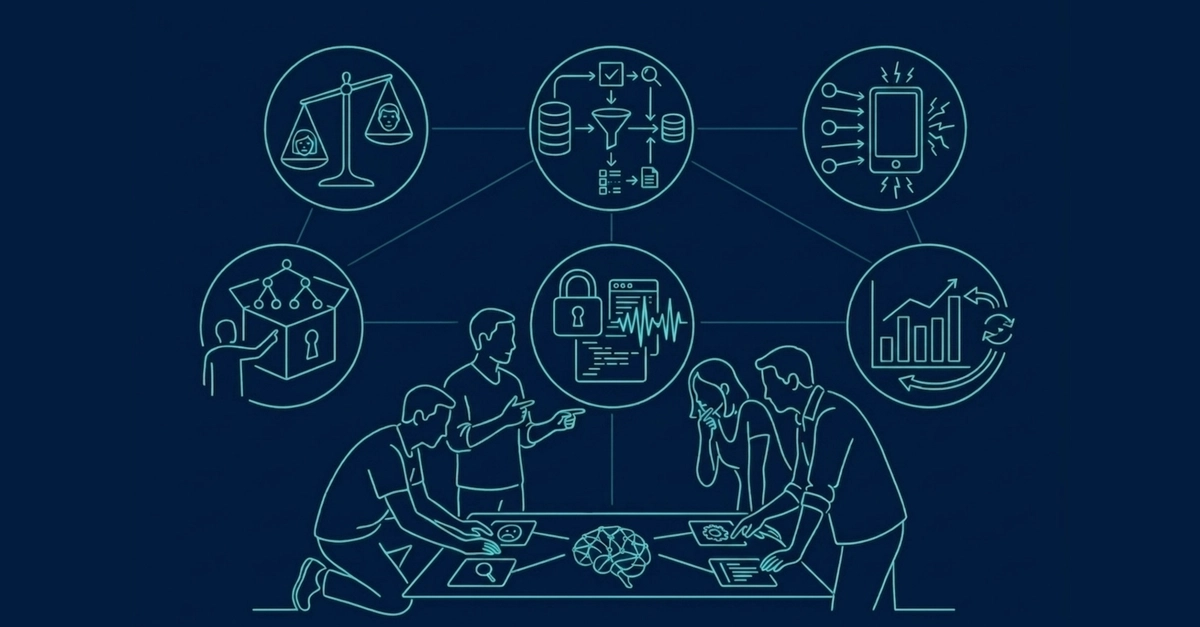
What does change is the assumption underneath the old way of working: that a feature which passes the usual checks can be trusted to behave. The gap between what those checks cover and what an AI feature actually needs is what RTIA taught me about. RTIA is a small multi-agent tool that turns a raw requirement into a backlog-ready story with its acceptance criteria and test cases, the kind of item a product owner, a business analyst and a QA lead shape between them. The rest of this post is six things AI features need that the normal pipeline does not give them, with a piece of evidence for each from RTIA.