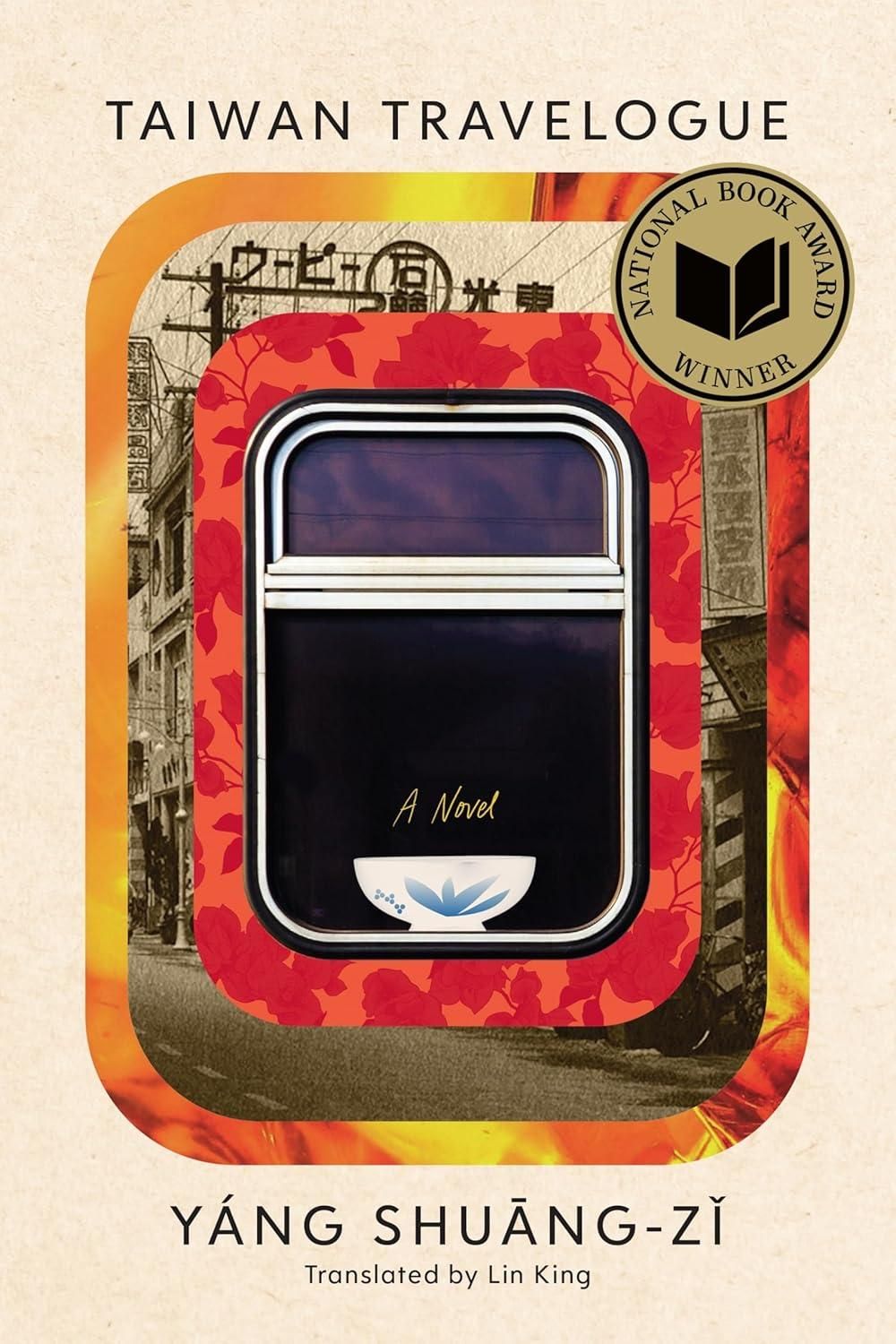
“Taiwan Travelogue” made history in late May as the first Taiwanese literary work to win the International Booker Prize. This also made the novel the first Mandarin-language novel to win the International Booker Prize in translation.
This was not the first major win for “Taiwan Travelogue.” Previously, in 2024, author Yang Shang-zi and translator Lin King had won the U.S. National Book Award for Translated Literature. This makes “Taiwan Travelogue” the first novel to win both the U.S. National Book Award and the International Booker Prize.
“Taiwan Travelogue” dovetails with many of the themes that have resonated strongly in Taiwan’s cultural representation abroad. The novel is set during the Japanese colonial period and focuses on the relationship between two women, Japanese author Aoyama Chizuko and her Taiwanese interpreter, Chi-chan. The subtext is that Chizuko is in love with Chi-chan, but their relationship is not that of equals, but rather of colonizer and colonized subject.
The Japanese colonial period, as well as Taiwan’s White Terror, have been recurring themes in contemporary Taiwanese cultural production. In a way, this is part of Taiwan’s grappling with its own contemporary identity, understood as having pluralistic influences ranging from Indigenous culture, Han settlement during the Ming and Qing dynasties, the Japanese colonial period, and the KMT’s retreat to Taiwan after the Chinese Civil War.