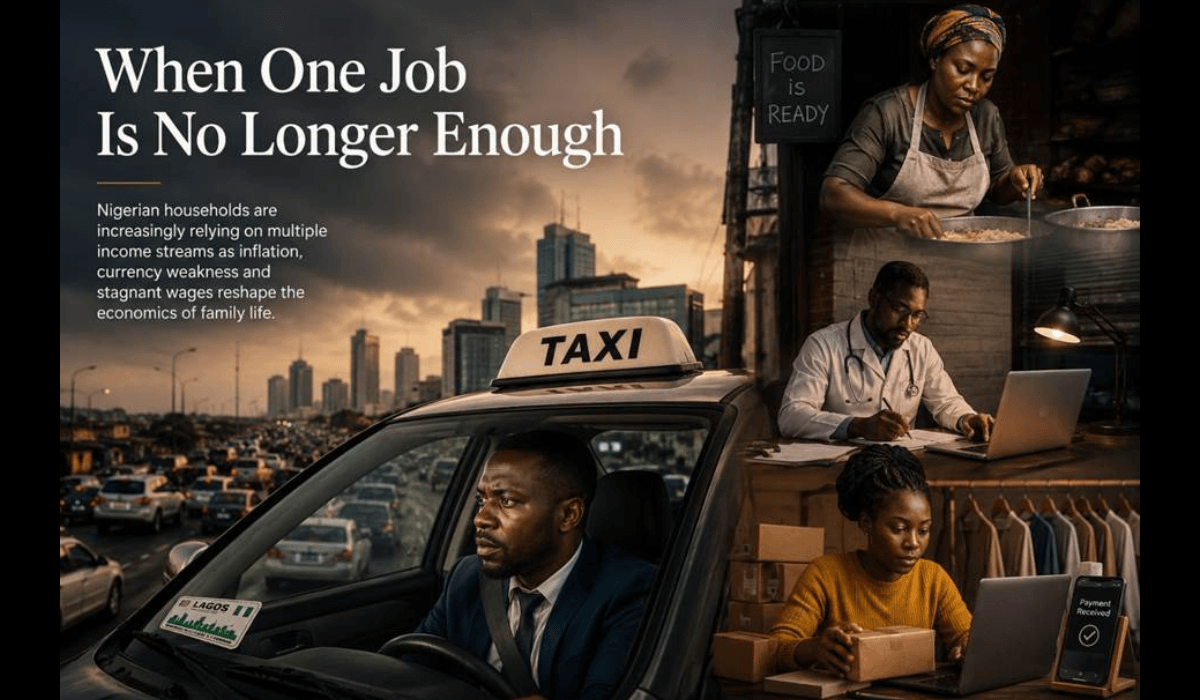
…One salary used to support a family. Today, many households need three
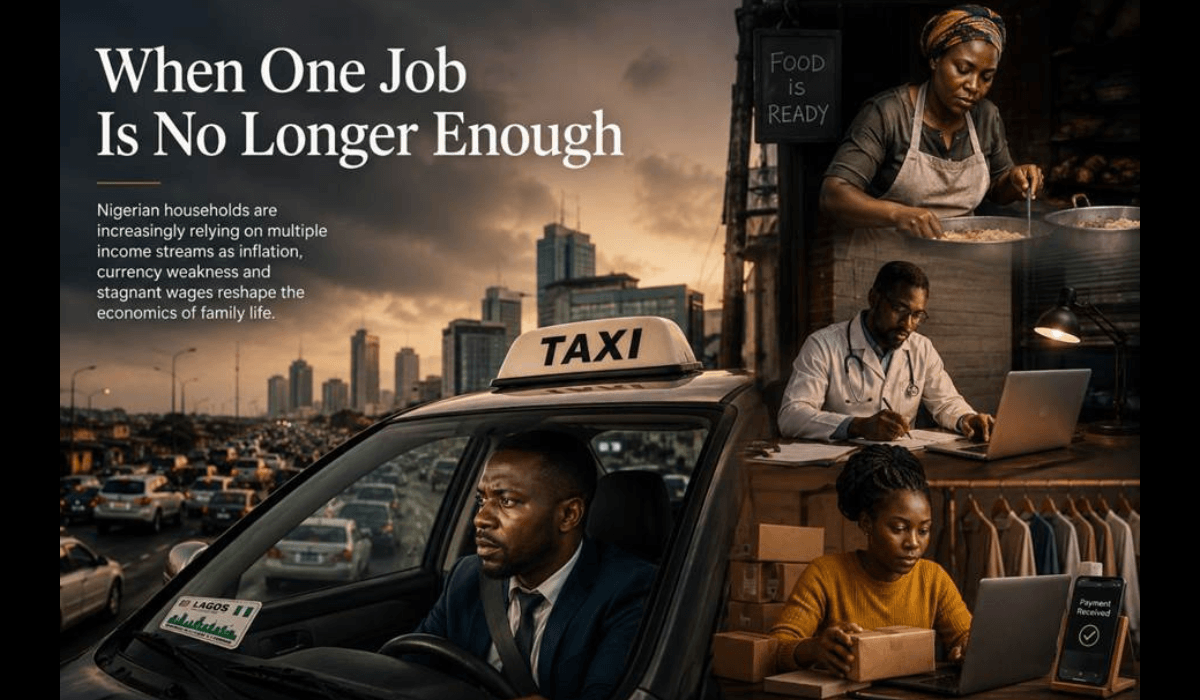
At 4:30 a.m., while much of Lagos is still asleep, Taye Bamgbade is already working. The 48-year-old banker leaves home before dawn and turns his car into a taxi on the way to Victoria Island, picking up passengers to help offset the fuel costs of getting to work.
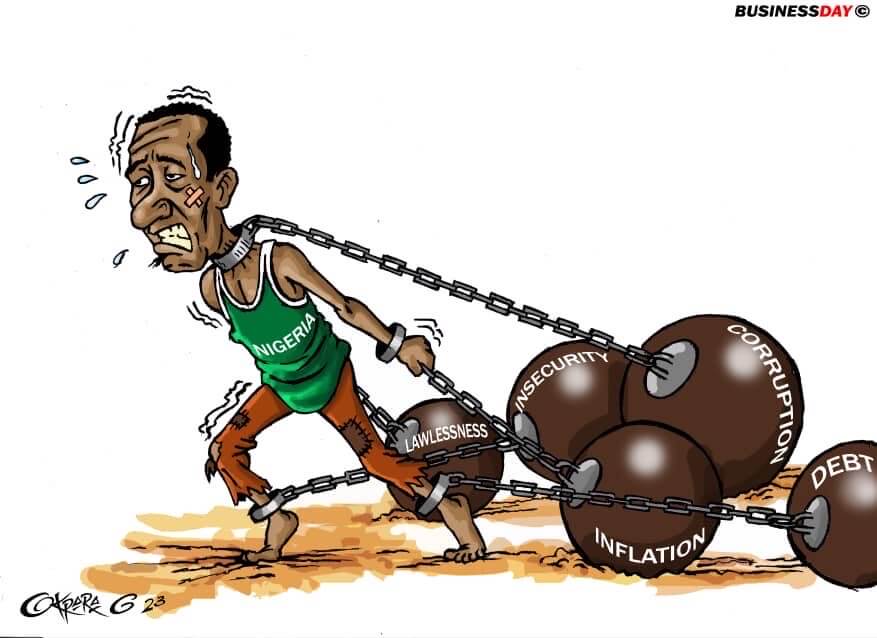
His salary has not disappeared. Its purchasing power has. Across Nigeria, millions of households are confronting the same reality. The job still exists. The income no longer stretches.
For decades, the Nigerian household was built around a simple assumption: one stable salary could support a family. Today, that assumption is quietly collapsing. Teachers sell food after school. Civil servants drive ride-hailing vehicles at night. Doctors take private consultations after hospital shifts. Students run online stores between lectures. What was once considered a side hustle is increasingly becoming a financial necessity.
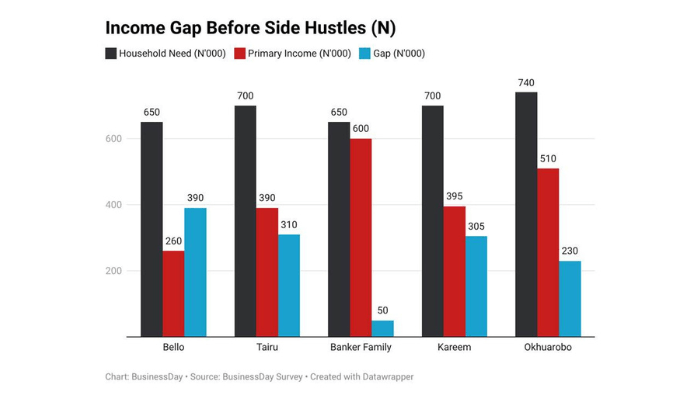
The mathematics of survival