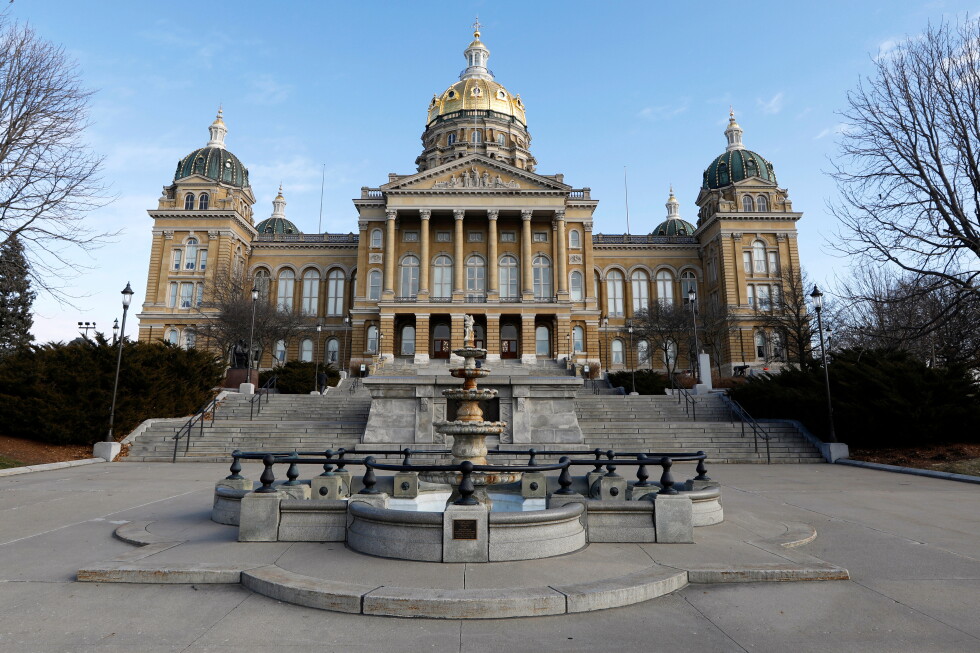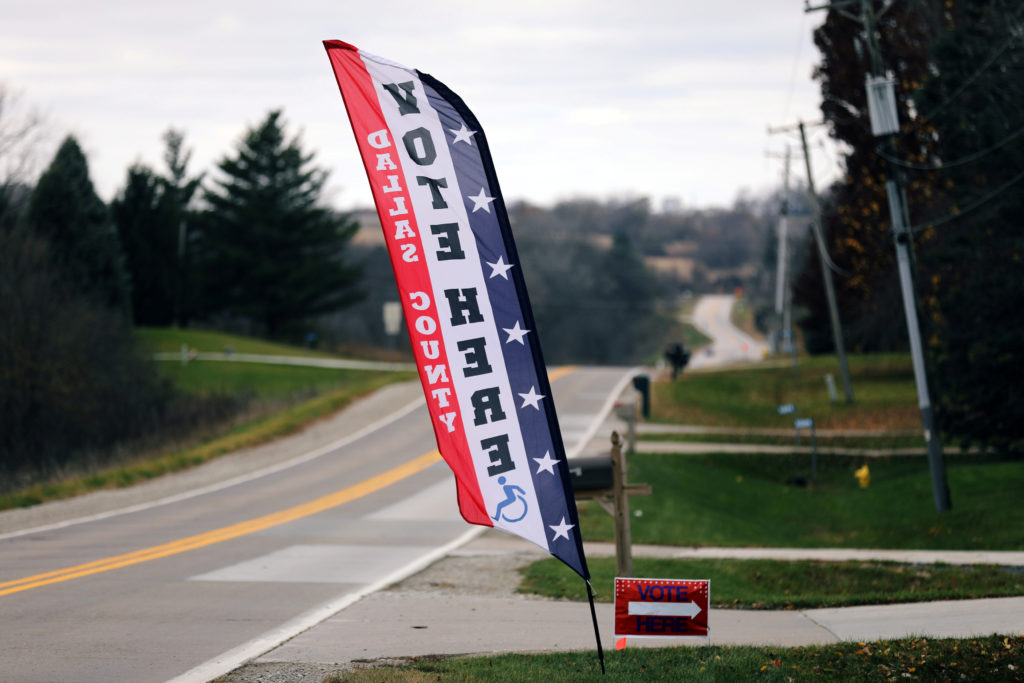
WASHINGTON (AP) — The retirements of two of Iowa's most prominent Republican officeholders, Gov. Kim Reynolds and U.S. Sen. Joni Ernst, have had ripple effects throughout Tuesday's state primary, creating competitive nomination contests to replace them and a chain reaction of open seats down the ballot.
READ MORE: Democrats look for a foothold in Iowa as Vance visits to boost GOP candidate
The winners will compete in November's critical midterm elections, in which Iowa's U.S. Senate and House seats could determine control of the narrowly divided chambers. The next governor could also play a pivotal role in the 2028 election, given the state's long history of making or breaking presidential hopefuls.
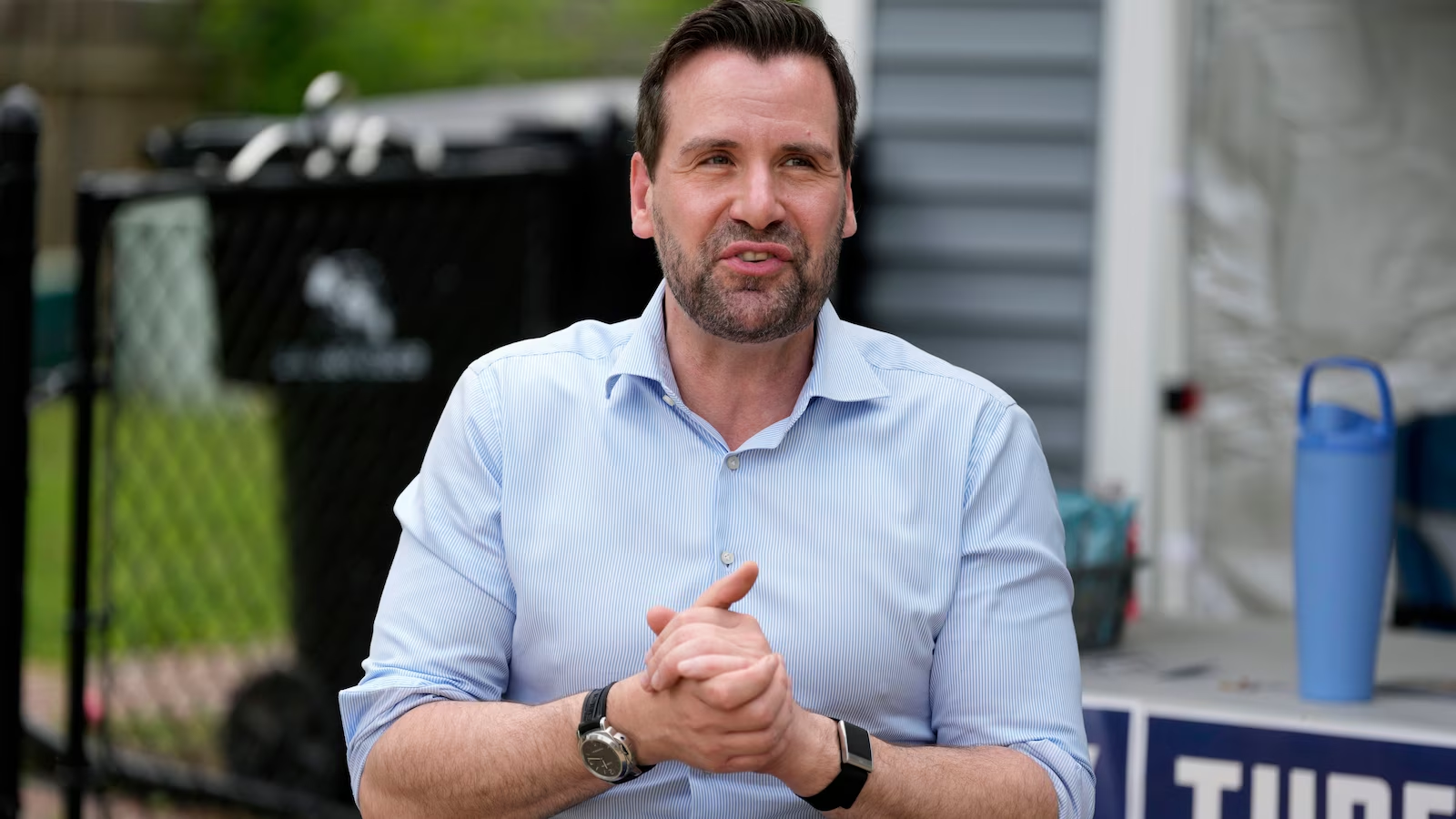
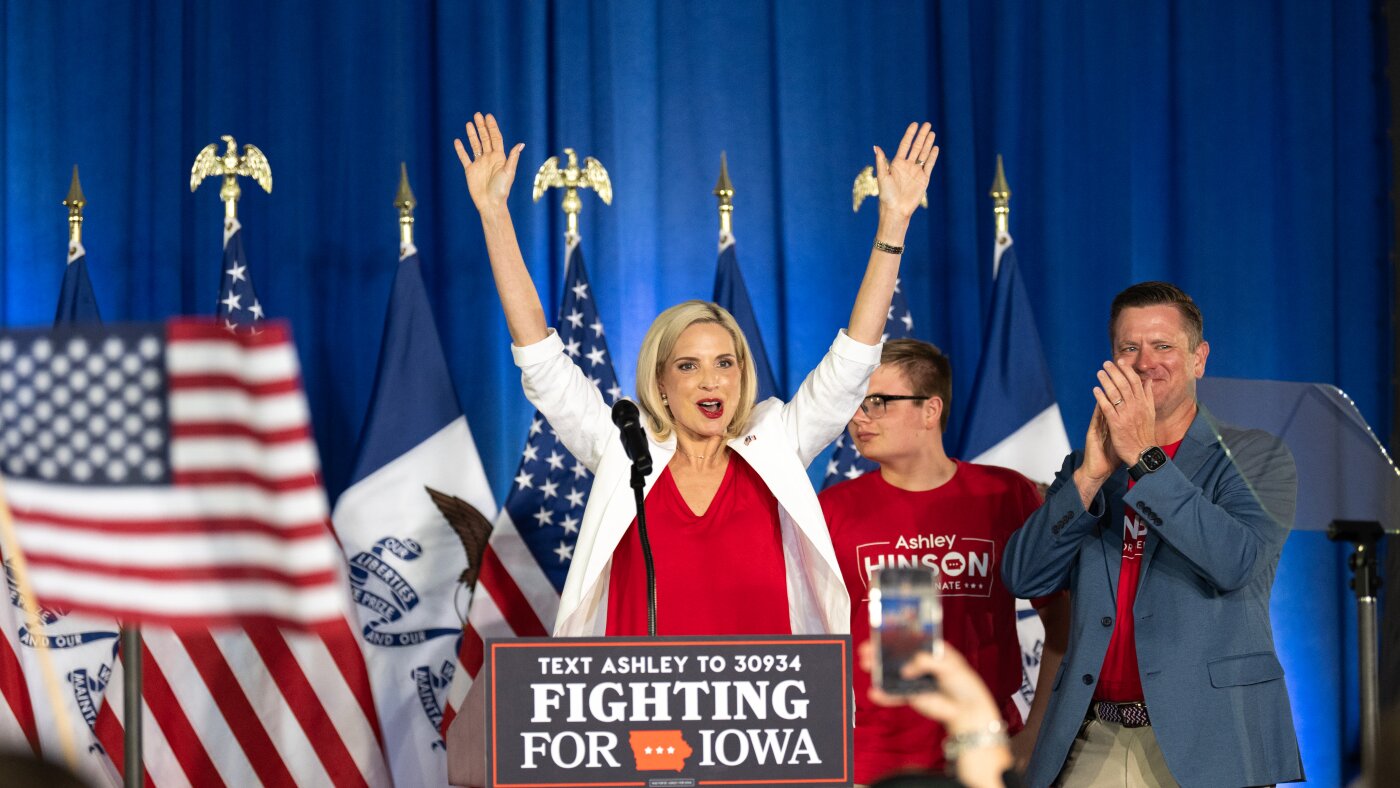
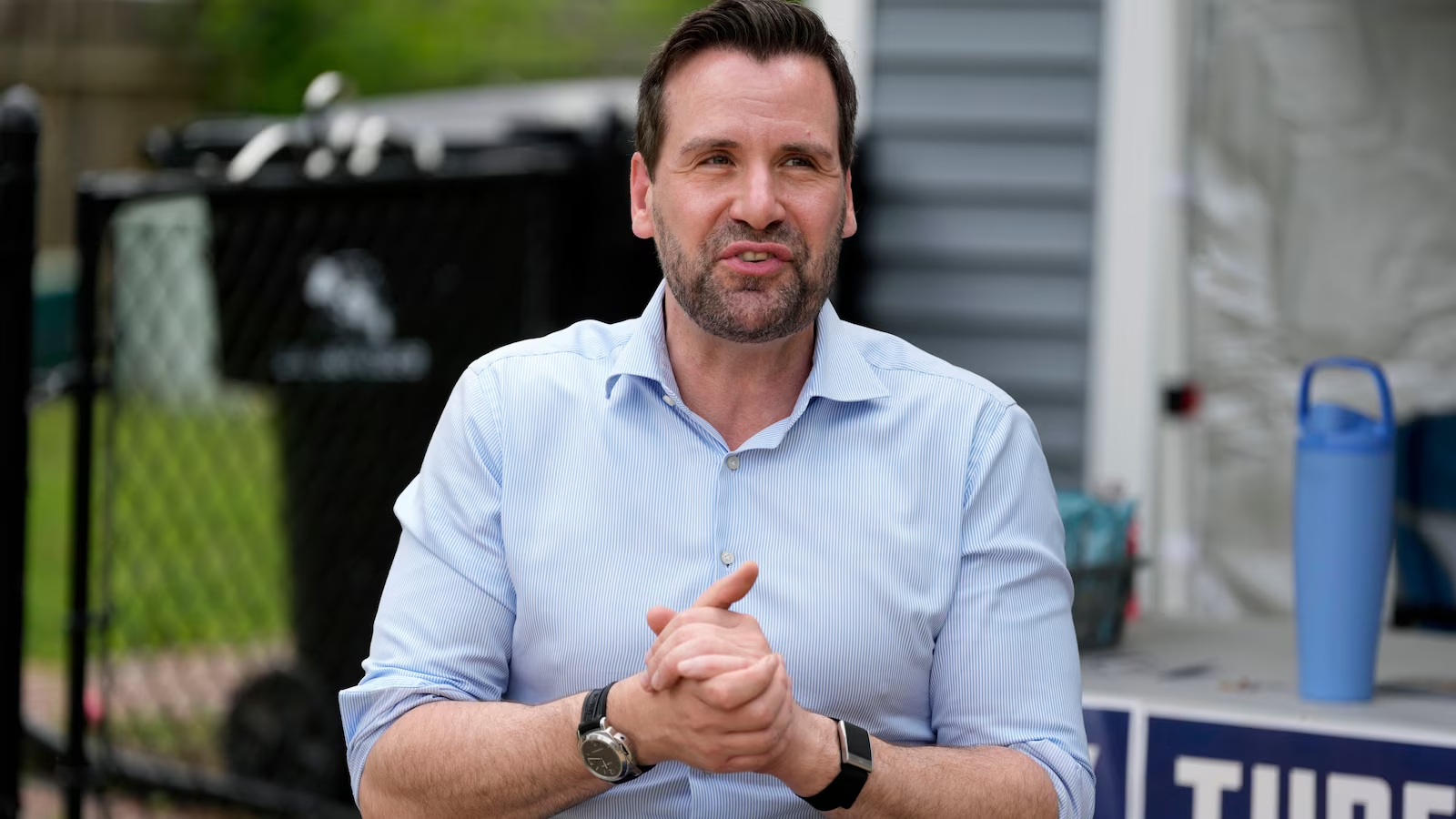
Two Republicans and two Democrats are competing in primaries to replace Ernst, who announced in 2025 that she would not seek a third term. U.S. Rep. Ashley Hinson faces former state Sen. Jim Carlin in the Republican primary, while state Rep. Josh Turek and state Sen. Zach Wahls compete for the Democratic nomination. Carlin ran for Iowa's other U.S. Senate seat in 2022, receiving about 27% of the primary vote against U.S. Sen. Chuck Grassley.
Reynolds also announced in 2025 that she would not seek a third term. Vying for the GOP nomination are state Rep. Eddie Andrews, U.S. Rep. Randy Feenstra, entrepreneur and private school co-founder Zach Lahn, former state Rep. Brad Sherman and former state administrative services director Adam Steen. President Donald Trump has endorsed Feenstra.