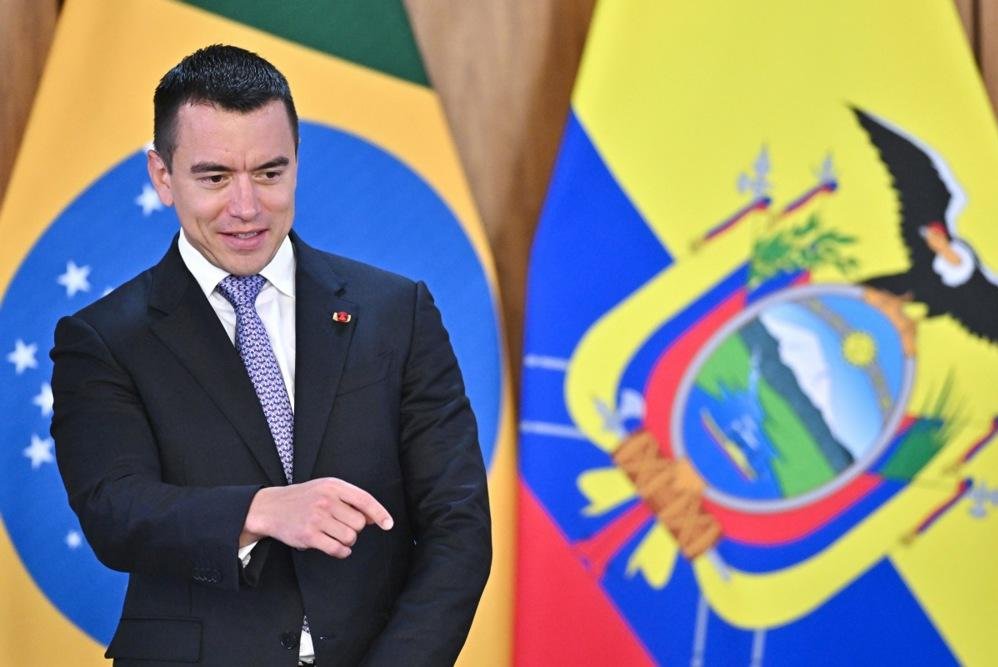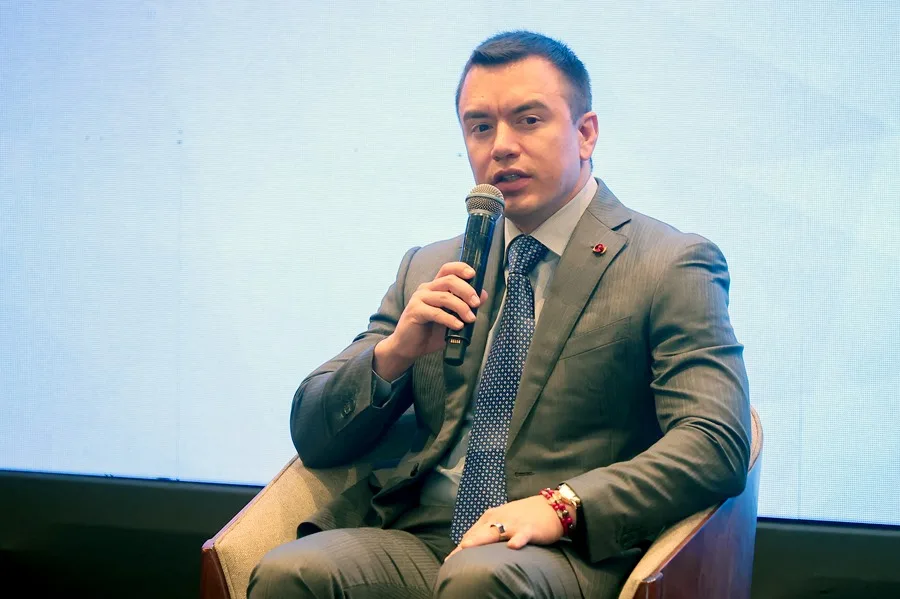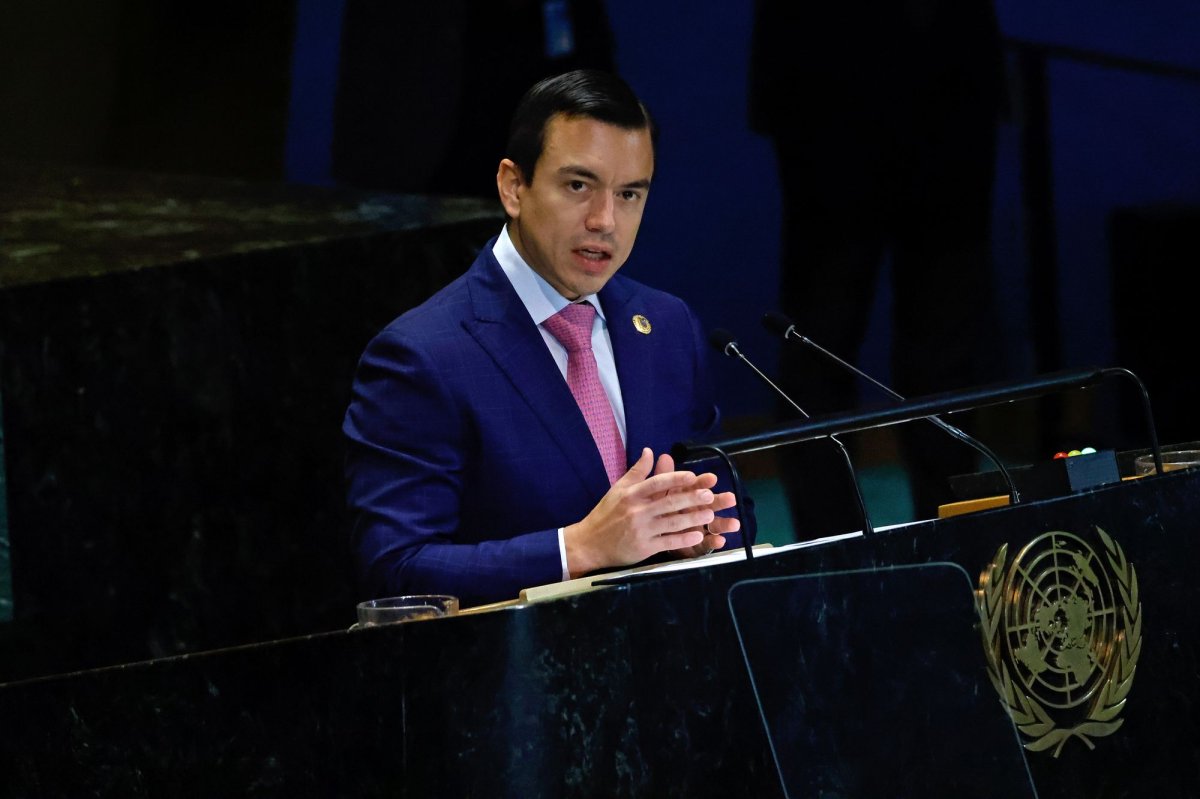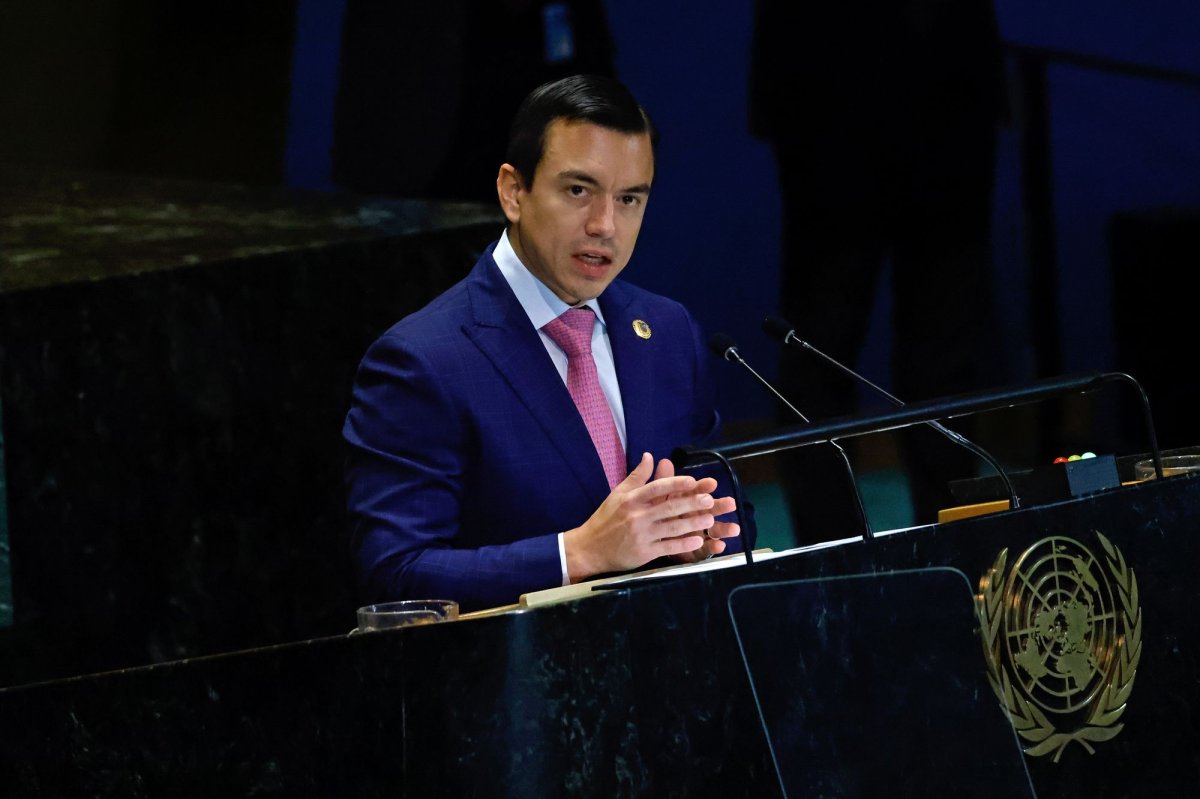
Daniel Noboa Azin, Constitutional President of the Republic of Ecuador, speaks at the 'Summit of the Future' during the U.N. General Assembly 79th session in New York in 2024. File Photo by Peter Foley/UPI | License Photo
June 2 (UPI) -- When Ecuador's Daniel Noboa won re-election on April 13 with nearly 56% of the vote, defeating a left-wing challenger for the second time in two years, it was more than a personal political triumph. It was another data point in a pattern that has been accumulating across much of the Western world: voters are shifting their priorities, and old assumptions about the political center are being revised.
A mood, not just a moment
This shift cannot be explained by ideology alone. It is also the product of accumulated frustration. Inflation, sluggish growth, migration pressures, and declining trust in institutions have led many voters to look beyond the traditional political script for alternatives that seem more likely to deliver results.
The leaders who have benefited from this mood -- Donald Trump in the United States, Javier Milei in Argentina, Giorgia Meloni in Italy, Nayib Bukele in El Salvador -- operate in very different national contexts and hold distinct policy positions. What they share is a promise: to revise the dominant approaches of recent decades and restore a focus on economic performance, security and a more demanding standard of accountability for the state.