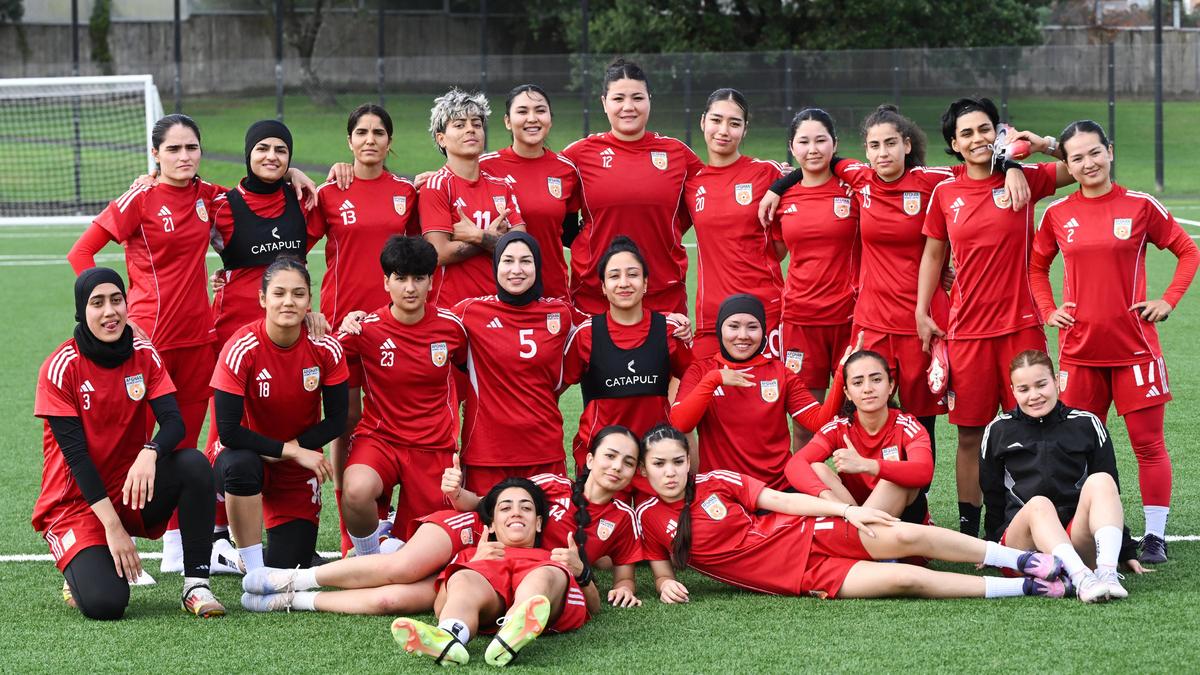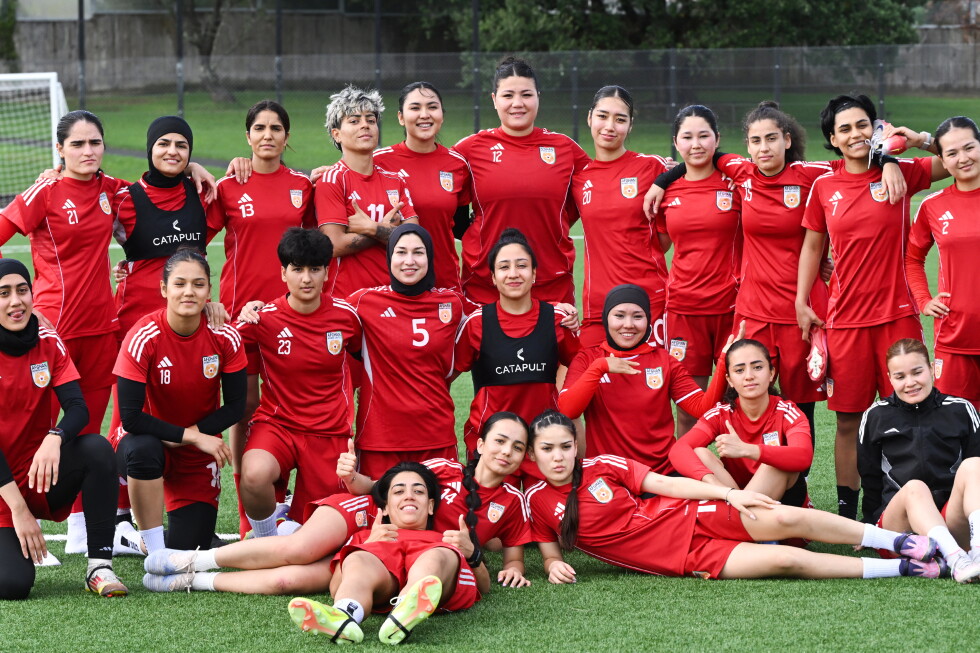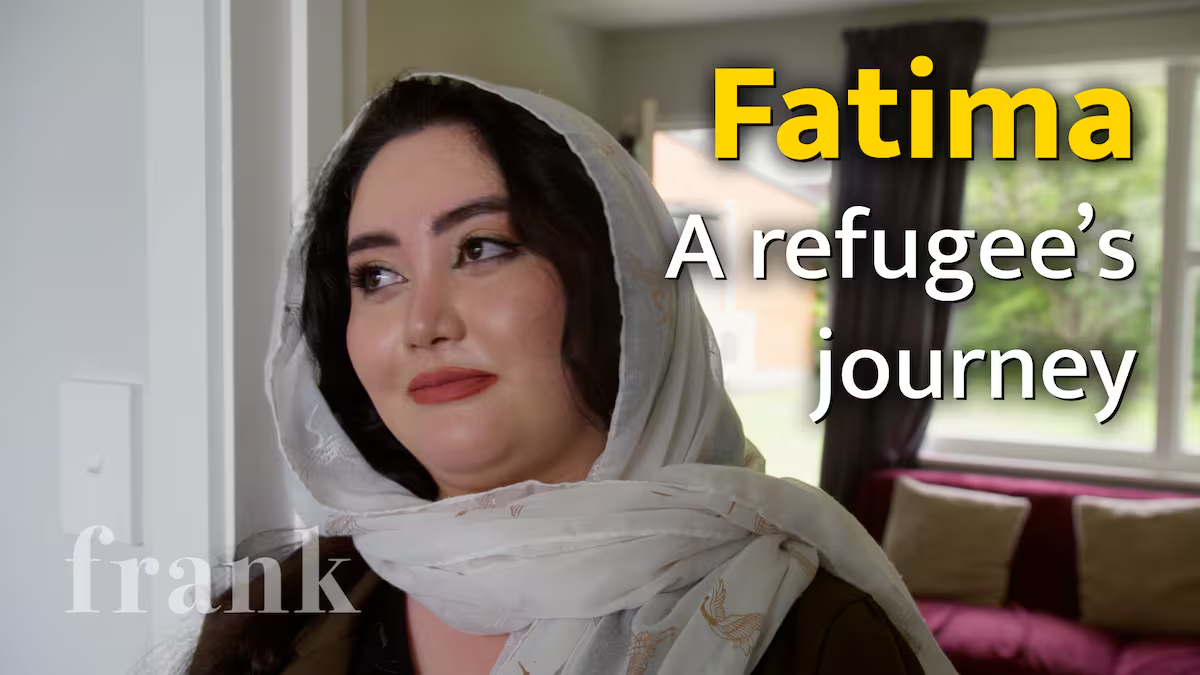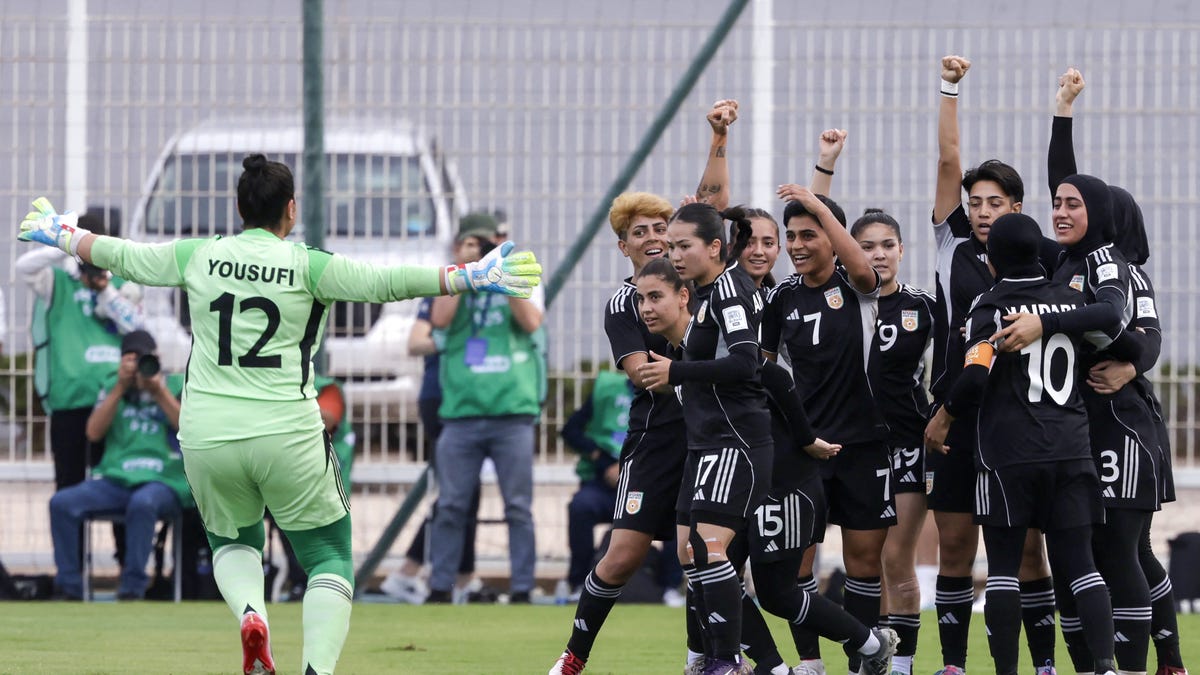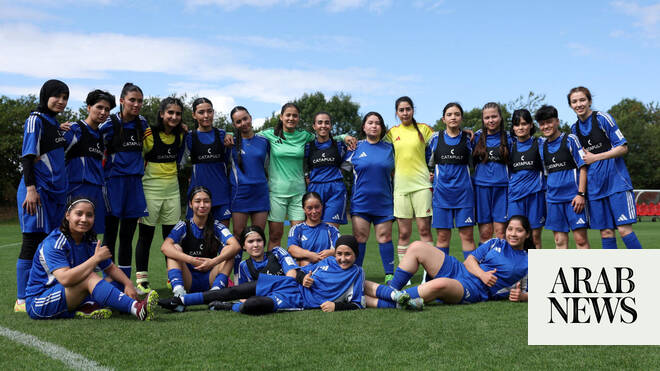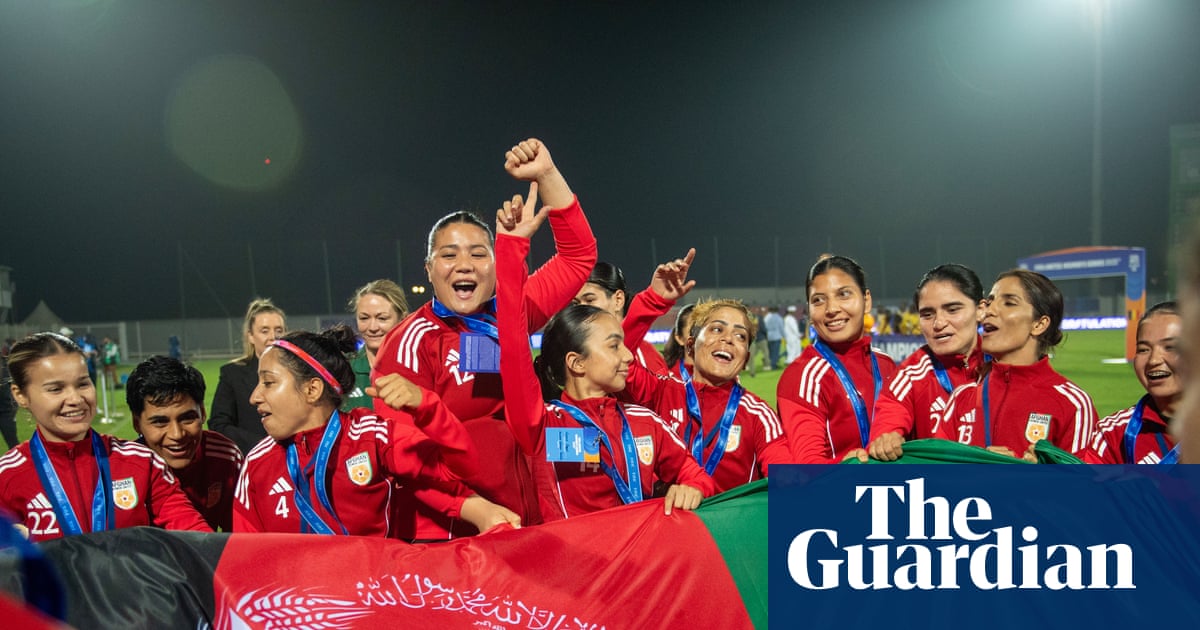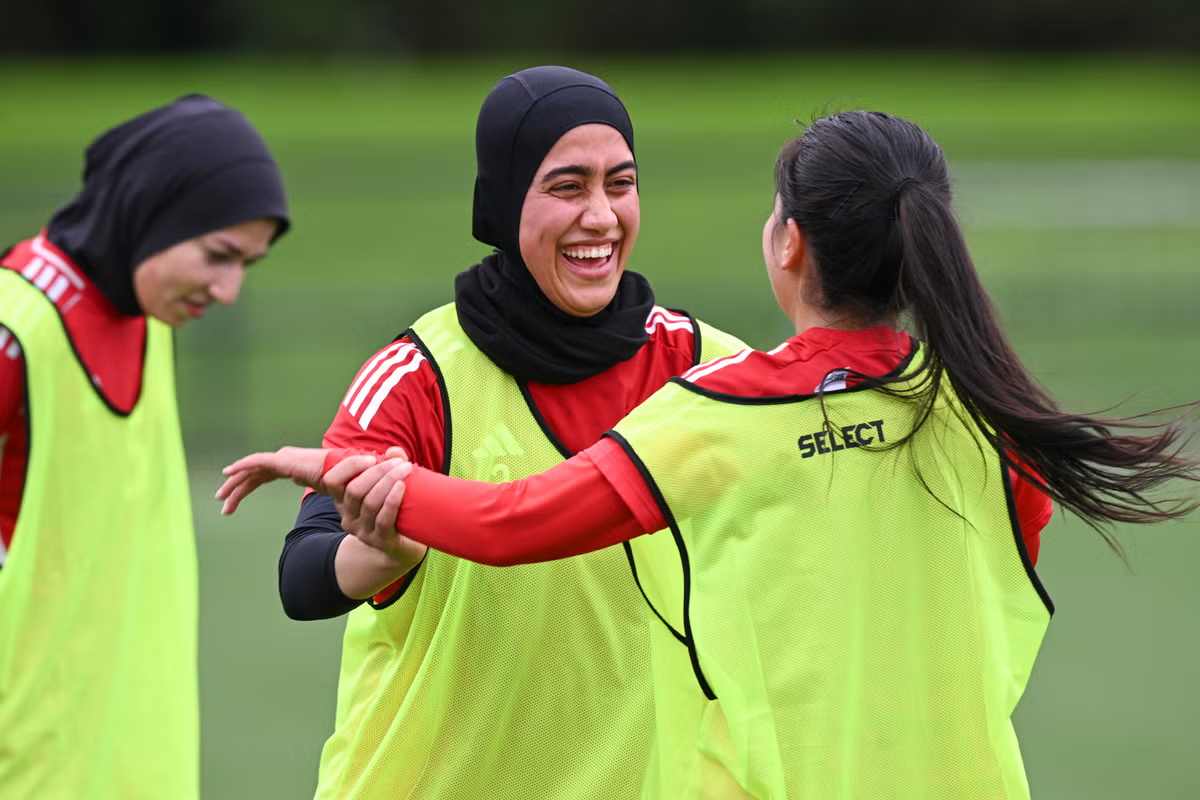
The Afghan women’s football team, once forced into hiding by the Taliban, is now preparing for international competition, a testament to their unwavering spirit and a significant victory for women’s sports. This week, 23 members of the Afghan Women United programme are in a training camp in Auckland, New Zealand, set to play matches against a team from the Cook Islands.For players like Fatima Yousufi and Mona Amini, the journey has been fraught with peril. Both had pursued their passion for football and education in Afghanistan, supported by their families. However, the Taliban’s return to power in 2021 abruptly shut down all women’s sports, forcing the national team’s players into hiding.Following a frantic evacuation, 13 of these players found refuge in Australia, where they continued to live, train, and play, holding onto the hope of one day representing their country again.Despite the Afghan football federation’s refusal to recognise the women’s team, a pivotal moment arrived in April when Fifa, football’s world governing body, granted the team eligibility for international competition.Afghanistan women’s football team (Local Library)"It was a special day that we heard that Afghanistan can represent again our flag in international tournaments," midfielder Mona Amini told The Associated Press in a Zoom call. "This is the result of hard work that we did in the past four or five years."Seven months earlier, the Afghan women had already achieved a symbolic victory, beating Libya in the "Unite" tournament. "It was a very special moment because we played in an international friendly tournament, and after three years we heard our anthem," Amini recalled. "That was amazing for me."For goalkeeper Yousufi, based in Melbourne, Fifa’s recognition was equally profound. "We’re going to have the national team! That’s the greatest thing ever that could have happened to the team," she said. "It was super important to us, especially thinking of the time when we arrived in Australia and we had lost everything: family, our childhood memories and that national team."Yousufi vividly remembers leaving her home with just one backpack, "to be safe and to continue to be alive." She added: "When we came here the most important part of our life was to be a soccer player and to be a soccer team. When we we saw we could not be (officially) a national team and we could not represent our country ... it was like I lost the game."While many players settled in Australia, others are dispersed across Europe and the United States. Coach Pauline Hamill organises talent identification camps and brings the squad together for matches. The memories of their darkest days remain a powerful motivator, driving them to succeed and represent the women and girls still in their homeland. The team’s last official competitive match was in 2018.Amini described the immense challenges of playing football in Afghanistan, even before the Taliban’s return. "We couldn’t play freely in Afghanistan," she said. "Going out from home was tough because there was the risk of the Taliban seeing us and finding that we were playing soccer. It was a very tough time and I’m pretty sure every one of the girls, every single one of us, fought hard to create this team and we are very happy right now to stay with each other."Yousufi, a student and athlete, echoed these sentiments, highlighting the societal barriers and daily dangers. "We were thinking of any other outcomes like the danger we were facing, everyday dangers in Afghanistan like bomb explosions. Considering all those things — and it was the same for the other girls — we took all those risks to be part of the national team and to be a football player."Life became even more restrictive under the Taliban. "The only thing humans want is freedom, and the Taliban took our freedom," Amini stated. "It is really difficult that you cannot educate, you cannot play sport, you cannot go outside or you cannot do what you love ... (or) follow your dreams."Some of the players posed for photos (AP)Now, these refugee players are determined to be a voice for all women and girls in Afghanistan. "We are here and we are going to be trying our best to do something for them, to be the voice of them so that we could have a new generation for the future for the Afghanistan women’s national team," Amini affirmed.Yousufi, part of a group "adopted by the Australian government”, concluded: "Our team might be the one to change the way the people think and also the way that things are happening towards the girls and women in Afghanistan. “We're all trying our best show that women and girls can be part of the society and can be someone who is in education or in sport, that women also have the right to do that."
Afghan women’s football team back on international stage after escaping the Taliban
The Afghan women’s team escaped the Taliban before returning to the international stage
TL;DRAI
Squadra donne afghana, fuggita dai Taliban nel 2021, torna alle competizioni internazionali con 23 giocatrici sparse tra Australia, Europa e Usa dopo riconoscimento FIFA (ultime gare ufficiali 2018). Caso di resilienza organizzativa e continuità geograficamente distribuita attraverso esilio forzato in contesto geopolitico instabile.
796 words~4 min read