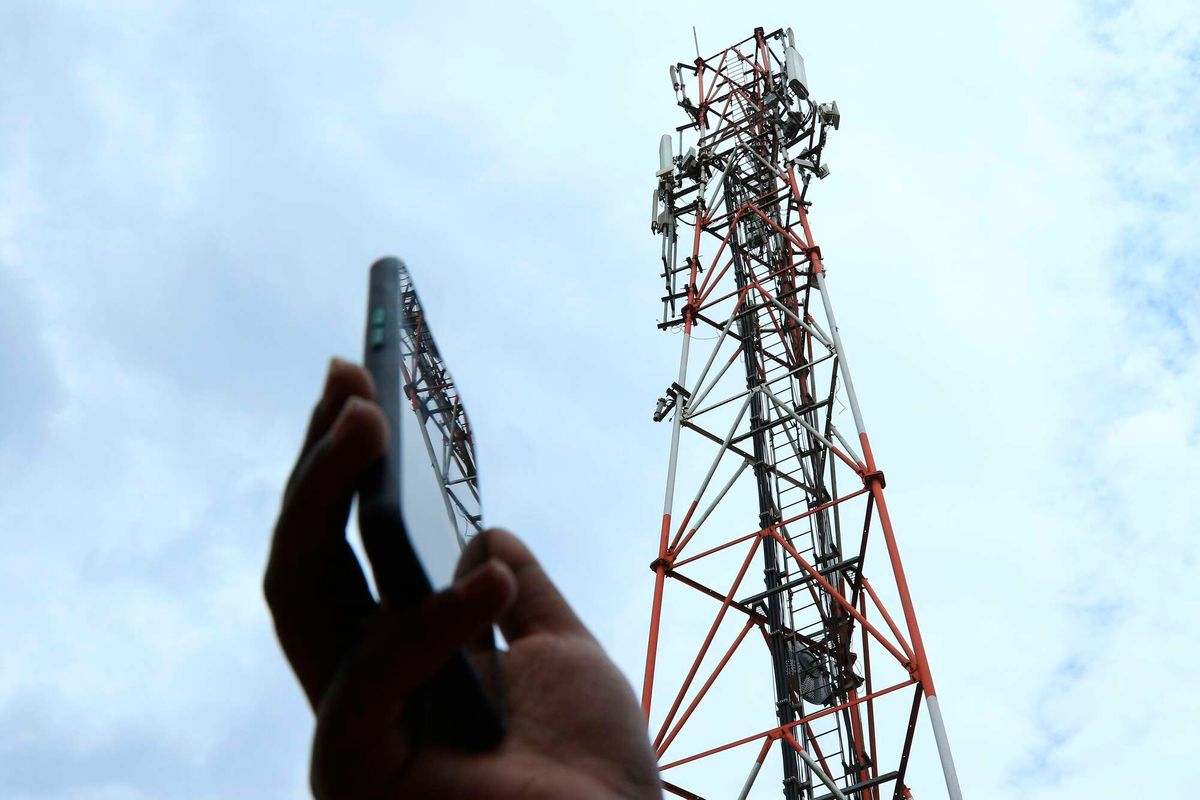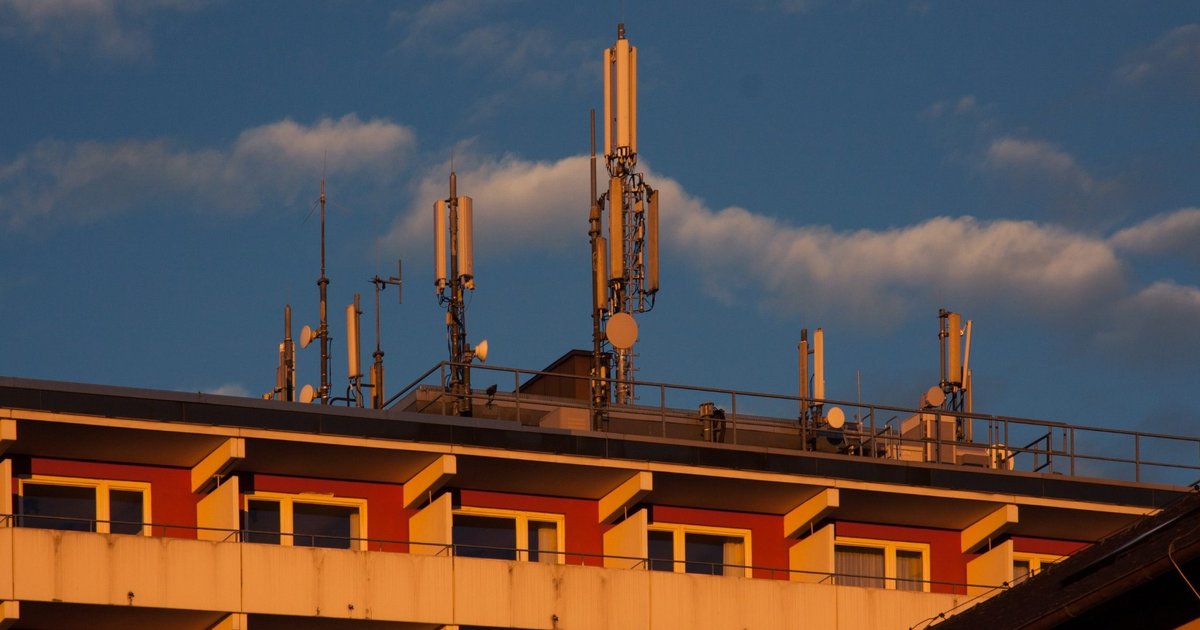
The GSMA has called for urgent collaboration between governments, regulators and the telecommunications industry to safeguard mobile networks across Africa as rising fuel costs and supply constraints threaten connectivity.
According to the industry body, mobile connectivity has become essential infrastructure, comparable to water and electricity, supporting critical services such as emergency communications, digital financial services, healthcare, education and everyday economic activity.
The organisation warned that fuel shortages pose a significant risk to network operations, particularly in markets that rely heavily on fuel-powered infrastructure. In regions where digital access remains limited, disruptions to telecom networks could have far-reaching consequences for businesses, public services and efforts to expand digital inclusion.
The GSMA said resilient connectivity is especially important during periods of economic pressure, enabling commerce, digital payments, emergency coordination and remote access to services. Reliable mobile networks also help reduce unnecessary travel and ensure communities remain connected during times of disruption.
To address the challenge, the GSMA has proposed a series of measures for governments and industry stakeholders.