(Image credit: Getty Images / Cheng Chia Huang)
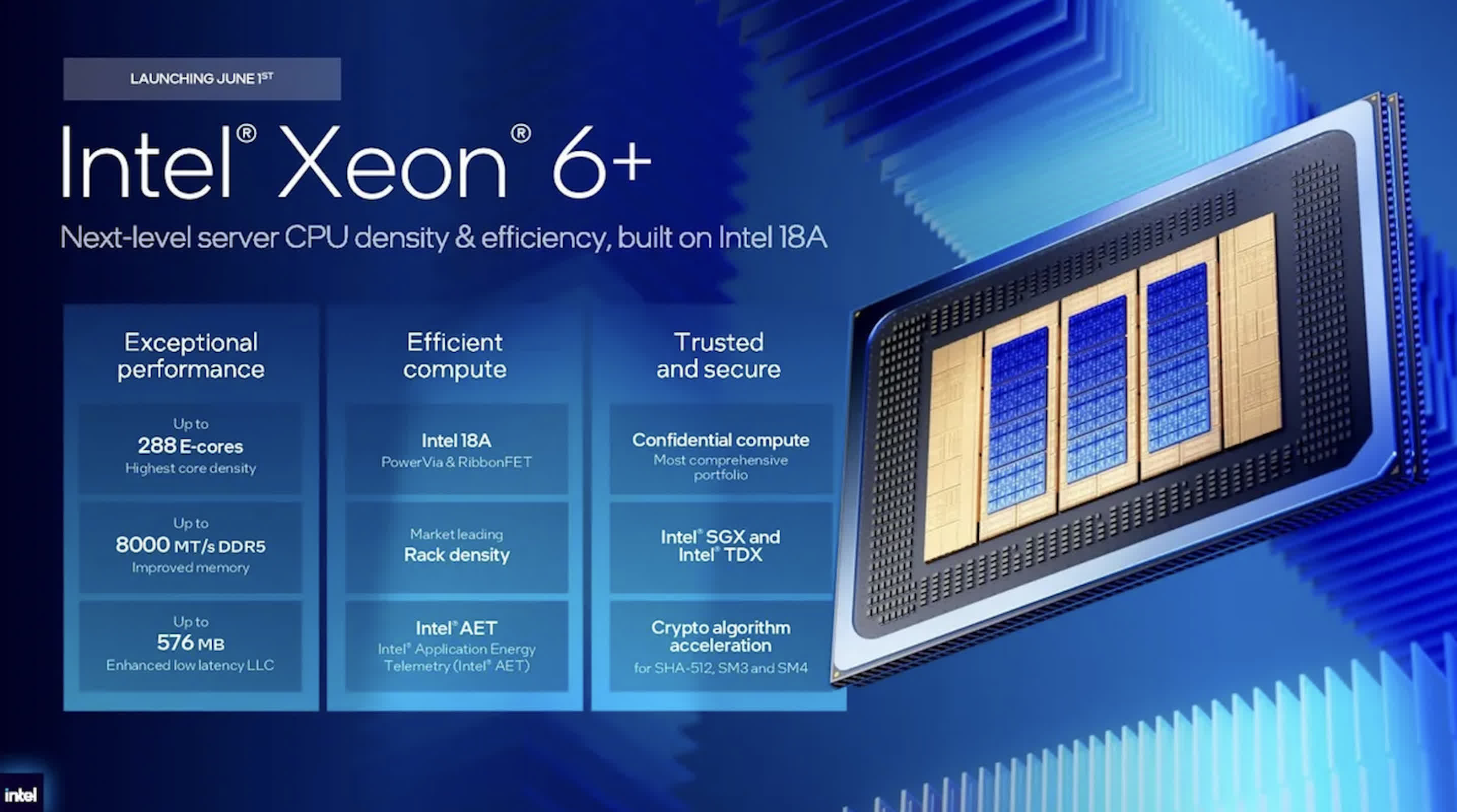
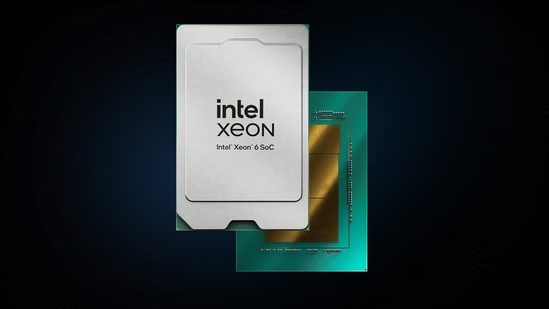
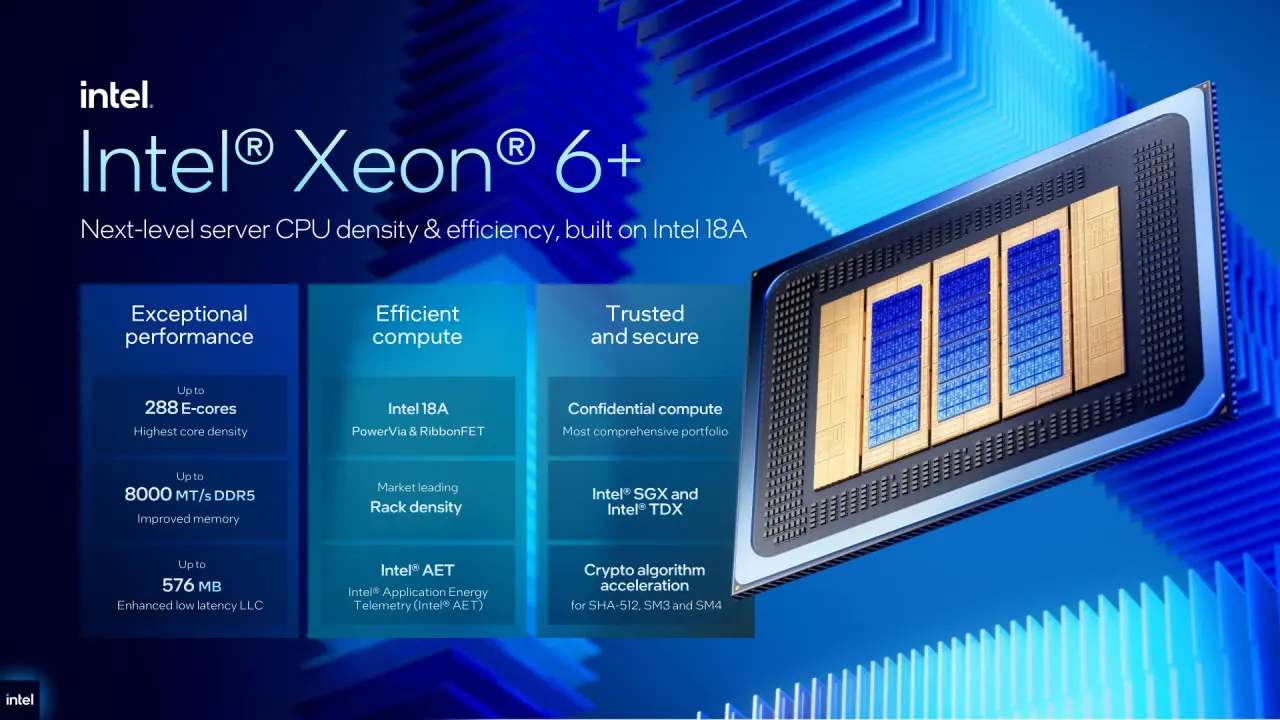
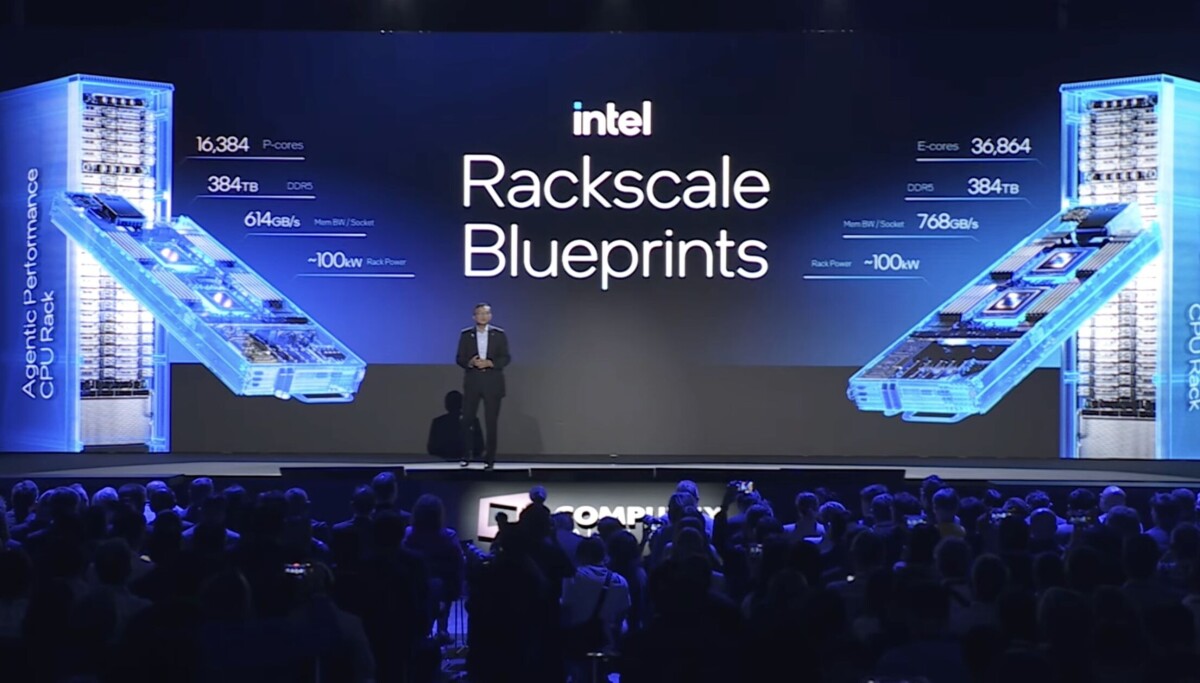
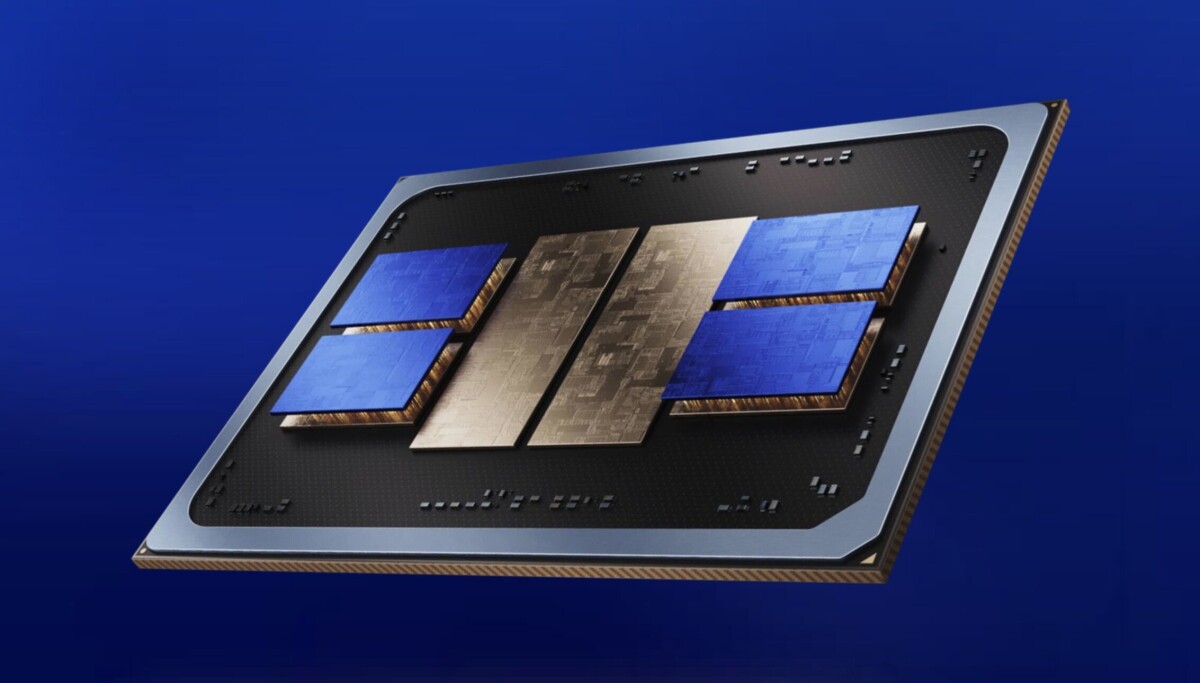
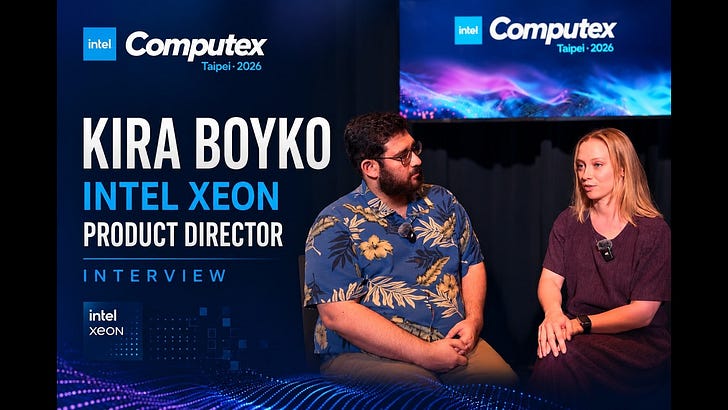
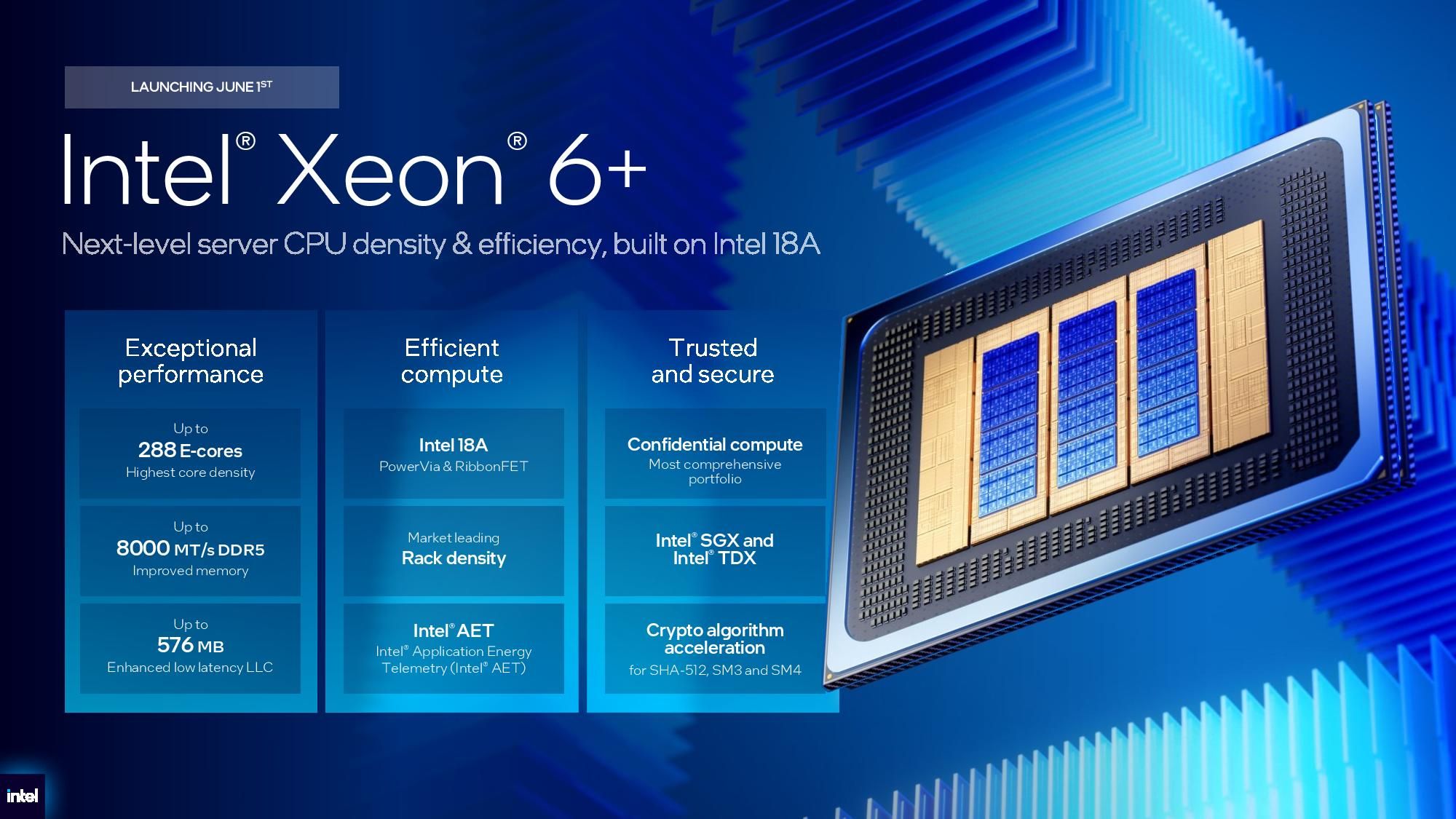
Intel launched its Xeon 6+ "Clearwater Forest" processors at Computex 2026 in Taipei, and on Monday, two of the individuals responsible for the product sat down with the press to answer questions. Kira Boyko, Product Line Director for E-Core Xeon Products in Intel's Data Center Group, led the session, which was joined partway through by Tim Wilson, Vice President and General Manager of Intel's Data Center Silicon Engineering group.Across roughly half an hour, the two addressed why Intel stripped hyper-threading out of its E-core server parts and the technical case for bringing it back, the agentic AI demand surge that has left expensive GPU fleets idling while they wait on CPUs, the deliberate decision to ship Clearwater Forest with only AVX2, and 18A supply so tight that allocating chips between customers is "daily, in some cases."Diamond Rapids, Intel's next P-core Xeon, drew repeated questions, but Intel deferred any detail, with Evangelista pointing reporters to fuller commentary roughly two months out. That timing lines up with Hot Chips, where Intel is expected to share more on Diamond Rapids.Clearwater Forest spec changesClearwater Forest tops out at 288 Darkmont E-cores per socket and 576MB of L3 cache, and is Intel's first data center CPU built on its 18A process.Kira Boyko: It's our most performant Xeon on the market today, specifically for scale-out workloads, so it's not just a per-watt angle of fossil performance.Jake Roach, Tom's Hardware: Was that the driving force behind the big spec changes compared to Sierra Forest? Obviously, it's double the core count, but I think there's over five times the amount of L3, and a huge increase in TDP.Kira Boyko: The TDP is mostly that it is socket-compatible with the version of platform design that we had for Granite [Rapids]-AP before, and that is a higher-TDP product. Our initial E-core part was lower TDP, and this one has roughly the same range as the Granite version, so that's part of the platform-design alignment. But in general, we found that our customers were mostly targeting higher-TDP spaces anyway for the core density they were after, so it ended up working quite well. We already had a design that served those spaces.Jake Roach: And the L3, was that another workload type?Kira Boyko: You're right, a little over 5x increase, from the hundreds up to 576-ish [MB].Jake Roach: If you have the flagship, that's quite a lot of L3.Diamond Rapids and hyper-threading