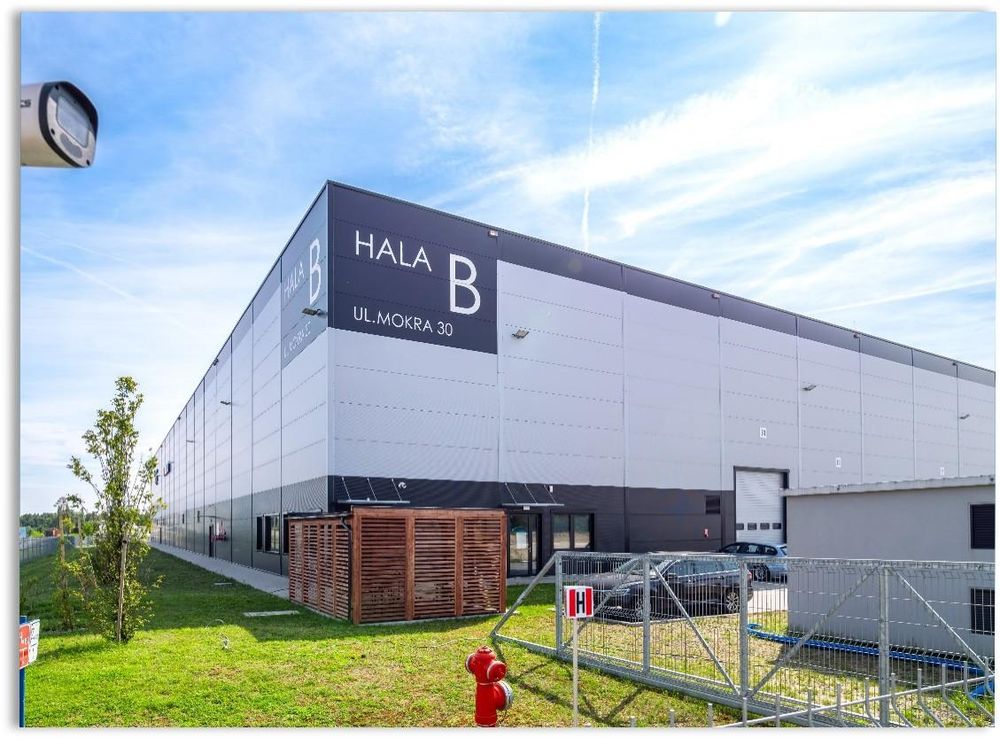
South African real estate investment trusts (Reits) maintained their recovery in May, supported by improving distributions, stronger balance sheets, and renewed corporate activity, though rising interest-rate risks are beginning to weigh on investor sentiment.The sector delivered a total return of 0.7% in May, outperforming the JSE All Share Index, which declined 0.3%, but lagging the All-Bond Index’s 2.9% gain. The sector remains up 2% year-to-date, according to the latest SA Reit Association Chart Book.This follows a strong rebound in April, when renewed investor demand pushed the sector back into positive territory after a volatile first quarter.The recent performance comes after a heavy reporting season in which most Reits reported stronger earnings, lower leverage and improved funding costs, reflecting the benefits of the interest-rate easing cycle that dominated much of 2025 and early 2026.“The underlying income recovery remains intact even though share prices are likely to remain sensitive to bond yields and risk appetite,” said head of listed property at Merchant West Investments and compiler of the SA Reit chart book, Ian Anderson. Several of the sector’s largest property groups reported stronger operating performances, while a flurry of corporate activity signalled growing management confidence in a recovery that is becoming increasingly broad-based.Redefine Properties upgraded its full-year growth guidance after increasing interim distributable income by 7.4%, while its loan-to-value ratio improved to 40.3%. Equites Property Fund continued to benefit from demand for logistics assets, reporting distribution growth of 5.3% and maintaining vacancies at just 0.3%.Dipula Income Fund reported a 20% increase in distributable earnings, while Spear Reit reduced gearing to below 23%, one of the lowest levels in the sector.Emira Property Fund’s balance sheet strengthened significantly, with its loan-to-value ratio declining to 30.2%. The group also pursued a strategy of acquiring meaningful stakes in listed peers, including SA Corporate Real Estate, as management seeks to capitalise on discounts to underlying asset values.Emira emerged as the largest shareholder in Octodec Investments after increasing its stake to 23.5%, while Spear announced a R960m acquisition of three office properties in Cape Town’s Tygervalley precinct.Meanwhile, other Reits crossed South Africa’s borders in search of growth opportunities, deploying capital into offshore markets as management teams looked beyond a subdued domestic economy for higher-return opportunities.Hyprop expanded its Eastern European portfolio through the acquisition of Bulgaria’s Galleria Burgas shopping centre for €122.2m, while Vukile Property Fund entered the Italian retail property market through the acquisition of three shopping centres. Additionally, the group also raised about R2.8bn through an accelerated bookbuild to support its expansion plans.However, the sector’s recovery is unfolding against a less favourable monetary backdrop after the South African Reserve Bank raised the repo rate by 25 basis points in May, ending its easing cycle.Despite the rate shift, stronger balance sheets and near double-digit distribution growth continue to support the sector’s investment case, according to SA Reit Association CEO Joanne Solomon.“The sector is in a far stronger position than it was two years ago, with the focus now shifting from recovery to execution,” Solomon said.Anderson said he expects future returns to be driven less by valuation recovery and more by operational execution.“With much of the sector’s recovery now reflected in share prices, investors are likely to favour funds with defensive retail and logistics portfolios, disciplined leverage and clear capital allocation strategies as the interest-rate environment becomes less supportive,” he said.
SA Reits remain steady despite interest rate setback
The performance comes after a heavy reporting season in which most Reits reported stronger earnings
TL;DRAI
SA Reits posted 0.7% May return amid improved distributions, stronger balance sheets, and M&A activity, though rate risks weighed. With easing cycle ended and recovery already priced in, future returns depend on operational execution rather than valuation gains.
552 words~3 min read