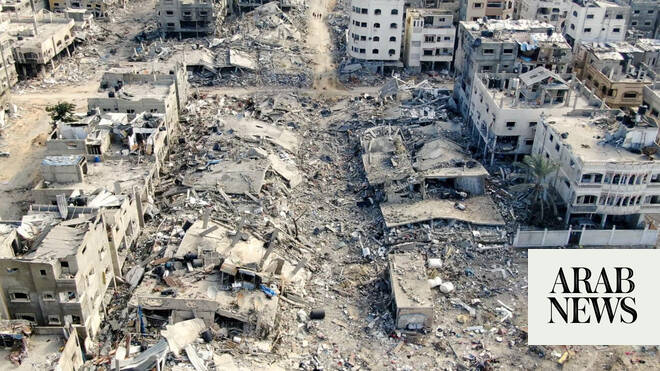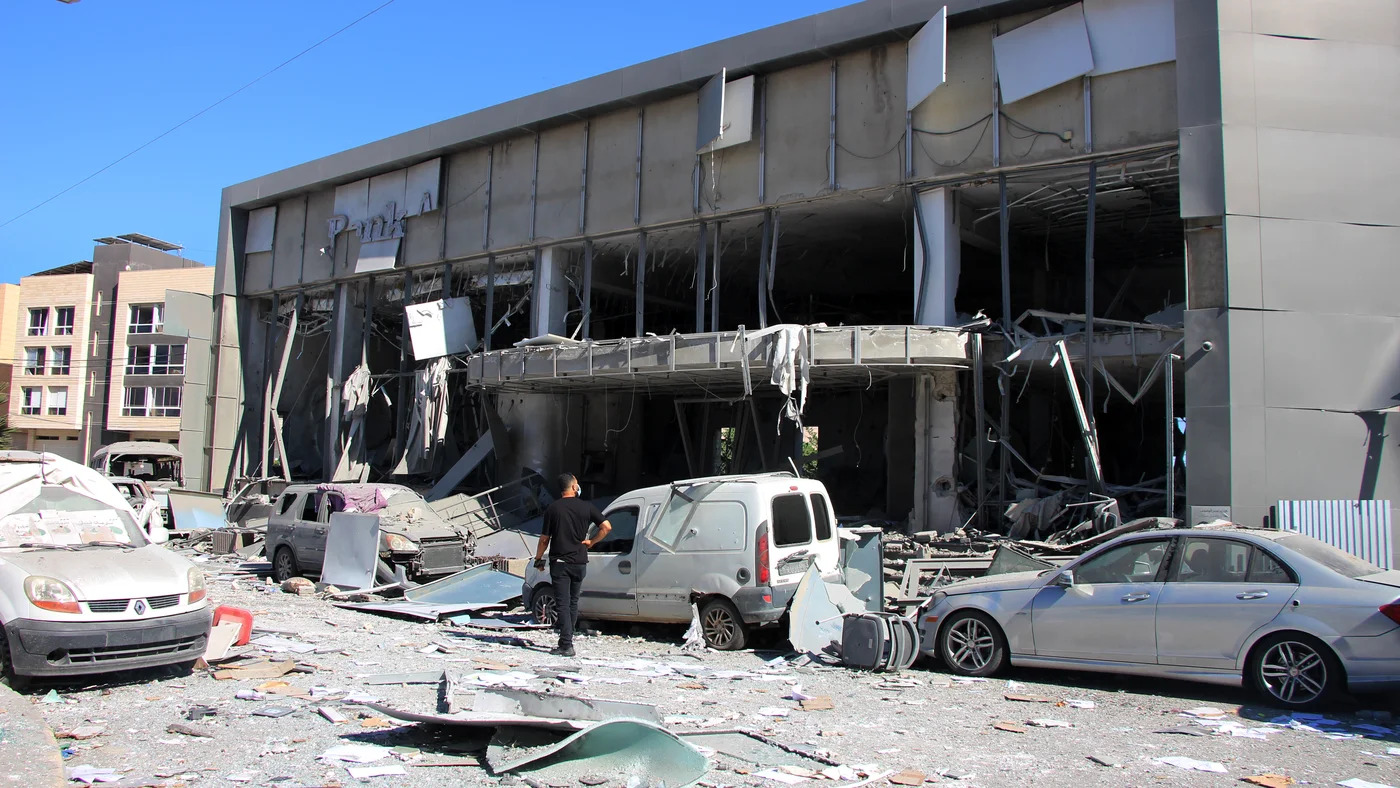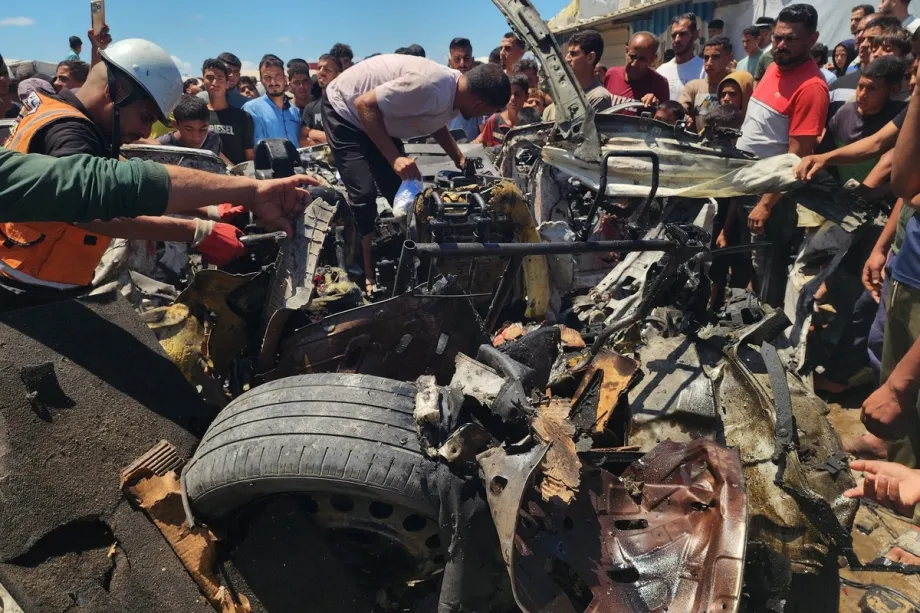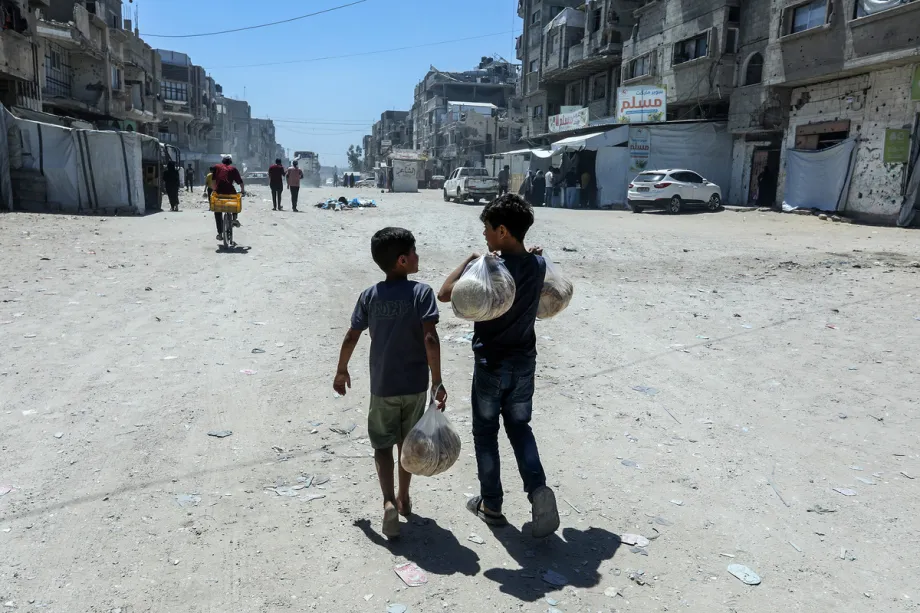
Leaders of Hamas and other Palestinian militant groups are gathering in Egypt on Tuesday for a meeting with mediators to discuss how to push forward with the implementation of a troubled US-brokered Gaza peace plan. Sources said the representatives of the Palestinian groups are also expected to meet Nickolay Mladenov, the Bulgarian diplomat leading efforts by the Board of Peace, a body created and led by US President Donald Trump to implement the plan.The talks in the coastal city of Alamein come after Israeli Prime Minister Benjamin Netanyahu said last week that he had ordered the country's military to expand its control of Gaza to 70 per cent, and possibly more, a step expected to further complicate implementation of the peace plan and possibly lead to the resumption of hostilities.They also come at a time when the Gaza conflict is receiving little attention from the Trump administration, which is deeply distracted by negotiations to end the war with Iran that it launched in February.Israel was left in control of slightly more than 50 per cent of Gaza under the terms of the ceasefire signed in October last year. About 900 Palestinians have been killed in Israeli strikes since the truce took effect, raising the death toll in the enclave to almost 73,000 since the war began in October 2023.Hamas leaders Khalil Al Hayya and Nazar Awad were due in Egypt on Tuesday, joining representatives of Palestinian Islamic Jihad and the Popular Front for the Liberation of Palestine for talks with mediators from Egypt, Turkey and Qatar. Their meeting with Mr Mladenov is expected to take place on Wednesday or Thursday.Mr Mladenov is also scheduled to meet members of a Palestinian committee of independent technocrats whose mandate under the peace plan is to run the day-to-day affairs of Gaza until elections are held. Israel has yet to allow the committee members to enter the territory.Mr Mladenov is understood to be planning to present the Palestinian representatives with a timeline for implementing the peace plan, which is expected to include Hamas surrendering its weapons as a condition for proceeding with the second phase.Hamas contends that this was never part of the plan.Bulgarian diplomat Nickolay Mladenov, the Board of Peace's lead envoy for Gaza. ReutersInfo“Islamic Jihad and the Popular Front for the Liberation of Palestine are refusing to surrender any of their weapons. Hamas wants to surrender heavy weapons but keep its personal firearms,” one source said. “After releasing the hostages it held as part of the first phase of the Trump plan, Hamas has nothing left to bargain with except its weapons. It has been greatly weakened militarily, its leadership decimated, does not know what to do with its young fighters and it's facing militias backed by Israel.” Besides the ceasefire and the exchange of hostages held by Hamas for thousands of Palestinians detained in Israeli prisons, the first phase of the 20-point plan involved Israel's military withdrawing behind a “yellow line” that left it in control of a little more than half of Gaza. But Israel now controls about 64 per cent of the Palestinian territory, according to maps presented by the military to aid agencies in March and April.Hamas, the sources said, has also come to realise that Israel will not stop assassinating its senior officials until it has killed everyone associated with planning or executing the October 7, 2023 attacks, in which 1,200 people were killed. Prominent Hamas leaders killed since the war started include the group's political leader and chief negotiator Ismail Haniyeh and his successor Yahya Sinwar. Last month, Izz Al Haddad, Hamas’s leader in Gaza and its military chief, was killed in a strike on Gaza city. Last week, Israel said it had killed Mr Al Haddad's successor, Mohammed Awda. Portraits of late Hamas leaders Ismail Haniyeh, left, and Yahya Sinwar, on a fence in Sanaa, the capital of Yemen that is under the control of the Iran-backed Houthi militia. EPAInfoThe killings of Mr Al Haddad and Mr Awda are the latest in a series that has continued since the start of the Gaza war, and has left Hamas stripped of several tiers of its military and political leadership. Meanwhile, disputes between two factions of Hamas leaders – one led by Mr Al Hayya and the other by former political bureau leader Khaled Meshaal – have resurfaced after Mr Al Hayya was elected head of the political bureau in a secret ballot.The faction led by Mr Meshaal has questioned the results of voting in the occupied West Bank, where Mr Al Hayya previously lived. The dispute has delayed the announcement of the results of the vote, which had been expected to take place last month.
Hamas leaders to meet mediators and Board of Peace chief in Egypt to salvage Gaza plan | The National
Meetings come after Netanyahu ordered Israeli military to occupy more territory in enclave
779 words~4 min read