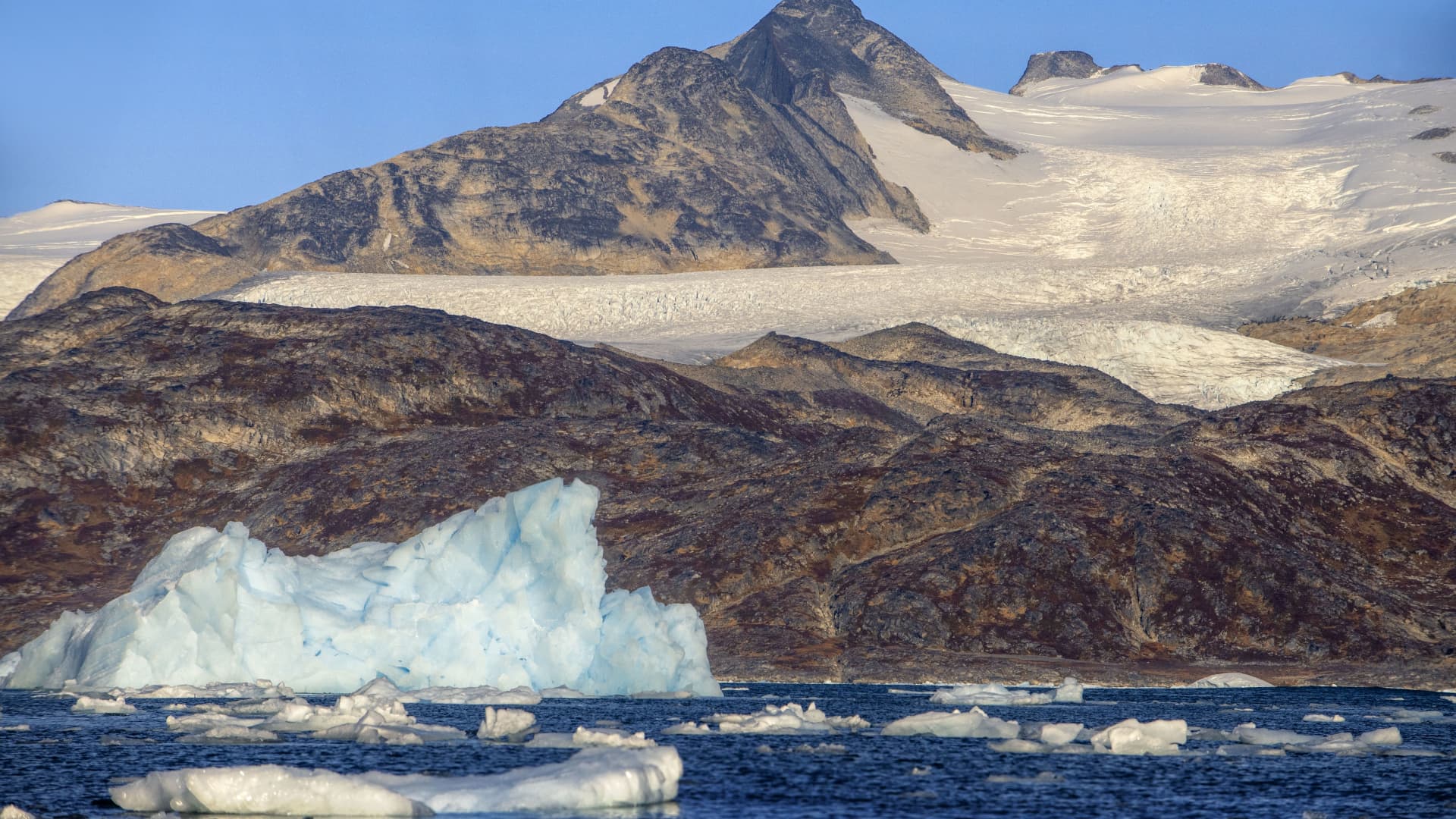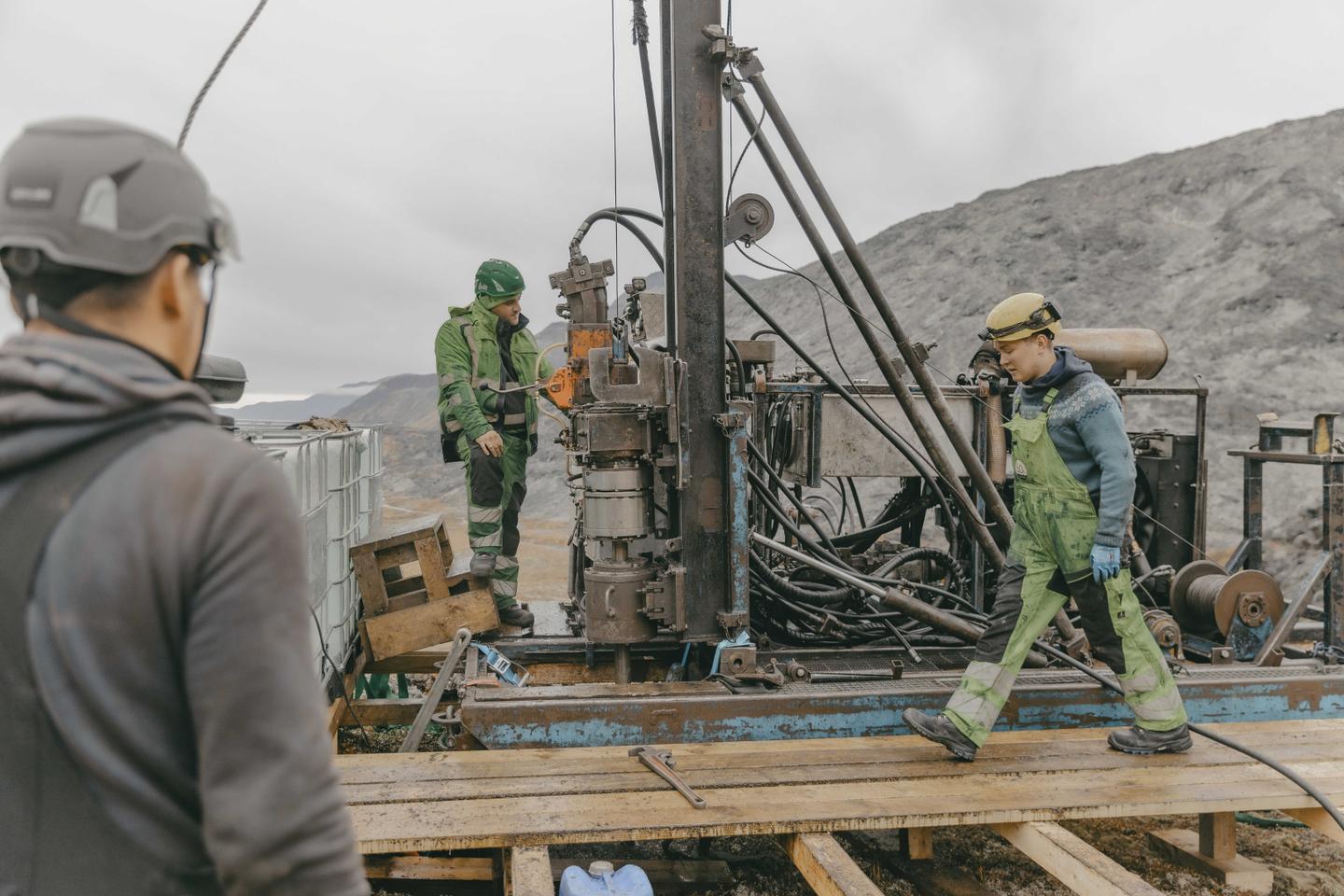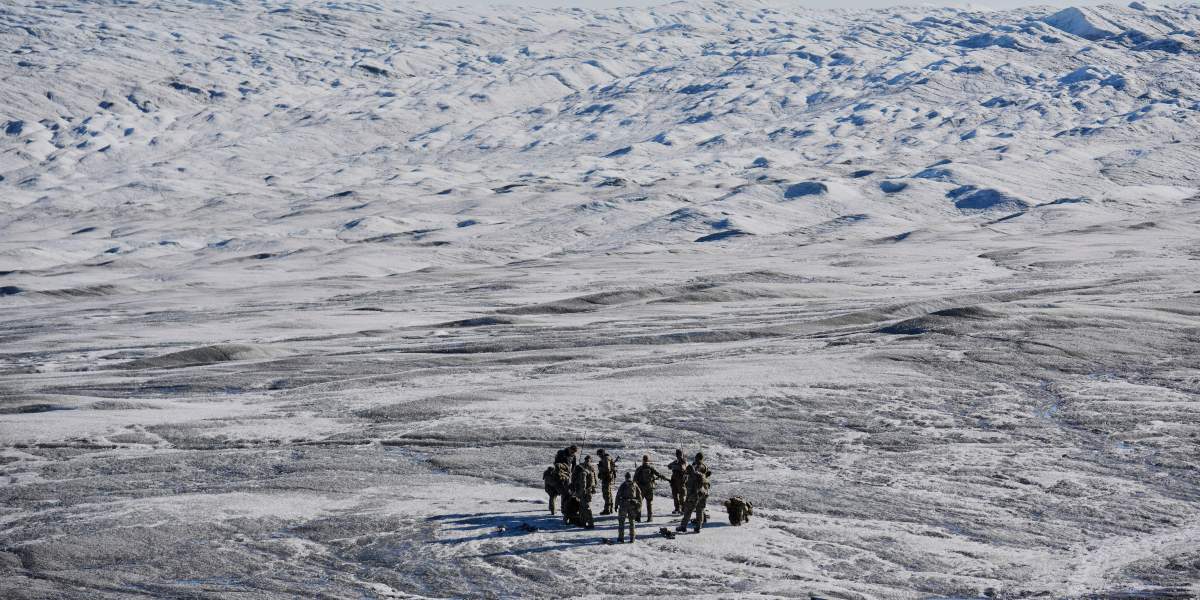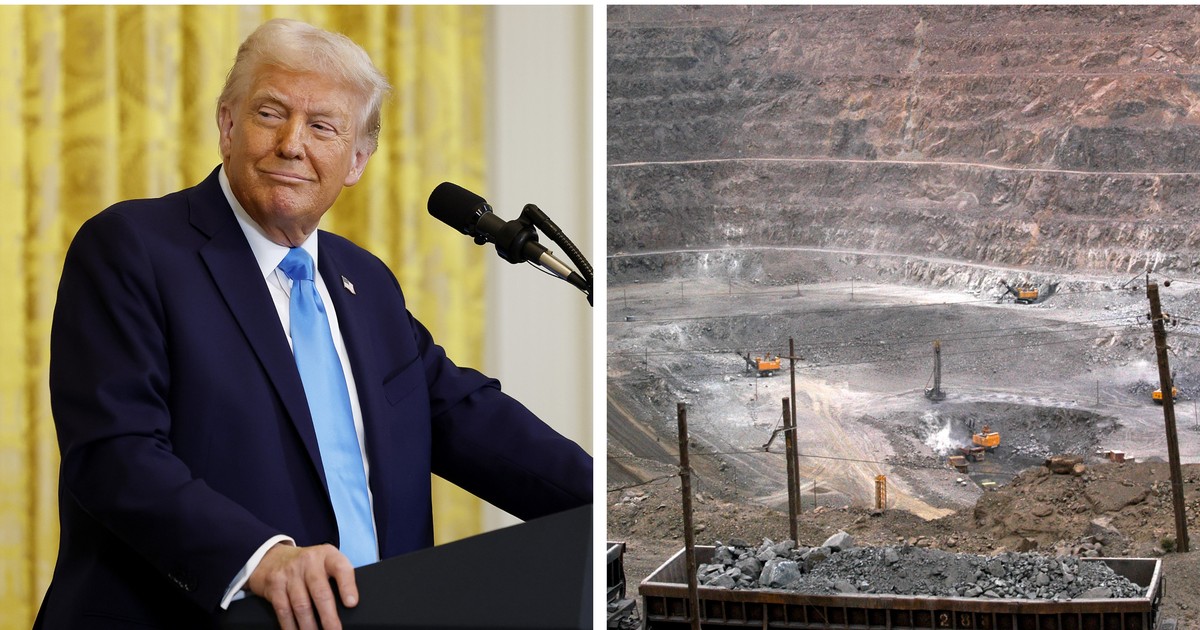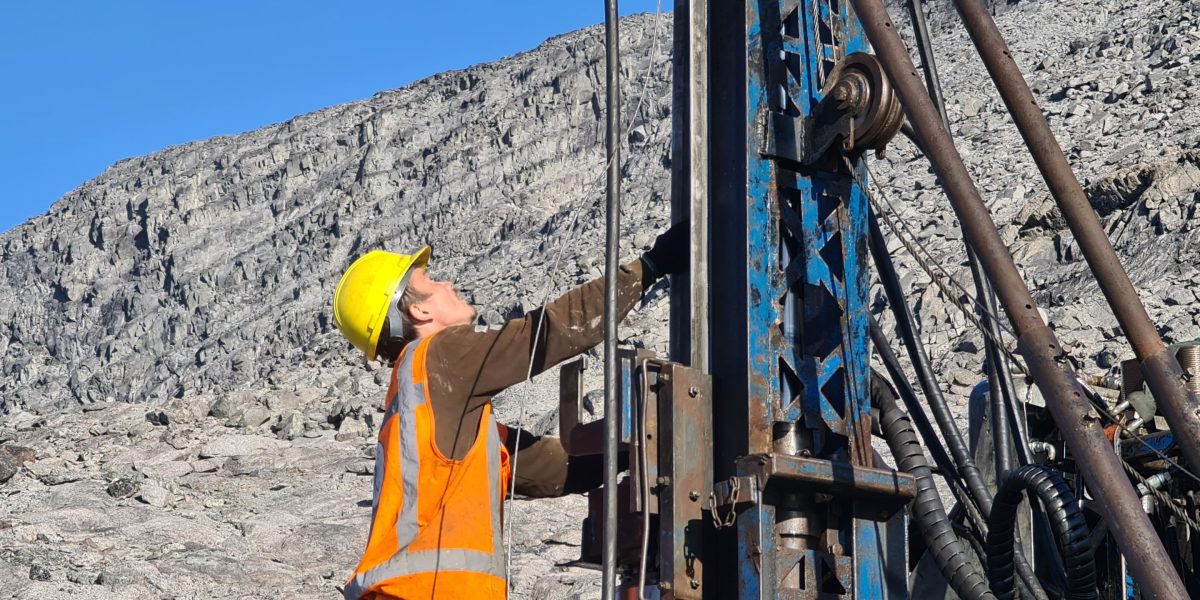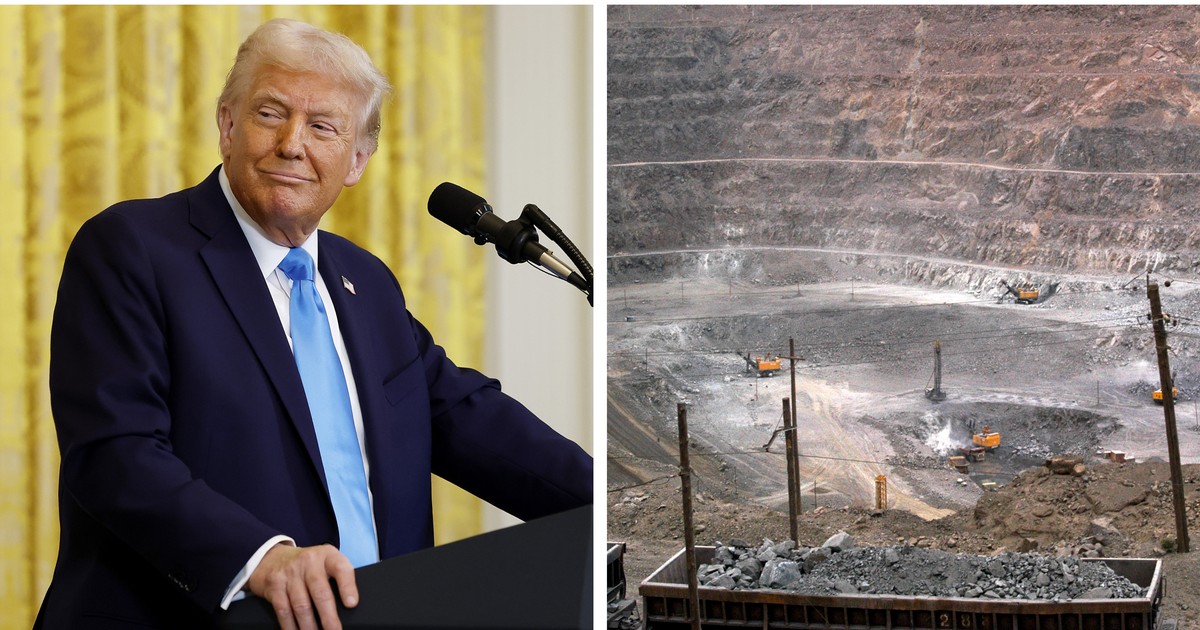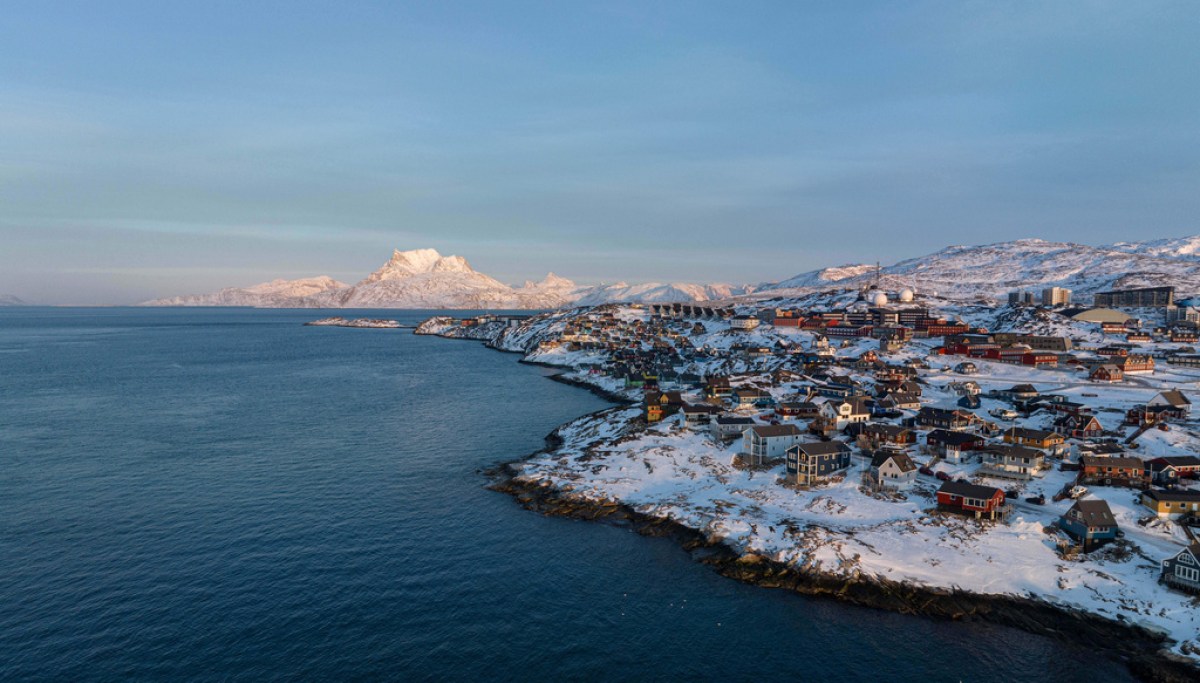
The Kvanefjeld rare earth deposit in southern Greenland, one of the world’s largest, remains stalled because of political decisions by Greenland’s semi-autonomous government.The timing is difficult to ignore. China is tightening its grip on supply chains supporting Western defense systems, including F-35s, missile guidance systems and advanced military technologies. Kvanefjeld now sits at the intersection of NATO supply chains, economic security and Danish responsibility.
TRUMP’S ENVOY TO GREENLAND PITCHES OIL-RICH ISLAND AS ANSWER TO HORMUZ ENERGY CRISIS
Kvanefjeld’s scale is extraordinary. The site contains more than 11 million tons of rare earth reserves and resources, including roughly 370,000 metric tons of heavy rare earths, the most strategically valuable and least available category outside China. It also benefits from direct, year-round shipping access to European and North American ports.
Energy Transition Minerals (ETM), the Australian company developing the site, spent more than a decade advancing the project. After investing more than $100 million, ETM was nearing final permitting when Greenland’s newly elected Inuit Ataqatigiit government passed legislation in 2021 banning uranium exploration above 100 parts per million, a threshold many in the industry viewed as politically arbitrary. Kvanefjeld’s ore averages between 250 and 350 ppm uranium, effectively halting the project.