Other Topics of Interest
Drone Strike in Romania: How Should Nato Respond?
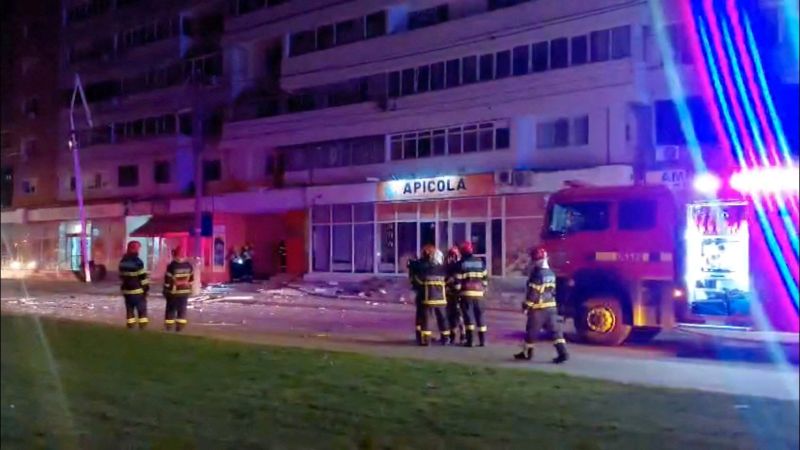
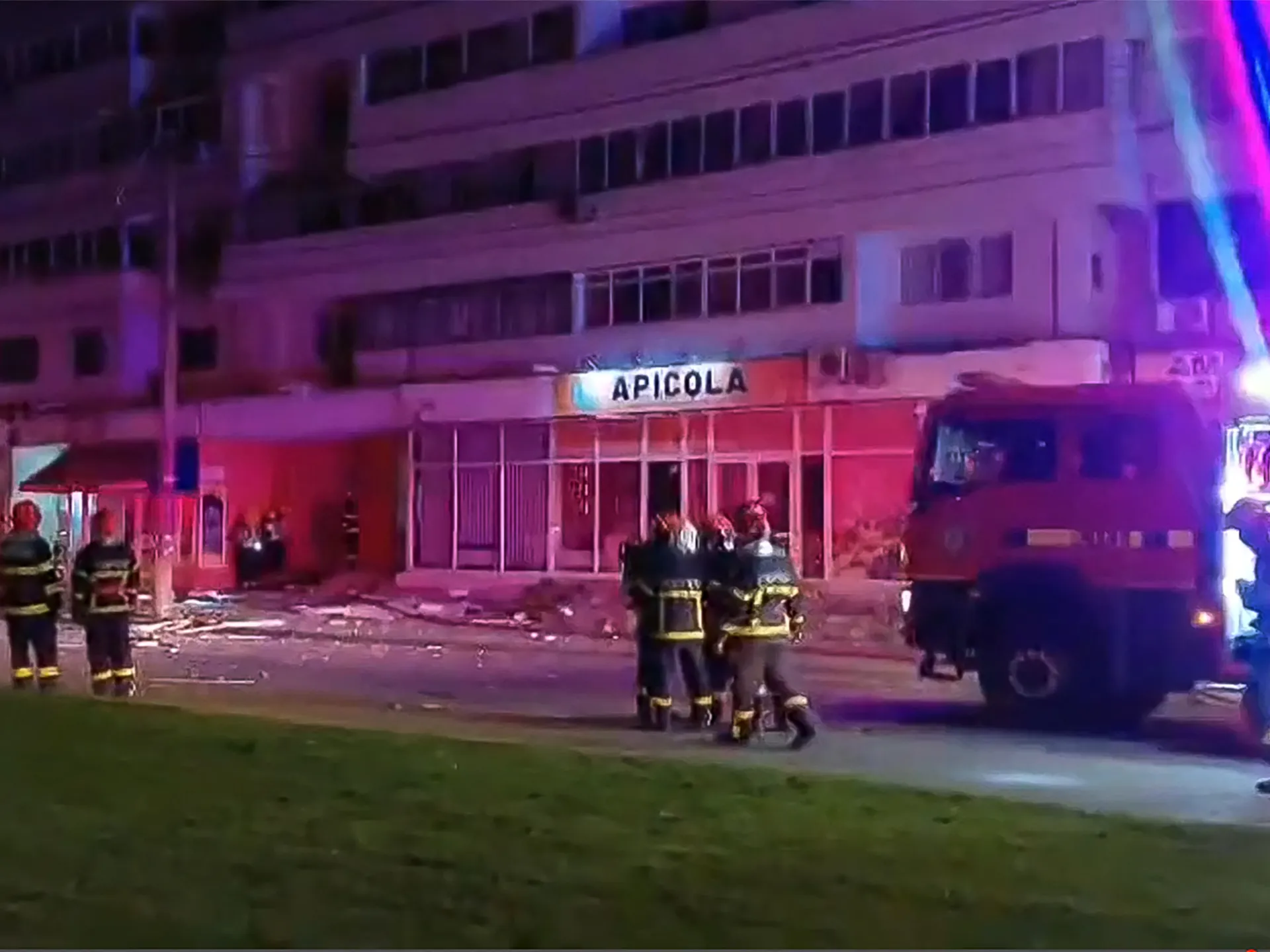
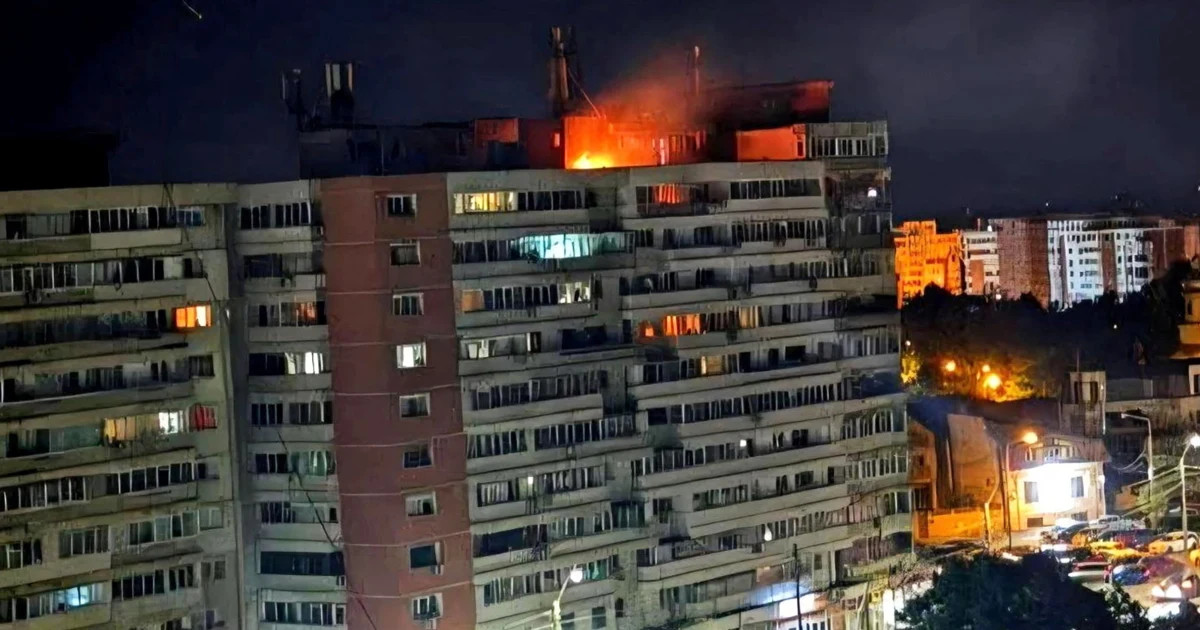
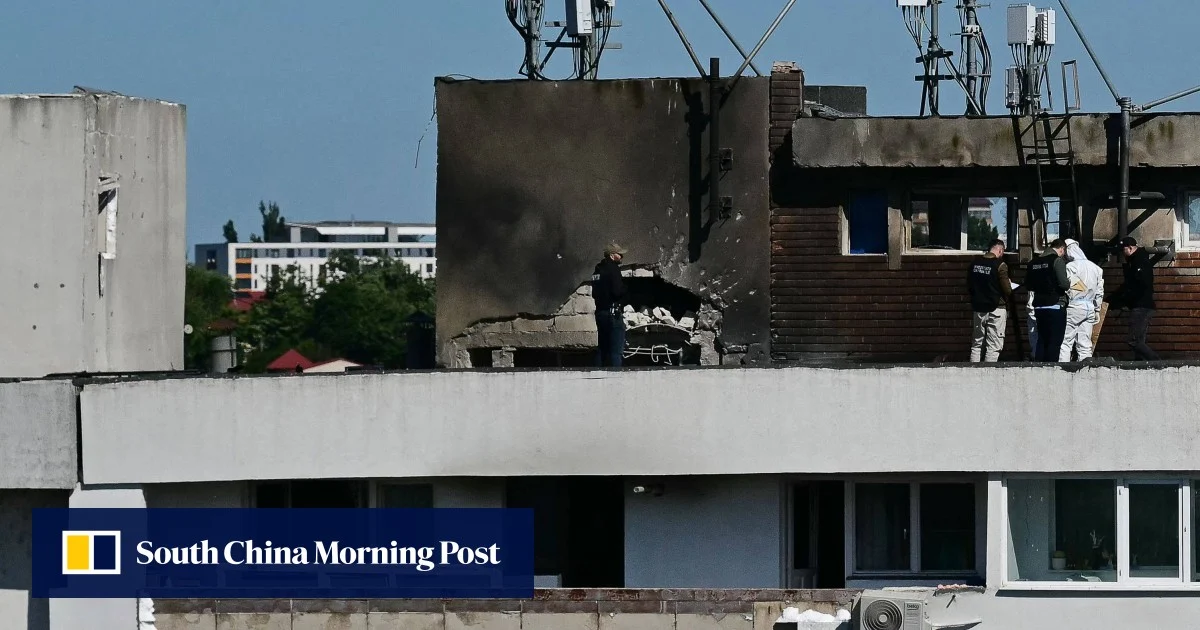
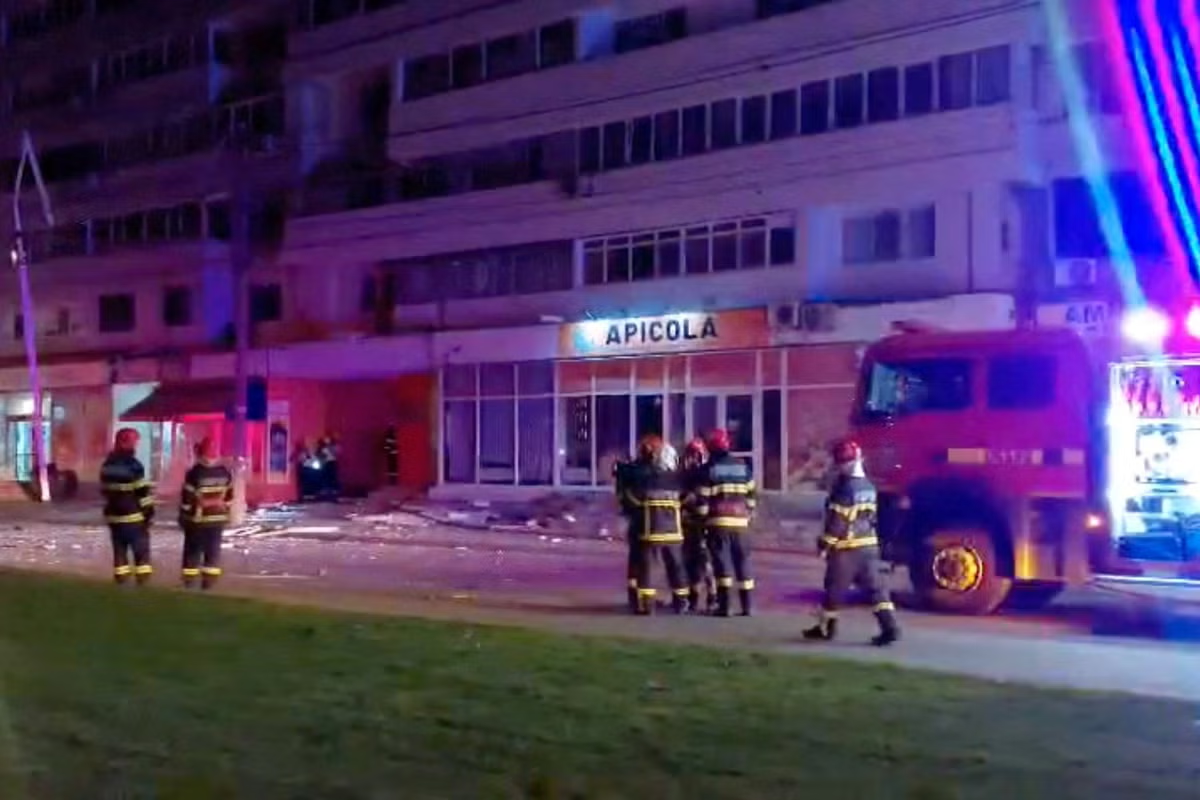
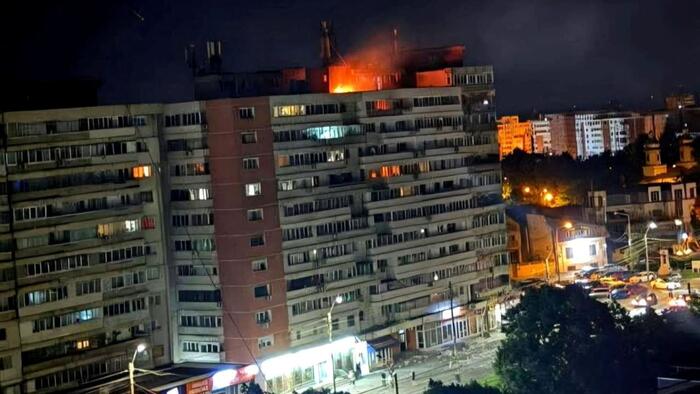
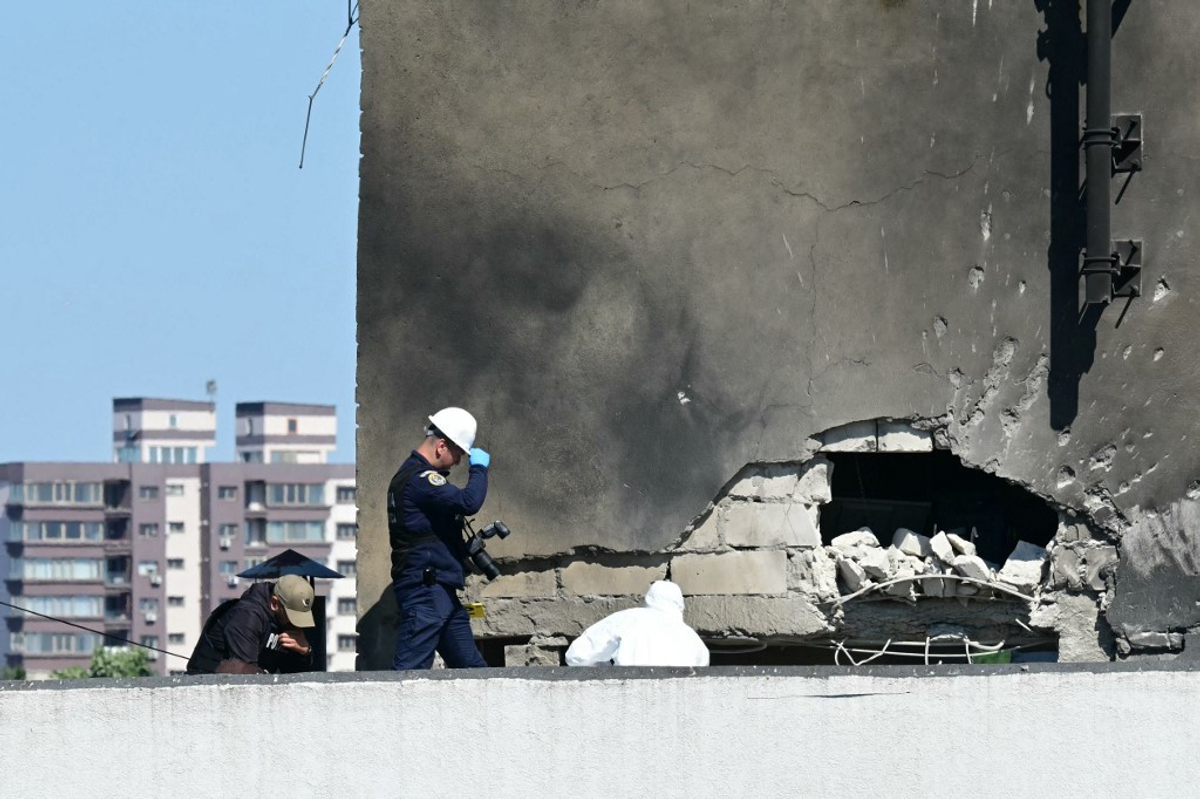
A Russian explosive drone strike on a residential building in Galați, Romania, near Ukraine’s port of Reni, has reignited debate over NATO’s response to growing security threats. Commentators argue that diplomatic measures are insufficient, urging stronger military deterrence, enhanced air defences, and a shift from viewing Eastern Europe as NATO’s flank to seeing it as the alliance’s frontline against Russian aggression.
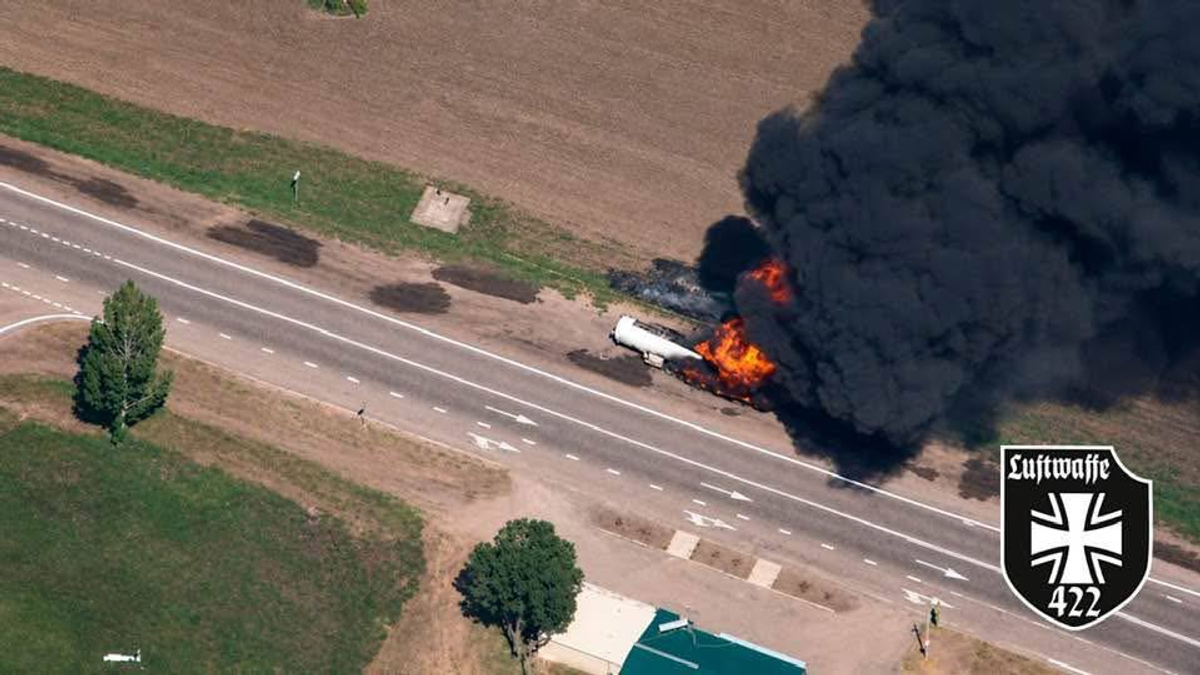
Severe to near-total unavailability of automobile fuel was reported in most major Crimean cities, including the regional capital Simferopol, the military port city of Sevastopol, and in cities like Yevpatoria and Feodosia, along Crimea’s tourist-popular south Black Sea coast. A Ukrainian territory occupied by Russian armed forces in 2014, Crimea is home to an estimated 2 to 2.2 million residents. The population nearly doubles in summer months with the arrival of millions of tourists, most Russian nationals taking budget seaside vacations. About two-thirds of Crimea’s visitors arrive by car or bus, and one-third by train. Flights between the Russian mainland and Crimea stopped in February 2022 with Russia’s full-scale invasion of Ukraine. Ukraine will tighten its choke-hold on fuel Ukrainian President Volodymyr Zelensky on Sunday in an evening public address reiterated his country’s armed forces had launched an air strike campaign targeting Russian supply links between occupied Crimea and the Russian mainland, primarily using medium range drones to hit Russian fuel trucks, tanker rail cars, petroleum-product storage sites, and road and rail networks supporting it. The campaign launched in earnest in early May has struck dozens of targets, but to date Russian officials have downplayed the strikes’ effects. Over the past 24 hours, the most visible Ukrainian strike targeting fuel supplies to Crimea hit rail facilities in the northern Crimea city Dzhankoi overnight Monday-Tuesday. The switching yard located in the narrow Perekop Isthmus is a bottleneck for rail traffic moving to and from the peninsula. Attack video released by Ukraine’s military and social media video uploaded by local residents on Tuesday documented primary and secondary explosions, as well as energetic Russian machine gun fire engaging but failing to stop incoming drones. A Russian national railroad statement issued Tuesday said that because of “technical reasons” the flagship train 078 Simferopol-St. Petersburg was canceled with service ending at Dzhankoi station. Passengers might get a refund and make their own travel arrangements, or transfer to trains traveling to Moscow by differing routes, that statement said. Ukrainian drones also hit and set fires to a train of loaded fuel cars in a rail yard in the Russian city Slavyansk-na-Kubani, the Russian independent news agency Astra reported on Tuesday. Attack video published Tuesday morning by Ukraine’s 422th Unmanned Systems Regiment showed a fuel tanker truck on the side of the road burning fiercely near the southern Ukrainian city of Melitopol, now occupied by Russia. That unit had hit Russian fuel loading facilities in the adjacent Azov port city of Berdyansk over the weekend, Kyiv Post strike records showed. A fuel storage site in the occupied city of Feodosia, critical for balancing fuel supplies in Crimea, has been a repeated target, with drones setting reservoirs on fire anew most recently on Sunday. According to Russian news and Ukrainian strike reports, the facility, called the Marine Oil Terminal, contains 33 major reservoirs, of which only 3 were still unscathed. Late May satellite imagery recorded prior to the May 31 strikes showed at least 23 reservoirs were burnt out. With Crimean fuel storage capacity degraded, on-time fuel truck and fuel deliveries by rail to Crimea have become increasingly critical to stable supply, but Ukraine’s drone campaign has targeted that as well. Heavy truck and rail shipments into Crimea from Russia’s Krasnodar region via the Kerch Bridge became practically impossible following Ukrainian strikes against the bridge in 2023 and 2024 that undermined its supports and made it unable to support heavy traffic. Hellish seaside holiday Ferries between Crimea and the Russian mainland are overloaded and travelers might face days of waiting before getting a car spot, local news reports said. A Tuesday Russian Transportation Ministry announcement reported one pedestrian ferry, two automobile ferries and a single rail ferry with a combined capacity of about 100 automobiles/50 trucks, and 6 rail cars were currently operating between Crimea’s Port Kavkaz terminal and the Russian mainland Temryuk terminal. During peak summer months as many as 20,000 automobiles enter or leave Crimea daily. The Ministry of Transportation statement confirmed that a larger rail ferry – the Annenkov – has been out of service since October. Ukraine’s military at the time claimed drones had hit the Annenkov and almost destroyed it. Tuesday video published by the independent Russian news group Exilenova+ showed a Port Kavkaz parking lot with more than 30 heavy fuel trucks parked and, according to a purported trucker voice over, waiting “three or four days” for a chance to ride the car ferry into Crimea. Kyiv Post geolocated the site to the Port Kavkaz area but could not confirm the reported wait time independently. Crimean motorist chat groups and even local state-sanctioned media documented automobile queues stretching one to three kilometers on Tuesday. Some tourists mainland from Russia visiting occupied Crimea expressed surprise and discontent that their summer holiday had been complicated by fuel shortages. Black market prices for higher octane fuel (A-92 to A-100) sold in jerry cans or from roadside fuel trucks were averaging the equivalent of $2.78 to $4.17 (200-300 rubles) per liter, the independent Russian news agency Astra reported. In mainland Russia the per liter retail price was averaging slightly less than a US dollar (or about $3.70 per gallon). “What I am supposed to do? Walk home with three children?” a Yevpatoria vacationer identified as Nika Popova complained in a Crimean tourist Telegram group after she claimed she had been searching for gasoline for two days and found none. Some locals advised her the best way for a Russian motorist to have a beach vacation in Crimea, in the future, is to purchase five 20-liter fuel cans, fill them in Russia, and not depend on Crimean fuel stations.