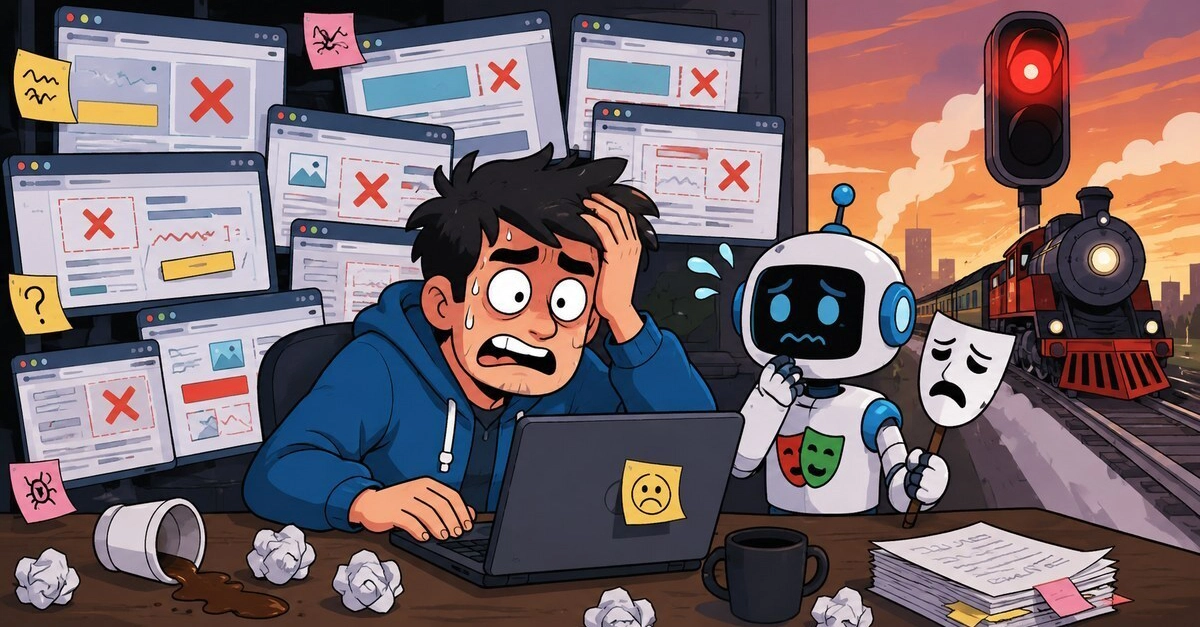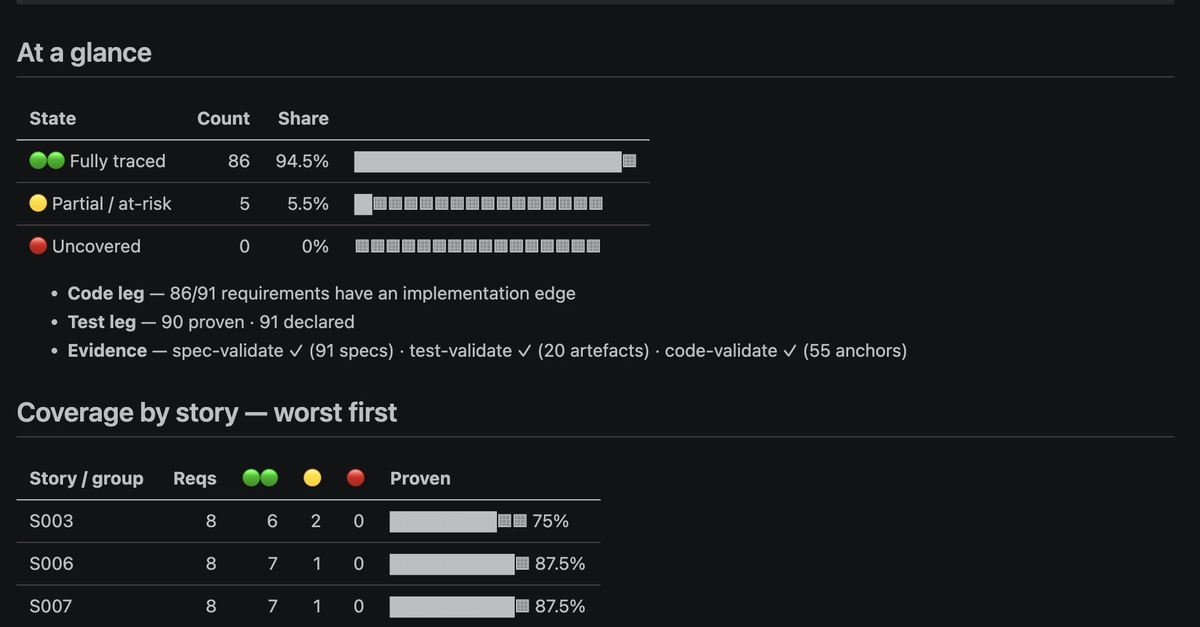
Margarita Simonova is the founder of ILoveMyQA.com.gettyYour dashboard is green. The suite has passed, coverage looks healthy and leadership assumes the release is safe. But a passing test suite may be misleading. Even with a green dashboard, it's unclear whether the product is more reliable, critical user paths are secure or hidden issues exist.Teams often confuse evidence of activity with evidence of safety. This confusion can lead to complacency, where the appearance of successful tests overshadows the need for deeper validation. In this article, we will take a look at what you should be measuring instead.The Old Metrics Are No Longer EnoughThe traditional metrics used in QA were useful when software changed slowly and product risk was easier to see. But as modern delivery accelerates and products become more integrated, failures are often less apparent and harder to detect.Despite these changes, most teams still rely on these outdated metrics. They focus on volume-based metrics such as test coverage and automation coverage, which do not fully address the complexities of today’s fast-moving development environment. Outcome metrics tied to business impact are rare. This gap means that teams often miss opportunities to understand how their testing efforts contribute to overall business goals.Furthermore, while production data is widely reviewed, many organizations still cannot turn it into better testing decisions. The industry is collecting more signals than ever before but not always getting better results or finding the truth.What Is The Vanity-Metric Trap?Vanity metrics provide a measure of how busy your team is rather than insight into the safety or quality of software releases. Some examples of vanity metrics include the number of tests executed, the percentage of automated tests, total defects logged and the percentage of passed tests. While these figures may seem to demonstrate progress or activity, they are misleading because they focus on motion rather than meaningful protection or improvement.Relying on raw activity metrics gives executives little information about actual product risk, release readiness or the effectiveness of engineering efforts. These numbers do not address whether the product is truly ready for launch, nor do they help identify potential risks or areas where quality may be compromised. Instead, they can create a false sense of security by highlighting actions rather than outcomes. Raw activity tells executives very little about actual product risk, release readiness and engineering effectiveness.What QA Leaders Should MeasureInstead of vanity metrics, QA leaders need to prioritize a small set of signals that tell leadership whether confidence is real. Some meaningful indicators that connect QA to reliability, customer experience and business impact include:• Escaped Defects: Tracking defects that reached production and affected real users.• Coverage Gaps On Critical Journeys: Not broad coverage but unprotected high-risk flows.• Defect Trends: Monitoring improvements or deterioration in fragile areas over time.• Release Readiness: Assessment of outstanding unresolved issues.• Mean Time-To-Detect And Deter: The speed at which problems are identified and contained.•Business-Facing Signals: Evaluation of downtime risk, customer experience implications and operational stability.Executives require concise insights into business exposure, not an excess of test data. Focusing on these key metrics enables QA leaders to communicate the true status and risks of releases in a clear and actionable way.Challenge Your AssumptionsMany QA leaders come with built-in assumptions that influence their decision-making. These assumptions often go unchallenged, but questioning them is important for effective QA. One assumption is that more automation means more safety. This belief suggests that as more tasks are automated, the chance of human error decreases, so the end result is safer operations.Another assumption is that higher coverage means higher confidence. This leads teams to believe that if more of the code is covered by automated tests, the quality and reliability of the software will increase.One more common assumption is that a green suite means the release is low risk. This mindset equates a successful test as having minimal risk, often without requiring further investigation.But these assumptions can all be challenged: Coverage can be broad but still miss critical issues. Automation can scale noise just as easily as confidence. And a green suite can still ignore the customer journeys that matter the most. By continuously examining assumptions, QA leaders can foster a culture of critical thinking and deliver more reliable outcomes.Reframing The Role Of QAThe former model of QA involved proving that tests were run. The new model focuses on explaining what the organization should trust. This means QA becomes the function that translates technical signals into business risk, identifies fragile areas before customers do, shows leadership what the green dashboard is not telling them and turns production insight into smarter prevention.This aligns with Capgemini's "World Quality Report 2025-26," which revealed that most organizations review production data, but many still fail to convert it into action. That gap is where mature QA leadership now lives.A Practical ChecklistTo ensure rigorous QA during release reviews, leaders should systematically address five critical questions. The following questions serve as a practical checklist for this:1. Which customer journeys are still high-risk even though the dashboard is green?2. What escaped defect trends are we seeing over the last quarter?3. Are our metrics telling us about product safety or tester activity?4. Which parts of the system are fragile right now?5. What does this release still leave uncertain?By thoroughly considering these questions, QA leaders can better understand where risks persist, even when metrics appear positive. If your release review cannot explain where risk remains, your metrics are performing theater, not governance. ConclusionThe goal was never to make dashboards greener. It was to make smarter decisions. The most valuable QA teams will not be the ones that run the most tests. Instead, they will be the ones that help the business understand what can still go wrong, why it matters and whether the release is truly safe enough to trust.Forbes Technology Council is an invitation-only community for world-class CIOs, CTOs and technology executives. Do I qualify?
Your Green Test Suite: What Are You Really Measuring?
The goal was never to make dashboards greener. It was to make decisions smarter.
974 words~4 min read