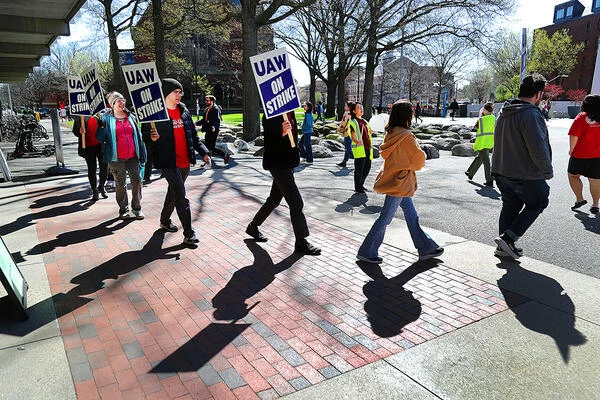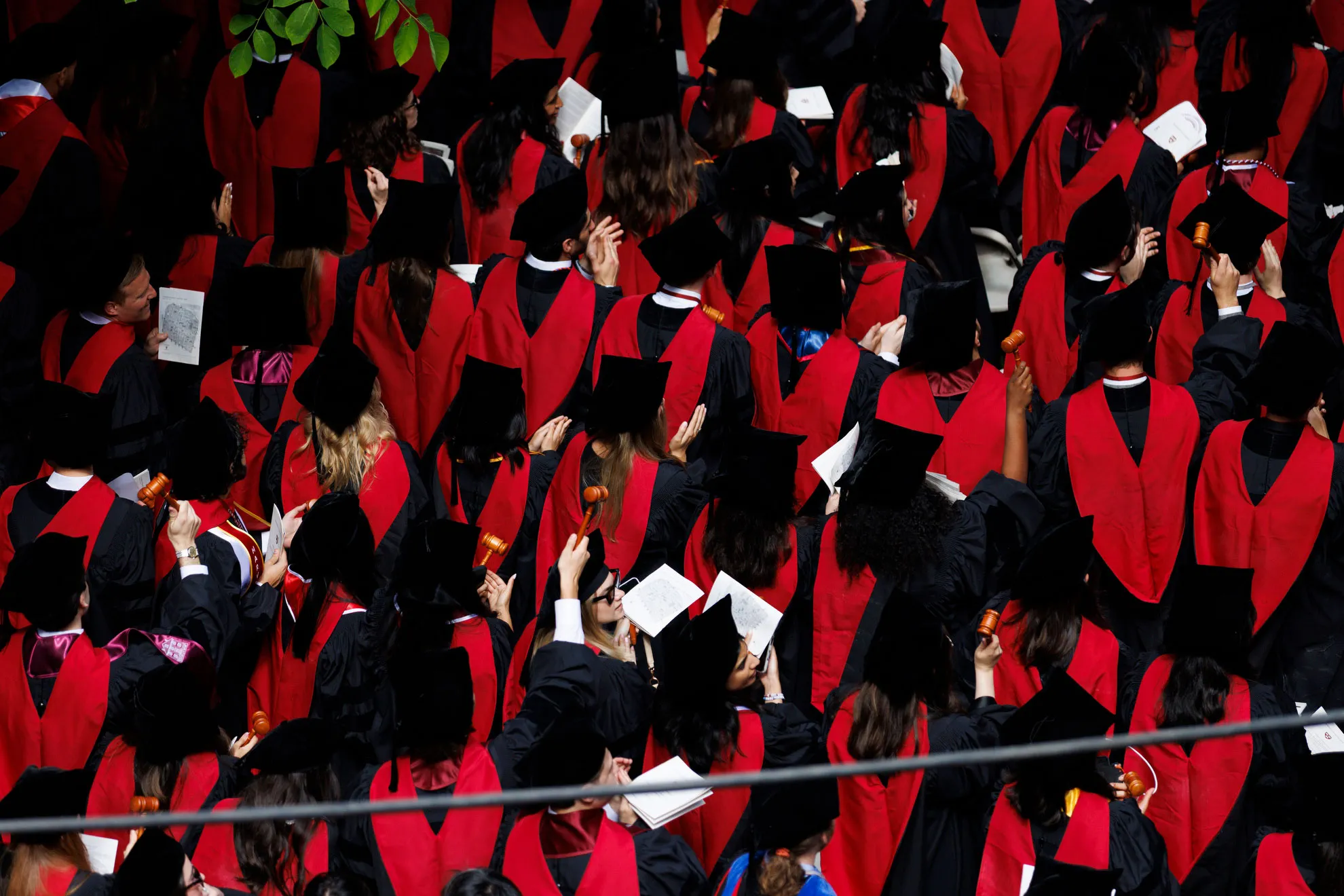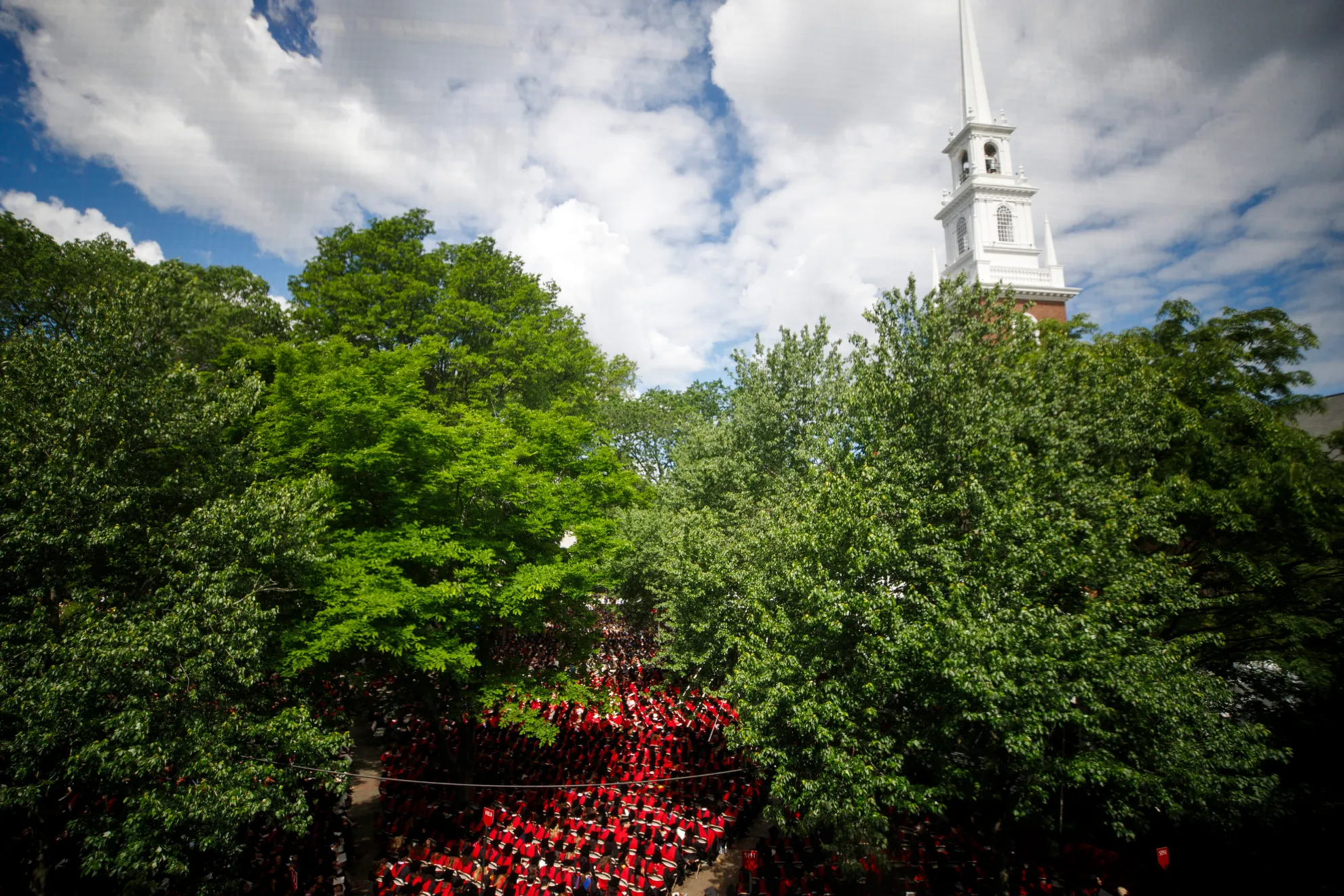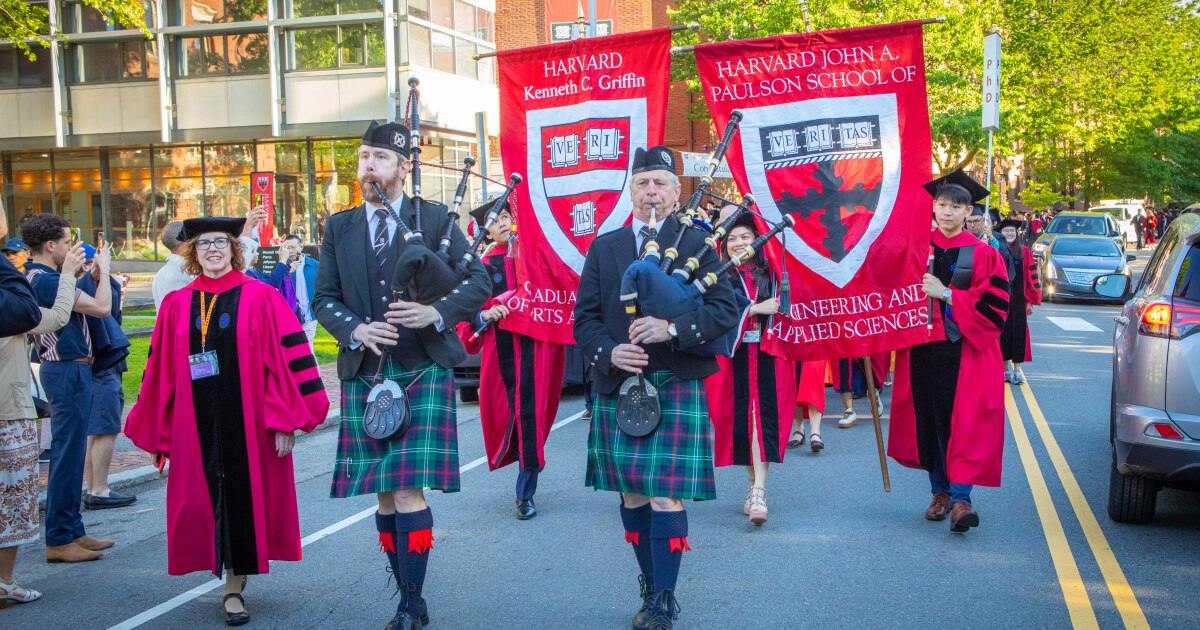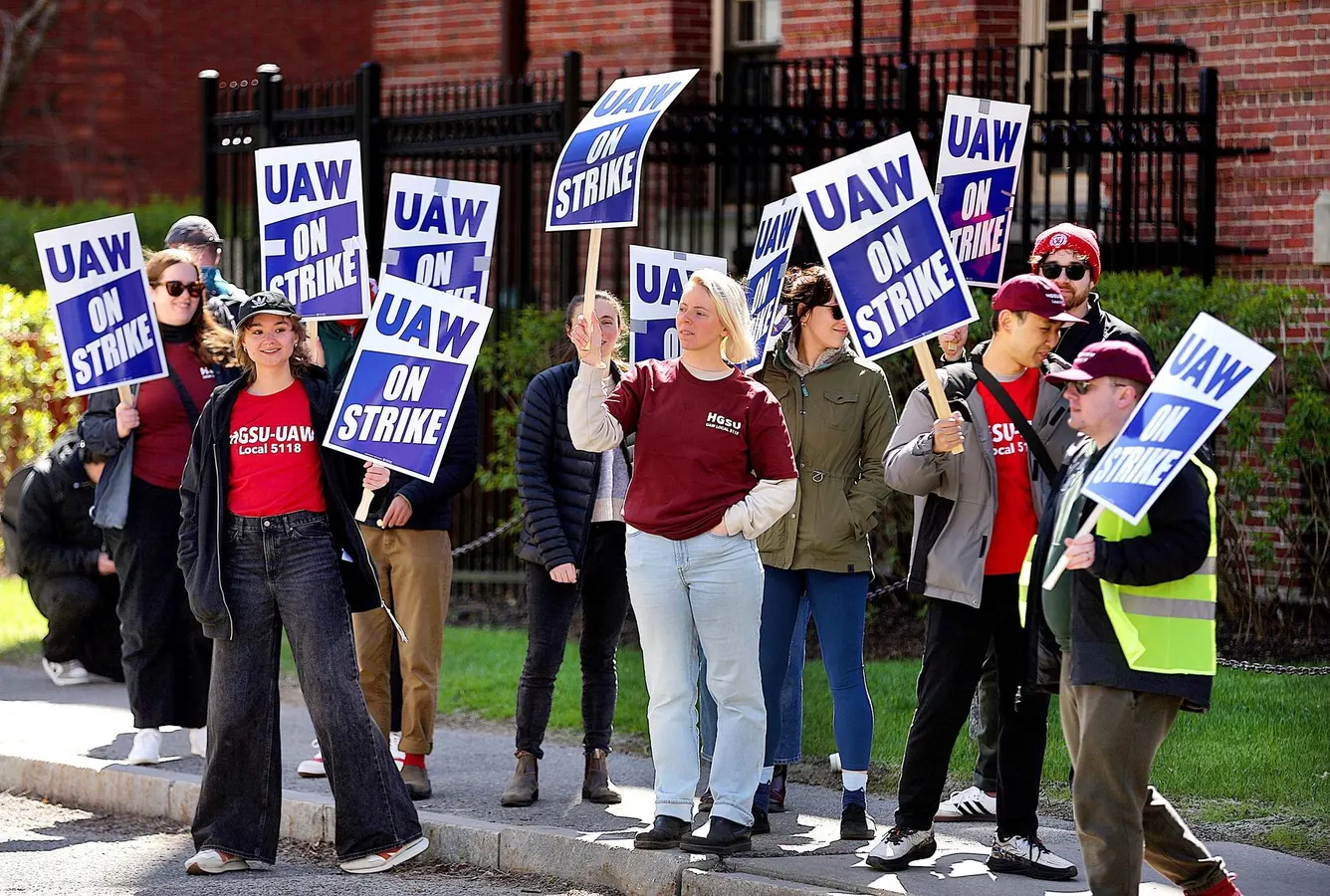
Unionized graduate students at Harvard University have voted to end their strike against the university for now. (Photo by John Tlumacki/The Boston Globe via Getty Images)Boston Globe via Getty ImagesThe Harvard Graduate Students Union (HGSU-UAW Local 5118) ended its 40-day strike on Monday, the close of the academic year. The strike, which began on April 21, had become the longest in the union’s history.Although the walkout has ended without a new agreement being finalized, the HGSU-UAW’s bargaining team said it plans to return to the table this summer to continue negotiations with the university on a formal contract, according to a news release from the union.Citing HGSU-UAW Vice President Evan R. Lemire, The Harvard Crimson reported that more than 81% of participating union members voted last weekend to end the strike. Another 15 % voted to continue the strike, and about 4% abstained.According to union leaders, the vote was taken after Harvard made concessions on some of the key issues, such as pay parity between research assistants and teaching fellows and signaled a willingness to possibly allow some sort of a grievance process over allegations of harassment and discrimination.“Harvard has indicated in a way that they haven’t before that they’re willing to move on some of our key issues,” Lemire said. “This strike was not ended because the fight is over. The fight is not over, and we’re going to be continuing to fight for a new contract.”MORE FOR YOU“If we have another reason to strike, we are prepared, willing, and ready to strike,” he added. “Potentially for a long time.”Throughout its 40-day strike, HGSU-UAW maintained picket lines on Harvard’s Cambridge and Longwood campuses. “Research laboratories ground to a halt, course material was left untaught, and assignments went ungraded. Harvard’s response revealed our impact,” read the union’s statement. “For 40 days, Harvard witnessed just how much of its academic mission relies on the labor of graduate student workers.”HGSU-UAW also picketed during Harvard’s commencement ceremonies, resulting in Boston mayor Michelle Wu deciding to withdraw as the keynote speaker at Harvard Law School’s Class Day.According to the union, Harvard’s recent movement on a few of the contested issues fell far short of the union’s demands, but they represented the first sign "of engagement from the university on the union’s priorities."Harvard negotiators increased the university’s raise offer by 1 percent over its most recent proposal, which had included an 11 percent raise over four years for all teaching fellows and research assistants. That offer is still less than the union’s demand to increase the salaries of all members up to a minimum of $50,000 per year."Though we have still not reached a fair contract that includes these demands, we are hopeful that we have now reached a bargaining trajectory with the university that will allow us to do so. Our strike was powerful, and the university can no longer ignore the collective power of its organized student workers,” the union wrote.According to The Crimson, Harvard Deputy Provost Jessica Soban and Labor and Employee Relations Managing Director Paul R. Curran sent an email to faculty on Monday stating that Harvard remained committed to continuing to negotiate with the union. “While a contract has not been agreed upon, the University remains committed to the ongoing negotiations with the student worker union and to bargaining in good faith,” they wrote.About HGSU-UAW Local 5118The Harvard Graduate Students Union - United Auto Workers represents over 4,000 student workers across Harvard University’s 13 schools in their capacity as teachers and researchers. Harvard student workers from all departments joined together in April 2018 to form HGSU-UAW.
Harvard Graduate Students Union Ends Its Historic 40-Day Strike
The Harvard Graduate Students Union (HGSU-UAW Local 5118) ended its 40-day strike on Monday. The strike, which began April 21, became the longest in the union’s history.
596 words~3 min read