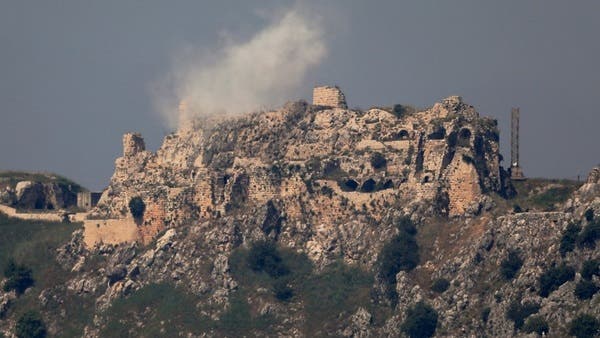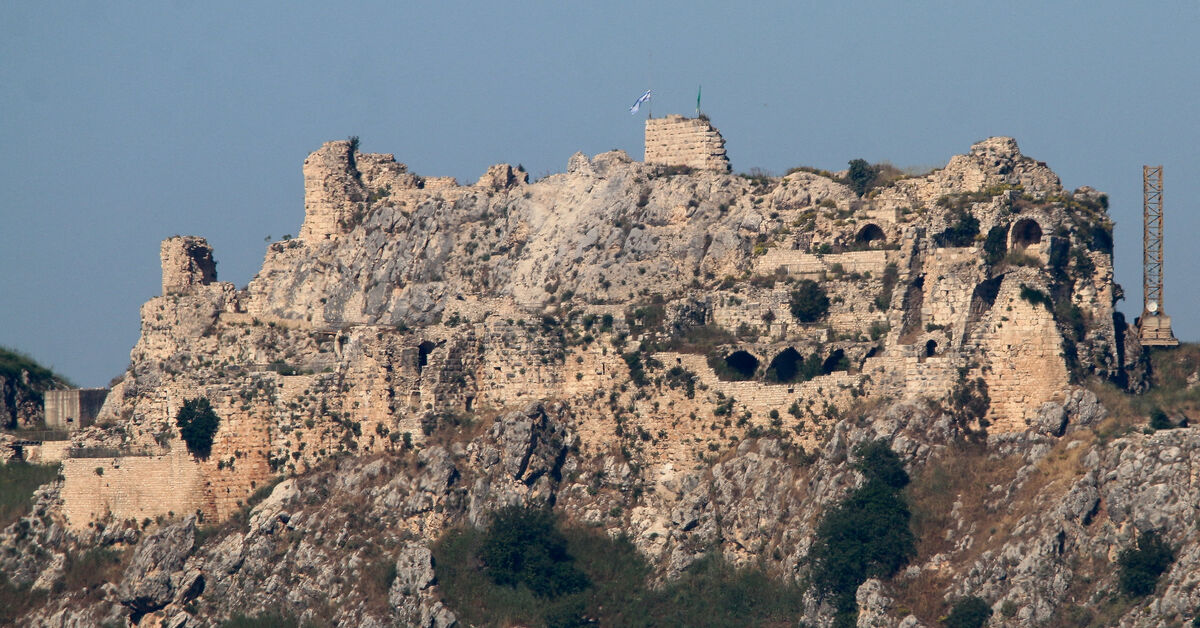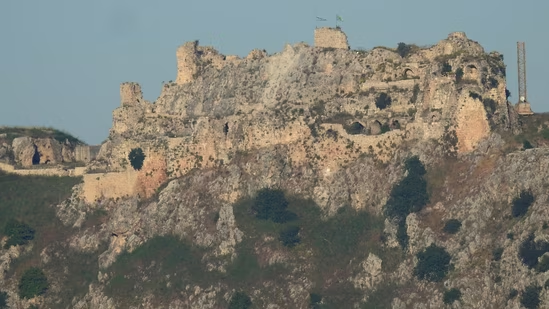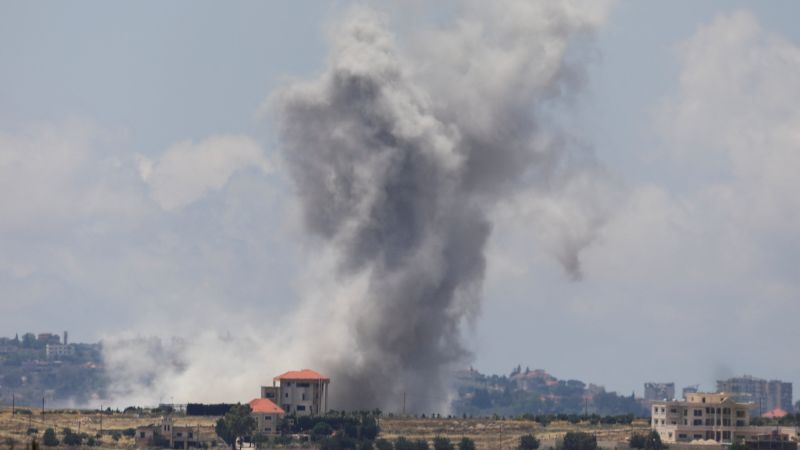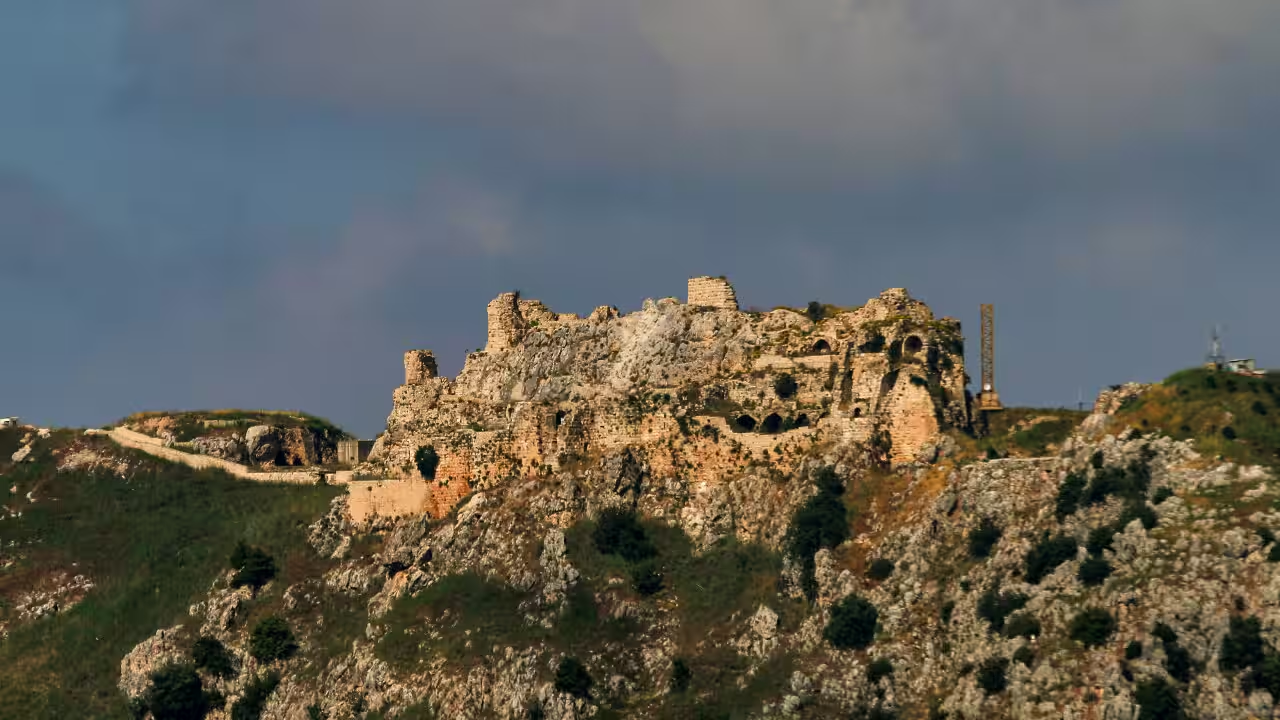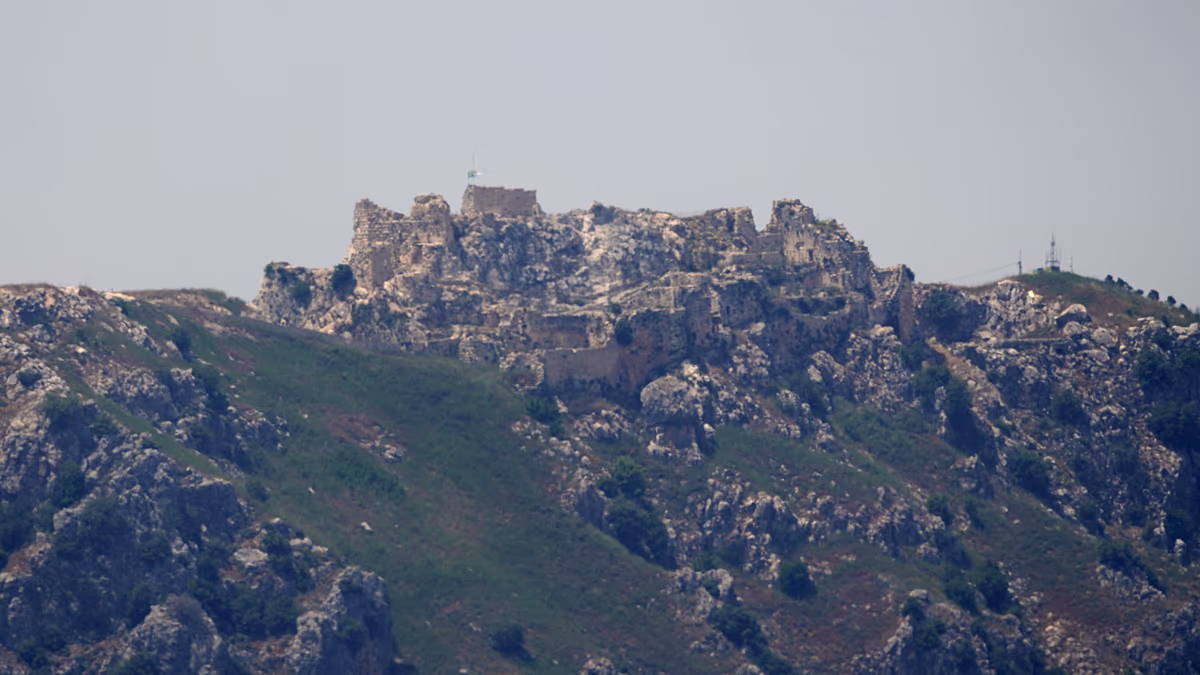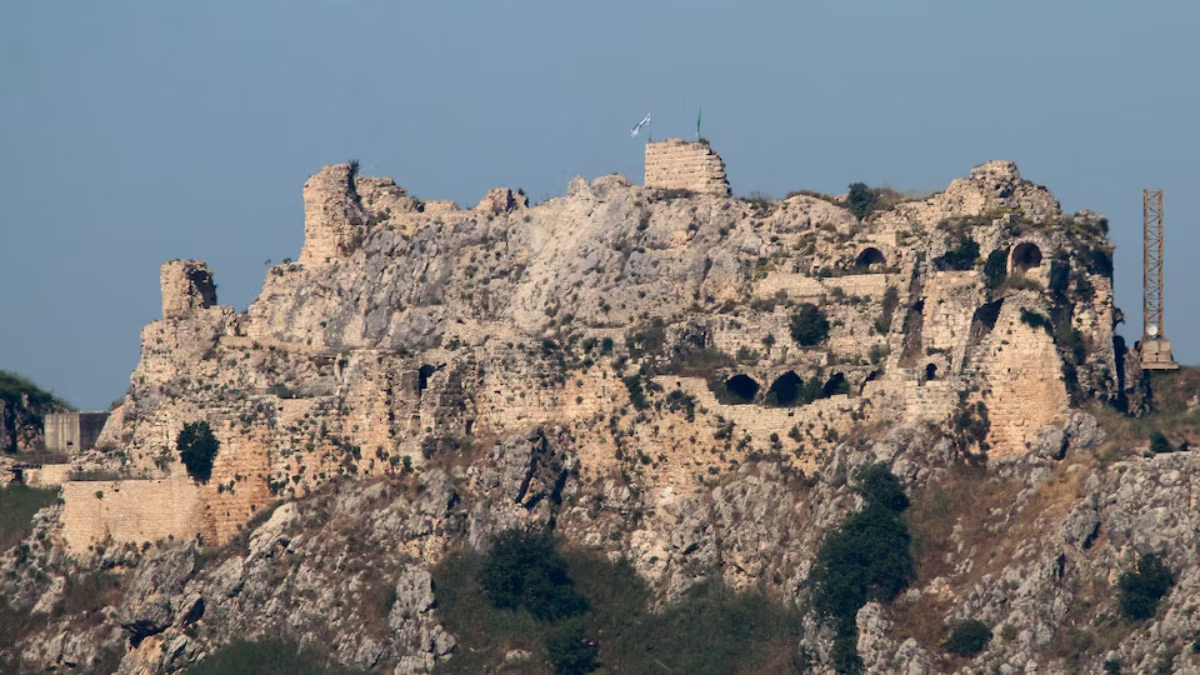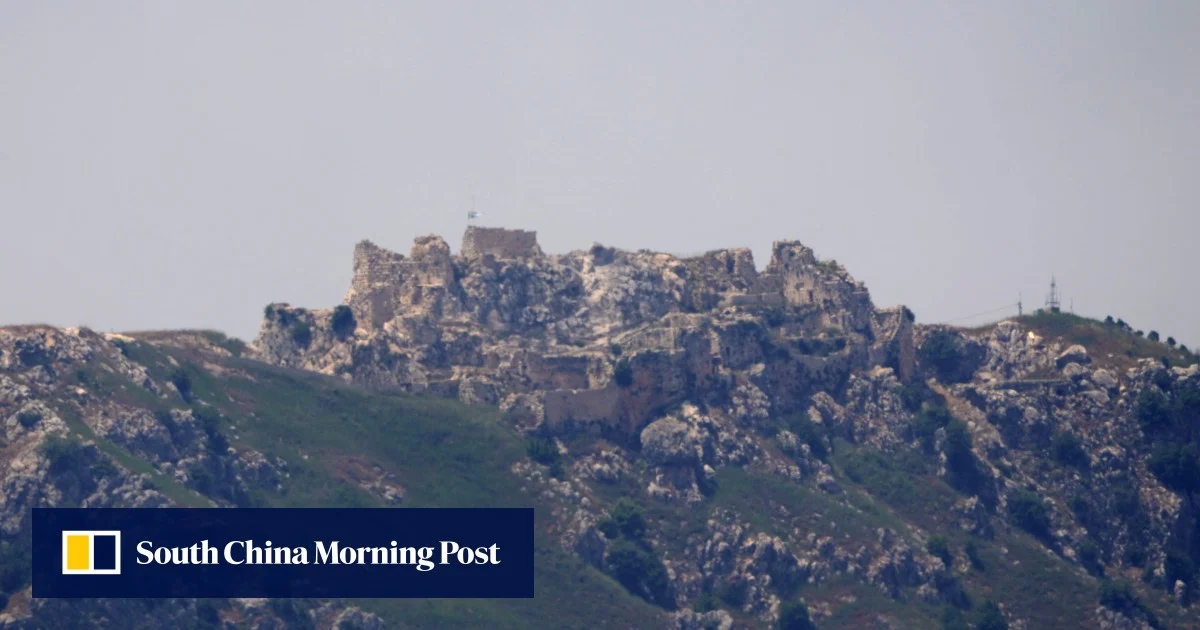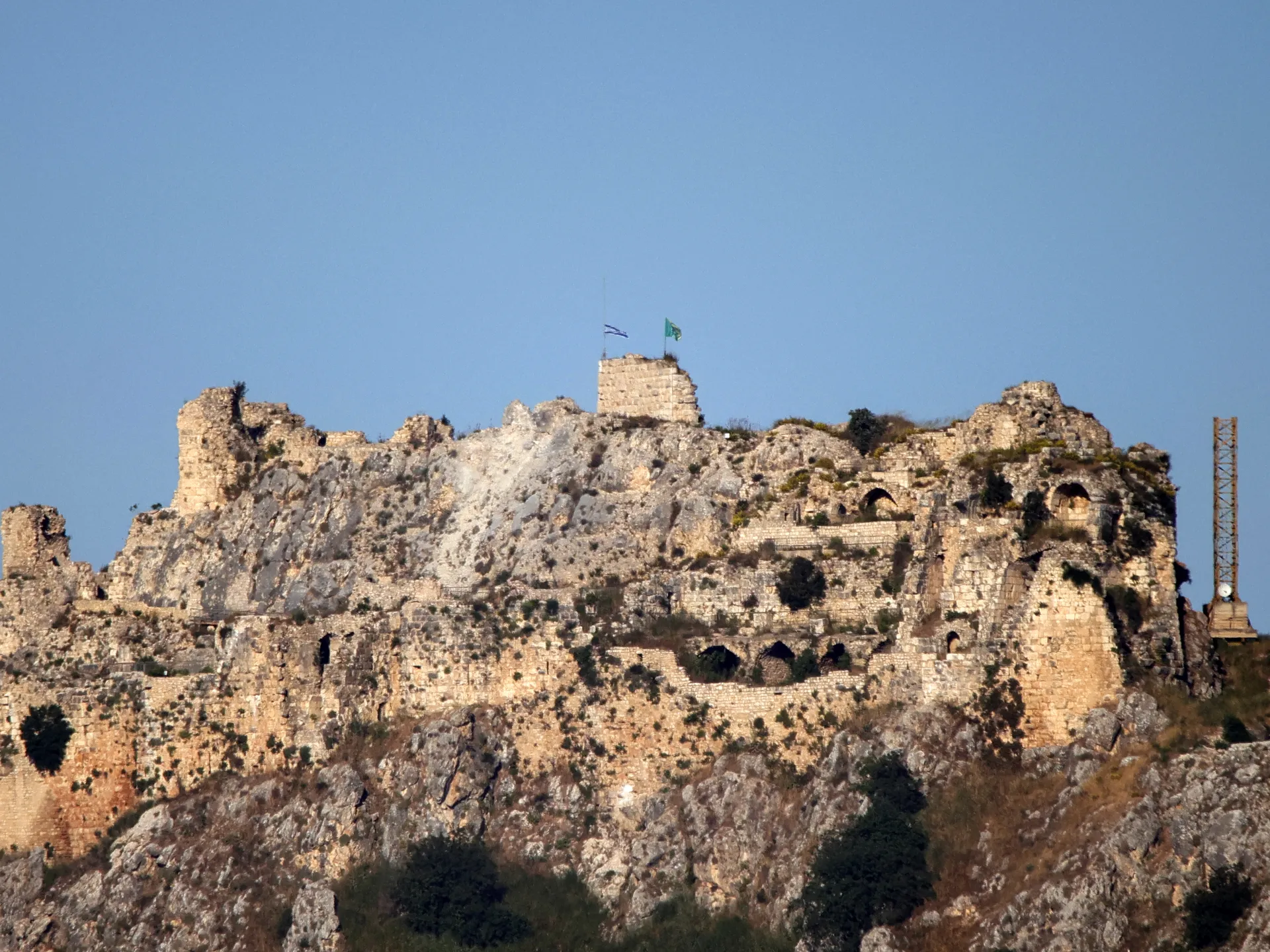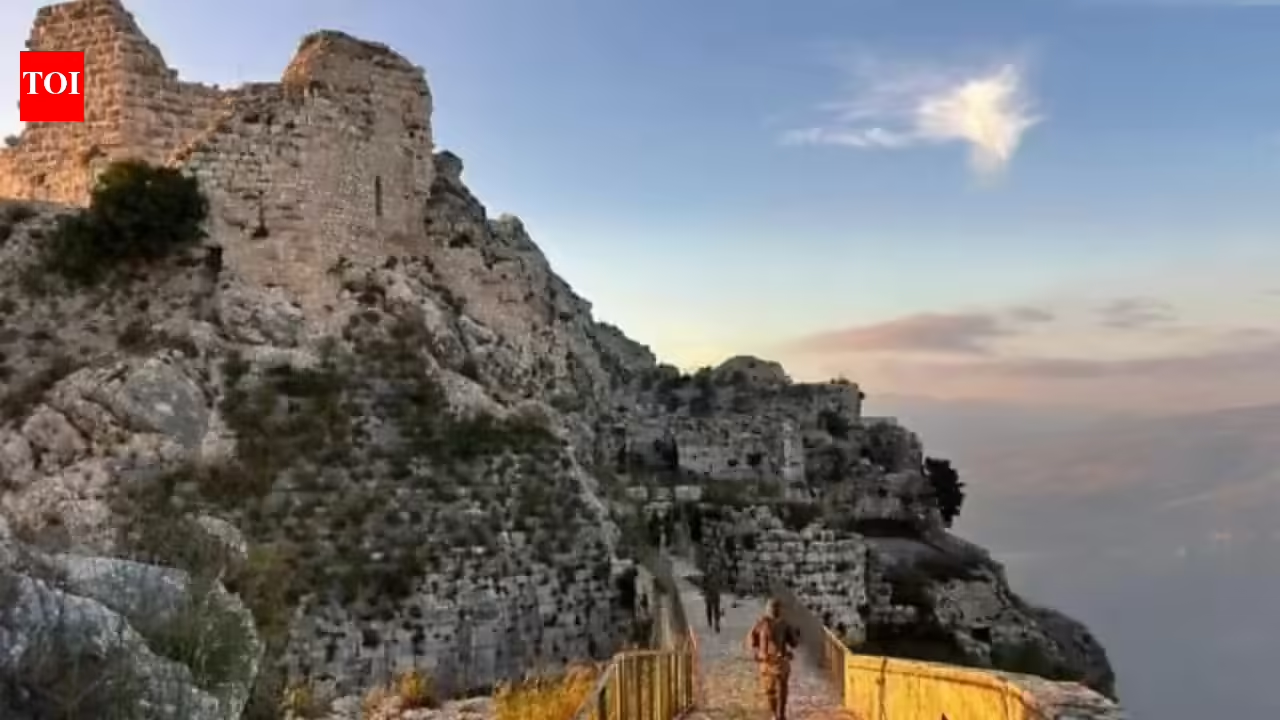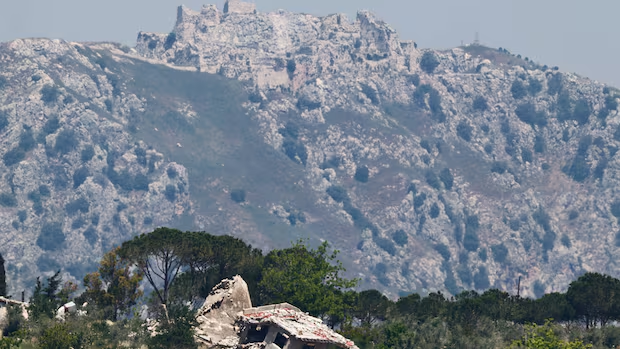
Beaufort Castle in southern Lebanon, roughly 15 kilometres from Israel's border, has flipped and flopped between conquerors for much of its almost 1,000-year history and over the weekend, it flipped once again. Built by European Christians during the Crusades, at some point, Sunni Muslims, Lebanese emirs and Ottoman Turks have all claimed ownership of its ancient stone walls — with the latest occupant, Israel, hoisting the blue and white Star of David over the crumbling ruins for the second time in 44 years. The country's Defence Minister Israel Katz proclaimed "whoever threatens the citizens of Israel will lose their strategic assets one after another" in a reference to the castle's historically important location. An Israeli flag and a Golani Brigade flag fly at the Beaufort Castle in southern Lebanon, as seen from Israel on May 31. (Amir Cohen/Reuters)Evocative symbolBeaufort is an evocative symbol for both sides in the Israel-Hezbollah conflict. For many Lebanese, seeing the Israel flag flying from high atop the hill recalled Israel's 18-year occupation of southern Lebanon and represented subjugation. When Israeli troops pulled out in 2000, their departure represented victory over an oppressor. For Israelis, the castle represents tenacious bravery after IDF soldiers fought a bloody battle with Palestinian militants to first seize the site in 1982. To some Israelis, hoisting the flag there once again, represents a renewed victory. But underneath those narratives lies a more complicated contemporary reality.France demanded an emergency security council meeting as it condemned the castle's capture, saying Israel's current occupation of southern Lebanon cannot be justified under international law.WATCH | What it will take to disarm Hezbollah:What it will take to disarm HezbollahMay 6|Duration 6:35As Israel and Hezbollah exchange strikes, Lebanon’s government is vowing to demilitarize the Iran-backed militia and political party — but is that even possible? For The National, CBC’s Chris Brown takes a closer look at what it would take to disarm Hezbollah and why it hasn’t happened yet.For many in Israel, ending the war with Iran and the military campaign against its chief proxy Hezbollah — as U.S. President Donald Trump is pushing to do — will be considered a major political defeat that Prime Minister Benjamin Netanyahu appears to be doing his utmost to avoid."After 2024, Netanyahu promised Israel that Hezbollah is finished. Well, it is not," said Ahron Bregman, a former IDF officer and veteran of the 1982 Israel-Lebanon War, who now teaches at King's College London."Using rockets and drones, Hezbollah has turned the lives of Israelis in the north to hell, and inflicted casualties on the IDF. So, Netanyahu wants to show he's doing something about it."But seizing the Beaufort [Castle] won't stop Hezbollah."Israeli army captures strategic castle in Lebanon in deepest incursion into the country in a quarter-centuryIsrael strikes Beirut suburb, at least 14 killed across southern LebanonIndeed, Beaufort's capture appeared to underscore the challenges faced by the IDF during its military campaign. U.S. website Axios reported that not only did Hezbollah militants not defend the castle's walls this time, but Israel also didn't find any weapons or ammunition inside.Instead, just hours after its seizure, in the early hours of Sunday morning, Hezbollah drones located a group of Israeli soldiers on or near the site and crashed into their positions, killing one soldier and wounding three others.A woman holds flowers as people attend the funeral on Monday of an Israeli soldier who, according to the Israeli army, was killed in a Hezbollah drone attack in Ashkelon, Israel. (Nir Elias/Reuters)A day earlier, as Israeli troops were advancing on the castle, another IDF soldier was killed in a drone attack.And Monday evening, the military announced yet another soldier was killed by drones — an IDF doctor, with seven other soldiers wounded.Fourteen IDF soldiers and one Israeli defence contractor have been killed by Hezbollah attacks in southern Lebanon in the last six weeks. The IDF has said it has killed more than 900 Hezbollah operatives in that same time."It's all about domestic politics," said Bregman of the recent Israeli escalation. "Netanyahu failed to topple Hamas, failed to destroy Hezbollah, failed to destroy the Iranian regime — failure after failure when general elections are just around the corner."Netanyahu could face a national election in Israel as early as September and pollsters believe he would be hard pressed to form a governing coalition that would let him stay in power."So he ordered to seize the 'old stones' [Beaufort], and he sells it as a great achievement." A military convoy manoeuvres in Lebanon, as seen from the Israeli side of the border on Monday. (Amir Cohen/Reuters)Other analysts, however, lean on tactical considerations more than political ones to explain Israel's push to capture Beaufort."I think Israelis are concerned that in the future, their freedom of operation [military options] could be constrained in Lebanon," said David Schenker, a former U.S. assistant secretary of state for Near-Eastern affairs, who's now with the Washington Institute."I think they moved to take Beaufort and to establish a northernmost point of the occupation with high ground."AnalysisNetanyahu's future uncertain as Israel starts to prepare for national electionHezbollah’s cheap, easy-to-get drones have Israeli soldiers diving for coverNonetheless, Schenker says Israel's overreach in trying to strategically defeat both Iran and Hezbollah now means it's trying to lock in whatever territorial gains it can, to bargain from strength afterward."I think on both fronts, Israel has not managed to achieve or translate … pretty impressive military accomplishments to political gains on the ground," said Schenker.Iran's leverageOn Monday, Iran's Foreign Minister Abbas Araghchi said Israel's escalation in Lebanon could doom peace talks with the United States, prompting a quick response from the U.S. president. "Violation on one front is a violation of the ceasefire on all fronts," Araghchi said on X, as he attempted to ensure a full Israeli withdrawal from Lebanon is included in any deal with the United States. Israel, meanwhile, appeared to be holding off bombing of Beirut's suburbs as of Tuesday morning, following an apparent agreement announced by Trump.Hours later, the U.S. president issued his own social media post, saying after having a conversation with Netanyahu, "there will be no troops going to Beirut, and any troops that are on their way, have already been turned back."Smoke rises in Lebanon following an airstrike, as seen from the Israeli side of the Israel-Lebanon border on Monday. (Amir Cohen/Reuters)Trump also appeared to suggest he had held indirect discussions with members of Hezbollah, "and they agreed that all shooting will stop."The previous U.S.-brokered ceasefire effectively limited combat and Israeli attacks to Lebanon's south. Hezbollah also appeared to hold back on attacking Israel directly, at least for a time. The early indications are that dynamic could return once again."I think he's basically saying that he's told Israel to move toward de-escalation," Schenker said of Trump, although he doubts the U.S. leader will compel the IDF to abandon the Lebanese territory it now occupies, as both Lebanon's government and Hezbollah are demanding. "Israeli withdrawal is not going to happen before the Lebanese have taken steps to accomplish something to satisfy the Israelis — and I don't think Washington will push them to do so." AnalysisWhy disarming Hezbollah is about much more than guns and rocketsPrior to the most recent outbreak of war, Lebanon's government had made modest gains at getting Hezbollah militants to disarm in Shia-dominated southern Lebanon. However, the resumption of war, along with Israel's brutal tactics, including the total destruction of many Shia villages, have helped Hezbollah re-establish its purpose.More mass displacementBefore his call with Trump, Netanyahu posted on social media that residents of southern Beirut's Dahieh area should leave quickly ahead of Israeli strikes. His post sent tens of thousands of residents fleeing to other parts of the country, fearing a repeat of rapid-fire Israeli rocket attacks in mid-April that killed more than 350 people in less than 10 minutes.Traffic on a road as people flee the southern suburbs of Beirut, after Netanyahu ordered the military to attack targets in the suburbs June 1. (Mohamed Azakir/Reuters)English teacher Sumaya Hadad, 56, told CBC News that within minutes of the new Israeli warning, she had her car packed and was heading out of the city, along with her elderly mother."My mother panicked; she is an old lady and she can barely move because of the fear," said Hadad. "When I’m talking to you, I feel like I want to cry."She said the new evacuation orders and mass displacement will further hurt Lebanese civilians but she doubts it will change the trajectory of the war."They [Israel's government] always lie to their people and they want to show them they are achieving something in Lebanon. But I don't think we as Lebanese should be affected by this."Hadad says she believes this phase of the war will end with Israel's withdrawal from southern Lebanon — and Beaufort Castle — just as the IDF did in 2000 after suffering heavy casualties from years of guerilla warfare from militants, including Hezbollah. "They [the Israelis] are going to leave again — sooner or later."
ANALYSIS | 'Old stones' in a new war: Why seizing Lebanon's Beaufort Castle won't stop Hezbollah | CBC News
Israeli forces recently captured southern Lebanon's historic Beaufort Castle, marking the second time in 26 years the site has been taken. While Prime Minister Benjamin Netanyahu presents the move as a strategic victory, critics argue it is a symbolic gesture driven by domestic politics.
1,497 words~7 min read