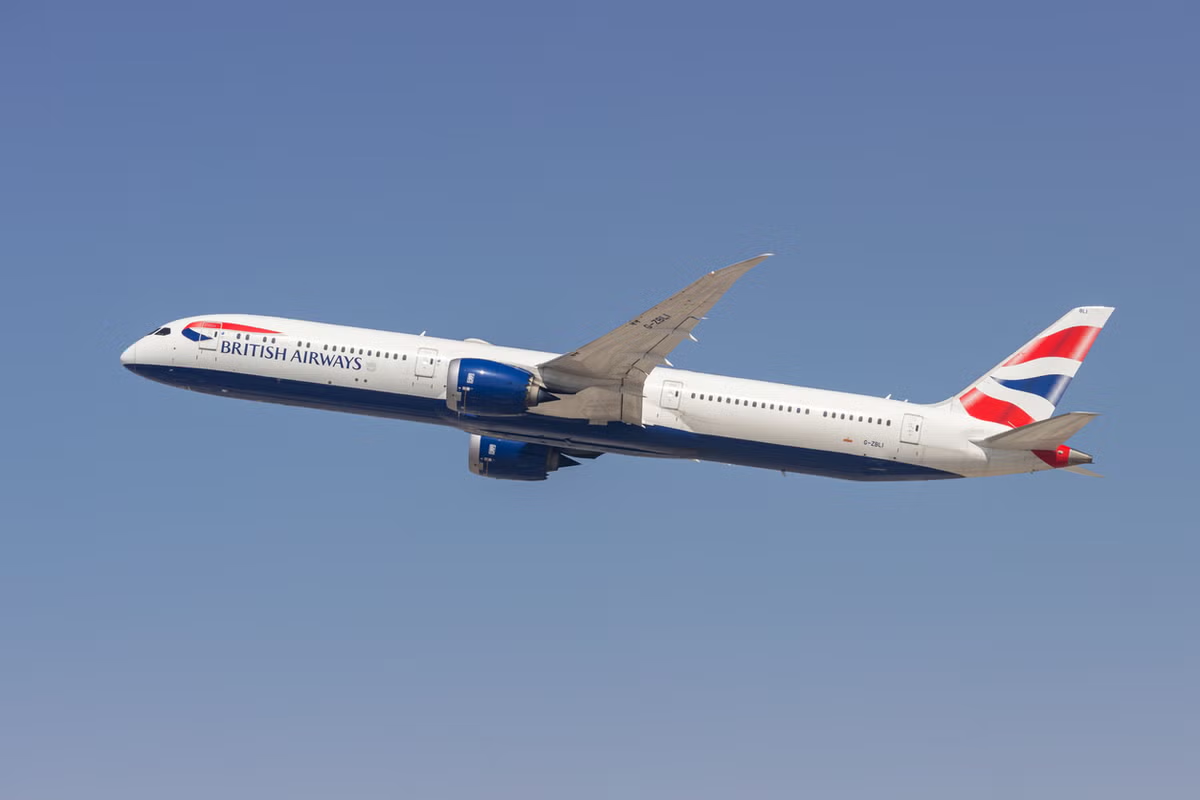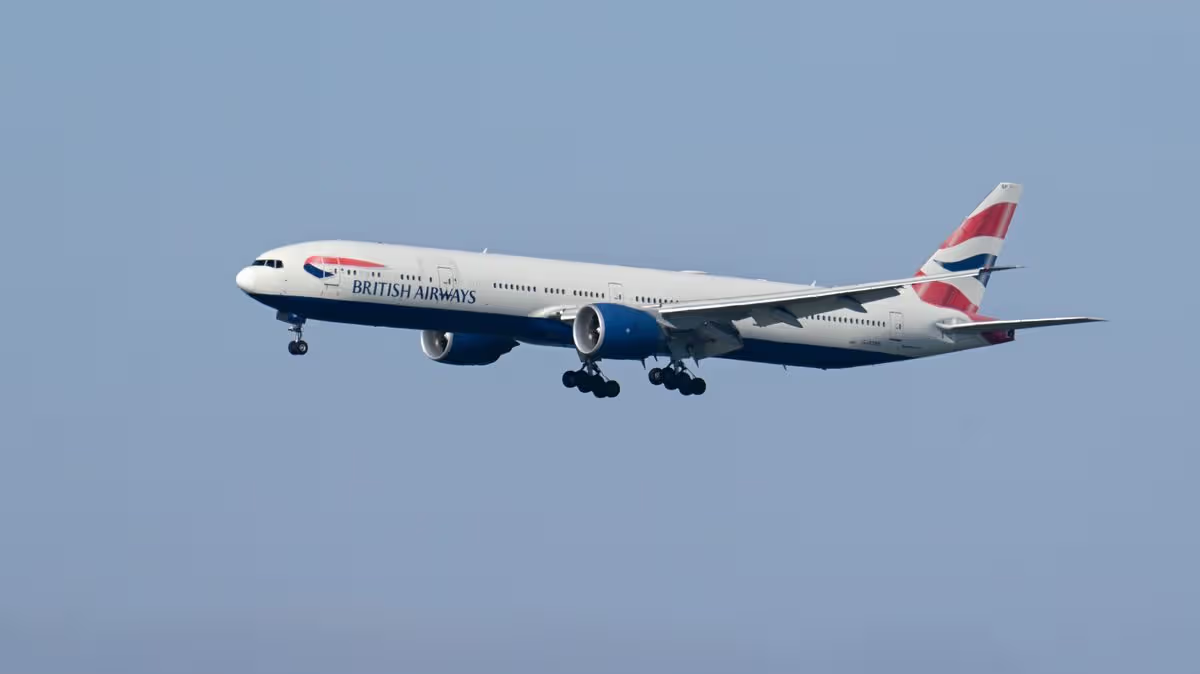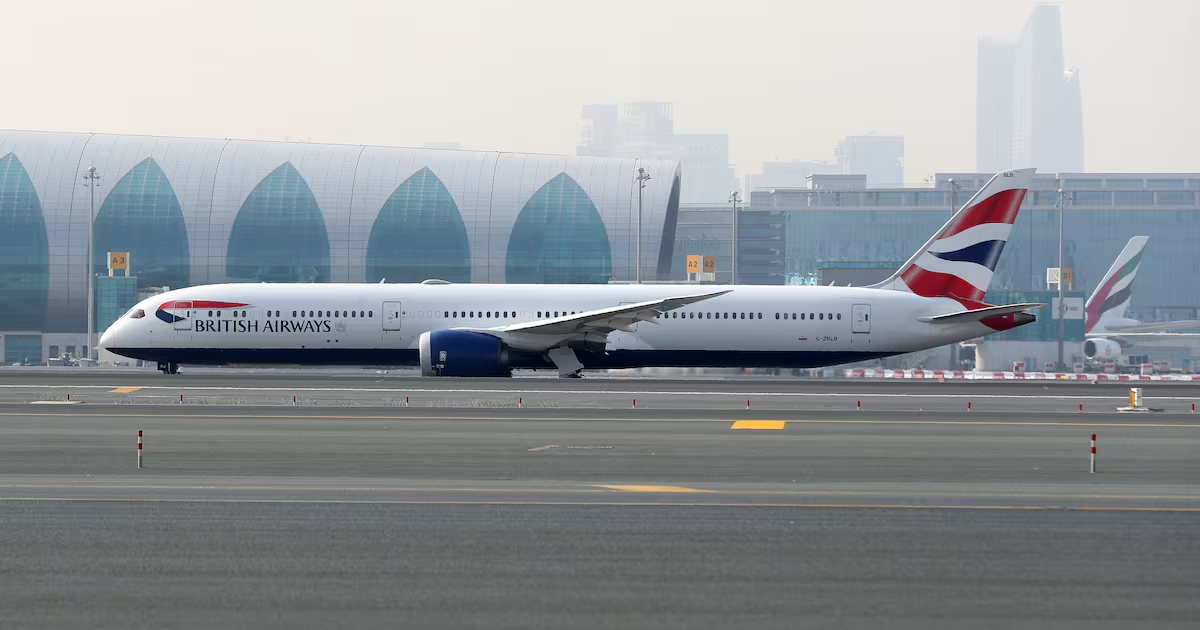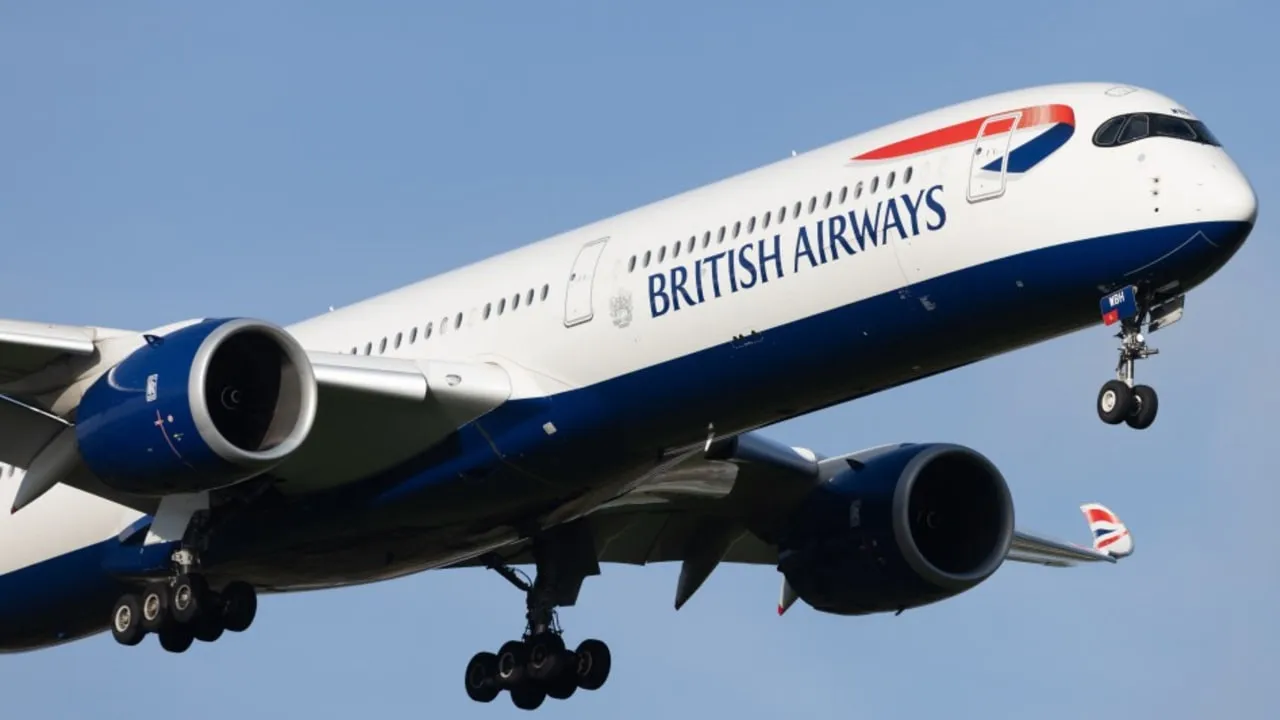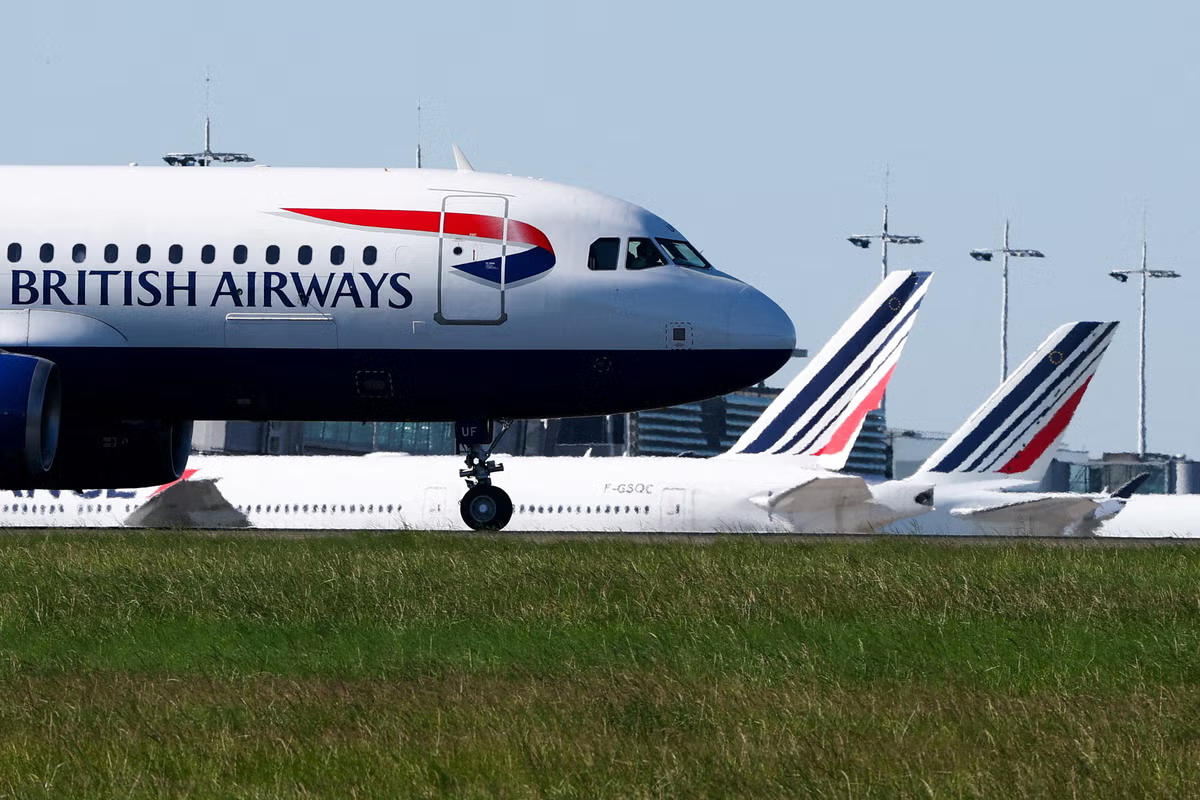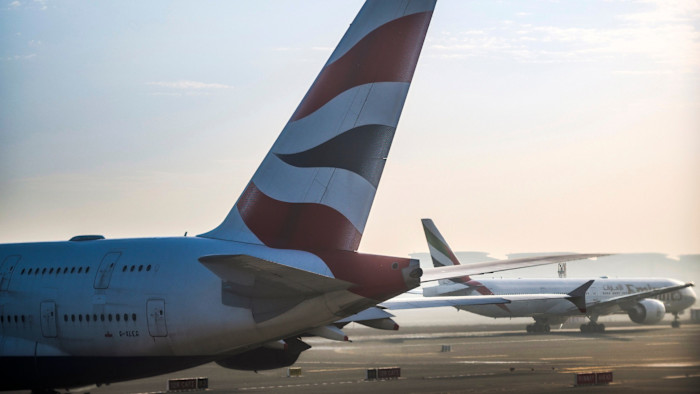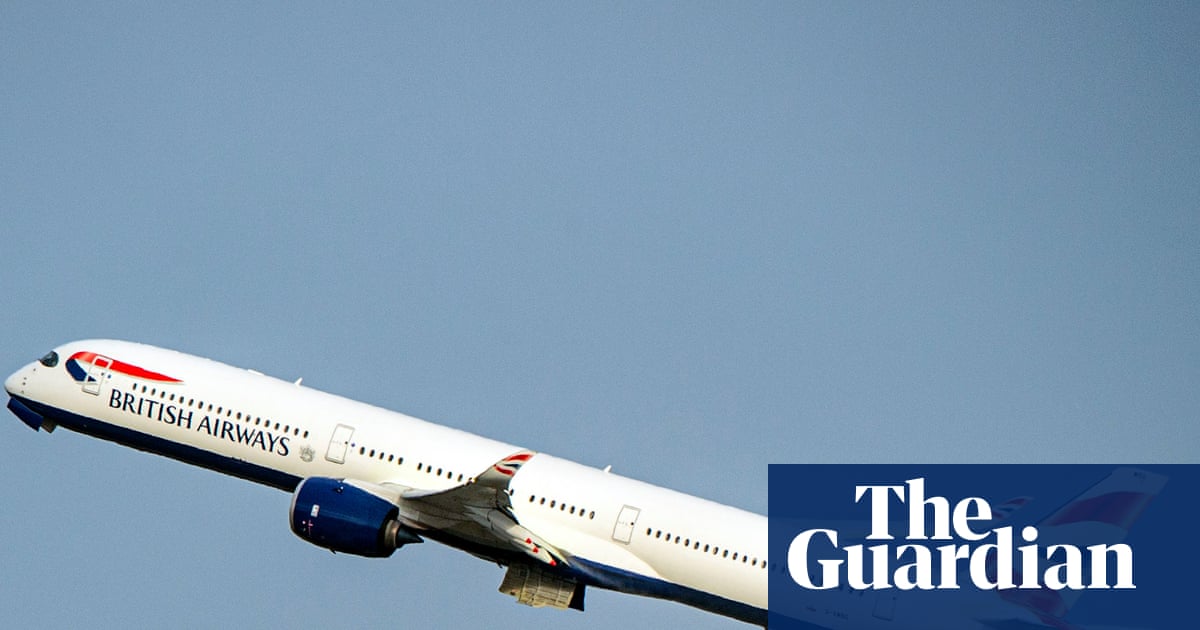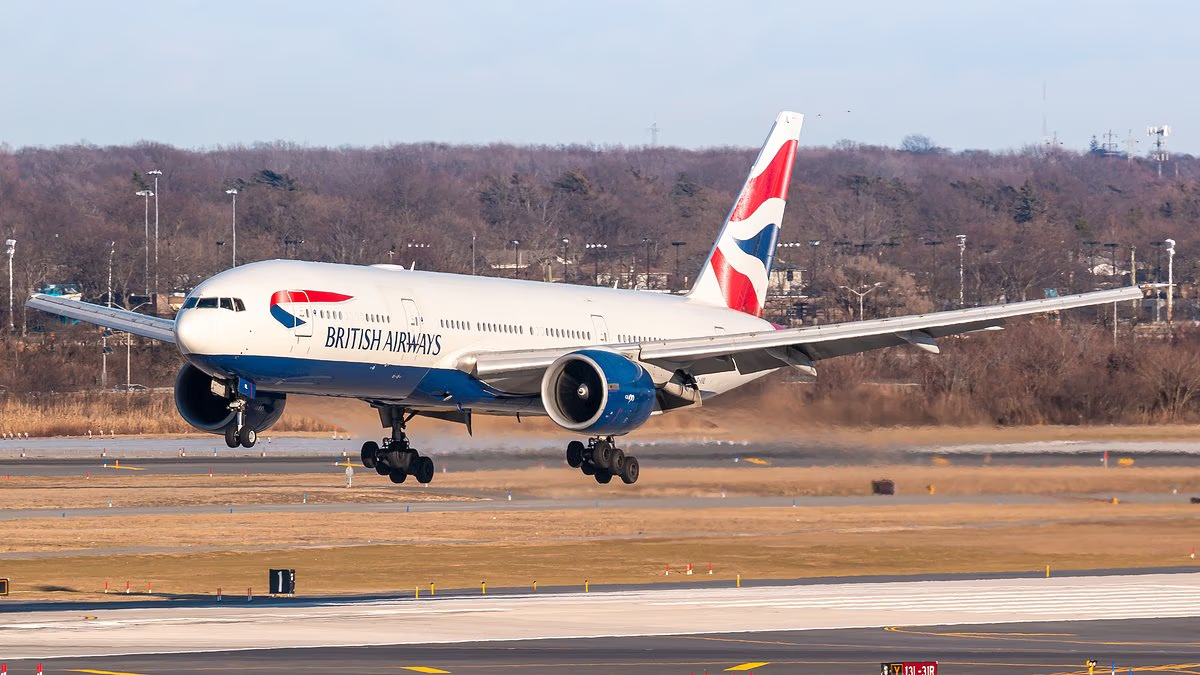
If you thought there might just be a chance you could get that Dubai summer holiday, think again - as British Airways has suspended most of its Middle East flights through to late October, as US peace negotiations with Iran stall. The airline announced on Monday it is halting flights to four Persian Gulf destinations until its official summer schedule ends.British Airways will hold off on restarting flights to Amman, Bahrain, Dubai, and Tel Aviv until 25 October, though it hopes to resume flights to Doha and Riyadh in August. Part of the reason British Airways is resuming flights to Doha and not Dubai is because of its joint venture with Qatar Airways, which relies on connecting passengers through Doha. Dubai is also typically a quieter route during the hot summer months, when travel demand tends to fall.In recent weeks, a number of airlines that operate from the UK have extended flight suspensions to destinations in the Persian Gulf throughout much of the summer season, while some have recommenced routes to Israel.Low-cost carrier Wizz Air resumed flights to Tel Aviv on 28 May, while flights to Abu Dhabi, Amman and Dubai from destinations across Europe remain halted until mid-September.The airline has suspended all flights to Medina indefinitely.SWISS, ITA Airways and Lufthansa, each of which are a part of the Lufthansa Group, are set to resume flights as early as July, though routes to Dubai will remain suspended until 13 September. On Monday, British Airways announced it will extend flight cancellations to a number of destinations in the Middle East as US peace negotiations with Iran stall British Airways will hold off on restarting flights to Amman, Bahrain, Dubai (pictured) and Tel Aviv until 25 OctoberLufthansa, Austrian Airlines and Brussels Airlines have also paused all flights to eight Middle Eastern destinations - including Abu Dhabi, Amman, Beirut, Dammam, Riyadh, Erbil, Muscat and Tehran - until October 24. Last month, global airlines cut a total of two million seats from their May schedules as concerns mounted that the Iran war could cut jet fuel supplies to 'critically low levels'.Out of all airlines, German carrier Lufthansa had the most seat cancellations - cutting 20,000 flights between May and October. Travel expert Sally Gethin recently issued advice to holidaymakers who may be concerned their summer holidays could be grounded amid the ongoing jet fuel crisis. She said long-haul routes to the US and Asia are the most likely to be cut as they use more fuel and could face supply issues.In addition, some routes to Asia and Australasia require diversions around the Middle East, requiring yet more fuel. Consultancy firm Teneo also estimates flight prices have risen by 24 per cent year on year - a figure that is likely to rise further given the current crisis. IAG, which owns British Airways, Iberia, Vueling and Aer Lingus, has already said it will make ‘pricing adjustments’.In addition, Virgin Atlantic has said that it is adding £50 to economy-class return flights, £180 to premium economy and £360 to business class (although even then it won't recoup the high cost of jet fuel).The good news is that low-cost carriers are likely to keep prices down to attract customers and increase their market share this summer.EasyJet, Ryanair, Wizz Air UK, Jet2 and TUI have said they are sticking to their summer schedules without reductions.Sally also urges travellers to act now to get the best summer deal. She said: 'Prices are more likely to go up than down, and the longer you wait, the less availability there will be, as airlines and tour operators scale flights and capacity to paid bookings.'
British Airways extends Middle East suspension through the summer
The major carrier has extended flight cancellations to Amman, Bahrain, Dubai, and Tel Aviv through 25 October due to stalled US-Iran negotiations, disrupting upcoming travel plans.
TL;DRAI
British Airways, Lufthansa, and global carriers suspend Middle East flights through October, cutting 2M seats amid Iran-US tensions and fuel shortage. Fares surge 24% YoY; IT leaders must replan travel budgets and integrate geopolitical risk modeling into Q3/Q4 capex.
602 words~3 min read