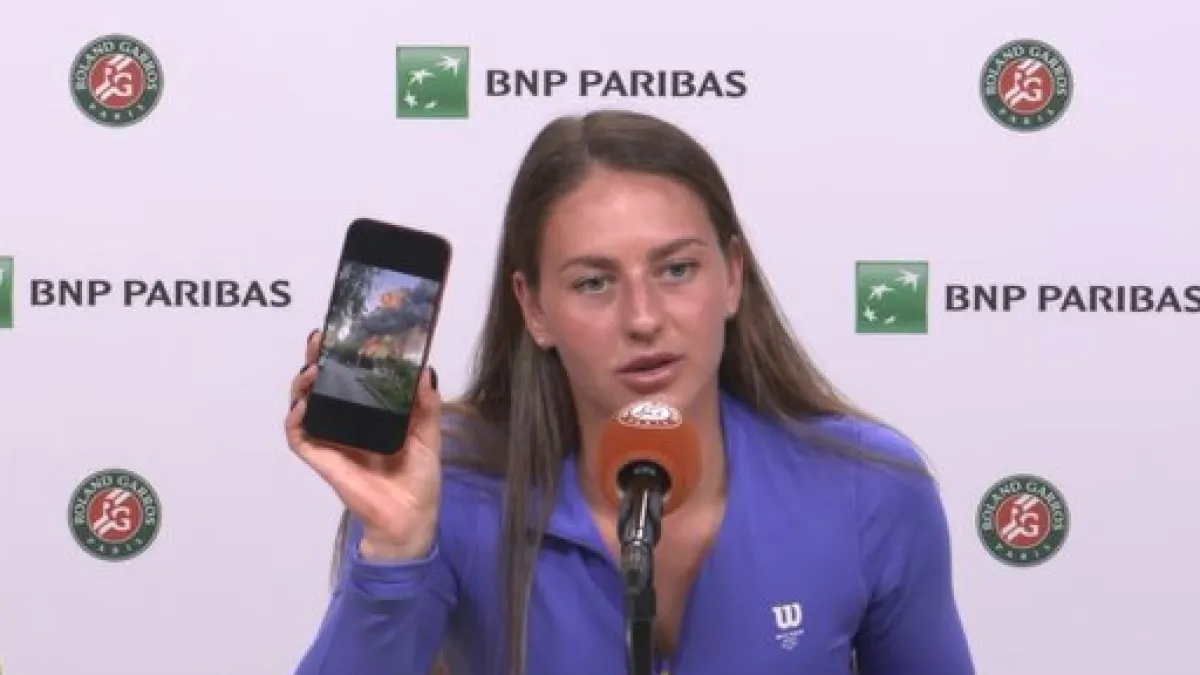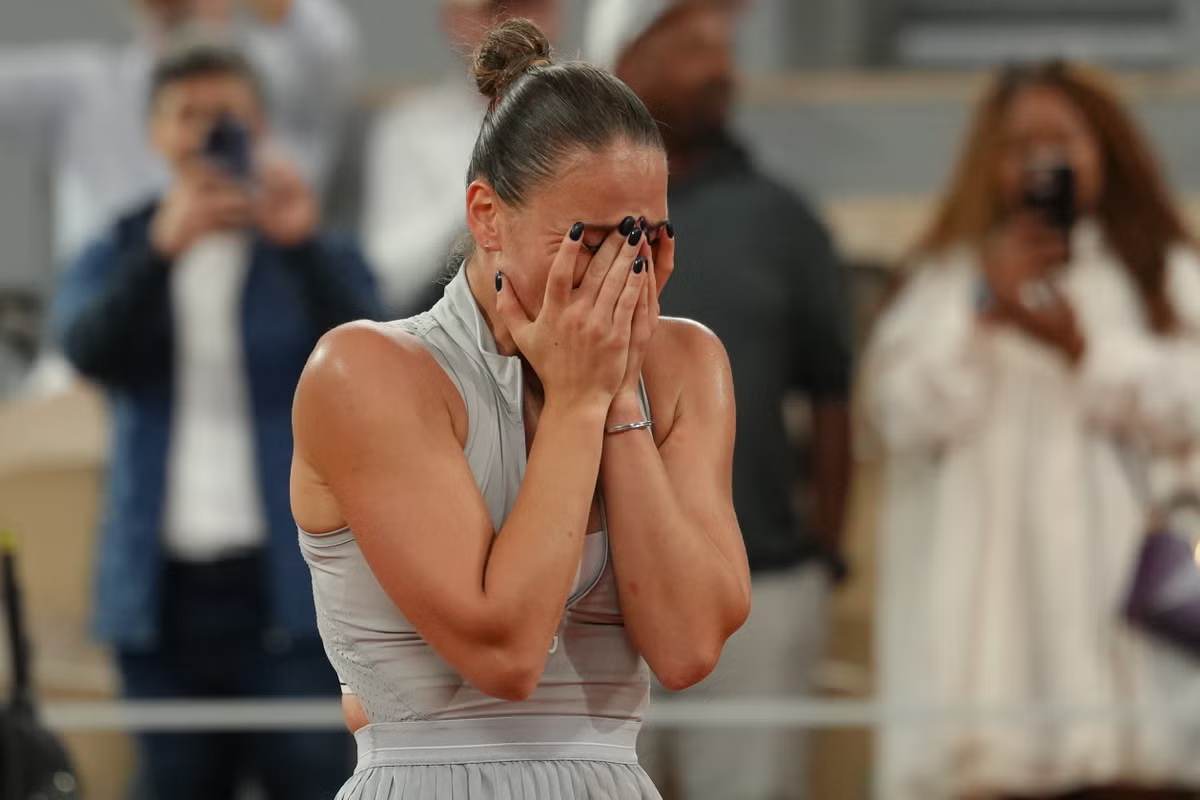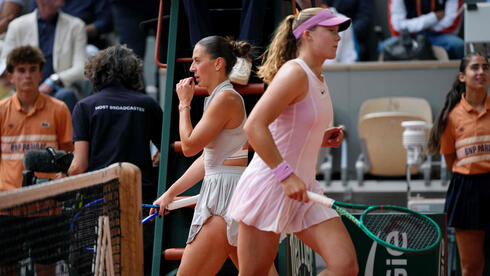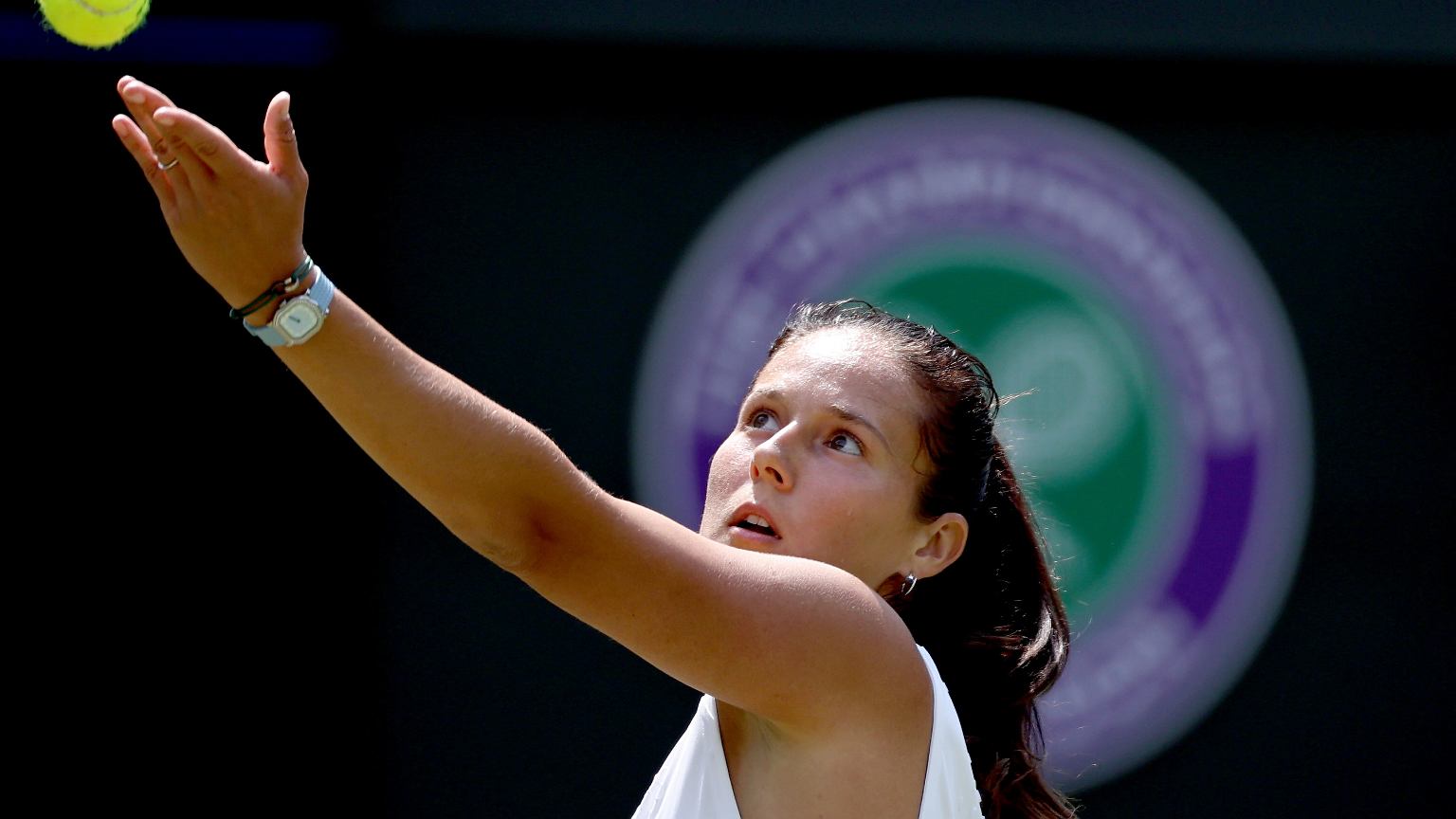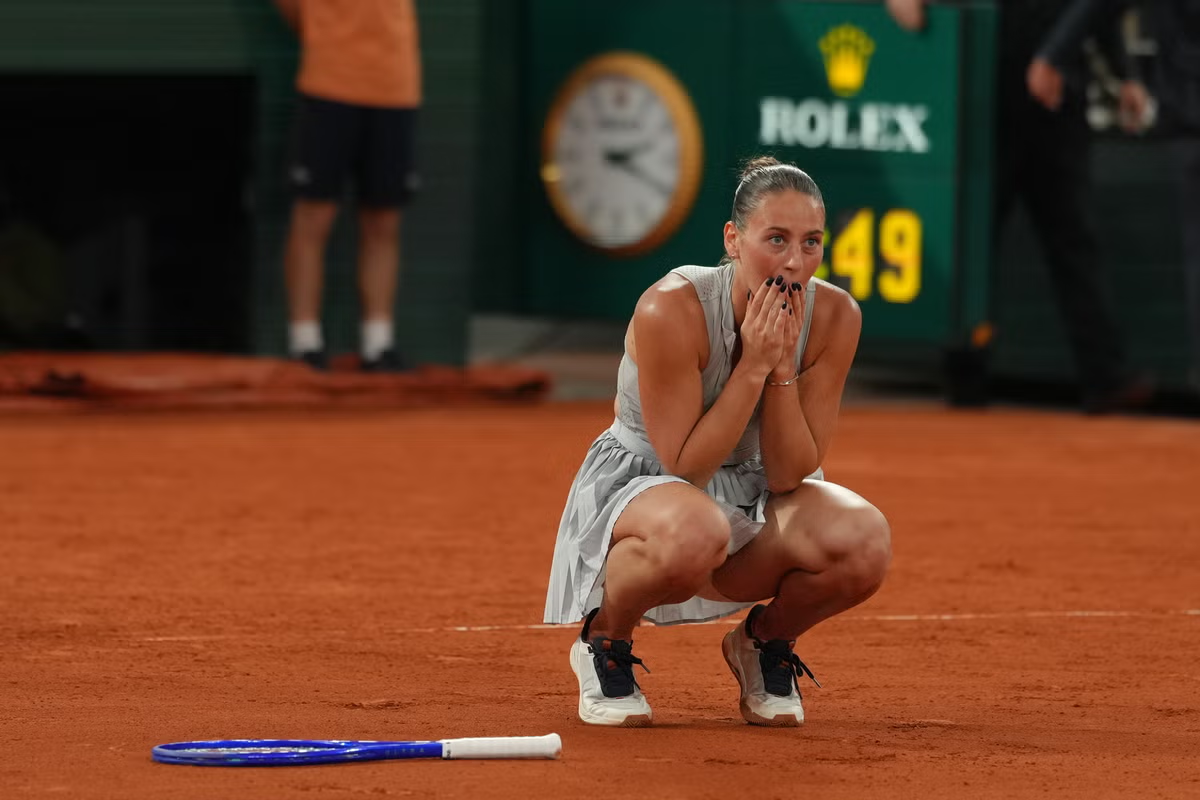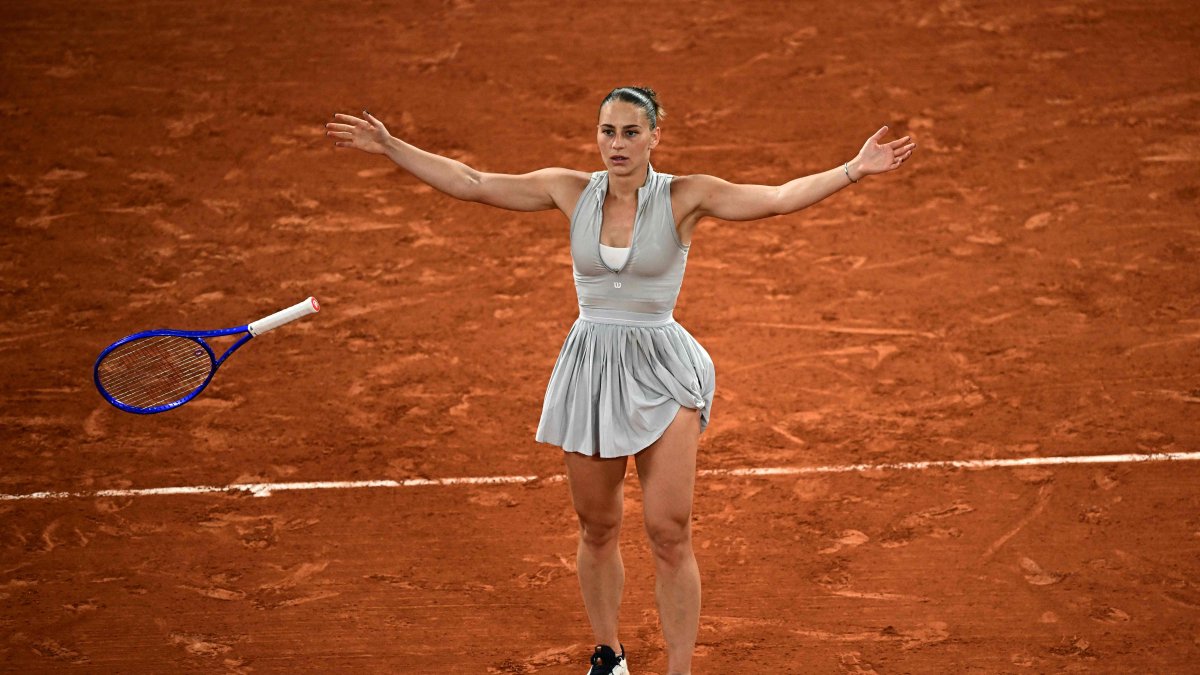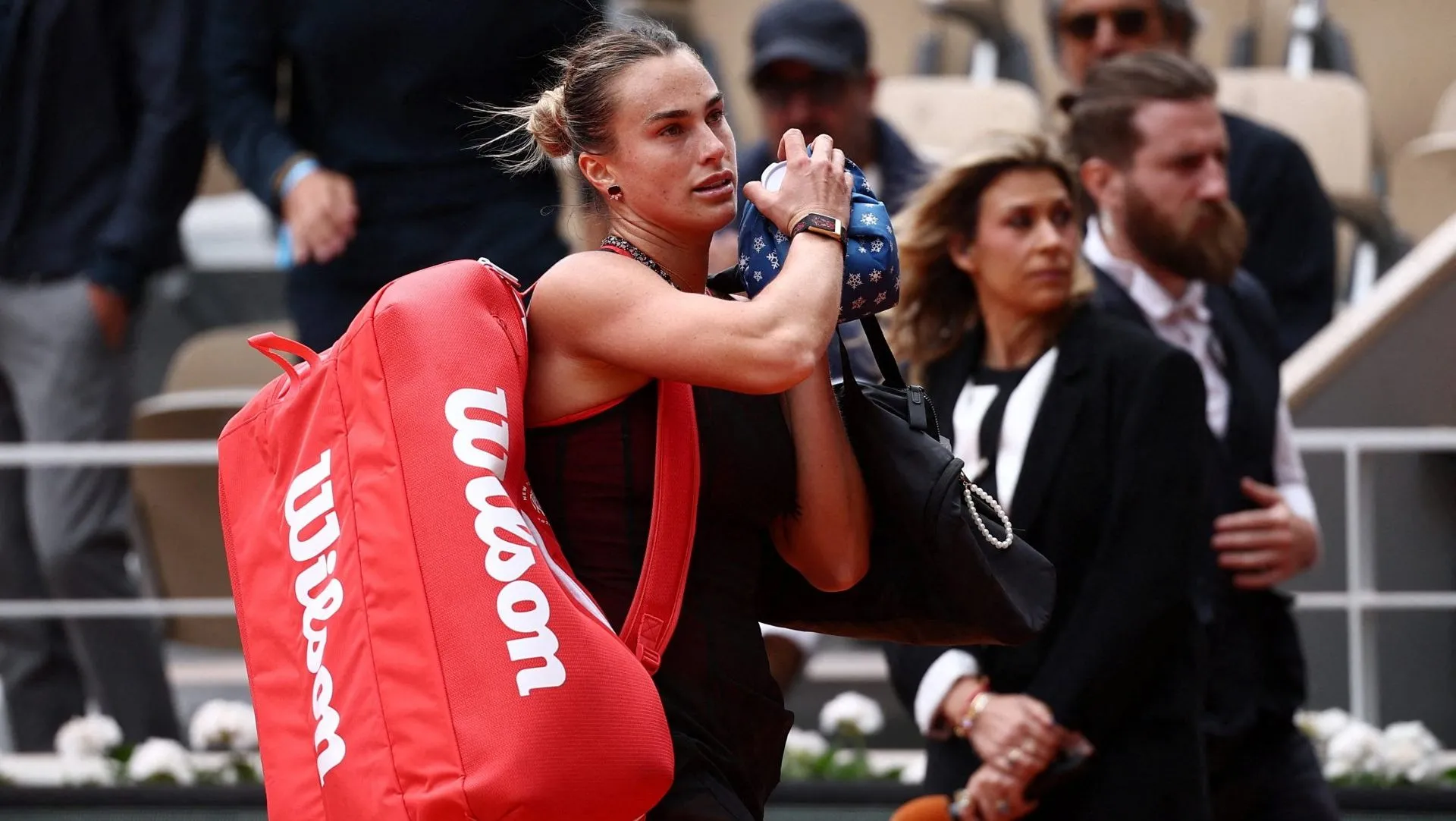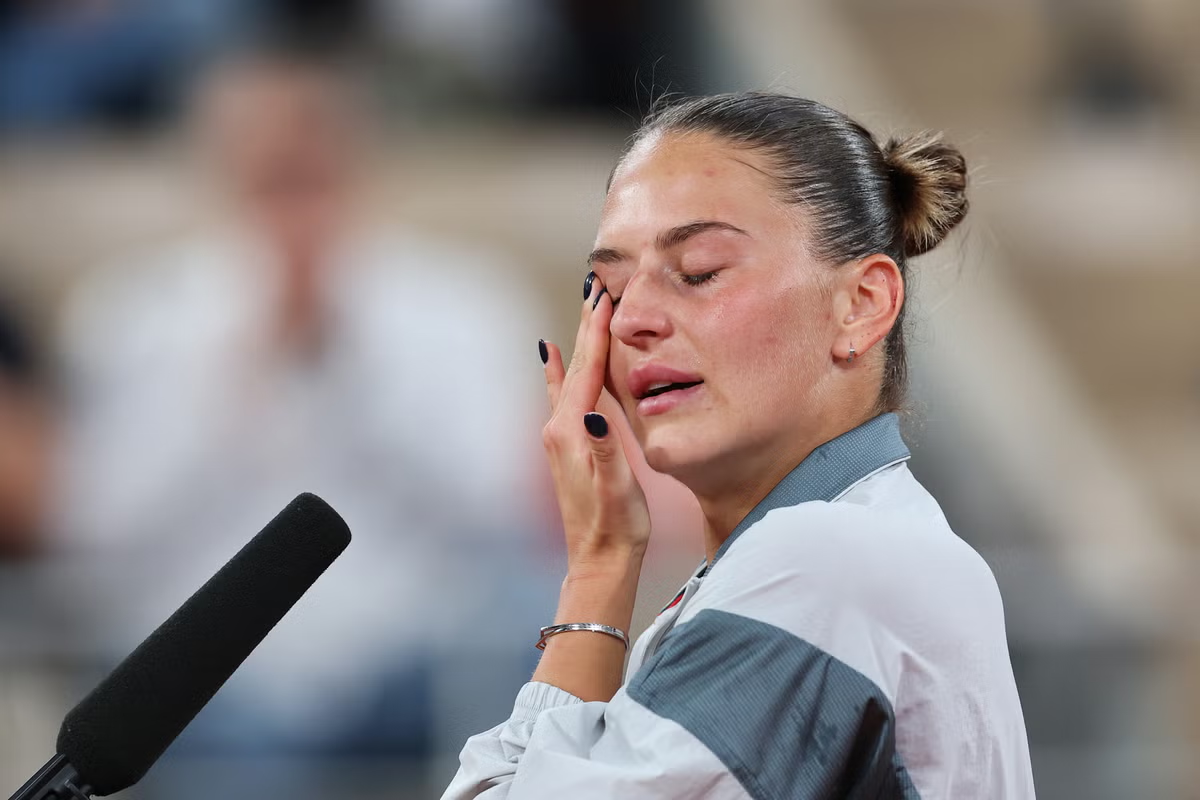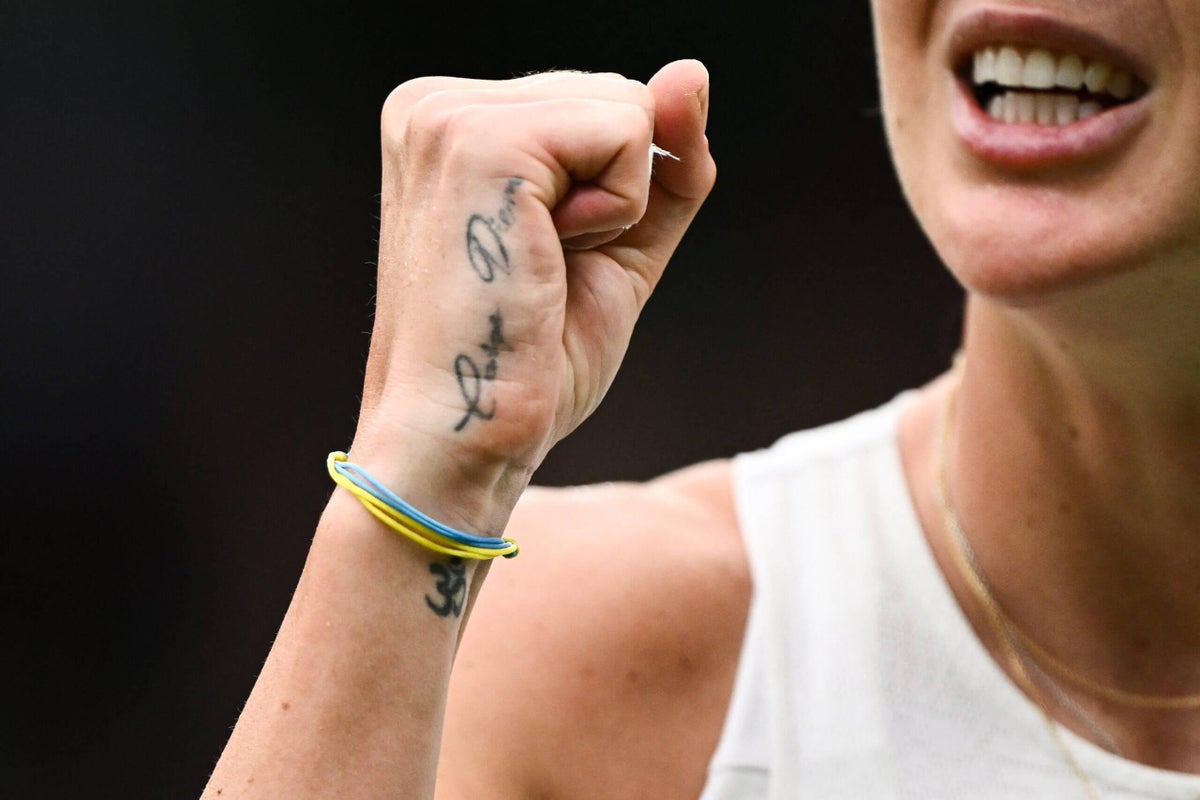
It’s easy to think of tennis’ relationship with Russia’s war in Ukraine through the prism of a few key moments.Russian player Andrey Rublev wrote “no war please” on a camera lens in February 2022, shortly after Russia’s invasion.In September 2022, Daria Kasatkina, also Russian, described the war as a “full-blown nightmare” in a series of interviews in which she also came out as gay. Kasatkina earlier this year defected to Australia, saying in a news conference, “if I want to be myself, I have to make this step.”Wimbledon banned Russian and Belarusian players from competing in 2022, to which the ATP and WTA Tours responded by withholding ranking points from the tournament. They returned to the tournament in 2023.At the 2023 French Open, current world No. 1 Aryna Sabalenka was repeatedly questioned about her association with Aleksandr Lukashenko, her country’s president and an ally of the President of Russia, Vladimir Putin.And at the 2026 French Open, the women’s quarterfinals features two Ukrainians, three Russians, a Belarusian, and a Pole — all countries involved in Russia’s invasion, with Belarus an ally of Russia and Poland of Ukraine. The two Ukrainians, Marta Kostyuk and Elina Svitolina, meet Tuesday. Whoever wins will face Russia’s prodigious teen talent Mirra Andreeva, and if they win that, there is a three-out-of-four chance that they will face a Russian or Belarusian in the final.The high number of Ukrainian, Russian and Belarusian players on the WTA Tour — and the fact that they can face each other almost every week of the year — makes tennis a singular sport regarding the felt influence of the war. There can be flashpoints elsewhere, like Putin congratulating Washington Capitals captain Alex Ovechkin for breaking the NHL’s goal-scoring record, but tennis exhibits the impact of the conflict on a more regular basis than any other sport. Ovechkin said “please, no more war” when asked about the invasion in 2022.Svitolina, the world No. 7, is one of seven Ukrainians in the WTA Tour top 100, along with Kostyuk (No. 15), Dayana Yastremska (No. 45), Yuliia Starodubtseva (No. 55), Anhelina Kalinina (No. 60), Oleksandra Oliynykova (No. 65) and Daria Snigur (No. 93).Marta Kostyuk and Dayana Yastremska were partners at the 2024 Paris Olympics. (Miguel Medina / AFP via Getty Images)There are 8 Russians and Belarusians in the WTA top 100, including world No. 1 Sabalenka and world No. 8 Andreeva.To cope with the frequent matchups against one another and proximity to each other on top of the everyday reality in their home country is a huge ask for all the Ukrainian players on the tour. “We are living with the unimaginable challenges, pressure, and just not knowing what’s coming tomorrow,” as Svitolina said in an interview with The Athletic last year. She went on to describe juggling time differences and training schedules to speak each day to her 86-year-old grandmother, Tamara, who remains with an uncle in Odessa, the southern port city still targeted by Russian missile attacks.
Why Russia’s invasion of Ukraine hangs over tennis like no other sport
There are flashpoints in Russia's war in Ukraine across sports, but tennis' calendar and individual matchups make it a constant presence.
1,057 words~5 min read