Vitaly Gariev / Unsplash
A version of this article originally appeared in Quartz’s Leadership newsletter. Sign up here to get the latest leadership news and insights straight to your inbox.
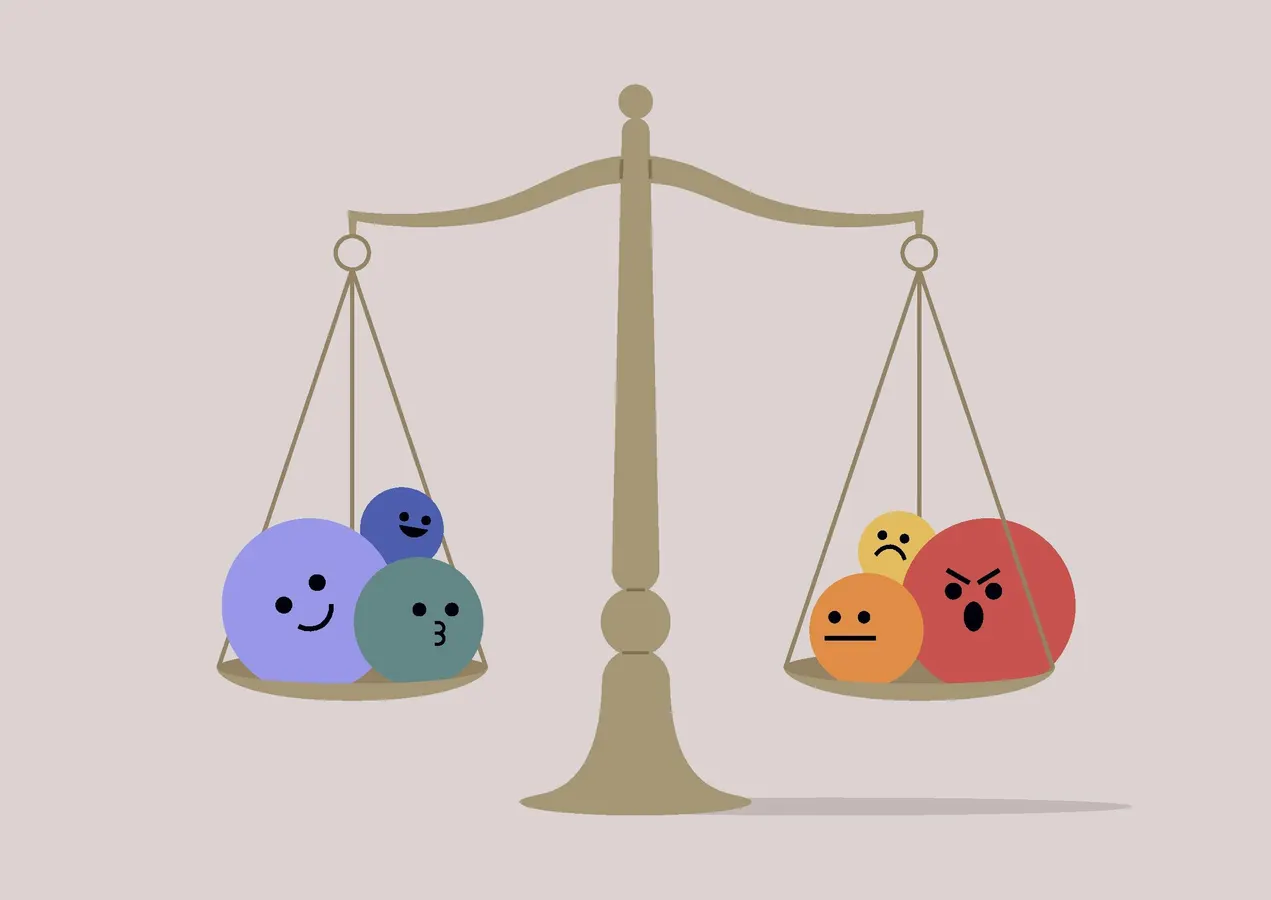
Leadership has never been a low-pressure job, but something has shifted. The Brunswick Group's Leadership Stress Index now puts executive stress above even the peaks of the COVID-19 pandemic, when mass layoffs and supply chain collapses fractured many organizations. That the present moment exceeds it says something about how much the environment has changed, and how little relief has followed.
The consequences extend beyond the executive suite. Sustained stress narrows cognitive perspective. It pushes leaders from strategic planning into reactive thinking. Misjudgments are more likely to happen, compounding the pressure on the people who work for them. Organizational performance suffers. Employee well-being follows.
What stress does to the brain isn't only psychological. Researchers Sandy Dickerson and Margaret Kemeny identified the biological dimension in foundational work that showed potent stressors — particularly those involving public scrutiny — trigger elevated cortisol, the hormone associated with the body's fight-or-flight response. Prolonged exposure to that biochemical state warps judgment, feeding the narrow thinking and impulse reactions that undo careful decision-making.