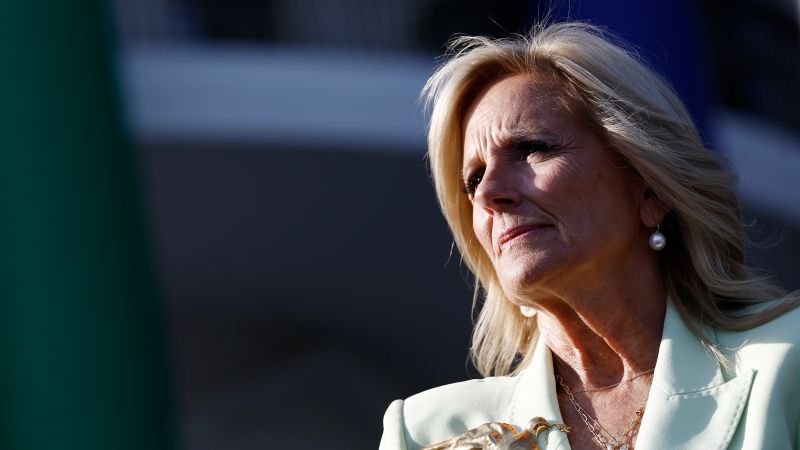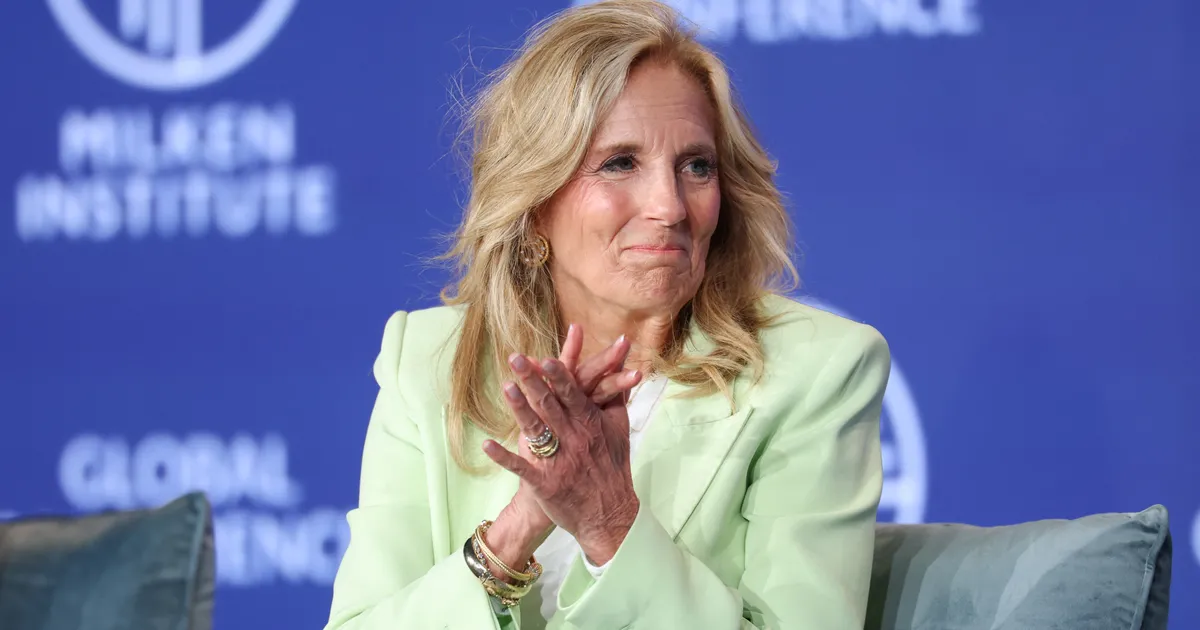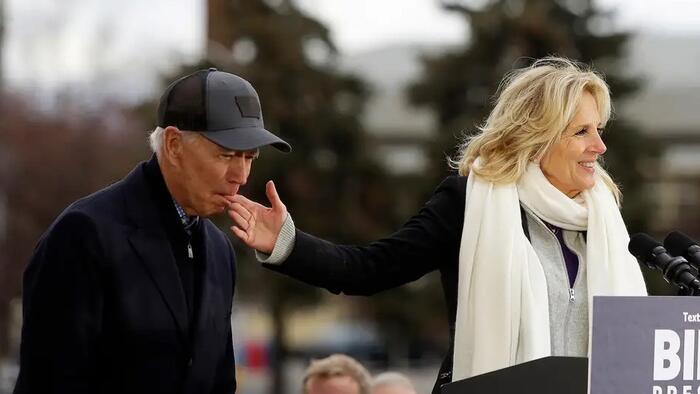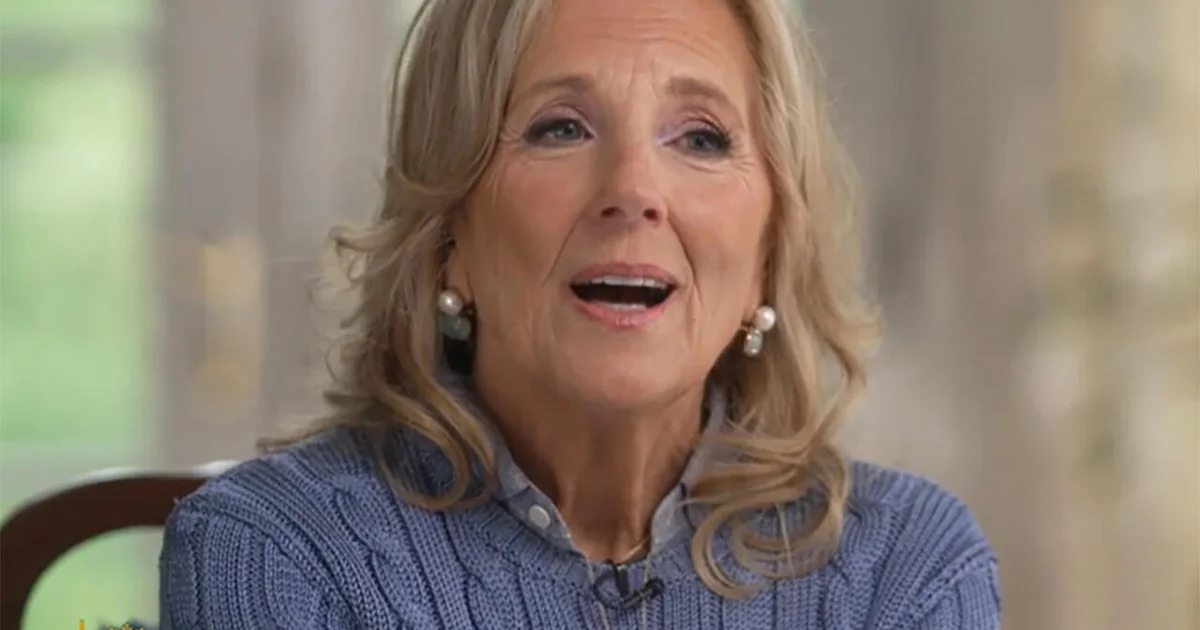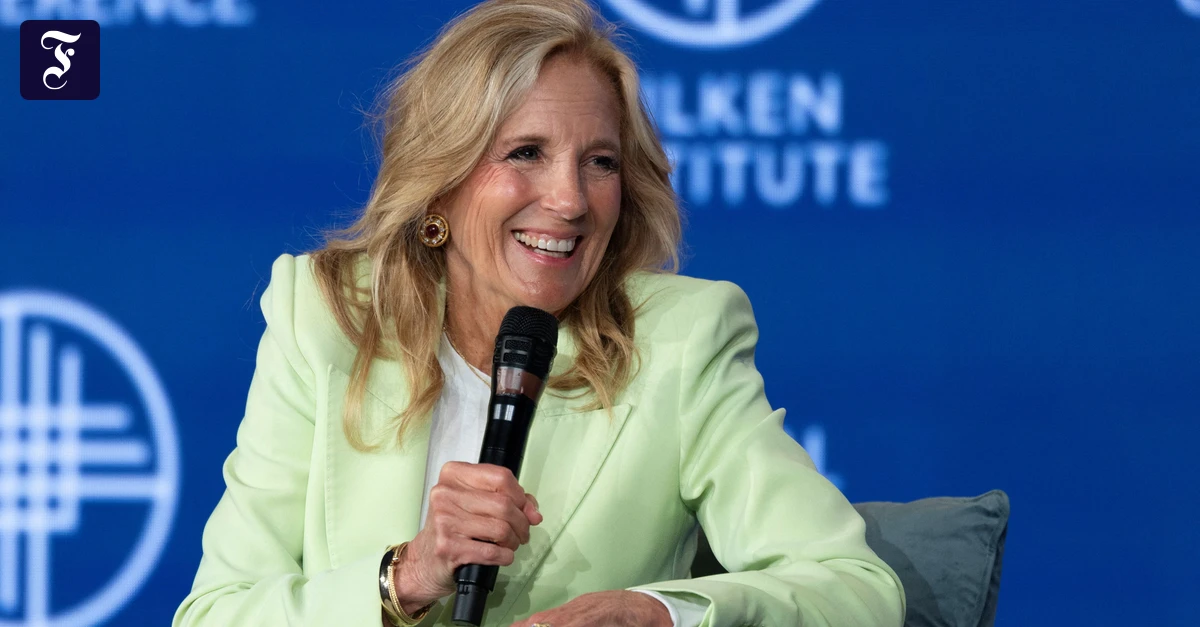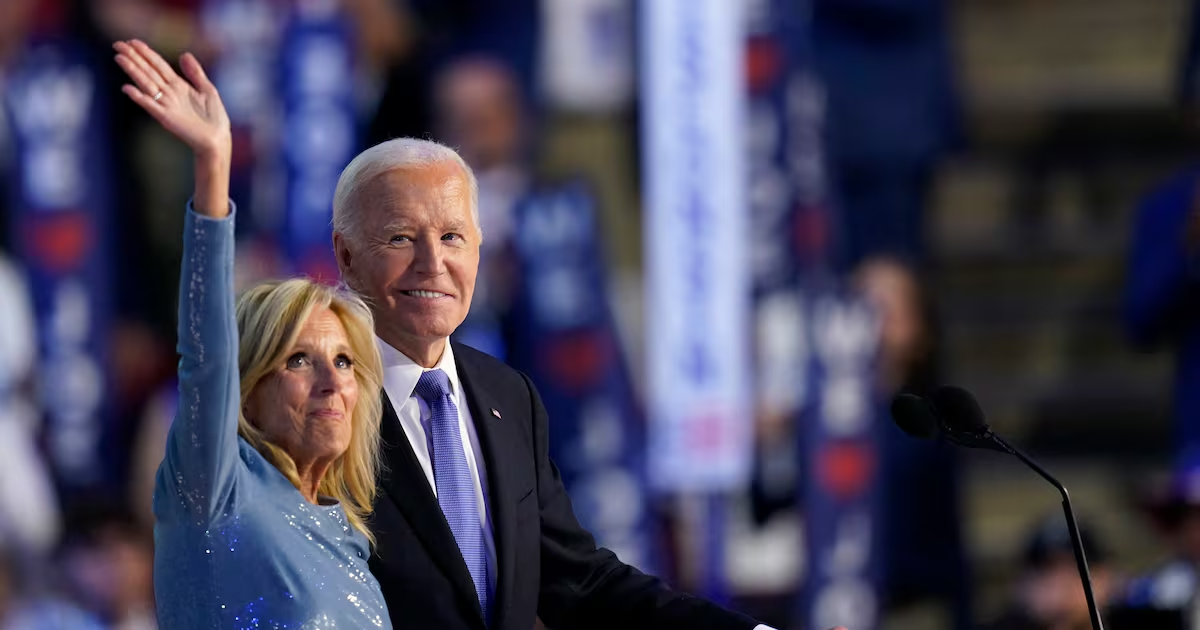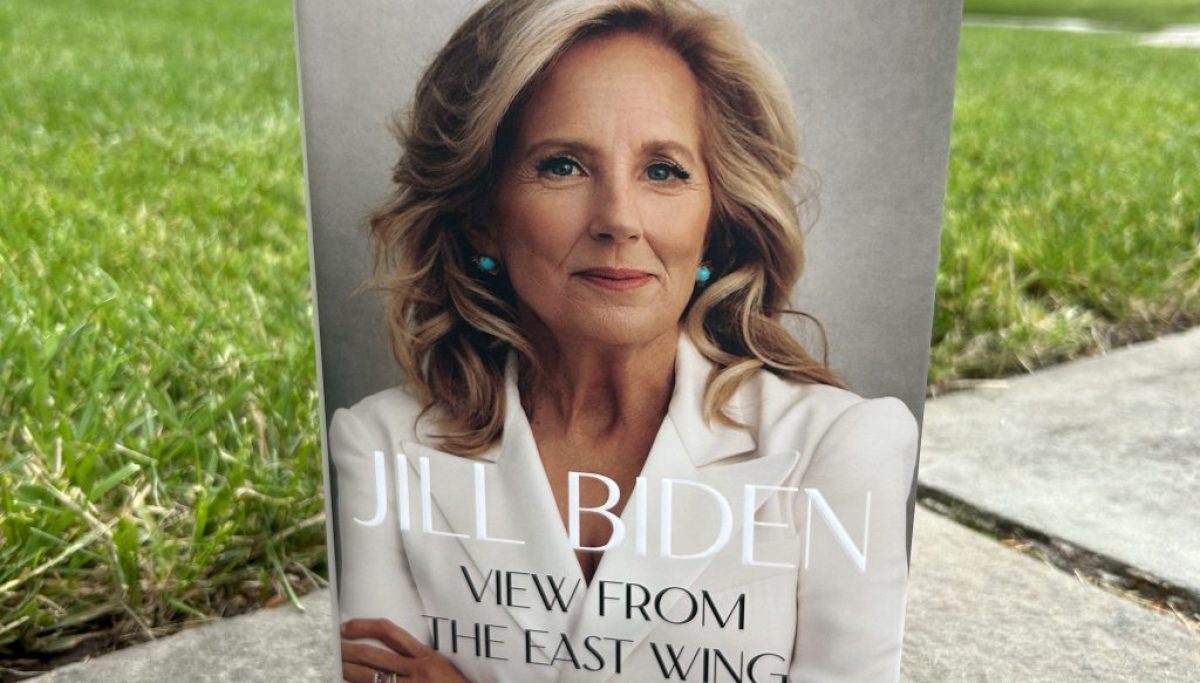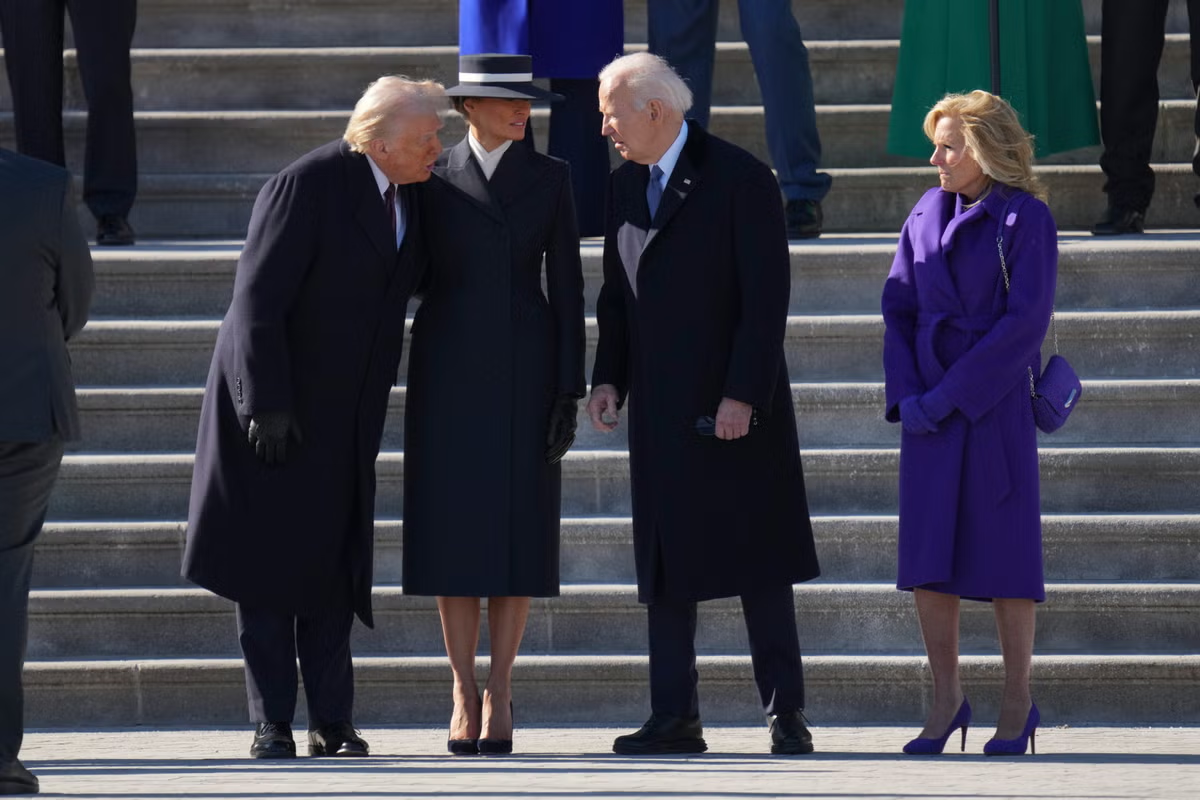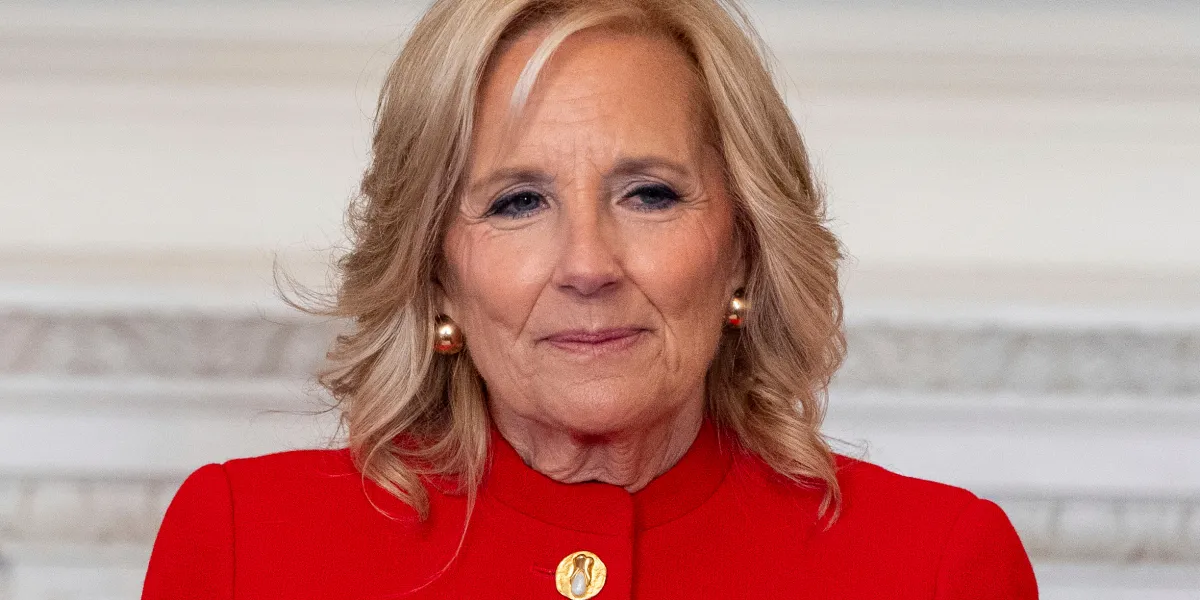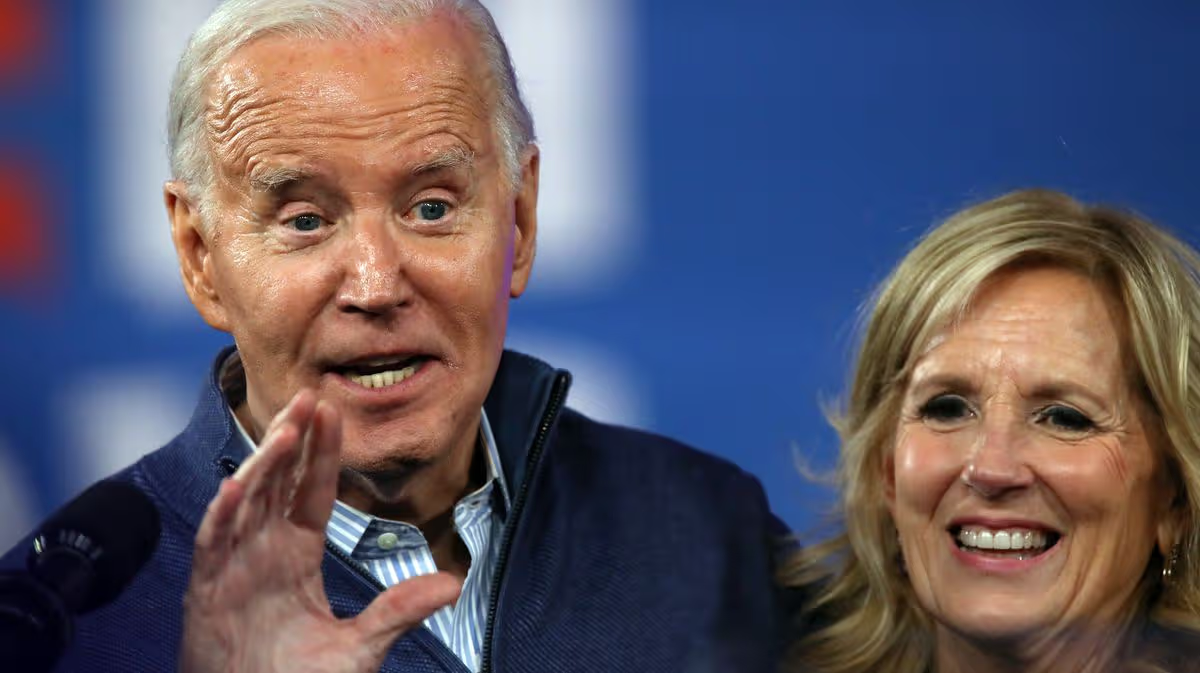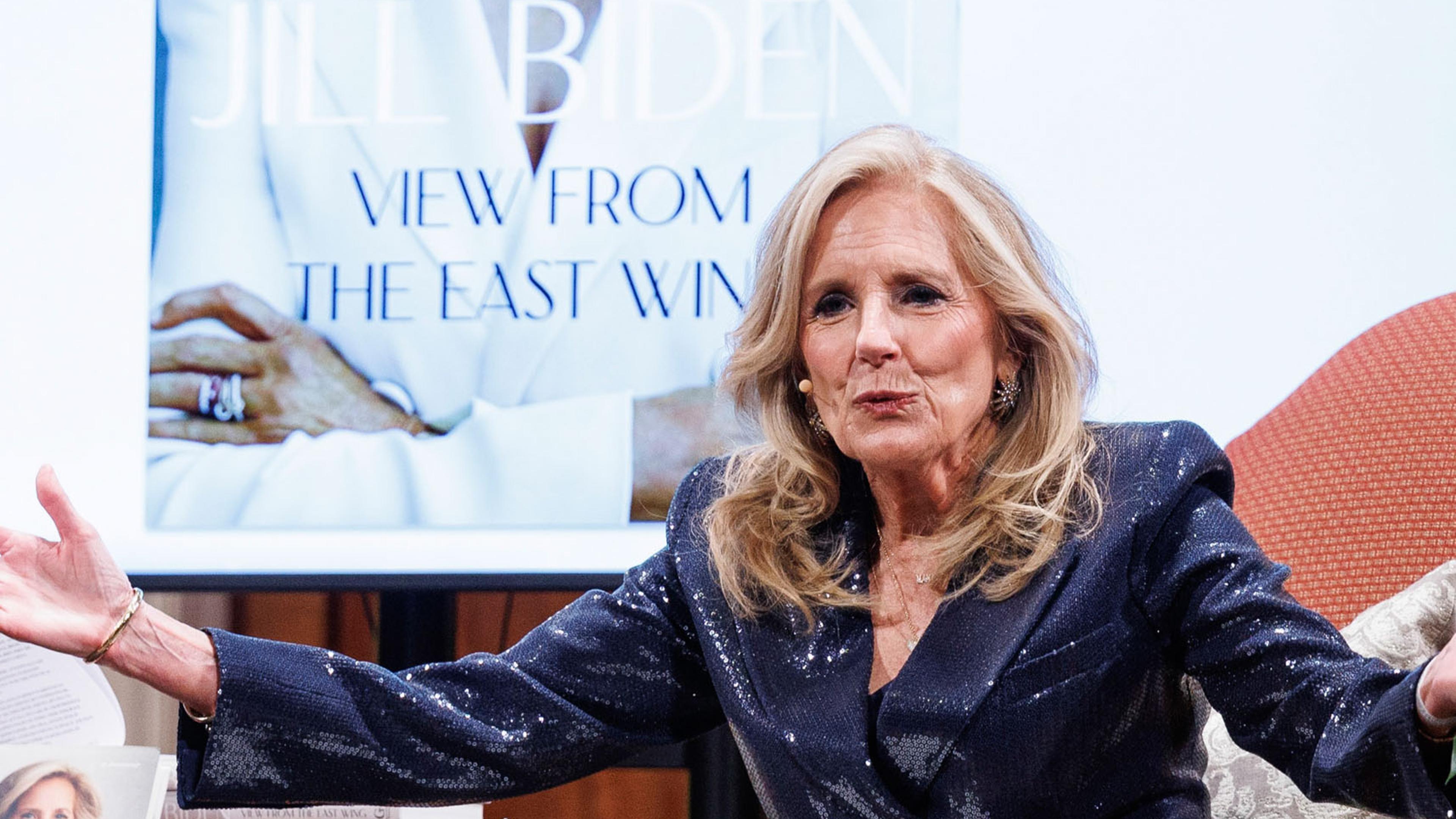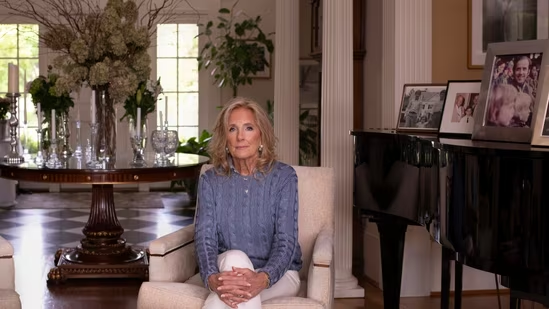
The former first lady talks about her husband’s health, losing the East Wing and Nancy Pelosi. Jill Biden knows people are mad about her new book.Jill Biden at home in Wilmington, Del.They’re mad that she’s only now disclosing that she thought her husband, former President Joe Biden, was having a stroke during his debate against Donald Trump. They’re mad that she publicly praised his debate performance after the fact—“You answered every question! You knew all the facts!”—even though she privately agreed with Joe’s assessment that he had “f—d up.” They’re mad that this book exists at all, picking at Democrats’ scabs from the 2024 presidential election.Not that anyone has expressed that anger to her face.“But today’s Day 1,” she says with a small laugh. “So, who knows what’s to come?”'View From the East Wing' is out Tuesday from Gallery Books.It’s Monday morning, the day before the publication of her memoir, “View From the East Wing.” Few know the full extent of what the former first lady discloses in the book. If they know anything, it comes from interview clips that revealed what Jill was thinking as she watched her husband onstage saying “something nonsensical about beating Medicare,” as she puts it in the book.“It’s one chapter in 35 chapters,” she tells me. “They’re going to see this is not a political book.” This memoir, she says, is about being “an ordinary woman living an extraordinary life.” About “work-life balance” and the demands of modern femininity. About her life “as a teacher, as a grandmother, as first lady.”“I was—I am—a political spouse,” Jill, 74, says, “but it wasn’t [told] through that lens.”And yet, some may struggle to see it through any other. The book is the first accounting of the Biden administration from the person closest to the president himself. It tells us things we never knew, such as the fact that Jill supported the notion that Joe, now 83, should take a cognitive test, because she thought he could pass it. There are also details we’d only heard from one side: Jill confirms, for example, that Vice President Kamala Harris urged Biden to endorse her immediately after he dropped out, just as Harris describes in her own telling of the 2024 race.These are stories she says she must share in order to tell her own. “It’s a reflection of my four years,” she says.Let’s return to that rainy Saturday of July 20, 2024, when President Biden, huddled with his top advisers at the family’s vacation home in Rehoboth Beach, Del., wondered whether he should drop out of the presidential race. He had not been kept “in a bubble of delusional optimism,” Jill writes, but was drowning in a deluge of negative headlines about his re-election prospects. From the porch that afternoon, Biden called his wife to join him.“He said, you know, ‘What do you think, Jill? What do you think?’” she recalls in our interview. “I said, ‘No, Joe, I’m not giving you my opinion. This is a decision you have to make for yourself.’”Biden says her book isn't political.This, she says, is how decisions work in the Biden household—despite being one of her husband’s closest advisers, someone who sat in on key political strategy meetings and the vetting of his vice presidential candidates. “I’ve always let Joe steer his own ship, as he has always let me steer mine,” she writes, sometimes disagreeing with one another, but never second-guessing.She was adamant that she would support him, no matter his decision. She was adamant that he was up for the job. And yet, in the book she voices doubts—if not in his capacity to serve, then in his ability to overcome the public beliefs that he couldn’t. In those trying weeks after the debate, she wondered if she could trust his doctors, advisers—or even herself.“Had he grown too old for the job and I hadn’t noticed?” she writes. “I didn’t think so, but could I be objective enough to be sure?”Joe Biden declares victory in 2020.Through the book, we learn there are several things Jill Biden didn’t share with her husband. She didn’t think he could pull through the 2020 presidential primaries after his poor early showings—fourth in Iowa, fifth in New Hampshire—though vowed to “support Joe as long as he stayed in the race.” She had worried about his lack of sleep in the final year of his presidency—waking up seven times one night to use the bathroom, she notes, which can be a sign of a prostate issue—and flagged her concern to Joe’s doctor instead of Joe because “it’s always been the nature of our relationship that we’ve maintained a veil of discretion around personal health,” she writes.She knows how this sounds. “Old-fashioned,” as she puts it in the book.“We kept it separate—it was just the way we grew up,” she says on Monday. “I think it’s generational.” She similarly never told him about her menopause symptoms—the insomnia and night sweats.Then, of course, there are the things she didn’t tell the American public, the things that Democrats are agitated to be revisiting now. She frames those decisions at the time as attempts to “stay out of the fray”—to “play by the rules” and “ignore the ludicrous attacks.” After the June 2024 debate and the discourse that followed, she writes that “the biggest lesson” was “that if you don’t explain something well enough then the question won’t go away.”After the June 2024 debate.She winces now hearing those words read aloud. “I don’t want to sound defensive about things that happened in the White House,” she says. “Should we have reacted more? I mean, is that a lesson I’ve learned as I look back? Maybe. Maybe I should have spoken out a little more, but I don’t know.” There’s a paradox to being first lady, as Jill notes throughout the book—the risk of being seen as too involved in her husband’s presidency, or too hands-off.“Joe was the politician,” she says, “Not me.”But she still wants to say her piece. “After we left the White House, so many people wrote books,” she says, “so these were my reflections on my experiences, my years with Joe in the White House.” There is also praise for her husband’s administration and its accomplishments: “That’s something I worry people may have forgotten in all that came after,” she writes.She titled her memoir after Trump began demolition on the East Wing, the traditional home of the first lady’s offices. Swaths of the book eulogize its demise—in particular, the interactive tour displays and gallery of first lady portraits Jill had taken care to update during her husband’s administration. “I loved the East Wing,” she says on Monday. “I loved it.”The Bidens and Trumps at the 2025 inauguration.She writes something nice about every living president and first lady, save for Donald and Melania Trump. She says she hasn’t read Melania’s book nor seen her documentary. She refuses to weigh in when I ask if she thinks Trump’s health has received sufficient scrutiny.“Oh, I’m not going to talk about him,” Jill says.In her 2019 memoir, “Where the Light Enters,” Jill contrasts Joe’s capacity for forgiveness with her proclivity toward grudges, how she recalls “every slight committed against the people I love.” Near the end of her husband’s term, that applied to former House Speaker Nancy Pelosi, who Jill notes in the book had both privately told Biden to leave the race and publicly nudged him to do so on “Morning Joe” during those fateful July weeks. “We were friends for 50 years,” she told the Washington Post in January 2025. “It was disappointing.”She says her husband and the former speaker made up at Tatiana Schlossberg’s funeral, during the “sign of peace” ritual of a Catholic Mass. Jill herself hasn’t made amends: “I haven’t actually seen her to make up with her or not make up with her. I didn’t even see her in the church,” she says, explaining Joe had left his pew to shake the former speaker’s hand. Pelosi wasn’t immediately available to comment.“That’s what I’ve learned through this cancer diagnosis,” Jill tells me. “Life’s so short. Why live with the anger and the pain of it all? I mean, move on. Let’s move on.”A Valentine's Day gift from Jill to Joe.And now, there’s her husband’s cancer: prostate, stage four, metastasized to his bones. It likely won’t kill him, she writes, but he’ll never be cured. He finished radiation therapy in October. Now, he’s on a hormone regimen that makes him tired and occasionally moody. Still, he takes the Amtrak to his Washington office once or twice a week; he gave a Memorial Day speech in Delaware and will speak at a Democratic gala in South Dakota on Friday.Jill, meanwhile, is chair of the Milken Institute Women’s Health Network. She is still exercising most days and reading books by Ann Patchett and Elizabeth Strout. She’s caring for Joe—making sure he schedules his doctor’s appointments and takes his medications—and for her granddaughter Naomi’s family, who are staying with the Bidens in Delaware for a few weeks, visiting from Los Angeles. And for her children, Ashley and Hunter, more present at the homestead in the wake of their father’s diagnosis.“Thank you, God, he’s through his addiction, and he has a new life,” she says of Hunter.That new life includes a recent podcast appearance with Candace Owens, a far-right commentator. It’s a curious choice; Owens once called Hunter, among other things, a “degenerate” and a “crackhead.” Jill hasn’t listened but respects his choices.“That’s one thing I think you’re going to find out in life,” she continues with a chuckle. “You cannot control other people, even though you want them to do certain things or don’t want them to do certain things.”Write to Kara Voght at kara.voght@wsj.comJill BidenMemoirJoe BidenGet the latest headlines from US news and global updates from Pakistan, Nepal, UK, Bangladesh, Russia, and get all the latest headlines in one place on Hindustan Times.See Less
Jill Biden on Her Memoir and a Marriage Where Difficult Things Weren’t Discussed
The former first lady talks about her husband’s health, losing the East Wing and Nancy Pelosi. | World News
1,655 words~8 min read