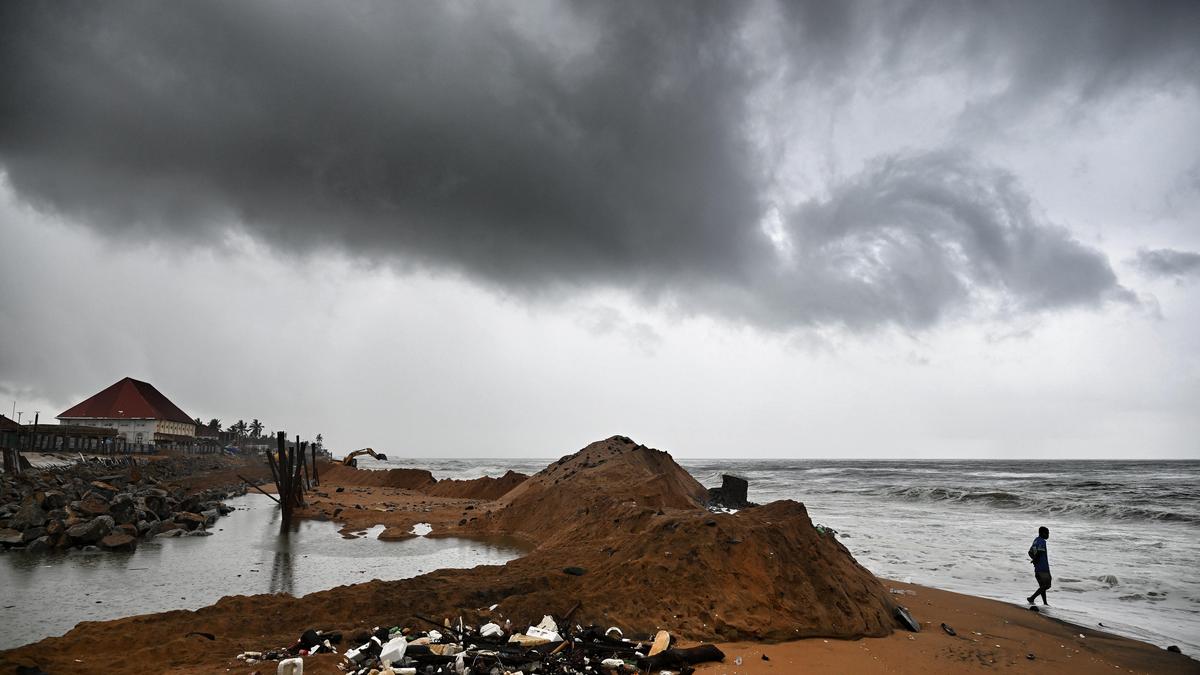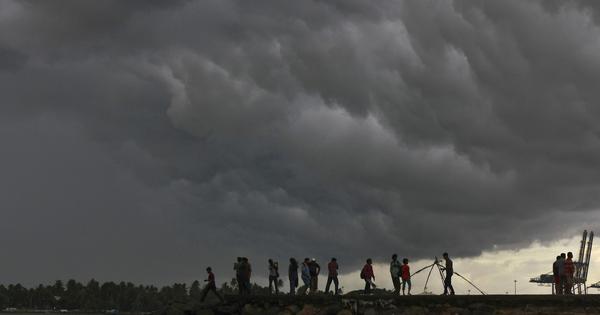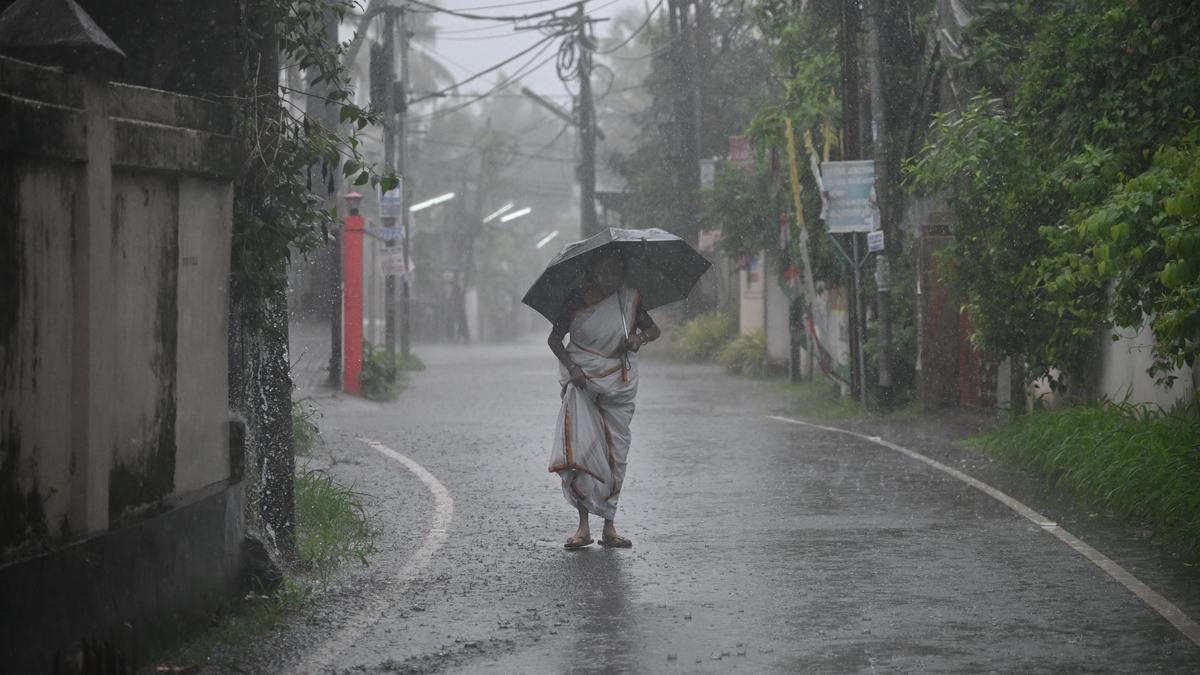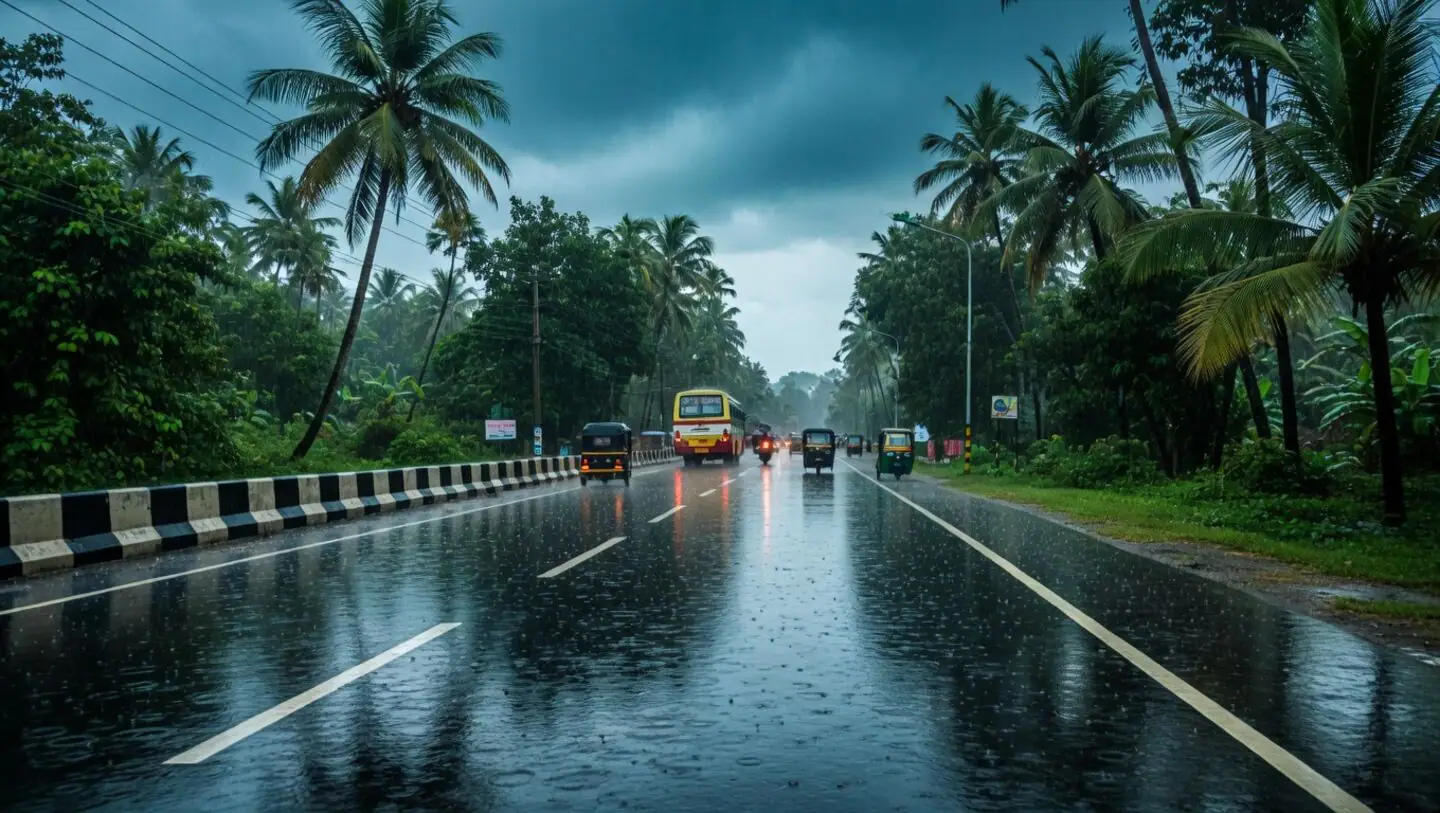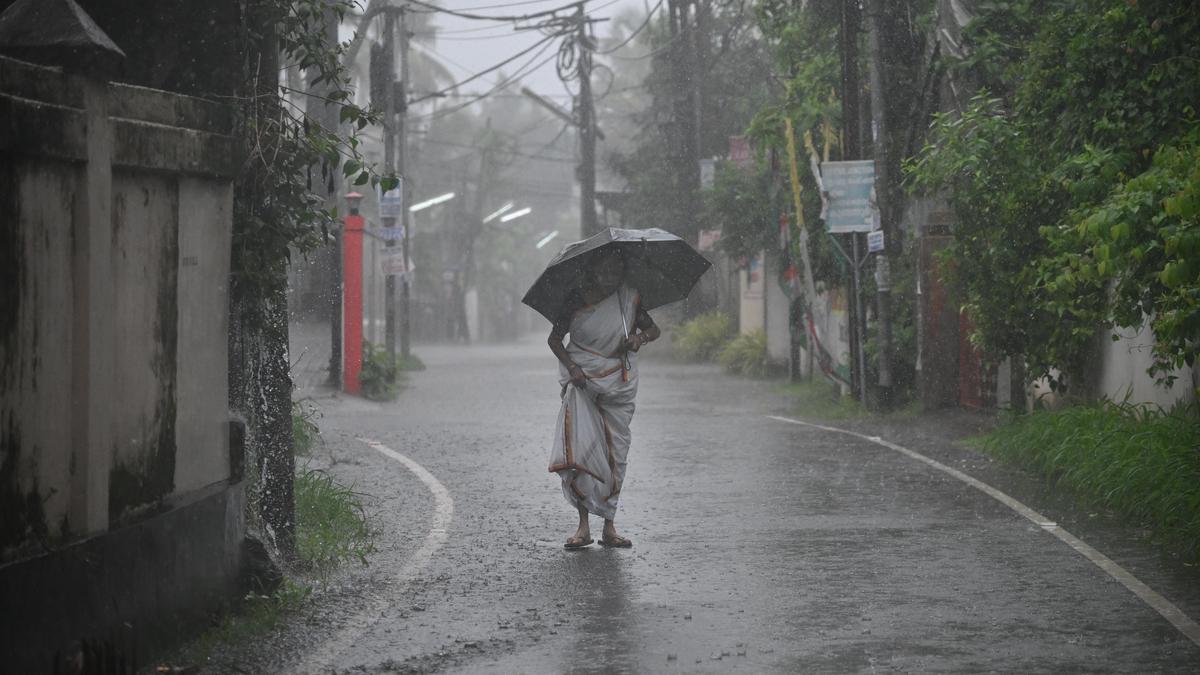
The monsoon is likely to arrive in Kerala around June 4, three days behind schedule, the India Meteorological Department (IMD) said on Tuesday. On May 15, the IMD forecast that the monsoon was likely to set in over Kerala on May 26, with a model error of ± four days.On May 15, the IMD forecast that the monsoon was likely to arrive in Kerala on May 26, with a model error of ± four days. (PTI)The monsoon advances northwards from Kerala, usually in surges, covering the entire country around July 15. It marks the transition from scorching temperatures. According to the agriculture ministry, 51% of India’s farmed area, accounting for 40% of production, is rain-fed, making the monsoon critical. With 47% of the country’s population dependent on agriculture for their livelihood, a bountiful monsoon is related to a healthy rural economy.“Conditions are favourable for further advance of south-west monsoon into some more parts of south-west and south-east Arabian Sea, Lakshadweep Islands, some parts of Kerala and Tamil Nadu, some more parts of south-west, west-central, east-central, and north-east Bay of Bengal, and remaining parts of south-east Bay of Bengal around June 4,” the IMD said on Tuesday.The IMD said isolated heavy to very heavy rainfall (7-20 cm) is very likely in Kerala over the next six to seven days. Isolated heavy rainfall was expected in Tamil Nadu and Karnataka during the same period. Moderate to severe thunderstorm activity with squally wind speeds of up to 40-50 kmph is likely in parts of north-west, central, east India, and south Peninsular India during the week.The IMD’s extended range forecast shows largely dry conditions over Kerala between May 28 and June 4. A very marginal improvement was expected from June 4 to June 11.A typhoon developing over the West Pacific, seen pulling significant moisture away from the Arabian Sea and Bay of Bengal, and a cyclonic circulation over the Lakshadweep region, were the likely factors delaying or causing a weak monsoon onset in Kerala.Last week, the IMD revised its seasonal rainfall forecast downward— from 92% of the long-period average (LPA) issued in April to 90% — and attached a 60% probability to a deficient season, meaning there is a better-than-even chance that total rainfall falling below the threshold that even qualifies as below-normal.The LPA for the June-to-September season, calculated over the 1971-2020 period, is 87cm. If the prediction bears out, this would mark the lowest monsoon season rainfall in 11 years.Fuelled by unusually warm ocean waters in the tropical Pacific, El Niño conditions are developing and are set to influence global temperature and rainfall patterns, increasing the risk of extreme weather over the coming months, the World Meteorological Organization said on Tuesday.A new WMO El Niño/La Niña Update indicates an 80% likelihood of an El Niño event during June–August 2026. There is a 90% probability that it will continue until November. Most forecast models suggest it will be at least moderate and possibly strong. In India, an El Niño is associated with a harsher summer and a weaker monsoon.
Monsoon likely to arrive in Kerala three days behind schedule around Jun 4: IMD
The monsoon advances northwards from Kerala, usually in surges, covering the entire country around July 15 | India News
505 words~2 min read